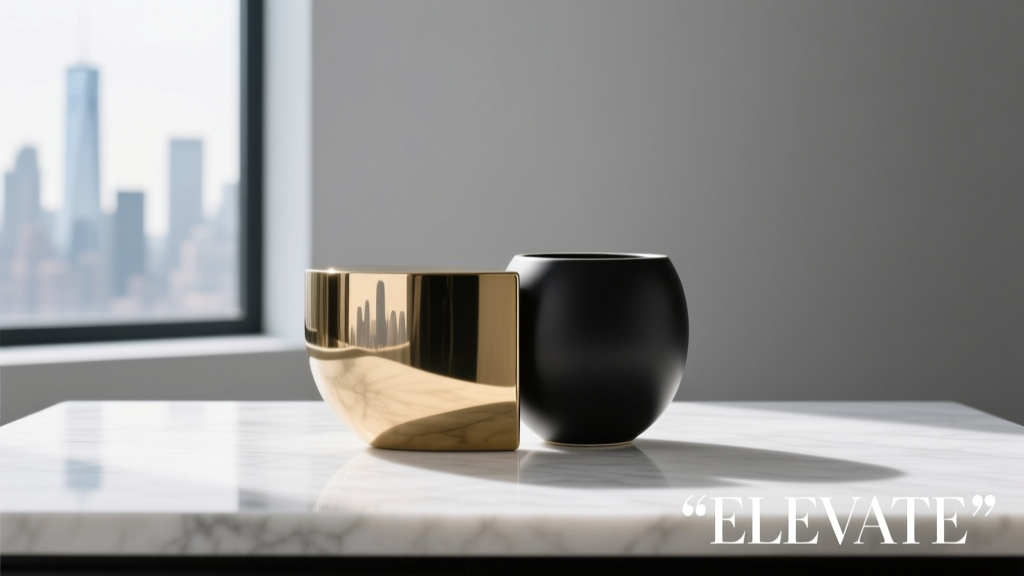
Types of Modern Luxury Dressing Tables
A modern luxury dressing table is more than just a functional piece of furniture—it's a statement of style, elegance, and personal refinement. These tables blend aesthetic sophistication with practical design, offering tailored solutions for makeup application, grooming, and storage. When choosing a dressing table, it's essential to consider both the visual harmony with your interior décor and the usability that fits your daily routine.
Vanity Tables
The epitome of opulence, vanity tables are designed for those who appreciate grandeur and indulgence in their personal space.
Advantages
- Luxurious materials like marble, crystal, and polished metals
- Often include LED-lit mirrors for optimal visibility
- Spacious drawers and compartments for beauty essentials
- Comes with matching upholstered stools or chairs in premium fabrics
- Creates a dedicated, glamorous grooming area
Limitations
- Bulkier design may not suit small spaces
- Higher price point due to premium materials
- May require more maintenance (e.g., marble cleaning)
Best for: Master bedrooms, walk-in closets, luxury suites, and lovers of classic glamour
Minimalist Dressing Tables
Embracing the philosophy of simplicity, these tables focus on clean lines, neutral tones, and functional elegance.
Advantages
- Space-efficient and visually unobtrusive
- Perfect for small apartments or minimalist interiors
- Easy to maintain and clean
- Often uses sustainable materials like bamboo or recycled glass
- Blends seamlessly with modern, Scandinavian, or Japandi styles
Limitations
- Limited storage capacity
- Fewer decorative or lighting features
- May feel too sparse for those who enjoy ornate designs
Best for: Urban lofts, contemporary homes, and individuals who value clutter-free, serene environments
Industrial Chic Tables
These tables merge rugged textures with refined functionality, creating a bold contrast that stands out in modern interiors.
Advantages
- Unique aesthetic combining metal, wood, and glass
- Durable construction with a vintage-meets-modern appeal
- Often features open shelving or exposed hardware for visual interest
- Can be customized with Edison-style bulbs or statement mirrors
- Ideal for adding character to neutral spaces
Limitations
- Metal components may feel cold or echo sound
- Potential for sharp edges or rust if not properly treated
- May clash with overly traditional décor
Best for: Loft apartments, converted warehouses, and eclectic interiors seeking an edgy yet sophisticated vibe
Modern Luxury Dressing Tables
At the forefront of innovation, these tables integrate smart technology with high-end craftsmanship for a seamless grooming experience.
Advantages
- Equipped with adjustable LED lighting (warm, cool, daylight modes)
- Features touch-sensitive controls and wireless charging pads
- Uses premium finishes like high-gloss lacquer, tempered glass, or brushed metal
- Smart storage with hidden compartments and soft-close drawers
- Designed for ergonomics and modern lifestyle integration
Limitations
- Requires electrical access for full functionality
- Higher cost due to integrated tech features
- More complex maintenance if electronic components fail
Best for: Tech-savvy users, modern penthouses, and homes with smart automation systems
Mid-Century Modern Tables
Inspired by 1950s–60s design, these tables offer timeless elegance with organic shapes and refined materials.
Advantages
- Iconic tapered legs and smooth wood grain finishes
- Uses rich materials like walnut, teak, and rosewood veneers
- Blends vintage charm with contemporary usability
- Timeless design that resists trends and retains value
- Often features hidden hardware for a clean, uninterrupted look
Limitations
- Fewer tech integrations compared to modern smart tables
- Authentic pieces can be expensive or hard to source
- May not suit ultra-minimalist or industrial spaces
Best for: Vintage enthusiasts, retro-inspired bedrooms, and collectors of designer furniture
| Style | Aesthetic | Materials | Storage | Ideal For |
|---|---|---|---|---|
| Vanity Tables | Opulent, glamorous | Marble, gold/silver accents, crystal | High – multiple drawers, compartments | Luxury bedrooms, formal spaces |
| Minimalist | Clean, understated | Glass, light wood, metal | Low to medium – simple drawers/shelves | Small spaces, modern apartments |
| Industrial Chic | Rugged, urban | Reclaimed wood, wrought iron, steel | Medium – open shelving, exposed storage | Lofts, eclectic interiors |
| Modern Luxury | Sleek, high-tech | Lacquer, mirrors, LED-integrated surfaces | High – smart compartments, hidden storage | Smart homes, contemporary living |
| Mid-Century Modern | Vintage-inspired, elegant | Walnut, teak, wood veneers | Medium – concealed drawers, smooth finishes | Retro decor, design-conscious homes |
Expert Tip: When selecting a luxury dressing table, ensure the mirror is positioned at eye level and has adjustable lighting to mimic natural daylight—this is crucial for accurate makeup application and skin care routines.
Design of Modern Luxury Dressing Tables: Elegance Meets Functionality
The design of modern luxury dressing tables harmonizes aesthetic refinement with practical functionality, creating a centerpiece that enhances both personal grooming routines and interior decor. These tables are more than just furniture—they are statements of style, craftsmanship, and sophistication. Thoughtful integration of materials, form, color, and functional elements ensures they meet the high expectations of discerning homeowners and interior designers alike.
Key Design Elements of Luxury Dressing Tables
Materials: The Foundation of Luxury
The selection of premium materials is central to the identity of a luxury dressing table. High-end models often feature natural stone surfaces such as marble or granite, prized for their durability, cool texture, and timeless elegance. These are frequently paired with rich hardwoods like mahogany, walnut, or oak—chosen not only for their strength but also for their distinctive grain patterns and warm tonality.
Veneers and lacquered finishes offer a refined alternative, allowing for consistent color and texture while preserving the wood’s natural beauty. Metal accents in brass, chrome, or brushed nickel are commonly used for drawer pulls, frame detailing, or leg trims, adding a touch of opulence. Some contemporary designs incorporate tempered glass for tabletops or structural elements, delivering a sleek, minimalist aesthetic. The combination of these materials ensures both visual impact and long-term resilience.
Functionality: Smart Storage and Integrated Features
Modern luxury dressing tables are designed to optimize usability without sacrificing style. Multiple drawers of varying sizes provide organized storage for cosmetics, skincare products, jewelry, and accessories. Many include soft-close mechanisms for a quiet, seamless experience.
Hidden compartments, secret drawers, and lift-top surfaces enhance privacy and tidiness, allowing users to conceal personal items effortlessly. Integrated mirrors with adjustable angles, built-in LED lighting (often with dimming or color temperature controls), and even charging stations reflect the fusion of technology and design. Some high-end models feature motorized mirrors or touch-sensitive controls, catering to a tech-savvy, convenience-driven lifestyle.
Form: Proportion, Style, and Spatial Harmony
The form of a luxury dressing table encompasses its shape, silhouette, and spatial presence. Designers balance proportionality to ensure the piece complements the room rather than dominating it. Classic luxury styles often feature ornate curves, cabriole legs, and intricate carvings, evoking vintage glamour.
In contrast, modern interpretations favor clean lines, geometric shapes, and minimalist silhouettes. Pedestal bases and cantilevered legs offer stability with a sculptural flair, while wall-mounted designs maximize floor space—ideal for compact bedrooms or walk-in closets. Ergonomic considerations, such as optimal height and depth, ensure comfort during prolonged use, making form as functional as it is beautiful.
Color: Setting the Ambiance
Color plays a pivotal role in defining the mood and style of a dressing table. Traditional designs emphasize deep, warm wood tones—cherry, teak, or walnut—enhanced with natural stains that highlight the grain. These finishes create a rich, inviting atmosphere suited to classic or transitional interiors.
Modern luxury tables often embrace monochromatic palettes with high-gloss lacquers in white, black, or dove gray, offering a serene and contemporary aesthetic. Metallic finishes—such as gold leaf detailing, silver inlays, or chrome edging—add contrast and vibrancy. The right color choice should align with the broader interior scheme, whether creating a bold focal point or blending seamlessly into a cohesive design narrative.
Styling Elements: Details That Define Luxury
It’s the finer details that elevate a dressing table from functional to luxurious. Hardware such as crystal-encrusted knobs, custom-engraved brass pulls, or matte black handles serve as both functional components and decorative accents. Table legs and feet are often designed with artistry—claw-foot bases for a vintage touch, tapered metal legs for modern flair, or sculpted wooden pedestals for artistic impact.
Inlays using mother-of-pearl, semi-precious stones, or contrasting wood veneers add layers of visual interest. Some tables feature ornamental carvings, marquetry, or hand-painted motifs, showcasing artisan craftsmanship. These styling elements transform the dressing table into a bespoke piece of furniture, reflecting individual taste and elevated design sensibility.
Integration with Interior Design
A luxury dressing table should not exist in isolation but should integrate seamlessly with the surrounding space. It often anchors a vanity area, complementing adjacent furniture such as upholstered stools, side cabinets, or ambient lighting fixtures. Designers consider lighting conditions, room size, and architectural details when positioning the table.
For instance, placing the table near a natural light source enhances makeup application, while layered lighting—ambient, task, and accent—ensures optimal visibility. The table’s style should harmonize with the bedroom or closet aesthetic, whether it’s part of a minimalist Scandinavian suite, a glamorous Hollywood Regency setup, or a serene Japanese-inspired retreat.
| Design Element | Key Considerations | Luxury Indicators |
|---|---|---|
| Materials | Durability, texture, visual richness | Marble tops, solid hardwoods, brass hardware, glass accents |
| Functionality | Storage capacity, ease of access, tech integration | Soft-close drawers, hidden compartments, LED mirrors, USB ports |
| Form | Proportion, ergonomics, spatial fit | Balanced silhouette, sculptural legs, wall-mounted options |
| Color & Finish | Harmony with room, mood creation | High-gloss lacquers, natural wood stains, metallic inlays |
| Styling Details | Uniqueness, craftsmanship, visual appeal | Crystal knobs, hand-carved legs, custom inlays, engraved hardware |
Tips for Choosing the Perfect Luxury Dressing Table
Important: A luxury dressing table is a long-term investment in both comfort and style. Avoid compromising on build quality for the sake of aesthetics. Always verify material authenticity, especially with wood and stone finishes. Proper care—such as using non-abrasive cleaners and avoiding direct sunlight—will preserve the table’s beauty and functionality for years to come.
Scenarios of Modern Luxury Dressing Tables
Modern luxury dressing tables are more than just functional furniture—they are statement pieces that blend elegance, technology, and practicality. Their design and features vary significantly depending on the environment in which they are used. Understanding these contexts helps in selecting the perfect dressing table that aligns with aesthetic expectations, user needs, and durability requirements.
High-End Residential Homes
In luxurious private residences, dressing tables serve as both functional and decorative centerpieces within master bedrooms or walk-in closets. These spaces prioritize opulence and personalization, often integrating the dressing table into a broader interior design narrative.
- Typically feature premium materials such as marble, solid wood, or tempered glass tops for a refined look
- Include built-in LED lighting, magnifying mirrors, and soft-close drawers for enhanced usability
- Custom cabinetry and tailored storage solutions accommodate jewelry, perfumes, and accessories
- Often paired with designer seating and ambient lighting to create a boutique-like vanity experience
Design Insight: In high-end homes, the dressing table is not just furniture—it's a lifestyle symbol reflecting personal taste and exclusivity.
Luxury Hotels and Spas
Five-star hotels and wellness retreats use luxury dressing tables to elevate guest experiences, combining comfort with sophistication. These tables are strategically placed in suites, spa changing rooms, or private lounges to enhance perceived value.
- Designed for durability and ease of maintenance while maintaining a high-end aesthetic
- Equipped with large, well-lit mirrors and ample storage for guest amenities
- Often feature neutral tones and timeless finishes that complement diverse interior styles
- May include discreet charging ports or Bluetooth mirrors for modern convenience
Hospitality Tip: A well-appointed dressing area contributes to guest satisfaction and social media appeal, encouraging positive reviews and repeat visits.
Retail and Fashion Showrooms
In modeling agencies, fashion boutiques, and photo studios, dressing tables must support professional workflows. Functionality and efficiency take precedence, though style remains important for brand image.
- Large, distortion-free mirrors with adjustable lighting (natural, warm, cool) ensure accurate makeup and styling
- Built for heavy daily use with reinforced frames and scratch-resistant surfaces
- Modular designs allow for easy reconfiguration in shared or multi-purpose spaces
- Often include power outlets and cable management for hair tools and devices
Professional Note: Lighting quality is critical—poor illumination can compromise makeup application and photography results.
Celebrity Homes and Influencer Spaces
For public figures and content creators, the dressing table doubles as a content creation station. It must be visually striking, tech-integrated, and optimized for filming and photography.
- Frequently feature illuminated mirrors (e.g., Hollywood-style bulbs or smart LED rings) for flattering lighting
- Incorporate smart technology such as touch controls, built-in speakers, or voice-activated features
- Styled with bold aesthetics—gilded frames, neon signage, or custom backdrops—to enhance visual appeal in videos and photos
- Designed for quick setup and easy access to beauty tools and devices
Content Creator Advantage: A well-designed vanity becomes a signature element in personal branding and digital storytelling.
Upscale Salons and Beauty Studios
In premium beauty establishments, dressing tables are essential workstations for professionals. They must support a range of services—from skincare to makeup—while offering clients a comfortable, luxurious experience.
- Robust construction with heat-resistant surfaces to accommodate styling tools
- Integrated lighting systems that mimic natural daylight for precise color matching
- Spacious layouts with organized compartments for tools, products, and sterilization equipment
- Ergonomic design to reduce strain during long service sessions
Client Experience: A beautifully appointed station reinforces the salon’s premium positioning and enhances client trust.
Expert Recommendation: When selecting a luxury dressing table, always consider the primary use case. A residential piece should emphasize aesthetics and personalization, while commercial settings demand durability, functionality, and ease of maintenance. For influencer or media-focused spaces, prioritize lighting, technology integration, and visual impact to maximize content potential.
| Setting | Key Features | Material Preferences | Technology Integration |
|---|---|---|---|
| High-End Residences | Custom storage, soft-close mechanisms, ambient lighting | Marble, walnut, brass, crystal accents | Mirror lighting, USB ports, smart sensors |
| Luxury Hotels & Spas | Durable finishes, large mirrors, guest-friendly layout | Lacquered wood, tempered glass, brushed nickel | Bluetooth mirrors, wireless charging |
| Fashion Showrooms | Adjustable lighting, modular design, tool accessibility | Stainless steel, laminate, reinforced MDF | Multiple power outlets, dimmable lights |
| Celebrity & Influencer Spaces | Hollywood mirrors, photo-ready design, mobility | Chrome, acrylic, mirrored surfaces | Smart mirrors, voice control, app integration |
| Premium Salons | Ergonomic height, heat resistance, product organization | Quartz, ceramic-coated, anti-scratch laminate | Color-accurate LED lighting, timer controls |
Additional Considerations
- Sustainability: Eco-conscious clients appreciate tables made from responsibly sourced wood or recycled materials with low-VOC finishes
- Space Planning: In compact areas, consider foldable mirrors or wall-mounted designs to maximize functionality without sacrificing luxury
- Lighting Quality: CRI (Color Rendering Index) above 90 ensures true color representation, crucial for makeup and skincare applications
- Brand Alignment: In commercial settings, the dressing table should reflect the brand’s identity—minimalist, bold, classic, or avant-garde
- Maintenance: Choose finishes that resist fingerprints, smudges, and wear, especially in high-traffic environments
Specification & Maintenance of Modern Luxury Dressing Tables
A luxury dressing table is more than just a functional piece of furniture—it's a centerpiece of elegance and personal care in any bedroom or walk-in closet. Understanding its specifications and proper maintenance ensures long-term durability, preserves its aesthetic appeal, and enhances daily usability. Whether you're investing in a high-end piece or already own one, this guide provides comprehensive insights into what defines a premium dressing table and how to care for it effectively.
Important Note: Luxury furniture requires specialized care. Improper cleaning or placement can lead to irreversible damage such as warping, fading, or hardware failure. Always follow manufacturer guidelines and use only recommended products.
Key Specifications of a Modern Luxury Dressing Table
A well-crafted luxury dressing table combines superior materials, thoughtful design, and fine craftsmanship. Below are the essential components and features that define a high-quality piece:
- Construction Materials
- Frame & Legs: Typically crafted from solid hardwoods like oak, walnut, or mahogany for strength and longevity. Some modern designs incorporate metal bases with polished chrome or brass finishes for a contemporary look.
- Tabletop: Made from thick, engineered wood with a veneer finish or solid timber. Surfaces are often sealed with protective lacquers or UV-resistant coatings to resist scratches and stains.
- Mirror: A full-length or generously sized mirror (minimum 30" H x 24" W) is standard. Many luxury models feature adjustable, tilting, or illuminated mirrors with LED lighting for optimal visibility.
- Drawers & Storage: High-end dressing tables include at least five drawers, often with soft-close mechanisms, felt-lined compartments for jewelry, and dedicated slots for cosmetics and accessories. Some include hidden compartments or locking drawers for valuables.
- Finish & Aesthetic Details
- The surface finish should be smooth, lustrous, and resistant to wear—common options include satin, semi-gloss, or hand-rubbed oil finishes.
- Decorative elements such as carved detailing, inlays, or metallic accents enhance the visual appeal and reflect artisanal craftsmanship.
- Color tones range from classic neutrals (ivory, espresso, white) to bold modern hues, depending on the design style.
- Hardware Quality
- Knobs, pulls, and handles are made from premium materials like solid brass, ceramic, or crystal, often with anti-tarnish coatings.
- Hinges and drawer slides are heavy-duty, typically made from stainless steel or reinforced alloys, ensuring smooth operation and long-term reliability.
- Locking mechanisms (if present) should be secure and discreet, adding both function and privacy.
- Dimensions & Ergonomics
- Standard height ranges from 28" to 30", aligning comfortably with most seating options.
- Depth typically ranges from 16" to 20", providing ample workspace without protruding excessively into the room.
- Width varies from 36" for compact models to over 60" for expansive vanity units with integrated seating.
- Ergonomic design includes rounded edges, adequate legroom, and optimal mirror positioning to reduce strain during use.
Essential Maintenance Tips for Longevity and Beauty
Proper care is crucial to preserving the elegance and functionality of your luxury dressing table. Follow these expert-recommended practices to keep your furniture looking pristine for years:
- Daily Cleaning Routine
- Wipe down surfaces daily with a soft, lint-free microfiber cloth to remove dust, makeup residue, and fingerprints.
- Avoid abrasive cloths or paper towels that can scratch delicate finishes.
- Cleaning Products to Use (and Avoid)
- Use only pH-neutral, non-abrasive cleaners specifically designed for wood or lacquered surfaces.
- Never use ammonia-based, alcohol-heavy, or silicone-laden cleaners—they can strip finishes and damage veneers.
- For mirrors, use a glass cleaner applied to the cloth (not directly on the surface) to prevent liquid seepage into frames.
- Protective Treatments
- Apply furniture wax or natural oil (e.g., beeswax or linseed oil) every 3–6 months to nourish wood and enhance luster.
- For lacquered or painted finishes, use a polish designed for sealed surfaces to maintain shine without buildup.
- Environmental Considerations
- Place the dressing table away from direct sunlight to prevent fading and warping of wood and fabric.
- Avoid positioning near heating vents, radiators, or humidifiers, as extreme temperature and moisture fluctuations can cause cracking or swelling.
- Maintain indoor humidity levels between 40%–60% for optimal wood stability.
- Hardware & Functional Maintenance
- Inspect hinges, drawer slides, and knobs monthly for looseness or wear. Tighten screws gently to avoid stripping.
- Lubricate drawer tracks occasionally with a dry silicone spray if movement becomes stiff.
- Replace worn or damaged hardware promptly to maintain both aesthetics and usability.
- Usage Best Practices
- Never place hot items (curling irons, hair straighteners) directly on the surface—always use heat-resistant mats.
- Avoid overloading drawers or placing heavy objects on the mirror frame, which can lead to structural stress.
- Clean spills immediately with a slightly damp cloth followed by a dry wipe to prevent staining or water marks.
- Professional Care for Severe Issues
- If the table suffers deep scratches, water damage, finish peeling, or broken components, consult a professional furniture restorer.
- Attempting DIY repairs on luxury pieces can diminish value and worsen damage.
| Maintenance Task | Frequency | Recommended Products/Tools | Purpose |
|---|---|---|---|
| Dust & Wipe Surface | Daily | Microfiber cloth | Prevent buildup of debris and cosmetics |
| Deep Clean | Weekly | pH-neutral wood cleaner | Remove stubborn residues safely |
| Polish/Wax | Every 3–6 months | Beeswax or furniture oil | Restore luster and protect finish |
| Hardware Inspection | Monthly | Screwdriver, silicone spray | Ensure smooth operation and stability |
| Environmental Check | Seasonally | Hygrometer, UV filter film | Prevent warping and fading |
Expert Tip: To extend the life of your luxury dressing table, rotate accessories and frequently used items periodically to prevent uneven wear or localized damage. Consider using drawer liners and surface protectors for added defense against scratches and spills.
Final Recommendations
- Keep the original care manual and warranty information in a safe place for future reference.
- Photograph your dressing table annually to track any changes in condition over time.
- Invest in a matching stool or chair with cushioned seating and proper back support for enhanced comfort.
- Consider integrating LED lighting strips or a magnifying mirror for improved functionality in low-light conditions.
- Re-evaluate placement every few months to ensure it remains in an optimal environment free from humidity and direct light.
By understanding the specifications and committing to consistent, careful maintenance, your luxury dressing table will remain a beautiful, functional, and timeless part of your personal space. Treating it with the respect it deserves not only preserves its value but also enhances your daily grooming experience with elegance and comfort.
Frequently Asked Questions About Modern Luxury Dressing Tables
Q1: What materials are used for modern luxury dressing tables?Modern luxury dressing tables are crafted from premium, high-end materials that combine durability with aesthetic appeal. The most commonly used materials include:
- Marble: Often used for tabletops or accents, marble adds a timeless elegance and natural veining that makes each piece unique. It’s especially popular in high-end designs for its cool, polished surface.
- Solid Wood: Species like walnut, oak, and maple are favored for their strength, grain patterns, and ability to age beautifully. Solid wood frames and drawers provide both structural integrity and warmth.
- Metal Accents: Brushed gold, polished chrome, or matte black finishes are used for legs, drawer pulls, and frame details to elevate the design and add a contemporary or opulent touch.
- Glass Elements: Tempered glass is often incorporated in mirrors, shelves, or tabletop inserts to enhance light reflection and create a sense of openness in the room.
These materials are carefully selected not only for their visual impact but also for their longevity and resistance to wear, ensuring the dressing table remains a centerpiece for years.
Q2: Are modern luxury dressing tables functional?Absolutely—modern luxury dressing tables are designed to be both highly functional and visually stunning, catering to the needs of contemporary living. Key functional features include:
- Ample Storage: Multiple drawers and compartments help organize cosmetics, jewelry, skincare products, and accessories, reducing clutter and improving daily routines.
- Integrated Mirrors: Many models come with adjustable, full-length, or illuminated mirrors that provide optimal visibility for makeup application and grooming.
- Built-in Lighting: LED lighting, often with adjustable color temperatures (warm to cool), enhances visibility and creates ambiance. Some models include touch-sensitive controls for convenience.
- Ergonomic Design: Thoughtful dimensions and layouts ensure comfort during extended use, making them ideal for bedrooms, walk-in closets, or dedicated vanity spaces.
Far from being purely decorative, these dressing tables are engineered to support practical daily use while maintaining a luxurious aesthetic.
Q3: What is the difference between a minimalist and a luxury dressing table?The distinction between minimalist and luxury dressing tables lies in design philosophy, material quality, and functionality:
| Feature | Minimalist Dressing Table | Luxury Dressing Table |
|---|---|---|
| Design Aesthetic | Clean lines, neutral colors, and simple forms with little ornamentation. | Elaborate detailing, rich textures, and bold design elements that emphasize opulence. |
| Materials | Often uses engineered wood, laminate, or basic metal finishes. | Features premium materials like solid wood, marble, glass, and high-grade metal finishes. |
| Functionality | Basic storage and mirror; focused on simplicity and space-saving. | Advanced features like built-in lighting, power outlets, USB ports, and customizable storage. |
| User Experience | Prioritizes efficiency and calm, uncluttered environments. | Emphasizes comfort, indulgence, and a personalized grooming experience. |
While minimalist tables suit small spaces and modern decor with a focus on utility, luxury dressing tables serve as statement pieces that blend artistry with advanced functionality.
Q4: Can a modern luxury dressing table be used in small spaces?Yes, many modern luxury dressing tables are specifically designed to fit seamlessly into compact or limited spaces without compromising on elegance or utility. Designers achieve this through:
- Space-Saving Forms: Slim profiles, floating designs, and corner configurations maximize floor space while maintaining a luxurious presence.
- Wall-Mounted Mirrors: Detachable or foldable mirrors reduce footprint and can be positioned for optimal use, especially in tight bedrooms or closets.
- Multi-Functional Elements: Drawers with dividers, hidden compartments, and vertical storage help keep essentials organized in a small footprint.
- Light-Enhancing Materials: Use of glass, mirrors, and reflective finishes helps create the illusion of more space and enhances natural or artificial lighting.
With thoughtful design, even a compact luxury dressing table can deliver a high-end experience, making it a perfect choice for urban apartments or smaller master suites.
Q5: How to maintain a luxury dressing table?Proper maintenance is essential to preserve the beauty and longevity of a luxury dressing table. Here are best practices based on material type:
- Dusting: Use a soft, lint-free microfiber cloth weekly to remove dust and prevent buildup. Avoid feather dusters, which can scratch delicate surfaces.
- Sunlight Protection: Position the table away from direct sunlight to prevent fading, warping (in wood), or discoloration of finishes and fabrics.
- Wood Care: For wooden components, apply a high-quality wood conditioner every 3–6 months to nourish the grain and prevent drying or cracking. Always follow manufacturer recommendations.
- Marble & Stone Surfaces: Clean with a pH-neutral stone cleaner and avoid acidic substances (like lemon or vinegar) that can etch the surface. Re-seal marble annually to maintain stain resistance.
- Metal & Glass: Wipe metal accents with a dry or slightly damp cloth; use glass cleaner for mirrors and glass panels to avoid streaks.
- Avoid Harsh Chemicals: Never use abrasive cleaners, ammonia, or bleach, as they can damage finishes and degrade materials over time.
With regular care, your luxury dressing table will retain its luster and elegance, continuing to enhance your space for years to come.









