
In humid environments, sunscreen can feel like a second skin—sometimes uncomfortably so. The battle between mineral and chemical sunscreens isn’t just about safety or environmental impact; it’s also about how the product feels on your face and body when temperatures rise and sweat begins to form. For those living in tropical climates, enduring summer heatwaves, or simply prone to oily skin, the sensation of greasiness is a major factor in whether sunscreen gets applied daily—or abandoned altogether.
While both mineral and chemical sunscreens offer effective UV protection, their textures, formulations, and interactions with moisture differ significantly. Understanding these differences helps explain why one might feel lighter, drier, or more breathable under sticky conditions—even if they share the same SPF rating.
The Science Behind Greasiness in Sunscreen
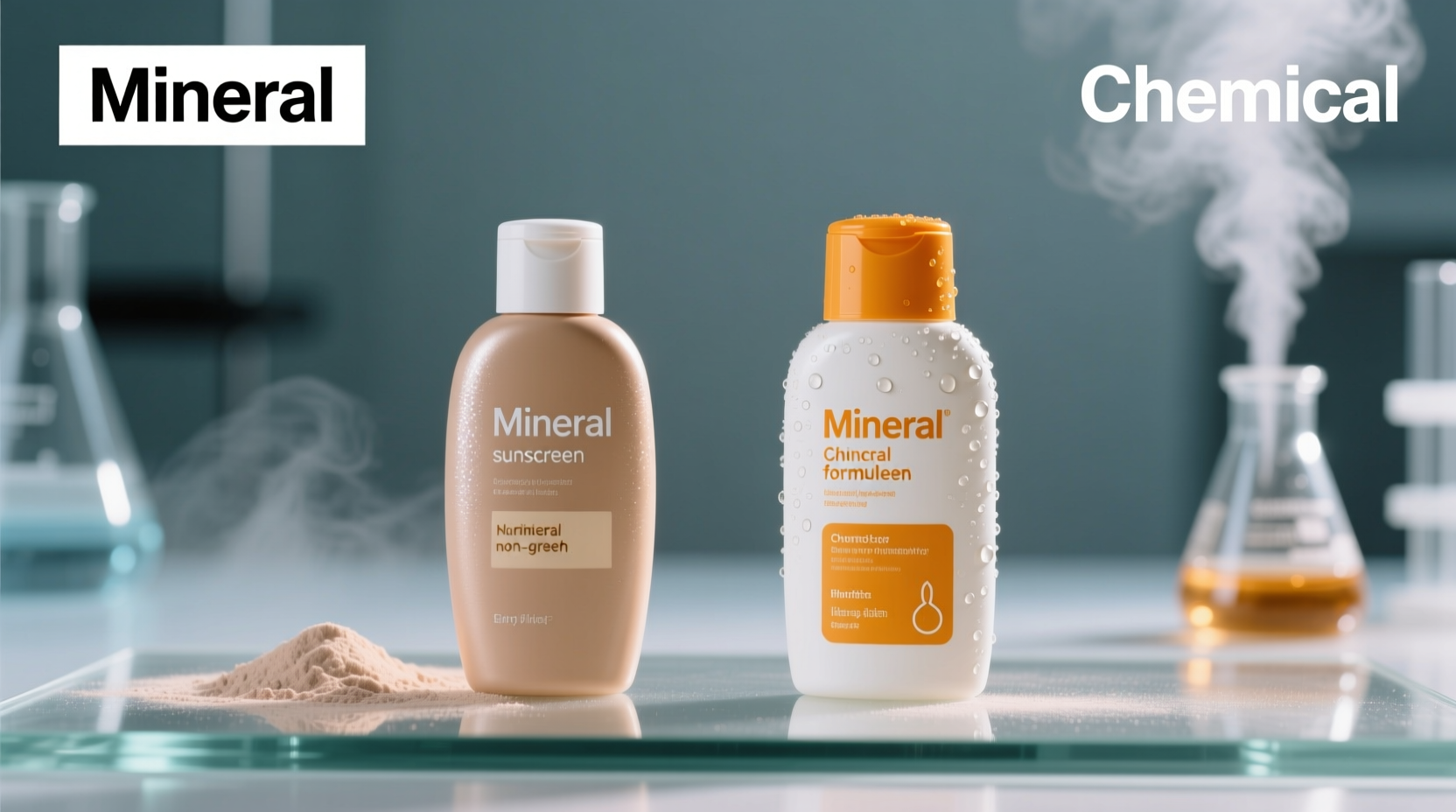
Greasiness in sunscreen doesn't come from UV filters alone—it's the result of emollients, oils, silicones, and stabilizing agents used to deliver active ingredients evenly across the skin. In high humidity, sweat reduces the skin’s ability to evaporate moisture, making heavier textures feel clingy, slick, or even suffocating.
Chemical sunscreens absorb UV rays by penetrating the top layer of skin. To facilitate this absorption, many are formulated with solvents like alcohol denat (which dries quickly) and lightweight esters that enhance spreadability without leaving residue. On the flip side, mineral (physical) sunscreens sit atop the skin, using zinc oxide or titanium dioxide to deflect UV light. These minerals are naturally opaque and often require thicker emulsifiers to prevent clumping—leading to heavier bases that may contribute to a greasier feel.
However, modern formulations have blurred this divide. Some mineral sunscreens now use micronized particles and advanced dispersion technologies to improve texture. Likewise, certain chemical sunscreens incorporate occlusive ingredients like dimethicone for water resistance, inadvertently increasing slip and shine.
Tip: Look for \"non-comedogenic\" and \"oil-free\" labels if you're sensitive to greasiness—especially in humid weather.Texture Showdown: Mineral vs Chemical in Humid Conditions
When comparing user experiences in muggy environments, a consistent trend emerges: many people report that well-formulated chemical sunscreens tend to feel lighter and dry down faster than traditional mineral options.
This isn’t universal—formulation matters more than category—but there’s a reason dermatologists in Southeast Asia, Florida, and other high-humidity regions often recommend fluid-like chemical filters over dense physical blockers.
- Chemical sunscreens often use alcohol-based carriers that evaporate quickly upon application, giving an immediate “dry touch” finish. Ingredients like avobenzone, octinoxate, and oxybenzone dissolve easily into serums, gels, and milks that mimic skincare textures.
- Mineral sunscreens, particularly older or basic versions, rely on creams and lotions to evenly suspend zinc oxide. Without proper processing, these can leave a white cast and a waxy film that traps heat and attracts dust and oil.
That said, newer hybrid mineral formulas use surface-treated zinc oxide and innovative delivery systems (like water-in-oil emulsions) to reduce drag and improve wearability. Brands like Colorescience, Supergoop!, and Beauty of Joseon have developed powder and liquid mineral options designed specifically for hot, humid climates.
Real-World Example: A Week in Miami Summer
Sophia, a landscape architect based in Miami, spends several hours outdoors daily during peak sun months. She used a standard 100% zinc oxide stick sunscreen for six months but found it collected sweat and dirt by midday, creating a gritty, greasy barrier on her forehead and nose. After switching to a chemical SPF 50 fluid with a gel-cream base, she noticed immediate improvement: the product absorbed within 60 seconds, didn’t pill under her sunglasses, and stayed intact through two hours of walking site inspections—even when temperatures hit 94°F with 78% humidity.
“It’s not just about comfort,” she says. “If it feels gross, I skip reapplying. Now I actually do it.”
Formulation Factors That Influence Grease Levels
The active ingredient type—mineral or chemical—is only part of the story. Below are key formulation elements that determine how greasy any sunscreen will feel in humidity:
| Factor | Increases Greasiness | Reduces Greasiness |
|---|---|---|
| Base Type | Heavy creams, ointments | Gels, fluids, sprays |
| Silicones (e.g., dimethicone) | High levels create slickness | Low levels add smoothness without residue |
| Alcohol Content | None = slower drying | Denatured alcohol = fast-drying, matte finish |
| Oils Used | Coconut oil, mineral oil | Squalane, caprylic/capric triglyceride |
| Particle Size (mineral only) | Larger zinc particles = chalkier, thicker | Micronized zinc = smoother blend |
For example, a mineral sunscreen containing 20% zinc oxide suspended in shea butter and coconut oil will likely feel far heavier than a chemical formula with homosalate and octisalate in an alcohol-based serum—even though both claim “broad-spectrum” protection.
“Texture compliance is real. If a sunscreen feels uncomfortable, people won’t use it consistently—and inconsistent use defeats the purpose.” — Dr. Lena Torres, Board-Certified Dermatologist, Miami Skin Institute
Choosing the Right Sunscreen for Humid Climates
Selecting a non-greasy sunscreen in humid conditions requires looking beyond marketing claims like “lightweight” or “invisible.” Instead, follow a strategic approach focused on ingredients, format, and real-world testing.
Step-by-Step Guide to Picking a Low-Grease Sunscreen
- Identify your preferred format: Gels, sprays, and milky lotions typically absorb faster than creams or sticks.
- Scan the first five ingredients: If you see alcohol (denat), butylene glycol, or water as primary components, it’s likely to dry down quickly.
- Avoid comedogenic oils: Steer clear of coconut oil, cocoa butter, or lanolin if you’re acne-prone or sweat heavily.
- Check for mattifying agents: Look for silica, perlite, or clay, which help control shine post-application.
- Test before committing: Apply a small amount on your jawline and wait 10 minutes in a warm room. Does it pill? Feel tacky? Leave a white cast?
- Reapply realistically: Consider whether you’ll actually reapply after sweating. Powder sunscreens or blot-on sticks may be more practical midday.
Recommended Non-Greasy Options by Type
- Best Lightweight Chemical: La Roche-Posay Anthelios Clear Skin Dry Touch Gel (SPF 60) – contains alcohol and silica for instant dry-down.
- Best Hybrid Mineral: Supergoop! Zinc Screen (SPF 40) – uses non-nano zinc in a whipped, fast-absorbing base.
- Best for Oily Skin: Isntree Hyaluronic Acid Watery Sun Gel – combines chemical filters with hydrating actives and zero greasy afterfeel.
- Best Powder Option: Colorescience Sunforgettable Total Protection Brush-On Shield – ideal for reapplication over makeup without adding layers.
Common Myths About Grease and Sun Protection
Several misconceptions cloud judgment when choosing sunscreens for humid environments. Debunking them leads to smarter decisions:
- Myth: “Mineral sunscreens are always safer and gentler.”
Reality: While mineral options are less likely to cause stinging in sensitive eyes, their thick consistency can clog pores and exacerbate breakouts in humid climates. - Myth: “Greasy sunscreens offer better protection.”
Reality: Protection depends on correct application and reapplication—not texture. Lightweight gels can provide full UVA/UVB coverage when used properly. - Myth: “Alcohol in sunscreen damages the skin.”
Reality: While excessive alcohol can be drying, moderate amounts in leave-on products aid rapid drying and reduce microbial growth—especially useful in moist environments.
Frequently Asked Questions
Can mineral sunscreens be non-greasy?
Yes, but formulation is critical. Modern mineral sunscreens using micronized zinc, water-based emulsions, and mattifying powders can feel nearly weightless. Avoid thick balms or opaque pastes if you dislike grease.
Do chemical sunscreens really cause more breakouts?
Not necessarily. Breakouts are more often linked to pore-clogging additives (like certain oils or silicones) than to UV filters themselves. Many chemical sunscreens are non-comedogenic and suitable for acne-prone skin.
How can I reapply sunscreen without adding more grease?
Use powder or spray sunscreens for touch-ups. Alternatively, blot excess oil with a tissue before reapplying a lightweight gel or mist. Some compact powders with SPF work well over makeup.
Final Checklist Before You Buy
- ✅ Fast absorption time (under 90 seconds)
- Ensures comfort during outdoor activity.
- ✅ Oil-free and non-comedogenic labeling
- Reduces risk of clogged pores and shine buildup.
- ✅ Contains mattifying ingredients (silica, clay, rice starch)
- Helps counteract humidity-induced oiliness.
- ✅ Water-resistant (40–80 minutes)
- Essential for sweating or swimming, though may require gentle cleansing afterward.
- ✅ No heavy botanical oils or waxes
- Prevents unwanted greasiness in heat.
Conclusion: Comfort Equals Consistency
In humid conditions, the difference between using sunscreen every day and skipping it often comes down to sensory experience. While mineral sunscreens offer valuable benefits—especially for sensitive or reactive skin—their traditional formulations often fall short in terms of texture and wearability under heat and sweat.
Chemical sunscreens, particularly those engineered as gels, fluids, or sprays, generally provide a drier, lighter feel that aligns better with comfort needs in muggy climates. However, innovation has also elevated mineral options, making it possible to find physical blockers that don’t feel heavy or greasy.
The bottom line: prioritize formulation over category. Read ingredient lists, test samples, and choose products that support long-term adherence. Because no matter how safe or eco-friendly a sunscreen claims to be, its real-world effectiveness hinges on whether you’re willing to wear it—every single day.
🚀 Ready to upgrade your sun protection routine? Try a sample of a lightweight chemical or advanced mineral formula this week—and notice the difference humidity-resistant design makes. Share your go-to non-greasy pick in the comments below.








