
Body temperature is a vital sign that reflects how well the body maintains its internal balance. While most people are familiar with fever as a sign of illness, an abnormally low body temperature—known as hypothermia or, in milder cases, subnormal thermoregulation—can be just as concerning. A reading below the typical 98.6°F (37°C) isn't always dangerous, but certain thresholds signal the need for immediate attention. Understanding what constitutes a dangerously low temperature, along with its potential causes and risks, can help individuals respond appropriately and prevent serious complications.
What Is Considered a Low Body Temperature?
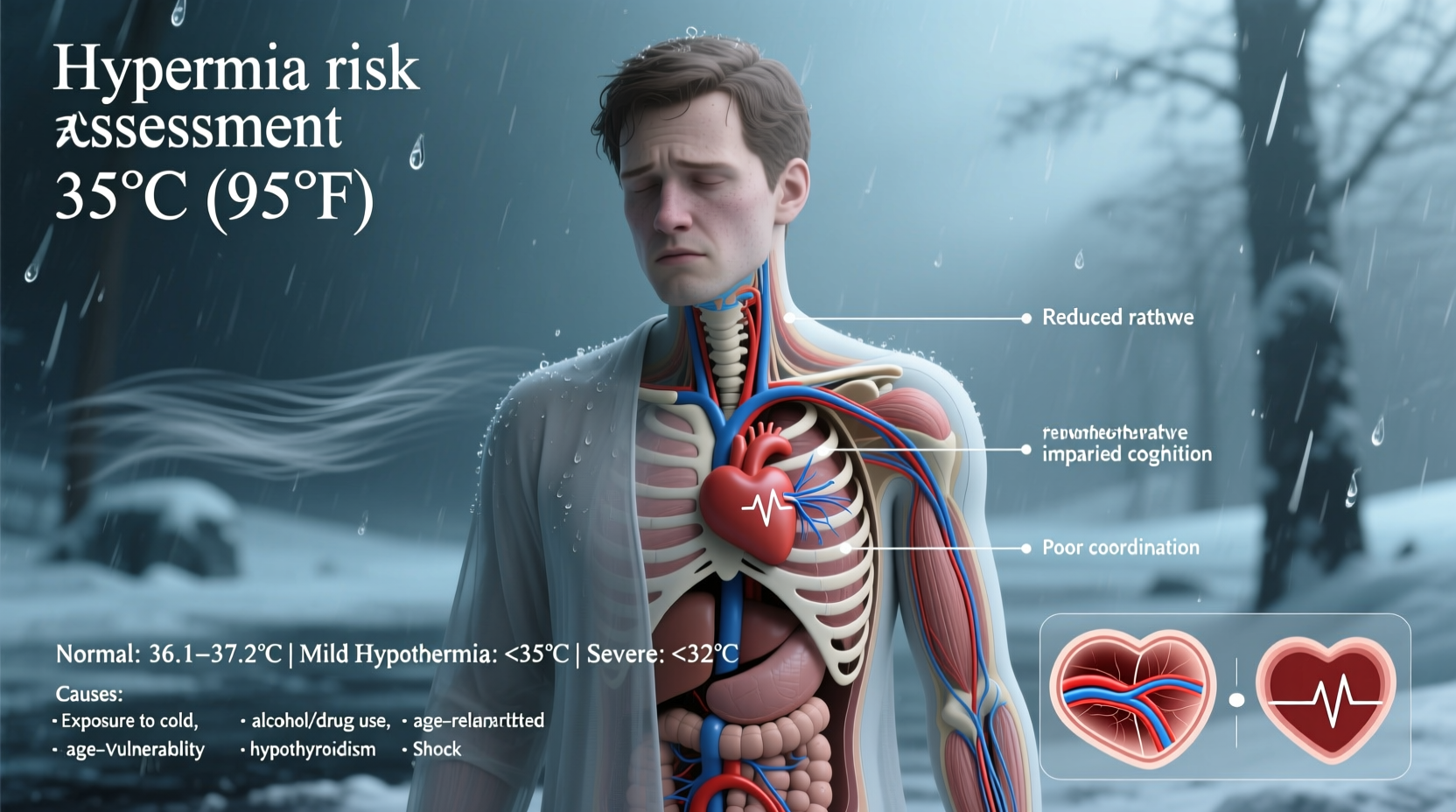
The average human body temperature is approximately 98.6°F (37°C), though normal fluctuations between 97°F (36.1°C) and 99°F (37.2°C) are common throughout the day. A temperature is generally considered \"too low\" when it drops below 95°F (35°C). At this point, the condition is classified as hypothermia—a medical emergency where the body loses heat faster than it can produce it.
Mild hypothermia begins at 95°F, progressing into moderate (90–95°F) and severe (<90°F) stages. Each stage brings increasing risk to organ function, neurological response, and cardiovascular stability.
Tip: Always use a reliable thermometer when checking for low body temperature, especially in elderly individuals or infants who may not show obvious symptoms.Potential Causes of Low Body Temperature
Low body temperature doesn’t occur in isolation. It’s often the result of environmental exposure, underlying health conditions, or physiological changes. The following are among the most common causes:
- Exposure to cold environments: Prolonged time in cold weather, wet clothing, or immersion in cold water accelerates heat loss.
- Hypothyroidism: An underactive thyroid reduces metabolic rate, impairing the body’s ability to generate heat.
- Infections: Paradoxically, some severe infections—especially in older adults—can cause abnormally low temperatures instead of fever.
- Diabetes and hypoglycemia: Low blood sugar can interfere with energy production needed for warmth.
- Shock: Circulatory failure from trauma, sepsis, or heart attack disrupts temperature regulation.
- Medications: Sedatives, antipsychotics, beta-blockers, and alcohol can depress the central nervous system and dilate blood vessels, promoting heat loss.
- Malnutrition or low body fat: Insufficient caloric intake or reduced insulation increases vulnerability to cold.
- Age-related factors: Infants and older adults have less effective thermoregulation due to immature or declining metabolic systems.
“Hypothermia is not just a winter hazard—it can develop indoors in frail elderly patients living in poorly heated homes.” — Dr. Alan Reyes, Emergency Medicine Specialist
Recognizing Symptoms by Severity Level
Symptoms of low body temperature progress gradually, making early detection critical. The table below outlines key signs across stages of hypothermia:
| Stage | Temperature Range | Common Symptoms |
|---|---|---|
| Mild Hypothermia | 90–95°F (32–35°C) | Shivering, fatigue, confusion, increased heart rate, rapid breathing |
| Moderate Hypothermia | 82–90°F (28–32°C) | Slurred speech, slow pulse, shallow breathing, poor coordination, drowsiness |
| Severe Hypothermia | Below 82°F (28°C) | No shivering, unconsciousness, very weak pulse, apparent lack of breathing, risk of cardiac arrest |
Notably, shivering may stop in severe cases, giving a false impression that the person is stable. This is a dangerous misconception—absence of shivering at extremely low temperatures indicates worsening condition.
Special Risk Groups: Who Is Most Vulnerable?
Certain populations face higher risks of developing low body temperature due to biological or situational factors:
- Elderly individuals: Aging reduces fat stores, slows metabolism, and diminishes the sensation of cold. Chronic illnesses and medications further compound risk.
- Infants and newborns: Babies lose heat quickly due to large surface area relative to body mass and underdeveloped temperature control mechanisms.
- People with mental health conditions: Those experiencing depression, substance use disorders, or dementia may neglect self-care or wear inadequate clothing.
- Outdoor workers and adventurers: Hikers, fishermen, and construction workers exposed to cold environments without proper gear are at elevated risk.
- Malnourished or homeless individuals: Lack of food, shelter, and dry clothing creates ideal conditions for hypothermia.
Mini Case Study: Late-Night Fall in Winter
An 82-year-old woman with hypothyroidism and mild dementia fell at home during a winter night. She was unable to get up and remained on a cool tile floor for several hours before being found by a neighbor. When paramedics arrived, her core temperature was 91.4°F (33°C). Despite no visible injuries, she exhibited slurred speech and confusion. She was transported to the hospital, warmed gradually using IV fluids and heated blankets, and recovered after two days. This case illustrates how indoor falls—even without outdoor exposure—can lead to clinically significant hypothermia in vulnerable individuals.
When to Seek Medical Help
Any temperature below 95°F should be treated as a medical concern. Immediate action is necessary if the individual shows altered mental status, shallow breathing, or weak pulse. In suspected hypothermia:
- Call emergency services immediately.
- Move the person to a warm, dry environment if possible.
- Remove wet clothing and cover with blankets.
- Do not apply direct heat (e.g., hot water bottles or heating pads) to the skin, as this can cause arrhythmias.
- Avoid rough movements—hypothermic hearts are prone to fibrillation.
- If conscious, offer warm (not hot) non-alcoholic, non-caffeinated drinks.
Prevention Checklist
To reduce the risk of low body temperature, follow these practical steps:
- ✅ Dress in layers during cold weather, including moisture-wicking base layers.
- ✅ Keep homes heated to at least 68°F (20°C), especially for elderly residents.
- ✅ Monitor chronic health conditions like diabetes and thyroid disorders regularly.
- ✅ Avoid alcohol consumption in cold environments—it increases heat loss.
- ✅ Check on elderly neighbors or relatives during cold snaps.
- ✅ Use warm sleeping bags or blankets during camping or power outages.
- ✅ Recognize early signs like shivering, numbness, or fatigue as warnings.
Frequently Asked Questions
Can you have a low body temperature and still feel fine?
Yes, especially in older adults or those with chronic conditions, a slightly low temperature (e.g., 96°F) might not cause noticeable symptoms. However, persistent readings below 97°F warrant evaluation by a healthcare provider to rule out underlying issues like infection or hormonal imbalance.
Is low body temperature ever normal?
In some cases, yes. Baseline temperatures vary between individuals. Some healthy people naturally run cooler, particularly in the morning or with lower metabolic rates. But a sudden drop or temperatures below 95°F are never normal and require assessment.
Can stress or anxiety cause low body temperature?
Not directly. However, chronic stress can weaken the immune system and affect thyroid function over time, indirectly influencing temperature regulation. More commonly, anxiety leads to sensations of coldness due to vasoconstriction, even when core temperature remains stable.
Conclusion: Stay Informed, Stay Warm
Low body temperature is more than just discomfort—it can be a silent threat, especially for vulnerable populations. Recognizing what’s considered too low (below 95°F), understanding possible causes ranging from environmental exposure to medical conditions, and knowing how to respond can make a life-saving difference. Prevention through awareness, appropriate clothing, and regular health monitoring is key. If you or someone you know exhibits signs of hypothermia, act swiftly and seek professional care.
💬 Have you or someone you know experienced unexplained drops in body temperature? Share your story or questions in the comments to help build awareness and support others facing similar concerns.








