
For many men, sexual performance is tied closely to self-esteem and intimacy. When ejaculation occurs within a minute of penetration—often before desired—it can lead to frustration, embarrassment, and strain on relationships. Premature ejaculation (PE) is one of the most common male sexual concerns, affecting up to 30% of men at some point in their lives. Despite its prevalence, it remains widely misunderstood. This article explores the physiological and psychological dimensions of PE, evidence-based interventions, and practical steps toward greater control and satisfaction.
What Is Premature Ejaculation?
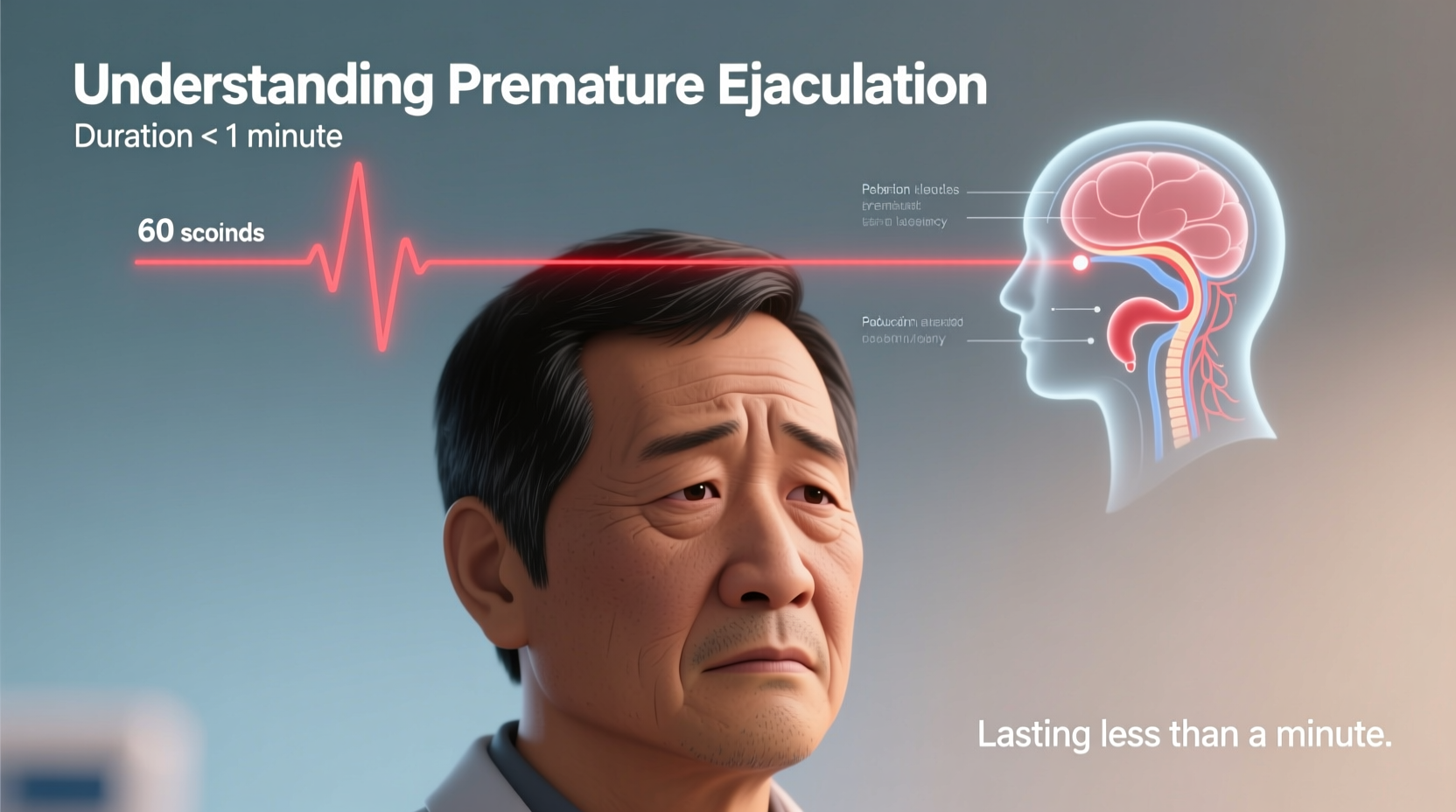
Premature ejaculation is defined by the International Society of Sexual Medicine as ejaculation that occurs within approximately one minute of vaginal penetration, consistently, over a period of at least six months, and results in personal distress. It’s important to distinguish between lifelong (primary) PE, which begins from the first sexual experiences, and acquired (secondary) PE, which develops after a period of normal function.
Lifelong PE tends to be more persistent and may have strong biological underpinnings. Acquired PE is often linked to stress, relationship issues, or underlying health conditions such as prostate inflammation, thyroid disorders, or erectile dysfunction.
Tip: If you consistently ejaculate within one minute and feel distressed about it, you’re not alone—and help is available.Biological and Psychological Causes
PE arises from a complex interplay of factors. While no single cause explains every case, research highlights several key contributors:
- Serotonin levels: Lower activity in serotonin receptors, particularly 5-HT2C, is associated with reduced ejaculatory control. This is why selective serotonin reuptake inhibitors (SSRIs) are sometimes prescribed off-label.
- Genetic predisposition: Some studies suggest a hereditary component, with men reporting family patterns of early ejaculation.
- Penile hypersensitivity: Increased sensitivity in the glans or shaft may lower the threshold for ejaculation.
- Anxiety and performance pressure: Fear of failure or overthinking during sex can create a feedback loop that accelerates climax.
- Relationship dynamics: Unresolved conflict, lack of communication, or emotional distance can manifest physically in the bedroom.
“Premature ejaculation is rarely just a physical issue. It sits at the intersection of biology, psychology, and relational health.” — Dr. Alan Hirsch, Clinical Sexologist
Evidence-Based Treatment Approaches
Effective management of PE typically involves a combination of behavioral techniques, medical options, and psychological support. The best outcomes come from personalized, multimodal strategies.
Behavioral Techniques
These methods focus on increasing awareness and control over arousal levels:
- The Start-Stop Method: During masturbation or intercourse, stimulation is paused just before the point of inevitability. After arousal subsides, activity resumes. Repeating this trains better recognition of arousal thresholds.
- The Squeeze Technique: Just before ejaculation, the partner or individual applies firm pressure to the base of the penis for 10–30 seconds, reducing arousal. This interrupts the ejaculatory reflex.
- Sensate Focus Exercises: These involve non-goal-oriented touching and exploration with a partner, gradually rebuilding comfort and reducing performance anxiety.
Medical Interventions
In cases where behavioral methods aren’t sufficient, medical options may be considered under professional supervision:
| Option | How It Works | Considerations |
|---|---|---|
| Topical Anesthetics (e.g., lidocaine sprays) | Reduce penile sensitivity | May reduce sensation for partner; use with condom |
| Oral SSRIs (e.g., dapoxetine, sertraline) | Increase serotonin, delaying ejaculation | Dapoxetine is FDA-approved for PE; others used off-label |
| Phosphodiesterase-5 inhibitors (e.g., sildenafil) | Improve erectile control, indirectly helping timing | Only effective if ED is also present |
Real-Life Example: Mark’s Journey
Mark, a 34-year-old teacher, began experiencing PE after a stressful job transition. He had always performed well sexually, but started noticing he was climaxing within 45 seconds, even when anxious. Embarrassed, he avoided intimacy, which strained his marriage.
After consulting a urologist, Mark learned his PE was likely secondary, triggered by stress and compounded by avoidance. His treatment plan included weekly cognitive-behavioral therapy (CBT), daily mindfulness practice, and using the start-stop technique during solo sessions. Within three months, his average time increased to over four minutes, and he reported improved connection with his wife.
His story illustrates that PE is often reversible with consistent effort and the right support.
Practical Checklist for Managing Premature Ejaculation
To regain control and improve sexual confidence, consider implementing the following actions:
Checklist:- Track your current ejaculation latency (use a stopwatch discreetly if needed)
- Practice pelvic floor exercises (Kegels) daily to strengthen ejaculatory control muscles
- Introduce the start-stop method during masturbation, 3 times per week
- Engage in open conversation with your partner about expectations and feelings
- Schedule a consultation with a urologist or sexual health specialist if distress persists
- Reduce alcohol and caffeine intake, especially before sexual activity
- Incorporate mindfulness or breathing techniques to manage arousal
Frequently Asked Questions
Is premature ejaculation the same as erectile dysfunction?
No. While both are common sexual concerns, they are distinct. Erectile dysfunction refers to difficulty achieving or maintaining an erection, whereas premature ejaculation involves normal erections but early climax. However, they can coexist, and treating one may improve the other.
Can lifestyle changes really make a difference?
Yes. Regular exercise, quality sleep, stress reduction, and limiting stimulants all contribute to better sexual regulation. Pelvic floor muscle strength, in particular, has been shown in clinical studies to correlate with improved ejaculatory control.
Do condoms help with lasting longer?
Some men find that thicker condoms or those with numbing agents (like benzocaine) reduce sensitivity and delay ejaculation. However, these should be used cautiously, as excessive desensitization can diminish pleasure for both partners.
Taking Control: A Path Forward
Struggling with ejaculation that lasts less than a minute doesn’t mean you’re broken or abnormal. It means you’re human, navigating a complex system influenced by nerves, hormones, emotions, and experience. The good news is that PE is highly treatable—not through quick fixes, but through informed, consistent effort.
Start by reframing the issue: this isn’t about performance, but about intimacy, communication, and self-awareness. Whether through behavioral training, medical guidance, or emotional work with a partner, progress is possible. Many men go from feeling helpless to regaining full control within weeks or months.
“Sexual confidence isn’t built in a single act. It’s rebuilt through small, courageous steps.” — Dr. Lena Patel, Couples Therapist
Conclusion
Understanding premature ejaculation begins with compassion—not judgment. Lasting less than a minute may feel discouraging, but it’s a starting point, not a life sentence. With accurate knowledge, proven techniques, and willingness to engage with the process, meaningful improvement is within reach.
💬 Your experience matters. If this resonates with you, consider sharing your thoughts or questions below. You’re not alone, and every conversation helps break the silence around men’s sexual health.








