
An itchy sensation in the inner corner of the eye is a surprisingly common complaint, often dismissed as minor irritation. However, persistent or recurring itching can signal underlying conditions ranging from allergies to chronic dry eye. Left unaddressed, the urge to rub the area may lead to redness, swelling, or even infection. Understanding what’s behind the itch—and how to respond—is essential for lasting relief and long-term eye health.
Common Causes of Inner Eye Corner Itching
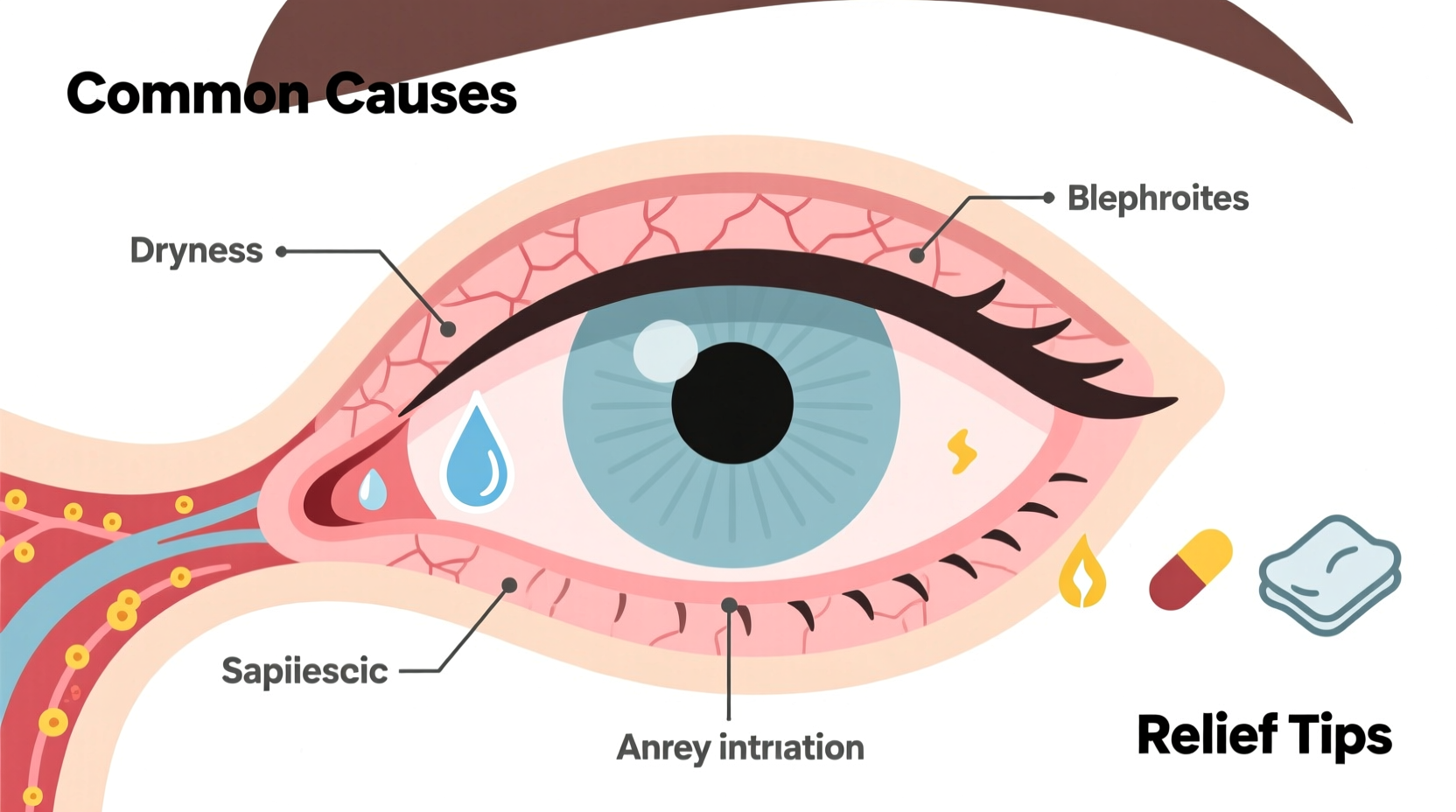
The inner corner of the eye, where the upper and lower eyelids meet near the nose (known as the medial canthus), contains delicate skin and sensitive tissues. This area is prone to irritation due to its proximity to tear ducts, facial hair follicles, and exposure to environmental elements.
Several factors can trigger itching in this region:
- Allergic conjunctivitis: Seasonal or perennial allergens like pollen, dust mites, pet dander, or mold spores cause the immune system to release histamines, leading to itching, redness, and watery eyes—often worst in the inner corners.
- Dry eye syndrome: Insufficient tear production or poor tear quality can leave the eyes feeling gritty and itchy, particularly in low-humidity environments or after prolonged screen use.
- Blepharitis: A chronic inflammation of the eyelid margins, often caused by bacterial overgrowth or skin conditions like rosacea. Crusting, burning, and itching at the base of the lashes—including the inner corner—are typical symptoms.
- Dacryocystitis: Infection or blockage of the tear drainage system (nasolacrimal duct) can cause swelling, tenderness, and itching near the inner eye, sometimes accompanied by discharge.
- Skin conditions: Eczema or seborrheic dermatitis affecting the eyelids can lead to flaky, itchy skin around the eyes.
- Irritants: Makeup, contact lens solutions, smoke, chlorine in pools, or even certain skincare products can provoke localized allergic reactions or chemical irritation.
- Foreign bodies: Tiny particles like dust or eyelash fragments trapped near the tear duct can create a persistent tickling or itching sensation.
“Persistent inner eye itching should never be ignored. It’s often the first sign of an inflammatory or allergic process that, if managed early, can prevent complications.” — Dr. Lena Torres, Ophthalmologist and Dry Eye Specialist
Effective Relief Strategies and Home Care
While occasional itching may resolve on its own, targeted relief methods can reduce discomfort and speed recovery. The key is identifying whether the cause is allergic, infectious, or environmental.
Tip: Avoid rubbing your eyes—even gently—as this can worsen inflammation, introduce bacteria, and damage delicate skin.Cold Compress Application
Applying a clean, cold compress to closed eyes for 5–10 minutes helps constrict blood vessels, reducing swelling and numbing itch signals. Use a soft cloth soaked in chilled water or wrap ice cubes in a thin towel. Repeat 2–3 times daily during flare-ups.
Artificial Tears
Preservative-free lubricating eye drops can flush out allergens and soothe dryness. Look for formulations labeled “for sensitive eyes” and avoid those with vasoconstrictors (which reduce redness but don’t treat root causes).
Hygiene Practices
Gently cleansing the eyelids with a diluted baby shampoo solution on a cotton swab can remove crusts and oils contributing to blepharitis. Rinse thoroughly with lukewarm water.
Do’s and Don’ts: Managing Itchy Inner Eye Corners
| Action | Recommendation |
|---|---|
| Use hypoallergenic makeup | Do: Choose fragrance-free, ophthalmologist-tested cosmetics to minimize irritation. |
| Wear contact lenses during flare-ups | Don’t: Switch to glasses until symptoms resolve to avoid trapping irritants. |
| Apply warm compresses | Do: For blepharitis—warm (not hot) compresses help loosen debris and open oil glands. |
| Share towels or eye products | Don’t: Prevent cross-contamination, especially if infection is suspected. |
| Use over-the-counter antihistamine drops | Do (short-term): These can relieve allergy-related itching, but prolonged use may cause rebound redness. |
Step-by-Step Guide to Immediate Relief
If you're experiencing acute itching in the inner eye corner, follow this practical sequence to address both symptoms and potential triggers:
- Stop rubbing immediately. Rubbing increases histamine release and risks corneal abrasion.
- Rinse eyes with saline. Flush the area using sterile saline solution to remove allergens or irritants.
- Apply a cold compress. Use for 5–10 minutes to calm inflammation.
- Use preservative-free artificial tears. Apply one drop per eye every 2–4 hours as needed.
- Evaluate recent exposures. Consider new skincare products, detergents, or environmental changes (e.g., new pet, dusty room).
- Discontinue eye makeup. Allow the area to breathe and heal without added chemical load.
- Monitor for worsening signs. If pain, vision changes, pus-like discharge, or swelling develop within 24–48 hours, seek medical evaluation.
When to See a Doctor
Most cases of mild inner eye itching resolve within a few days with home care. However, professional assessment is crucial when:
- Itching persists beyond a week despite treatment
- There is yellow or green discharge indicating infection
- Pain, light sensitivity, or blurred vision develops
- The eyelid becomes swollen or forms a bump (possible stye or chalazion)
- Only one eye is affected, suggesting a localized issue like dacryocystitis
A healthcare provider may prescribe antibiotic ointments for bacterial infections, steroid drops for severe inflammation (used cautiously), or antihistamine medications for persistent allergies.
Mini Case Study: Sarah’s Seasonal Reaction
Sarah, a 34-year-old teacher, began experiencing intense itching in her right inner eye corner each spring. She initially attributed it to fatigue but noticed it coincided with blooming trees and increased nasal congestion. Over-the-counter allergy pills provided partial relief, but the eye remained irritated.
After visiting an allergist, she underwent skin testing and was diagnosed with tree pollen allergy. Her doctor recommended starting a non-sedating antihistamine two weeks before pollen season and using ketotifen eye drops twice daily. Within three days of beginning treatment, her symptoms improved dramatically. By avoiding outdoor activities during peak pollen times and wearing wraparound sunglasses, she reduced recurrence significantly the following year.
Prevention Checklist
Reduce the risk of future episodes with these proactive steps:
- ✅ Wash hands frequently, especially before touching your face
- ✅ Replace eye makeup every 3–6 months to prevent bacterial buildup
- ✅ Clean eyeglasses regularly with gentle soap and water
- ✅ Keep windows closed during high pollen seasons
- ✅ Use a humidifier in dry indoor environments, especially in winter
- ✅ Follow proper contact lens hygiene: clean, store, and replace as directed
- ✅ Shower before bed to rinse off allergens collected during the day
Frequently Asked Questions
Can stress cause itchy eyes?
Stress doesn’t directly cause itchy eyes, but it can weaken the immune system and exacerbate existing conditions like dry eye or eczema, making symptoms worse. Additionally, stress may increase unconscious eye-rubbing, further irritating the area.
Is it safe to use antihistamine eye drops every day?
Some antihistamine eye drops, like ketotifen, are approved for daily use and are generally safe for up to 12 weeks. However, long-term use of certain formulas—especially those combined with decongestants—can lead to rebound redness or dependency. Always consult a doctor before extended use.
Why does only one eye itch?
Asymmetrical itching can result from localized irritation, such as a foreign body, uneven exposure to allergens (e.g., sleeping position), or early-stage infection. If unilateral symptoms persist, medical evaluation is advised to rule out structural issues like blocked tear ducts.
Take Control of Your Eye Comfort
Itchy inner eye corners are more than just a nuisance—they’re a signal from your body that something needs attention. Whether the cause is seasonal, environmental, or related to an underlying condition, timely action makes all the difference. With consistent hygiene, smart prevention habits, and informed use of relief strategies, you can maintain comfort and protect your vision.
💬 Have you found a remedy that works for your eye itching? Share your experience in the comments to help others find relief.








