
Itchy fingers—especially deep within the skin or beneath the surface—can be more than a minor annoyance. Unlike surface-level irritation, internal itching in the fingers may signal an underlying condition, from dry skin to systemic health issues. While occasional itchiness is common, persistent or worsening symptoms should not be ignored. Understanding what triggers this sensation, how to find immediate relief, and what steps to take for long-term prevention can make a significant difference in daily comfort and overall well-being.
Common Causes of Internal Finger Itching
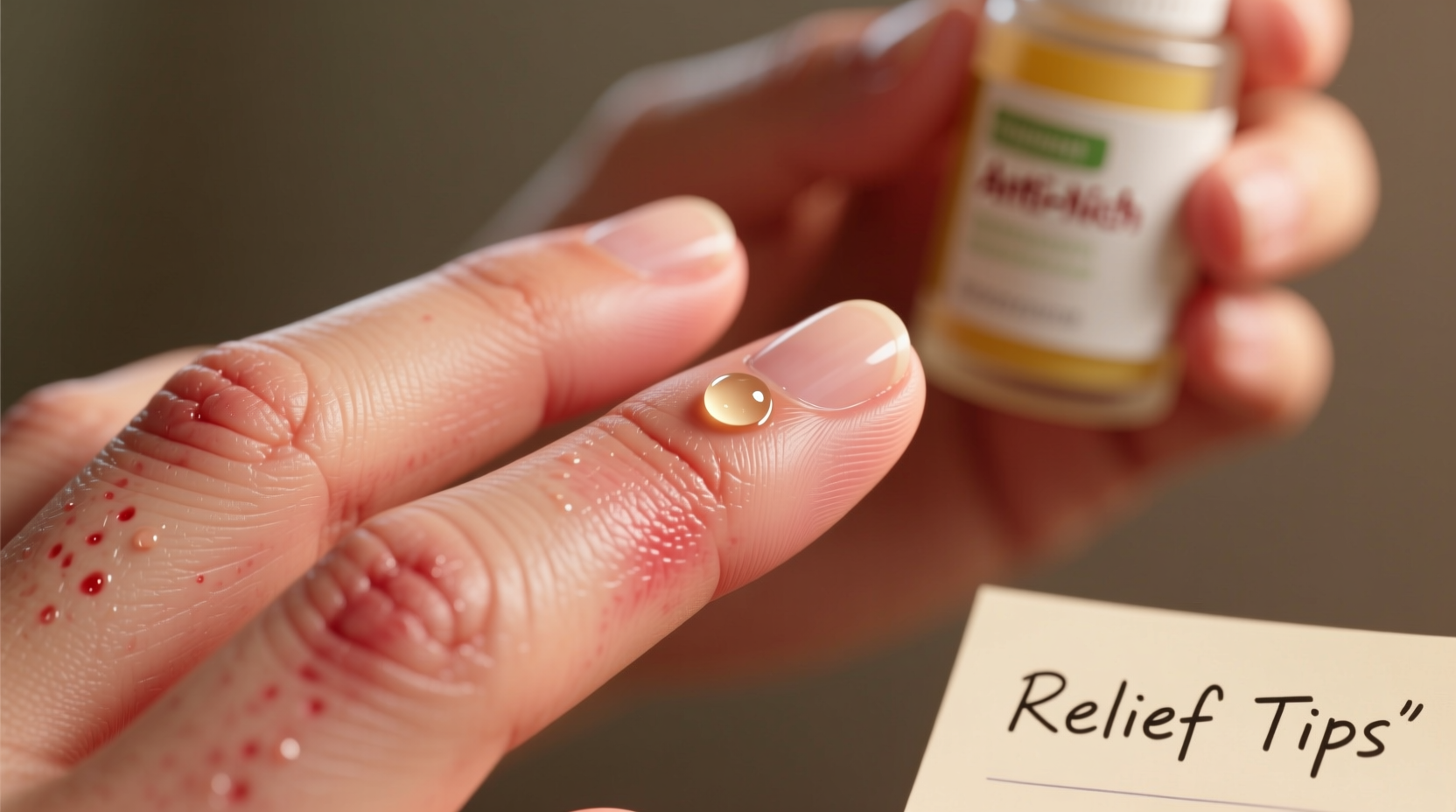
Itchiness felt \"inside\" the fingers often originates below the skin's surface and may be accompanied by tingling, burning, or numbness. Several factors contribute to this sensation, ranging from environmental exposure to medical conditions.
- Dry Skin (Xerosis): One of the most frequent culprits, especially during winter months or in low-humidity environments. Dry skin can cause tightness and deep-seated itching that feels like it’s coming from within the fingers.
- Contact Dermatitis: Exposure to irritants such as cleaning agents, soaps, latex gloves, or metals like nickel can trigger allergic or irritant reactions that manifest as internal itching.
- Eczema (Atopic Dermatitis): A chronic condition causing inflamed, itchy skin. In some cases, the itch begins beneath the skin and worsens at night.
- Nerve-Related Issues: Conditions like carpal tunnel syndrome, diabetic neuropathy, or vitamin B12 deficiency can cause abnormal nerve signals leading to deep itching, tingling, or pins-and-needles sensations.
- Circulatory Problems: Poor blood flow due to Raynaud’s disease or other vascular conditions may result in unusual sensations, including internal itching.
- Fungal Infections: Though typically associated with toes, fungal infections can affect fingers, especially between digits, creating a deep, persistent itch.
Immediate Relief Strategies
When the urge to scratch becomes overwhelming, targeted relief methods can soothe the discomfort without aggravating the skin or nerves further.
- Cool Compress Application: Wrap ice in a clean cloth and apply it to the affected fingers for 5–10 minutes. The cold reduces inflammation and numbs nerve endings responsible for itch signals.
- Moisturize Deeply: Use a fragrance-free, thick moisturizer containing ceramides, glycerin, or shea butter. Apply immediately after handwashing while skin is still damp to lock in hydration.
- Topical Anti-Itch Creams: Over-the-counter hydrocortisone cream (1%) can reduce localized inflammation and itching caused by dermatitis or eczema. Use for no more than seven days unless directed by a doctor.
- Oatmeal Soak: Soak hands in lukewarm water with colloidal oatmeal for 15 minutes. Oats have anti-inflammatory properties that calm irritated skin and relieve deep itch.
- Avoid Scratching: Scratching damages the skin barrier and can lead to infection. Instead, gently tap or massage the area to interrupt the itch-scratch cycle.
“Persistent internal itching in the hands shouldn’t be dismissed. It can be a sign of neurological or metabolic imbalance.” — Dr. Lena Torres, Neurologist and Peripheral Nerve Specialist
Prevention Tips for Long-Term Comfort
Preventing recurrence requires consistent habits and awareness of personal triggers. Integrating preventive measures into your daily routine helps maintain healthy skin and nerve function.
| Do | Don’t |
|---|---|
| Wear cotton-lined gloves when using cleaning products | Use harsh soaps with sulfates or fragrances |
| Apply moisturizer 2–3 times daily, especially after washing hands | Wash hands with hot water frequently |
| Maintain indoor humidity above 40% in dry climates | Leave wet gloves on for extended periods |
| Take breaks from repetitive hand movements (typing, gripping) | Ignore numbness or tingling alongside itching |
| Stay hydrated and eat a balanced diet rich in omega-3s and B vitamins | Skip meals or rely on processed foods long-term |
Dietary Support for Skin and Nerve Health
Nutrition plays a crucial role in maintaining both skin integrity and nerve function. Deficiencies in certain nutrients are linked to increased itch sensitivity and peripheral nerve dysfunction.
- Vitamin B12: Essential for nerve health. Found in fish, eggs, dairy, and fortified cereals.
- Omega-3 Fatty Acids: Reduce inflammation and support skin barrier function. Sources include flaxseeds, chia seeds, walnuts, and fatty fish.
- Zinc: Supports skin repair and immune response. Found in pumpkin seeds, legumes, and shellfish.
- Vitamin E: An antioxidant that protects skin cells. Available in almonds, sunflower oil, and spinach.
Real-Life Scenario: Office Worker with Persistent Itching
Sarah, a 34-year-old administrative assistant, began experiencing deep itching in her right index and middle fingers after switching to a new hand sanitizer at work. Initially dismissing it as dryness, she noticed the itch worsened at night and was accompanied by slight numbness. She started wearing cotton gloves under latex ones during cleaning duties and switched to a fragrance-free moisturizer. After two weeks with no improvement, she consulted a dermatologist. Patch testing revealed a mild allergy to propylene glycol—a common ingredient in sanitizers. By eliminating exposure and using a prescription topical treatment, her symptoms resolved within three weeks.
This case highlights how seemingly minor changes in product use can trigger internal itching, especially in individuals with sensitivities. Early intervention and proper diagnosis prevented long-term complications.
Step-by-Step Guide to Managing Itchy Fingers
Follow this six-step approach to effectively manage and prevent recurring internal finger itch:
- Identify Triggers: Track when the itching occurs—after handwashing, typing, exposure to chemicals, or at rest.
- Switch to Gentle Products: Replace scented soaps and alcohol-heavy sanitizers with hypoallergenic, pH-balanced alternatives.
- Hydrate Skin Daily: Apply a thick moisturizer morning and night. Reapply after any water exposure.
- Protect Hands: Wear gloves when handling detergents, solvents, or cold weather elements.
- Monitor for Other Symptoms: Note any accompanying pain, swelling, discoloration, or weakness in the hands.
- Consult a Specialist: If itching persists beyond two weeks or spreads, see a dermatologist or neurologist for evaluation.
FAQ
Can stress cause itchy fingers?
Yes. Stress can exacerbate conditions like eczema and psoriasis, which may lead to internal itching. Additionally, stress influences nervous system activity, potentially amplifying itch signals even without visible skin changes.
Why do my fingers itch more at night?
Nighttime itching is common due to reduced external distractions, allowing the brain to focus on sensory signals. Body temperature rises slightly at night, increasing blood flow to the skin and potentially intensifying itch. Dry air from heating systems can also worsen symptoms.
Is internal itching a sign of diabetes?
It can be. High blood sugar levels over time damage peripheral nerves, leading to diabetic neuropathy. Early signs include tingling, burning, or deep itching in the hands and feet. Anyone with risk factors for diabetes should seek medical evaluation if these symptoms appear.
Final Thoughts and Call to Action
Internal finger itching is more than just a passing discomfort—it can reflect deeper skin, nerve, or systemic health concerns. By understanding the root causes, applying targeted relief techniques, and adopting preventive habits, you can regain control over your comfort and hand function. Don’t wait until symptoms escalate. Small changes in hygiene, protection, and lifestyle can yield lasting improvements.
🚀 Start today: Replace one harsh hand product with a gentle alternative, apply moisturizer before bed, and track your symptoms for a week. Your hands deserve care that goes beyond the surface.








