For people struggling with acne, the quest for clearer skin often leads to experimenting with various cleansing methods. One common habit—washing the face with hot water—seems like a quick way to deep clean pores and remove oil. But does it actually help, or could it be making breakouts worse? The answer isn’t as straightforward as it seems. While hot water may feel effective in the moment, its long-term impact on acne-prone skin can be more harmful than beneficial. Understanding how temperature affects your skin barrier, sebum production, and inflammation is key to making informed decisions about your skincare routine.
The Science of Skin and Temperature
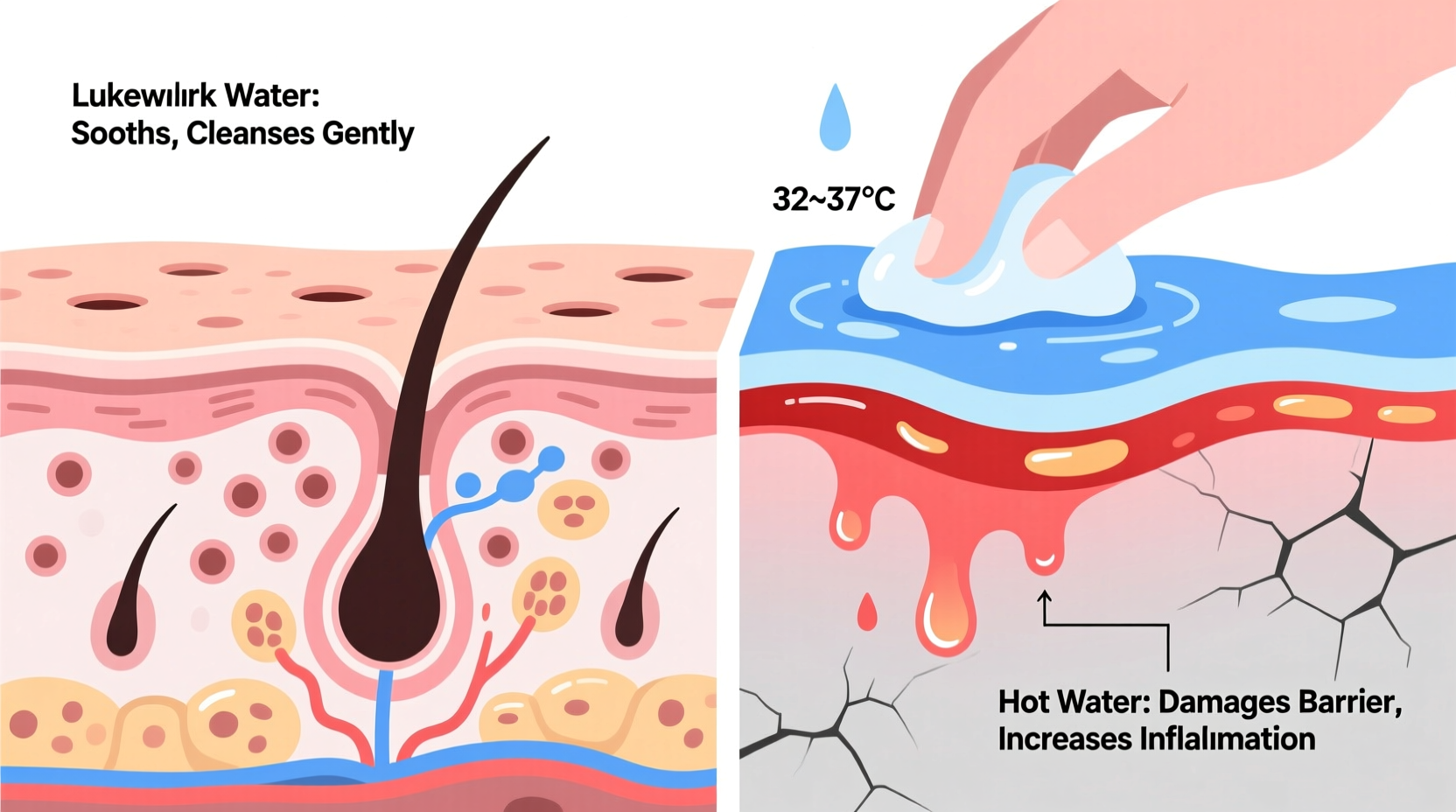
Skin is a dynamic organ that responds immediately to external stimuli, including water temperature. The outermost layer, the stratum corneum, acts as a protective barrier made up of lipids, proteins, and natural moisturizing factors. This barrier regulates hydration, defends against bacteria, and prevents irritants from penetrating deeper layers.
When exposed to hot water, blood vessels dilate, increasing circulation and creating a temporary sensation of cleanliness. However, prolonged or frequent exposure disrupts the skin’s lipid matrix. Hot water strips away essential oils and compromises the integrity of the moisture barrier. For acne-prone individuals, this weakening can trigger increased sebum production as the skin attempts to compensate for dryness—an ironic response that may lead to more clogged pores and breakouts.
“While warmth can enhance product penetration, excessive heat damages the skin’s natural defenses. For acne patients, maintaining barrier health is just as important as treating active lesions.” — Dr. Lena Patel, Board-Certified Dermatologist
Why Hot Water Feels Effective (But Isn’t)
Many people associate hot water with deep cleaning. Steam from showers opens pores slightly, and the sensation of heat can make you feel like dirt and oil are being “melted” away. In reality, pores don’t open and close like doors—they’re not muscles. What heat does do is temporarily loosen sebum and debris, which might explain why skin feels smoother right after a hot wash.
However, this benefit is short-lived. Research shows that water above 40°C (104°F) begins to degrade ceramides and fatty acids critical to skin resilience. A 2020 study published in *Clinical, Cosmetic and Investigational Dermatology* found that participants who used warm-to-hot water daily experienced higher transepidermal water loss (TEWL), leading to drier, more reactive skin within two weeks.
In acne-prone individuals, this imbalance creates a vicious cycle: stripped barrier → compensatory oil overproduction → clogged follicles → inflammation → new pimples.
Tip: If your skin feels tight or looks flushed after washing, the water is too hot.Do’s and Don’ts of Cleansing Acne-Prone Skin
| Do | Don’t |
|---|---|
| Use lukewarm water (around 32–35°C / 90–95°F) | Wash with hot or steaming water |
| Limit face-washing to twice daily | Overwash in an attempt to control oil |
| Gently pat skin dry with a soft towel | Rub or scrub vigorously after washing |
| Apply non-comedogenic moisturizer immediately after cleansing | Skip moisturizer thinking it will reduce breakouts |
| Choose gentle, sulfate-free cleansers | Use bar soaps or harsh foaming agents high in pH |
A Realistic Case: Sarah’s Breakout Cycle
Sarah, a 24-year-old graphic designer, had struggled with hormonal acne along her jawline for years. She believed she needed to “scrub hard and use hot water” to keep her oily T-zone under control. Her morning routine included a steamy 10-minute shower followed by splashing her face with near-scalding water and using a gritty facial scrub.
Despite using prescription topical retinoids, her skin remained inflamed, flaky, and prone to new breakouts. After consulting a dermatologist, she learned that her cleansing method was undermining her treatment. The heat was irritating her follicles, increasing redness, and causing micro-tears that allowed bacteria to penetrate.
Her dermatologist advised switching to lukewarm water, eliminating physical scrubs, and incorporating a ceramide-based moisturizer. Within six weeks, Sarah noticed reduced irritation, fewer new pimples, and better tolerance of her acne medication. The change wasn’t in her products—it was in her water temperature and technique.
How to Wash Your Face Correctly with Acne-Prone Skin
Changing your cleansing habits doesn't require drastic measures. Small adjustments can yield significant improvements in clarity and comfort. Follow this step-by-step guide for optimal results:
- Test the water temperature. Run water over your wrist or inner forearm. It should feel warm but not hot—similar to baby bottle temperature.
- Wet your face gently. Avoid direct high-pressure streams. Cup hands and splash lightly.
- Apply cleanser with fingertips. Use a pea-sized amount of a mild, non-comedogenic formula. Massage in circular motions for no more than 30 seconds.
- Rinse thoroughly but briefly. Spend no more than 10–15 seconds rinsing to minimize exposure.
- Pat dry with a clean towel. Do not rub. Let skin air-dry for 30 seconds before proceeding to next steps.
- Apply treatment products. Wait until skin is slightly damp to lock in hydration with serums or spot treatments.
- Moisturize immediately. Even oily, acne-prone skin needs hydration to maintain balance.
The Role of Humidity and Environment
Water temperature isn’t the only factor. Environmental conditions play a role in how your skin reacts during cleansing. In dry climates or heated indoor spaces, hot water exacerbates dehydration. Conversely, in humid environments, some may mistakenly believe they need hotter water to “cut through sweat,” but this only increases irritation.
Consider timing your face wash outside of long, hot showers. Steam increases skin permeability, making it more vulnerable to heat damage. Instead, wash your face at the sink with controlled water flow and temperature.
Additionally, hard water—high in minerals like calcium and magnesium—can interact poorly with cleansers, leaving a film that clogs pores. If you live in a hard water area, consider installing a filter or using micellar water for evening cleansing to reduce mineral buildup.
Expert-Backed Alternatives to Hot Water Cleansing
If you're looking for deeper cleaning without the risks of heat, dermatologists recommend safer alternatives:
- Double cleansing: Start with an oil-based cleanser to dissolve sunscreen and sebum, followed by a water-based one at lukewarm temperature.
- Cleansing wipes (used sparingly): Opt for alcohol-free, dermatologist-tested options for travel or post-workout cleanup.
- Warm compresses: For blackheads or inflamed cysts, apply a warm (not hot) damp cloth for 3–5 minutes to encourage natural drainage without trauma.
- Facial steaming (with caution): Limit to once a week, keep the bowl at arm’s length, and cap session time at 5 minutes. Always follow with a soothing serum and moisturizer.
“Patients often overlook the cumulative effect of heat. It’s not just one hot wash—it’s the repeated exposure that leads to compromised barriers and reactive acne.” — Dr. Marcus Lin, Clinical Skincare Researcher
FAQ: Common Questions About Water Temperature and Acne
Can hot water kill acne-causing bacteria?
No. While extreme heat can destroy bacteria, the temperatures required would burn human skin. Regular hot water from taps does not eliminate *Cutibacterium acnes* (the primary bacteria involved in acne). Effective antibacterial action comes from ingredients like benzoyl peroxide or salicylic acid, not water heat.
Is cold water better for acne than hot?
Cold water can reduce swelling and tighten the appearance of pores temporarily, but it’s not superior for cleansing. It may not effectively dissolve oil or remove makeup. Lukewarm water remains the ideal compromise—effective for cleaning without irritation.
Should I rinse off acne treatments with hot water?
No. Topical medications like retinoids, azelaic acid, or antibiotics are designed for sensitive, often compromised skin. Rinsing with hot water increases stinging, peeling, and redness. Always use lukewarm water when applying or removing leave-on treatments.
Building a Sustainable Acne-Friendly Routine
Clear skin isn’t achieved through aggressive tactics but through consistency, gentleness, and science-backed choices. Replacing hot water with lukewarm alternatives is a simple yet powerful shift. Pair this with non-irritating products, regular moisturization, and sun protection to support long-term improvement.
Remember: healthy skin isn’t stripped or squeaky-clean—it’s balanced, resilient, and functioning optimally. By respecting your skin’s natural ecosystem, you create the conditions for fewer breakouts and greater confidence.
💬 Have you changed your water temperature and seen results? Share your experience below and help others navigate their acne journey with smarter, gentler choices.








