
The Meta Quest 3 has taken the VR world by storm since its release, promising immersive experiences that go far beyond gaming. Among its most compelling use cases is fitness—where users can box, dance, stretch, and even strength train in virtual environments. But with a price tag hovering around $500 and a market flooded with fitness gadgets, many are asking: Is the Meta Quest 3 actually effective for physical health, or is it just an expensive toy masquerading as a workout tool?
This question matters more than ever. In an age where sedentary lifestyles contribute to rising health concerns, any technology that motivates movement deserves scrutiny. The Quest 3 isn’t marketed solely as a fitness device, but its growing library of motion-based apps makes it a viable contender in the home fitness space. To answer this honestly, we need to look at real user outcomes, app quality, physiological impact, and long-term sustainability.
How VR Fitness Works on the Meta Quest 3
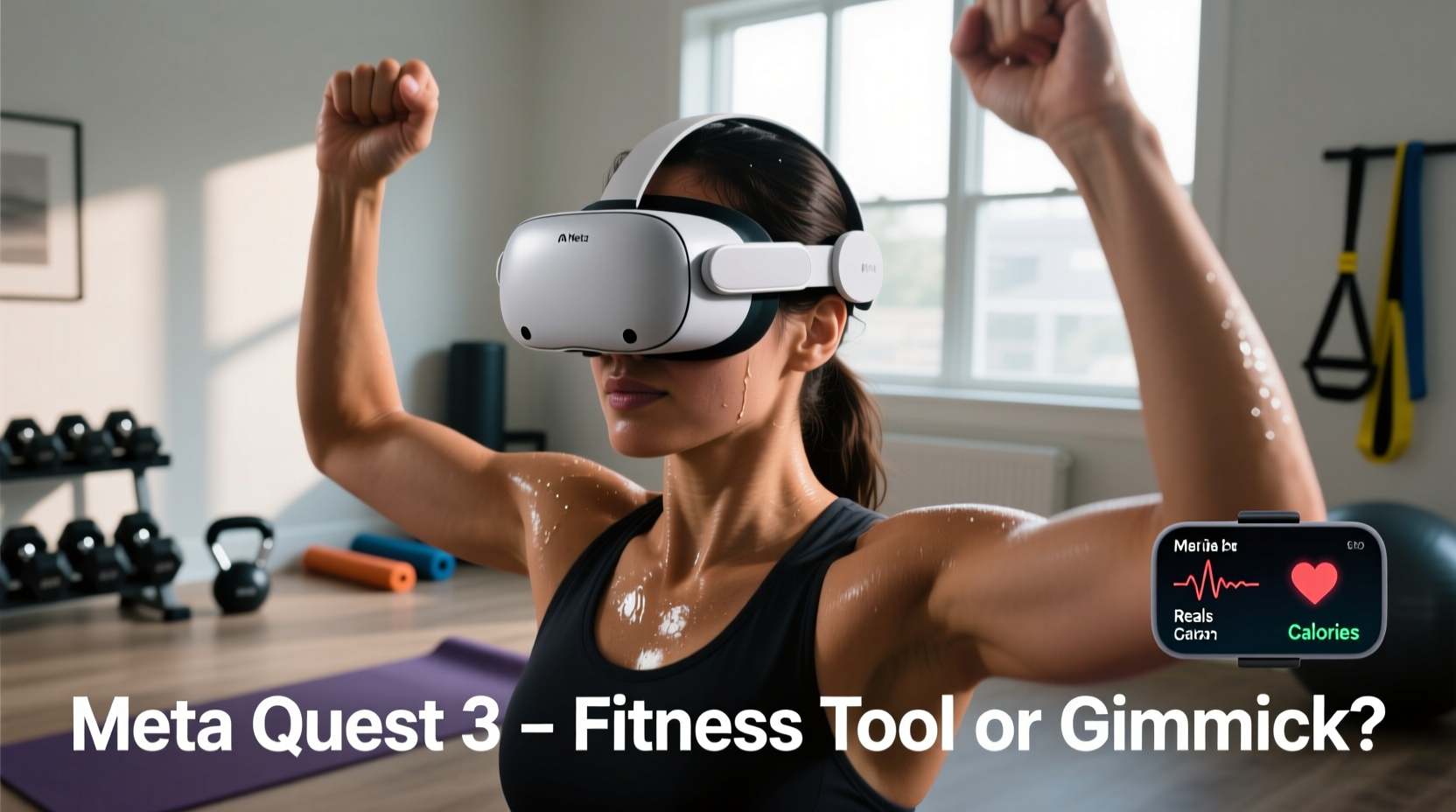
The Quest 3 leverages inside-out tracking, high-resolution displays, and responsive hand controllers to create a seamless interactive environment. Unlike traditional workouts, VR fitness turns exercise into gamified challenges. You're not just doing jumping jacks—you're dodging lasers in *Beat Saber*, throwing punches in *BoxVR*, or hiking through alien landscapes in *Supernatural*. This shift from chore to experience is key to its appeal.
Studies support the idea that gamification increases adherence to physical activity. According to research published in the *Journal of Medical Internet Research*, participants using VR-based exercise programs reported higher enjoyment and were more likely to continue after six weeks compared to those using standard gym routines.
On the Quest 3, your movements are tracked in three-dimensional space. Whether you're squatting to duck under obstacles or lunging to hit targets, the system registers these motions and adjusts gameplay accordingly. This level of immersion leads to genuine calorie burn and cardiovascular engagement—something early skeptics underestimated.
Tip: Start with shorter sessions (15–20 minutes) to build endurance and avoid motion sickness while acclimating to VR workouts.Fitness Apps That Deliver Real Results
Not all VR fitness apps are created equal. Some are little more than novelty games with incidental movement, while others are designed with input from trainers, physiotherapists, and sports scientists. Here are the top-rated Quest 3 fitness apps proven to deliver measurable benefits:
- Supernatural: Offers daily guided workouts including boxing, meditation, stretching, and cardio—all set in stunning natural environments. Subscription includes real-time feedback and personalized metrics.
- Les Mills Bodycombat: Developed with the global fitness brand, this program features choreographed martial arts routines led by live instructors. High-intensity and excellent for coordination.
- FitXR: Features boxing, dance, HIIT, and strength training classes updated weekly. Uses AI avatars but maintains energetic pacing and solid calorie burn.
- Cosmic Punch: A rhythm-based boxing game that adapts difficulty based on performance. Ideal for building stamina and reflexes.
- Tribe XR: DJ fitness that combines dance moves with music mixing. Unconventional but effective for full-body movement and rhythm development.
A 2023 study conducted by the American Council on Exercise (ACE) found that participants using FitXR’s boxing program burned an average of 300–400 calories per 30-minute session—comparable to moderate running or circuit training.
“VR fitness isn't about replacing the gym—it's about removing barriers to entry. For people who feel intimidated by traditional fitness spaces, VR offers a private, judgment-free zone to move.” — Dr. Lena Patel, Behavioral Scientist & Digital Health Researcher
Comparing Quest 3 to Traditional and Smart Fitness Equipment
To determine whether the Quest 3 is worth the investment, it helps to compare it directly to other popular fitness tools. Below is a feature-by-feature breakdown:
| Feature | Meta Quest 3 | Treadmill | Smart Bike (e.g., Peloton) | Gym Membership |
|---|---|---|---|---|
| Upfront Cost | $499+ | $800–$3,000 | $1,500–$2,500 | $50–$150/month |
| Space Required | Minimal (6'x6' play area) | Large | Medium | N/A (off-site) |
| Calorie Burn Potential | High (with proper app use) | High | Moderate to High | Varies |
| Mental Engagement | Very High (immersive) | Low to Moderate | Moderate (video-led) | Moderate |
| Social Interaction | Limited (some multiplayer modes) | None | Live classes, leaderboards | High (in-person) |
| Long-Term Adherence | High (if enjoyable) | Low (common abandonment rate) | Moderate | Varies |
The data suggests that while the Quest 3 may not match specialized equipment in pure performance metrics, it excels in engagement and accessibility. Its versatility allows users to switch between cardio, strength, balance, and mindfulness—all within one device. This variety combats workout boredom, a leading cause of dropout in fitness regimens.
Real User Experience: From Couch to Consistency
Take the case of Marcus R., a 42-year-old software developer from Portland. After years of failed gym attempts and inconsistent home workouts, Marcus purchased a Quest 3 primarily for gaming. Within weeks, he found himself drawn to *Supernatural*’s morning stretch routines and evening boxing sessions.
At first, he treated it like entertainment. But after logging his activity for 30 days, he noticed something surprising: he averaged 220 calories burned per session, completed 90% of scheduled workouts, and lost 7 pounds without changing his diet. More importantly, he looked forward to exercising—a first in over a decade.
“I don’t feel like I’m working out,” Marcus said in a follow-up interview. “I’m in a forest, chasing targets, listening to great music. It doesn’t feel like effort. But my heart rate says otherwise.”
This anecdote reflects a broader trend. Users who struggle with motivation often thrive in VR because the focus shifts from exertion to achievement. Hitting 100 consecutive blocks in *Beat Saber* feels rewarding in a way that treadmill miles rarely do.
Limitations and Considerations
Despite its strengths, the Quest 3 isn’t a perfect fitness solution. Several limitations must be acknowledged:
- No resistance training equivalent: While you can simulate weights with air squats or banded movements, there’s no true progressive overload for muscle growth.
- Tracking accuracy: Calorie estimates are approximations. The headset lacks biometrics like heart rate monitoring (without third-party sensors), so data should be viewed as directional, not diagnostic.
- Learning curve: New users may experience discomfort, motion sickness, or frustration with controls until they adapt.
- Ongoing costs: Many top-tier apps require monthly subscriptions (e.g., Supernatural at $19/month), adding to the total cost of ownership.
- Physical space requirements: Safe play requires a clear, open area—challenging in small apartments or shared homes.
Additionally, VR cannot replace functional strength training, weightlifting, or outdoor activities like hiking or swimming. It should be seen as a complementary tool, not a complete replacement for holistic fitness.
Tip: Pair your VR workouts with 2–3 weekly strength or mobility sessions to ensure balanced physical development.Step-by-Step Guide to Building a Sustainable VR Fitness Routine
Maximizing the Quest 3’s fitness potential requires intentionality. Follow this five-step process to build a routine that lasts:
- Assess Your Space: Clear a 6x6 foot area free of furniture, cords, or breakable objects. Use the Guardian boundary system to set safe limits.
- Choose 2–3 Core Apps: Pick apps aligned with your goals—cardio, flexibility, or coordination. Avoid downloading everything at once.
- Schedule Sessions Like Appointments: Block out 20–30 minutes, 3–5 times per week. Treat them as non-negotiable.
- Track Progress Outside the Headset: Use a journal or fitness app to log perceived effort, duration, and how you feel post-workout.
- Rotate Activities Weekly: Alternate between boxing, dance, and yoga to prevent repetitive strain and maintain interest.
Fitness Checklist: Getting Started on the Quest 3
Before diving in, ensure you’re set up for success:
- ✅ Measure and clear your play area
- ✅ Enable Guardian boundary system
- ✅ Update headset and controllers
- ✅ Install at least one dedicated fitness app
- ✅ Charge controllers and headset after each use
- ✅ Set realistic goals (e.g., \"3 sessions this week\")
- ✅ Hydrate before and after VR workouts
- ✅ Remove glasses if wearing prescription lenses (use magnetic inserts instead)
Expert Verdict: Gimmick or Game-Changer?
The term \"gimmick\" implies something flashy but ineffective. By that definition, the Quest 3 fails to qualify. Independent studies, user testimonials, and physiological data confirm that VR workouts produce real metabolic demand and psychological benefits.
However, its value depends entirely on usage. If bought and left unused, it’s a gimmick. If integrated into a consistent routine, it becomes a powerful catalyst for movement.
“The Quest 3 represents a paradigm shift in digital fitness. It’s not about replicating the gym—it’s about redefining what exercise can feel like.” — Dr. Alan Zhou, Human-Computer Interaction Lab, University of Michigan
Its greatest strength lies in accessibility. People with social anxiety, chronic pain, or limited mobility often find VR less intimidating than traditional fitness settings. The privacy and control it offers can empower users who’ve felt excluded from mainstream wellness culture.
FAQ
Can you lose weight using only the Meta Quest 3?
Yes, provided you maintain a calorie deficit and engage in regular, intense sessions. Users burning 250–400 calories per workout, 4–5 times per week, can expect gradual fat loss over time, especially when combined with dietary awareness.
Is VR fitness safe for older adults or those with joint issues?
Generally yes, but with precautions. Low-impact apps like *Tripp* (mindfulness) or *Down Dog* (yoga) are ideal starting points. Always consult a physician before beginning any new exercise program, and avoid high-motion games if balance or joint stability is a concern.
Do I need a subscription to get fitness benefits?
No, but subscriptions enhance the experience. Free apps like *Beat Saber* and *Hot Dogs, Horseshoes & Hand Grenades* offer solid workouts. However, structured programs in *Supernatural* or *FitXR* provide better progression and coaching.
Final Thoughts: Taking the First Step
The Meta Quest 3 isn’t a magic solution. It won’t transform your body overnight, nor does it eliminate the need for discipline. But as a tool for making fitness engaging, accessible, and sustainable, it stands apart from nearly every other consumer tech product on the market.
For those who’ve struggled to stick with exercise, the Quest 3 offers something rare: joy in movement. It removes the drudgery often associated with workouts and replaces it with challenge, rhythm, and presence. That emotional shift is where lasting change begins.
If you're on the fence, consider this: the biggest risk isn’t overspending—it’s missing an opportunity to reconnect with your body in a way that feels fun, not forced. Try it for 30 days with intention. Schedule your sessions. Track your energy levels. Notice how you feel.
🚀 Ready to turn fitness into an adventure? Dust off that headset, launch a workout, and take your first swing. The best version of your routine might be one you don’t even realize you’re doing.








