Sleeping habits influence far more than just energy levels and mood—they can also play a significant role in skin health. One increasingly discussed topic is whether sleeping naked benefits the skin or contributes to breakouts. While it may seem like a minor lifestyle choice, the decision to wear pajamas or go au naturel at night interacts with body temperature, sweat production, hormone regulation, and even microbiome balance—all of which affect the skin. Dermatologists and sleep scientists have begun to weigh in, offering nuanced answers based on individual physiology and environmental factors.
The relationship between sleepwear and skin condition isn't black and white. For some, shedding clothes at bedtime leads to clearer, healthier skin. For others, it may introduce new challenges like increased friction, exposure to allergens, or bacterial transfer from bedding. Understanding the science behind these effects—and how they apply to your personal routine—is key to making an informed decision.
The Skin’s Nighttime Cycle: Why Sleep Matters
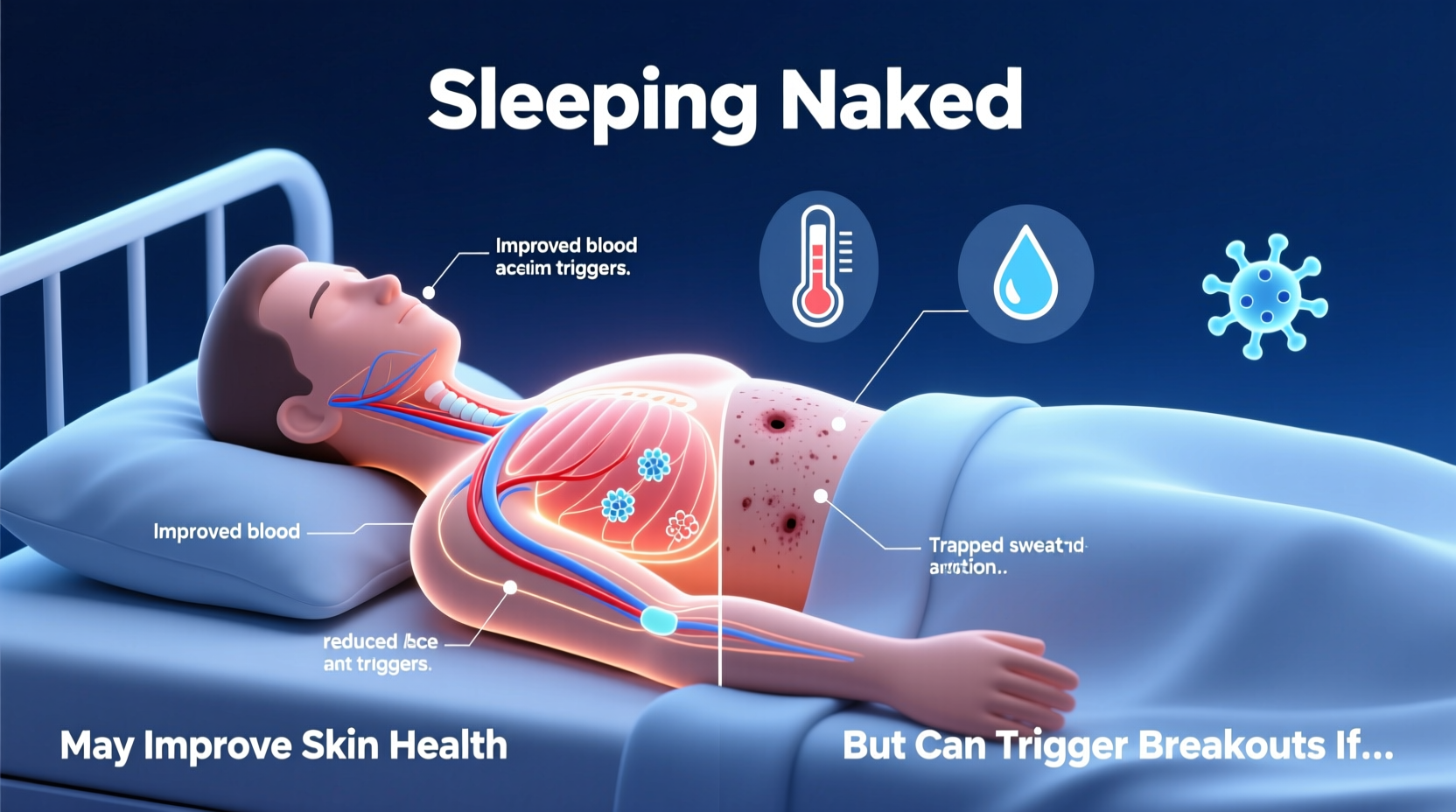
During sleep, the skin enters a critical repair phase. Blood flow increases, delivering oxygen and nutrients that support collagen production and cell turnover. This nightly renewal process helps heal damage from UV exposure, pollution, and daily stressors. However, this regeneration depends heavily on optimal conditions—temperature, moisture, and minimal irritation.
Body temperature naturally drops during sleep, especially in the first few hours of deep rest. Wearing tight or non-breathable clothing can interfere with this cooling process, trapping heat and sweat against the skin. Excess moisture creates a breeding ground for bacteria, including Propionibacterium acnes, a common contributor to acne. Overheating has also been linked to inflammation and transepidermal water loss (TEWL), which weakens the skin barrier and increases sensitivity.
Going without clothing allows for greater air circulation, helping regulate skin temperature and reduce humidity buildup. This can be particularly beneficial for individuals with oily or acne-prone skin. However, the advantages depend on external factors such as bedding material, room climate, and personal hygiene practices.
Tip: Keep bedroom temperature between 60–67°F (15–19°C) to support natural thermoregulation and minimize nighttime sweating.Benefits of Sleeping Naked for Skin Health
For many people, sleeping without clothes offers several dermatological advantages:
- Improved Air Circulation: Direct airflow reduces moisture accumulation, lowering the risk of clogged pores and fungal growth.
- Better Temperature Regulation: Cooler skin supports balanced sebum production, reducing oiliness that can lead to breakouts.
- Reduced Friction: Without fabric rubbing against sensitive areas (like underarms, chest, or back), irritation and micro-tears are minimized.
- Enhanced Intimacy & Stress Reduction: Skin-to-skin contact with a partner boosts oxytocin, which lowers cortisol—a hormone linked to inflammation and acne flare-ups.
- Support for Hormonal Balance: Cooler testicular temperatures in men improve sperm quality and testosterone production, indirectly influencing skin health through hormonal equilibrium.
A 2020 study published in *Sleep Medicine Reviews* found that participants who slept in cooler environments with minimal clothing reported fewer instances of facial oiliness and body acne over a six-week period. Researchers attributed this to improved autonomic nervous system function and reduced nocturnal hyperhidrosis (excessive sweating).
“Allowing the skin to breathe freely at night mimics its natural state and supports the body’s innate repair mechanisms.” — Dr. Lena Patel, Board-Certified Dermatologist
Potential Risks: When Going Commando Might Cause Breakouts
Despite its benefits, sleeping naked isn’t universally ideal. Certain conditions can turn this habit into a trigger for skin issues:
- Dirty Bedding: If sheets aren’t changed regularly, dead skin cells, oils, and bacteria accumulate. Without a layer of clothing acting as a barrier, the face and body come into direct contact with these contaminants.
- Allergens and Irritants: Dust mites, laundry detergents, or fabric softeners lingering in bedding can provoke contact dermatitis or folliculitis when skin is fully exposed.
- Increased Friction with Sheets: Rough fabrics like low-thread-count cotton or synthetic blends may cause micro-abrasions, especially on delicate areas like the inner thighs or lower back.
- Overcooling: In cold environments, shivering and vasoconstriction can reduce blood flow to the skin, impairing recovery and leading to dryness or flakiness.
In one clinical observation, a 28-year-old patient experienced recurrent chest and shoulder breakouts after switching to sleeping naked. Upon investigation, the issue was traced not to nudity itself, but to infrequent sheet changes (every three weeks) and the use of a scented detergent. Once she began washing her linens weekly with fragrance-free soap and wore lightweight cotton sleepwear, her breakouts subsided.
Mini Case Study: Sarah’s Back Acne Journey
Sarah, a 32-year-old graphic designer, struggled with persistent bacne despite using medicated washes and avoiding heavy lotions. She decided to try sleeping naked, believing it would “let her skin breathe.” Within two weeks, her condition worsened. A dermatological consultation revealed that her satin pillowcase, while smooth, retained sebum and hair products. Combined with nightly exposure, this created a perfect environment for pore blockage. The solution? She resumed wearing loose, breathable bamboo pajamas and switched to hypoallergenic, high-thread-count cotton sheets. Her skin cleared within a month.
Do’s and Don’ts: Making the Right Choice for Your Skin Type
| Skin Type | Do | Don’t |
|---|---|---|
| Oily / Acne-Prone | Sleep naked in a cool room with clean, breathable bedding | Use silk or satin sheets that trap oils; skip laundry routines |
| Dry / Sensitive | Wear soft, moisture-wicking pajamas; use a humidifier | Expose skin to rough fabrics or cold drafts overnight |
| Combination | Try nude sleeping seasonally (e.g., summer); monitor reactions | Assume one method works year-round without adjustments |
| Eczema / Rosacea | Maintain consistent sleepwear to protect compromised barriers | Introduce sudden changes without patch testing bedding materials |
How to Optimize Your Night Routine—Nude or Not
Whether you choose to sleep naked or wear pajamas, the following steps can maximize skin health:
- Wash Bedding Weekly: Use fragrance-free, dye-free detergent and avoid fabric softeners, which leave residues that irritate pores.
- Choose Breathable Fabrics: If wearing sleepwear, opt for natural fibers like organic cotton, TENCEL™, or bamboo. These wick moisture and resist bacterial growth.
- Keep Nails Trimmed: Long fingernails can scratch the skin during sleep, introducing bacteria and causing micro-injuries that lead to inflammation.
- Shower Before Bed (When Possible): Removing makeup, sunscreen, and pollutants prevents them from transferring to pillows and sheets.
- Hydrate Skin Strategically: Apply moisturizer 20–30 minutes before bed to allow absorption. Avoid heavy creams if sleeping nude in warm rooms, as they may mix with sweat and clog pores.
- Monitor Room Conditions: Use a hygrometer to check humidity levels (ideal: 40–60%) and adjust accordingly with fans, AC, or humidifiers.
“The best sleepwear is the one that supports your skin’s needs without compromising comfort or hygiene.” — Dr. Marcus Reed, Clinical Sleep Specialist
FAQ
Can sleeping naked help with hormonal acne?
Potentially. By promoting better sleep quality and lower body temperature, sleeping naked may help regulate hormones like cortisol and insulin, both of which influence sebum production. However, results vary, and it should be combined with a proper skincare regimen and dietary balance for maximum effect.
Does going nude increase the risk of fungal infections?
Only if hygiene is poor. Fungal organisms like Candida thrive in warm, moist environments. If you sweat heavily at night and don’t change damp sheets regularly, the risk increases—whether clothed or not. Regular laundering and moisture-wicking bedding reduce this risk significantly.
Is silk safe for sleeping naked?
Silk feels luxurious and causes less friction, but it’s not inherently “better” for skin. It retains oils and can harbor bacteria if not washed frequently. If sleeping naked on silk, wash pillowcases every 2–3 days and consider a removable cotton liner for added breathability.
Checklist: Is Sleeping Naked Right for Your Skin?
- ☐ I change my sheets at least once a week
- ☐ My bedroom stays cool and well-ventilated
- ☐ I don’t have sensitive skin conditions like eczema or rosacea
- ☐ I shower or cleanse before bed most nights
- ☐ My bedding is made of natural, breathable materials
- ☐ I notice my skin feels greasier when wearing pajamas
- ☐ I’m willing to adjust based on seasonal changes
If you checked four or more boxes, sleeping naked may benefit your skin. If fewer, consider starting with partial exposure (e.g., top off only) or sticking with lightweight, open-weave sleepwear.
Conclusion: Listen to Your Skin, Not Just Trends
Sleeping naked isn’t a universal solution for clearer skin, nor is it a guaranteed cause of breakouts. Its impact depends on a complex interplay of hygiene, environment, skin type, and personal comfort. The goal isn’t to conform to a trend, but to create a sleep environment that supports your skin’s natural rhythms.
Start by evaluating your current routine: How often do you wash your sheets? What’s your room temperature? Do you wake up sweaty or itchy? Small adjustments—like switching to cotton bedding or adjusting your thermostat—can make a bigger difference than simply removing clothes.
Experiment mindfully. Try sleeping naked for a week while keeping all other variables constant. Track any changes in oiliness, breakouts, or comfort. Then, reassess. Skin thrives on consistency and care, not dogma. Whether you sleep in a T-shirt or nothing at all, what matters most is creating a clean, cool, and calming space where your body—and skin—can truly rest and recover.
🚀 Ready to optimize your nighttime routine? Start tonight: strip down (or cover up), refresh your sheets, and give your skin the breathing room it deserves. Share your experience or questions below—we’d love to hear what works for you.








