
In recent years, sea moss gel has surged in popularity across wellness circles, touted as a miracle supplement capable of boosting immunity, improving digestion, enhancing skin health, and even increasing energy levels. Sold in jars, online marketplaces, and health food stores for upwards of $20 per 16 oz, it’s easy to wonder: Is this thick, jelly-like substance extracted from red algae truly a nutritional powerhouse—or is it simply expensive seawater with a clever marketing campaign?
To answer that question, we need to look beyond influencer testimonials and viral TikTok trends. By examining scientific research, nutrient composition, practical usage, and consumer experiences, we can separate fact from fiction and determine whether sea moss gel deserves a permanent spot in your pantry—or if it’s better left on the shelf.
What Exactly Is Sea Moss Gel?
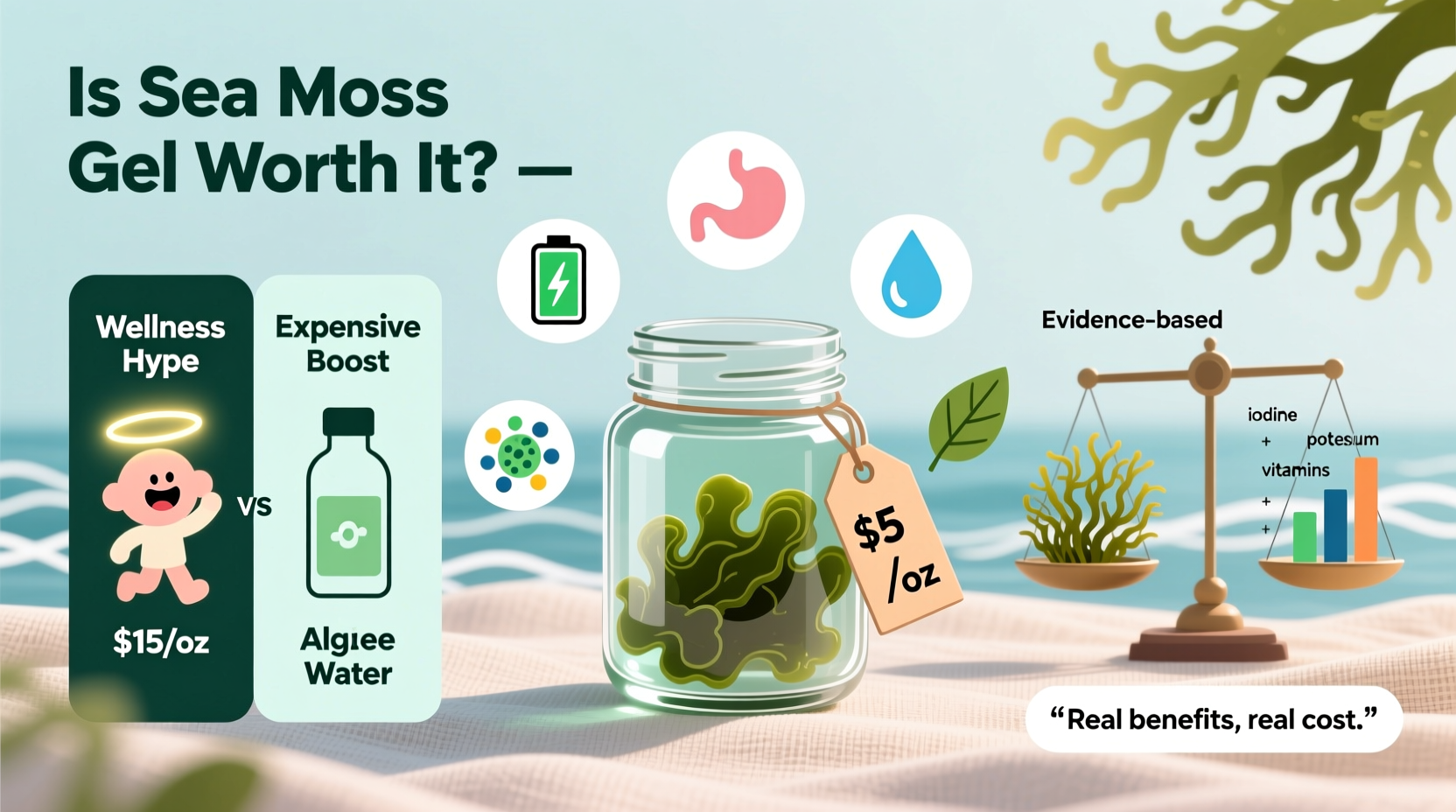
Sea moss, scientifically known as *Chondrus crispus*, is a type of red algae commonly found along the rocky coastlines of the Atlantic Ocean. When harvested, cleaned, soaked, and blended, it transforms into a translucent, viscous gel—this is what’s marketed as “sea moss gel.”
The gel form is preferred because it’s easier to consume than raw or powdered sea moss. It can be added to smoothies, teas, soups, or taken by the spoonful. Proponents claim it contains up to 92 of the 102 essential minerals the human body needs, including iodine, calcium, magnesium, potassium, zinc, and selenium.
While that number—92 minerals—is frequently cited, it lacks rigorous scientific validation. The actual mineral profile varies significantly depending on where the sea moss was harvested, how it was processed, and whether it was wildcrafted or farmed.
“While sea moss does contain a broad spectrum of trace minerals, the idea that it provides 92 essential nutrients in bioavailable forms is overstated. Its real value lies in specific nutrients like iodine and carrageenan, not universal mineral completeness.” — Dr. Lena Torres, Nutritional Biochemist
Nutritional Profile: What Does Science Say?
To assess whether sea moss gel lives up to its reputation, let’s analyze its core components based on peer-reviewed studies and laboratory analyses.
| Nutrient | Amount (per 100g raw sea moss) | Health Relevance |
|---|---|---|
| Iodine | ~500–3,000 mcg | Supports thyroid function; excess may cause hyperthyroidism |
| Dietary Fiber | ~4–6 g | Promotes gut health and satiety |
| Protein | ~5–7 g | Moderate plant-based protein source |
| Vitamin K | Present | Blood clotting and bone health |
| Carrageenan | Natural polysaccharide | May support immune modulation but controversial in processed forms |
| Calcium & Magnesium | Trace amounts | Contribute to bone and muscle function |
The standout nutrient is clearly iodine, critical for synthesizing thyroid hormones. For individuals with iodine deficiency—more common than many realize—sea moss could offer meaningful support. However, excessive intake (above 1,100 mcg daily) risks thyroid dysfunction, especially in those with pre-existing conditions like Hashimoto’s or Graves’ disease.
Another key component is carrageenan, a natural thickener used in the food industry. In whole-food form (as in sea moss gel), it appears to have anti-inflammatory and antiviral properties. But when degraded through high-heat processing, carrageenan has been linked to gastrointestinal irritation in animal studies—a concern that doesn’t necessarily apply to raw, homemade gel but fuels public skepticism.
Tip: If you have a thyroid condition, consult your healthcare provider before consuming sea moss regularly. Monitor iodine intake carefully to avoid hormonal imbalances.Claimed Benefits vs. Real-World Results
Let’s evaluate some of the most popular claims about sea moss gel—and how much truth they hold.
Skin Health Improvement
Many users report clearer skin and reduced acne after incorporating sea moss into their diets. This may be due to its sulfur-containing compounds and antioxidants, which play roles in collagen synthesis and inflammation reduction. While no large-scale clinical trials confirm this effect, anecdotal evidence remains strong among skincare communities.
Digestive Support
The high fiber and mucilaginous texture of sea moss gel act as a gentle prebiotic, potentially feeding beneficial gut bacteria. Some compare its soothing effect to aloe vera or okra. Users with mild constipation often note improved bowel regularity within days of consistent use.
Immune Function Boost
Laboratory studies show that sulfated polysaccharides in sea moss exhibit antiviral activity against certain strains, including herpes simplex and influenza viruses. However, these findings are primarily in vitro (test tube) studies. There is currently no direct evidence that consuming sea moss gel prevents colds or infections in humans.
Energy and Mood Enhancement
Some consumers describe increased mental clarity and sustained energy without caffeine crashes. This could stem indirectly from improved nutrient status—particularly B-vitamin cofactors and electrolytes—or placebo effect amplified by wellness expectations.
Weight Management Aid
Due to its low calorie count and high volume, sea moss gel may promote fullness when added to meals. It’s not a fat burner, but as part of a balanced diet, it might help reduce snacking between meals.
Mini Case Study: One Month With Sea Moss Gel
Jamal, a 34-year-old graphic designer from Atlanta, began taking two tablespoons of organic sea moss gel daily after seeing multiple wellness influencers praise its effects. He had struggled with seasonal fatigue and occasional bloating.
Over four weeks, he added the gel to his morning smoothie. He reported feeling slightly more alert by week two and noticed fewer episodes of afternoon brain fog. His digestion improved—he experienced less gas and more consistent bowel movements. However, he also developed mild insomnia during week three, which resolved after reducing his dose from two tablespoons to one.
After bloodwork, his doctor noted stable thyroid markers but advised caution due to borderline-high iodine levels. Jamal now uses sea moss gel intermittently—two to three times per week—rather than daily.
His experience reflects a broader pattern: modest benefits for some, but sensitivity risks for others. Consistency and moderation appear key.
How to Use Sea Moss Gel Safely and Effectively
If you decide to try sea moss gel, proper preparation and dosage matter. Here’s a step-by-step guide to using it wisely:
- Source Responsibly: Choose wildcrafted or organically certified sea moss from clean waters (e.g., Ireland, St. Lucia, or Iceland). Avoid products from polluted coastal regions.
- Prepare at Home (Optional): Soak dried sea moss in filtered water for 12–24 hours. Rinse thoroughly to remove sand and salt. Blend with fresh water until smooth. Store in a glass jar in the refrigerator for up to 3–4 weeks.
- Start Small: Begin with 1 teaspoon per day for the first week. Observe how your body reacts—especially digestion and energy levels.
- Incorporate Gradually: Increase to 1 tablespoon daily if well tolerated. Do not exceed 2 tablespoons unless under medical supervision.
- Monitor Symptoms: Watch for signs of iodine overload: rapid heartbeat, anxiety, sweating, or changes in appetite. Discontinue use if any occur.
- Pair Smartly: Mix with citrus juices (vitamin C enhances mineral absorption) or blend into oatmeal, yogurt, or plant-based milk.
Checklist: Is Sea Moss Gel Right for You?
- ☑ I do not have a diagnosed thyroid disorder
- ☑ I am not currently taking iodine supplements or thyroid medication
- ☑ I can verify the source and quality of the sea moss product
- ☑ I’m willing to start with a low dose and monitor my body’s response
- ☑ I understand it’s not a cure-all and should complement—not replace—a balanced diet
Common Pitfalls and Misconceptions
Despite its popularity, several myths persist around sea moss gel:
- Myth: “Sea moss cures chronic diseases.”
Reality: No credible evidence supports sea moss as a treatment for cancer, diabetes, or autoimmune disorders. - Myth: “All sea moss is the same.”
Reality: Contaminants like heavy metals (arsenic, lead) can accumulate in algae from polluted waters. Third-party testing matters. - Myth: “More is better.”
Reality: Excessive iodine intake disrupts thyroid balance. More gel ≠ more benefits.
Additionally, many commercial brands dilute sea moss gel with fillers like xanthan gum or preservatives. Always read labels. Ideally, the ingredient list should contain only sea moss and water.
Cost Analysis: Is It Worth the Price?
Premium sea moss gel often retails for $15–$30 per 16 oz. At two tablespoons per day, that’s roughly $0.50–$1.00 daily. Compare this to other functional foods:
| Product | Daily Cost (approx.) | Key Benefit |
|---|---|---|
| Sea Moss Gel | $0.60–$1.00 | Mineral diversity, iodine |
| Chia Seeds (1 tbsp) | $0.25 | Omega-3s, fiber |
| Spirulina Powder (1 tsp) | $0.40 | Protein, B12 analogs |
| Kefir (8 oz) | $0.75 | Probiotics, calcium |
While sea moss isn’t the most cost-effective functional food, its unique combination of iodine and prebiotic fiber gives it niche appeal. However, you can achieve similar mineral intake through a varied diet rich in seafood, dairy, nuts, and vegetables—at a lower price point.
Frequently Asked Questions
Can I make sea moss gel at home?
Yes. Soak 1 oz of dried, cleaned sea moss in 4 cups of filtered water for 12–24 hours. Drain, rinse, then blend with 1–2 cups fresh water until smooth. Store in a sealed jar in the fridge for up to 4 weeks.
Does sea moss gel interact with medications?
Potentially. Due to its high iodine and mineral content, it may interfere with thyroid medications, blood thinners (because of vitamin K), or lithium. Consult your doctor if you’re on prescription drugs.
Who should avoid sea moss gel?
People with hyperthyroidism, iodine sensitivity, kidney disorders (due to mineral load), or those pregnant or breastfeeding without medical approval should proceed with caution or avoid it altogether.
Final Verdict: Hype or Help?
Sea moss gel is neither a miracle nor meaningless. It offers genuine nutritional value—particularly as a natural source of iodine and soluble fiber—but its benefits are often exaggerated by social media marketing. For certain individuals, especially those with dietary gaps or mild digestive issues, it can be a supportive addition to a holistic wellness routine.
However, it is not a substitute for medical treatment, a balanced diet, or proven supplements. At premium prices, it becomes a luxury rather than a necessity. Consumers should approach it with realistic expectations, prioritize quality sourcing, and respect physiological limits.
In essence, sea moss gel is **moderately worth the hype**—if used thoughtfully. It’s not “just expensive algae water,” but it’s also not the panacea some claim. Like most wellness trends, its true value depends on how you use it, not just whether you buy it.
🚀 Ready to try sea moss gel? Start with a small batch, track how you feel, and share your experience. Knowledge shared is wellness empowered.








