
High-performance activewear is engineered for sweat-wicking, breathability, stretch, and durability. Whether you're training daily or hitting the gym a few times a week, these garments are designed to support your movement and comfort under stress. But what you put in your washing machine—especially scented laundry detergent—might be undoing all that advanced engineering. Over time, fragranced detergents can compromise the integrity of moisture-wicking fibers, trap odor-causing bacteria, and reduce the lifespan of your favorite leggings, sports bras, and technical tees.
The issue isn't just about scent sensitivity or skin irritation—though those are valid concerns. It's about fabric chemistry. Performance textiles like polyester, spandex, nylon, and proprietary blends rely on microscopic surface structures and chemical treatments to function properly. When exposed to certain additives found in conventional scented detergents, these fabrics degrade faster than expected. The result? Clothes that smell worse over time, feel stiff, lose elasticity, and fail to wick moisture—despite looking clean.
How Performance Fabrics Work—and Why They’re Vulnerable
Unlike cotton, which absorbs moisture, performance fabrics are built to move sweat away from the skin through capillary action. This process, known as wicking, depends on precise fiber alignment and hydrophobic (water-repelling) properties. Many activewear brands also apply antimicrobial finishes during manufacturing to inhibit bacterial growth—the primary cause of lingering gym clothes odor.
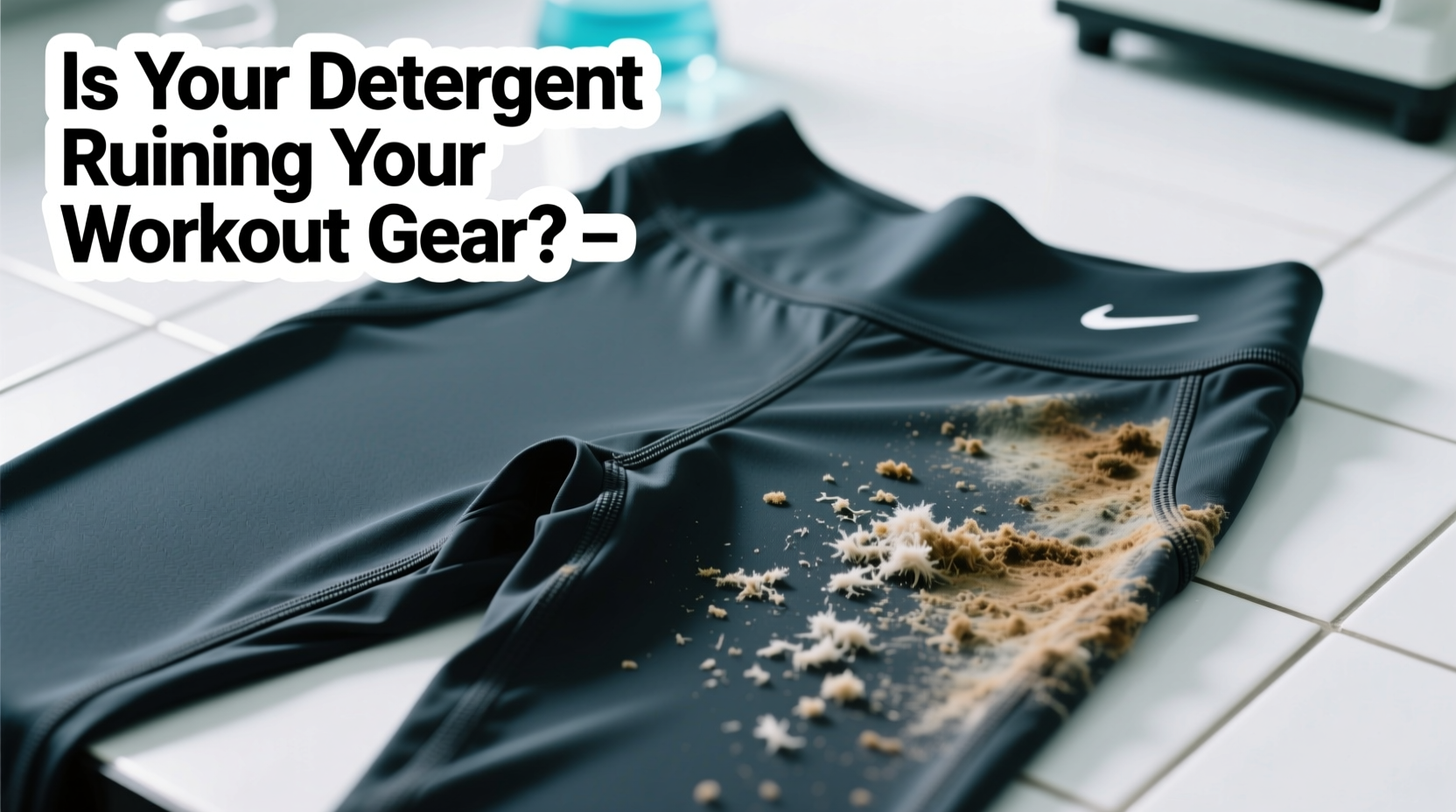
However, these specialized treatments are not permanent. Repeated exposure to harsh chemicals, high heat, and residue-forming detergents breaks them down. Scented laundry detergents often contain synthetic fragrances, optical brighteners, dyes, and surfactants that coat fibers instead of rinsing away completely. These residues clog the pores in technical fabrics, reducing breathability and trapping moisture and bacteria inside.
“Many people don’t realize that their detergent is the reason their $100 leggings stop performing after six months. Fragrance chemicals bind to synthetic fibers and disrupt moisture management.” — Dr. Lena Tran, Textile Scientist at the Institute for Apparel Innovation
The Hidden Ingredients in Scented Detergents That Harm Activewear
Fragrance is one of the most problematic components in laundry products. In the U.S., manufacturers are not required to disclose specific fragrance ingredients due to trade secret protections. A single “fragrance” label can encompass dozens—even hundreds—of undisclosed chemicals, many of which are petroleum-based and slow to biodegrade.
Common culprits include:
- Phthalates: Used to make scents last longer; can leave a film on fabrics.
- Synthetic musks: Persistent compounds that accumulate in fibers and attract body oils.
- Optical brighteners: Chemicals that make clothes look whiter by reflecting blue light; they bond tightly to synthetics and degrade UV resistance.
- Enzyme stabilizers and dyes: Often unnecessary in cold-water washes and can trigger allergic reactions or fabric discoloration.
These substances don’t fully rinse out during standard cycles, especially in high-efficiency (HE) machines with low water use. Residue builds up over time, creating a sticky layer inside the fabric that blocks airflow and promotes bacterial colonization.
Tip: If your workout clothes still smell after washing, it’s likely due to trapped bacteria in detergent buildup—not poor hygiene.Real-World Impact: A Case Study in Fabric Degradation
Jessica, a fitness instructor in Portland, noticed her premium yoga pants were losing shape and developing a sour odor within months of purchase. She washed them after every class using a popular lavender-scented HE detergent and occasionally tossed them in the dryer for convenience. Despite following the care labels, her gear deteriorated quickly.
After consulting a textile lab, she learned that her detergent was leaving behind a residue rich in cyclic siloxanes—common in long-lasting fragrances. These compounds coated the spandex fibers, making them less elastic and more prone to pilling. Additionally, the residual sugars in the fragrance formula fed odor-causing bacteria like Micrococcus and Corynebacterium, which thrive in warm, damp environments.
When Jessica switched to a fragrance-free, sport-specific detergent and eliminated dryer use, her next pair of leggings lasted nearly twice as long and stayed fresher between washes. Her experience highlights how easily consumer habits can undermine product performance—even with careful intentions.
Do’s and Don’ts: Caring for Performance Fabrics the Right Way
| Do | Avoid |
|---|---|
| Wash workout clothes immediately after use | Leaving sweaty clothes in the hamper for days |
| Use cold water and gentle cycle | Hot water, which can melt synthetic fibers |
| Choose fragrance-free, dye-free detergents | Scented or \"ultra\" cleaning formulas |
| Turn clothes inside out before washing | Washing inside out with fabric softener (can coat fibers) |
| Air-dry flat or hang dry | Tumble drying on high heat |
| Use a sports-specific detergent once a month | Using regular detergent exclusively |
Step-by-Step Guide to Washing Workout Clothes Without Damaging Them
- Pre-Treat Stains (if needed): Use a small amount of oxygen-based cleaner on stubborn marks. Avoid chlorine bleach.
- Sort by Fabric Type: Separate heavy compression gear from lightweight mesh items to prevent abrasion.
- Turn Inside Out: This protects outer finishes and reduces pilling.
- Use the Right Detergent: Add a measured dose of fragrance-free, low-residue detergent formulated for activewear.
- Select Cold Water & Gentle Cycle: Keep temperatures below 30°C (86°F) and spin speed moderate.
- Rinse Twice (Optional): If your machine allows, add an extra rinse cycle to flush out any remaining detergent.
- Air-Dry Completely: Lay flat or hang in a well-ventilated area away from direct sunlight.
- Deep Clean Monthly: Soak garments in a solution of water and enzyme-based sport detergent for 30 minutes to remove accumulated oils and microbes.
What to Look for in a Safe Detergent for Activewear
Not all detergents are created equal. For optimal fabric care, choose products labeled specifically for technical or sportswear. Key features to look for include:
- Fragrance-free and dye-free certification
- No phosphates, parabens, or phthalates
- Biodegradable formula
- Designed for cold-water washing
- Enzyme-based cleaning agents (protease, lipase) to break down sweat and oils
Brands like WIN High Performance Detergent, HEX Performance, and Sport Suds have gained popularity among athletes and trainers for their ability to deep-clean without damaging synthetic fibers. While they may cost slightly more than mainstream options, they extend the usable life of high-end activewear significantly.
Expert Insight: The Long-Term Cost of Using Scented Detergents
“Replacing activewear every year because it smells bad or doesn’t fit right isn’t inevitable. It’s often the result of improper laundering. Switching to a proper detergent can save consumers hundreds per year.” — Marcus Reed, Founder of Athleisure Care Labs
Reed’s team conducted a six-month study comparing identical sets of running shirts washed with scented detergent versus a sport-specific formula. After 25 washes, the scented group showed a 40% reduction in moisture-wicking efficiency and retained 3.7 times more odor-causing bacteria. Microscopic analysis revealed visible residue buildup in the fiber matrix—something absent in the control group.
“The damage isn’t always visible,” Reed explains. “You won’t see holes, but you’ll feel the difference when your shirt clings instead of breathes.”
FAQ: Common Questions About Detergents and Workout Clothes
Can I use regular unscented detergent instead of a sport-specific one?
You can, but it’s not ideal. Regular detergents—even unscented ones—may still contain fillers, brighteners, or surfactants that aren’t optimized for synthetic fabrics. Sport-specific detergents use targeted enzymes to break down lactic acid, salt, and body oils more effectively.
Why do my clothes smell even after using scented detergent?
Fragrance masks odors temporarily but doesn’t eliminate bacteria. In fact, leftover detergent residue provides food for microbes. The scent fades, but the bacteria remain—and multiply. Over time, this creates a persistent odor problem that worsens with each wash.
Is it safe to hand-wash workout clothes with dish soap?
No. Dish soaps like Dawn are designed to cut grease and can strip essential coatings from performance fabrics. They also leave behind residues that attract dirt. Always use a mild, pH-balanced laundry detergent meant for clothing.
Checklist: Protect Your Performance Wear
- ☐ Stop using scented laundry detergents for activewear
- ☐ Buy a fragrance-free, sport-specific detergent
- ☐ Wash workout clothes in cold water only
- ☐ Turn garments inside out before washing
- ☐ Skip the dryer—air-dry instead
- ☐ Perform a monthly deep clean soak
- ☐ Store clean clothes in a dry, ventilated space
- ☐ Replace old detergents and fabric softeners in your laundry routine
Conclusion: Make the Switch and Extend the Life of Your Gear
Your workout clothes are an investment in comfort, performance, and confidence. Treating them with care goes beyond folding and storage—it starts in the laundry room. By ditching scented detergents and adopting fabric-friendly practices, you preserve the engineering behind every stitch. You’ll notice the difference in how your clothes feel, perform, and last.
Switching doesn’t require a complete overhaul. Start with one change: swap your current detergent for a proven, fragrance-free alternative. Track how your clothes respond over the next few weeks. Chances are, they’ll stay fresher, stretch better, and resist odors longer. Small adjustments today lead to smarter, more sustainable choices tomorrow.
🚀 Ready to give your activewear a second life? Try a sport-specific detergent this week and share your results in the comments. Your future self (and your laundry bill) will thank you.








