
The shift toward clean beauty has brought natural deodorants into the mainstream. Many consumers now question whether ditching conventional antiperspirants in favor of aluminum-free, plant-based formulas truly benefits underarm health over time. While marketing often touts “toxin-free” living and skin healing, the real answer lies in biology, dermatology, and long-term user experience. The truth is nuanced: for some, natural deodorants improve skin condition and microbial balance; for others, they may cause irritation or fail to control odor effectively. This article explores the science behind underarm health, compares ingredient profiles, and evaluates long-term outcomes based on clinical understanding and real-world use.
Understanding Underarm Health: Sweat vs. Odor
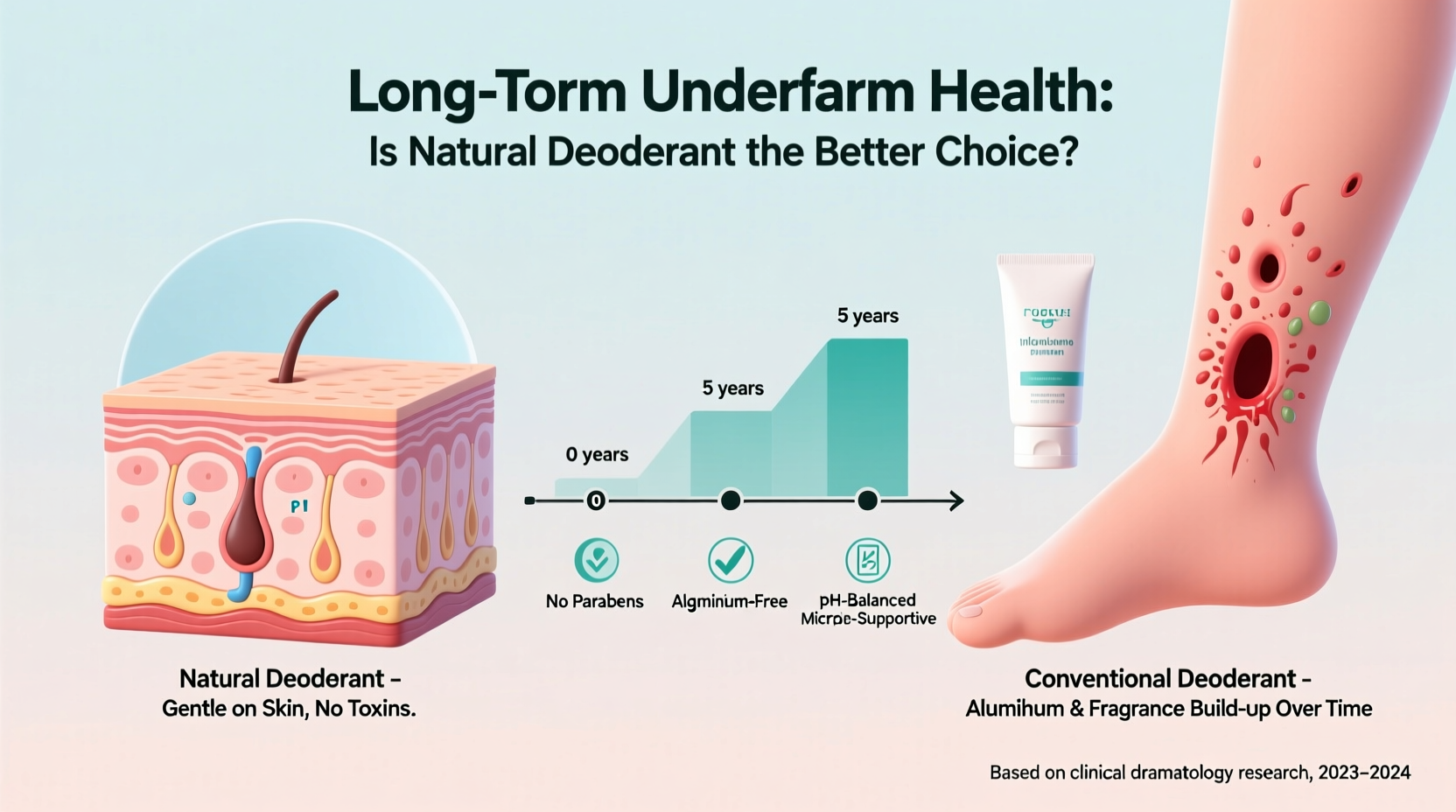
Sweating is a natural bodily function. Eccrine glands release sweat to cool the body, while apocrine glands—active during puberty—produce a thicker secretion that interacts with bacteria on the skin, leading to odor. Conventional antiperspirants block sweat using aluminum compounds, whereas most natural deodorants allow sweating but aim to neutralize odor-causing microbes.
Blocking sweat may reduce wetness, but it doesn’t eliminate bacteria. In fact, suppressing sweat can alter the underarm microbiome—the delicate ecosystem of bacteria responsible for skin defense and odor regulation. Over time, repeated disruption from harsh chemicals may lead to imbalances, potentially increasing sensitivity or fostering resistant bacterial strains.
“Long-term use of aluminum-based antiperspirants hasn't been conclusively linked to disease, but their impact on microbial diversity warrants attention. A balanced microbiome supports healthier skin resilience.” — Dr. Lena Patel, Dermatologist & Skin Microbiome Researcher
Natural deodorants typically rely on ingredients like magnesium, baking soda, coconut oil, and essential oils to create an environment where odor-causing bacteria (such as *Corynebacterium*) struggle to thrive. Unlike antiperspirants, they don’t stop sweat—they work with the body’s natural processes.
Ingredient Comparison: Natural vs. Conventional
The core difference between natural and conventional deodorants lies in formulation. Below is a breakdown of common ingredients and their potential long-term effects on underarm health.
| Component | Natural Deodorants | Conventional Antiperspirants |
|---|---|---|
| Active Agent | Potassium alum (natural mineral salt), magnesium hydroxide | Aluminum zirconium, aluminum chlorohydrate |
| Sweat Control | No—allows natural perspiration | Yes—temporarily blocks sweat ducts |
| Antimicrobial Action | Coconut oil, tea tree oil, shea butter | Parabens, triclosan (in older formulas) |
| pH Modifiers | Baking soda (high pH, can irritate sensitive skin) | Fragrance, alcohol (can dry or sensitize) |
| Fragrance | Essential oils (e.g., lavender, citrus) | Synthetic fragrances (potential allergens) |
| Long-Term Skin Impact | May support microbiome balance; risk of irritation from baking soda | May disrupt microbial flora; possible follicle clogging |
While natural formulas avoid synthetic preservatives and known endocrine disruptors, they are not universally gentler. Baking soda, a common ingredient, has a pH of around 9, significantly higher than the underarm’s natural pH of 4.5–6. Prolonged exposure can compromise the skin barrier, leading to redness, itching, or micro-tears—especially in those with sensitive skin.
Tip: If you experience irritation with natural deodorants, switch to a baking soda-free formula. Look for magnesium-based options or those labeled for sensitive skin.Long-Term Skin and Microbiome Effects
One of the most compelling arguments for natural deodorants is their potential to restore and maintain a healthy underarm microbiome. Studies suggest that consistent use of antimicrobial agents—even mild ones—can reduce microbial diversity, allowing opportunistic pathogens to dominate.
In contrast, users who transition to natural deodorants often report an adjustment period lasting two to four weeks. During this time, odor may increase as the body clears accumulated residues and rebalances its bacterial colonies. After this phase, many notice less reliance on fragrance and more stable odor control—indicative of improved microbial equilibrium.
A 2022 observational study published in *Skin Microbiology Today* followed 78 participants switching from conventional antiperspirants to natural deodorants. After six months, 63% reported softer underarm skin, reduced irritation, and decreased need for reapplication. However, 22% discontinued use due to persistent odor or rash, primarily linked to baking soda sensitivity.
The Detox Myth and Reality
Brands often promote a “detox” phase when switching to natural deodorants, implying the body expels built-up toxins. Dermatologists caution against this terminology—sweat glands do not store toxins, and the liver and kidneys handle detoxification. However, what *does* occur is a recalibration of bacterial populations.
When aluminum plugs are no longer blocking sweat ducts, trapped sebum and dead skin cells may be released. Combined with a surge in native bacteria adjusting to new conditions, this can temporarily increase odor. It’s not detox—it’s biological readjustment.
Real-World Transition: A Mini Case Study
Jessica, a 34-year-old office worker from Portland, used conventional antiperspirants for over 15 years. She frequently experienced underarm darkening and occasional razor bumps. Concerned about long-term chemical exposure, she decided to try a popular natural deodorant brand containing baking soda and coconut oil.
The first week was challenging. She noticed stronger odor by midday and slight burning after shaving. By week three, the irritation subsided, but odor remained inconsistent. At month two, she switched to a baking soda-free balm using magnesium and arrowroot powder. Within ten days, her skin calmed, and odor control improved significantly.
After eight months, Jessica reports smoother skin, no discoloration, and confidence in her scent protection—even during workouts. Her experience reflects a common trajectory: initial discomfort, strategic reformulation, and eventual success through personalized product selection.
Step-by-Step Guide to Transitioning Safely
Moving to natural deodorant requires patience and proper technique. Follow this timeline to minimize side effects and maximize long-term underarm health.
- Week 1: Prepare Your Skin
Cease use of antiperspirants. Wash underarms daily with a gentle, pH-balanced cleanser. Avoid harsh exfoliants or alcohol-based toners. - Week 2: Begin Trial
Apply natural deodorant after showering. Choose a baking soda-free version if you have sensitive skin. Reapply once during the day if needed. - Weeks 3–4: Monitor Changes
Track odor levels, skin reactions, and sweat patterns. Mild odor fluctuation is normal. Do not shave during peak irritation. - Month 2: Deepen Routine
Introduce weekly clay masks (kaolin or bentonite) to gently draw out impurities. Continue moisturizing with non-comedogenic oils like jojoba. - Month 3+: Evaluate and Optimize
Assess overall comfort. If irritation persists, consider patch testing individual ingredients. Rotate products to prevent bacterial adaptation.
Common Pitfalls and How to Avoid Them
Many people abandon natural deodorants prematurely due to preventable mistakes. Awareness of these issues improves long-term success rates.
- Using right after shaving: Freshly shaved skin is vulnerable. Wait at least 2 hours before applying any deodorant, especially those with essential oils or high pH.
- Overapplying: More is not better. A pea-sized amount is sufficient. Excess can clog pores or feed bacteria.
- Ignoring laundry residues: Fabric softeners and dryer sheets leave chemical films that interact poorly with natural formulas. Switch to fragrance-free detergent.
- Expecting instant results: The microbiome takes weeks to adjust. Commit to at least 30 days before judging effectiveness.
Expert Checklist for Choosing a Healthy Natural Deodorant
Not all natural deodorants are created equal. Use this checklist to select a product that supports long-term underarm wellness.
- ✅ Free from baking soda (if sensitive)
- Reduces risk of inflammation and pH imbalance.
- ✅ Contains prebiotic or probiotic elements
- Supports beneficial bacteria like *Staphylococcus epidermidis*.
- ✅ Non-comedogenic base (e.g., shea butter, jojoba oil)
- Moisturizes without clogging follicles.
- ✅ Minimal essential oils
- High concentrations can cause allergic contact dermatitis.
- ✅ Packaged sustainably
- Cardboard tubes or recyclable containers reduce environmental impact.
Frequently Asked Questions
Can natural deodorants cause more body odor initially?
Yes, during the first few weeks of use, many people experience increased odor. This is due to the rebalancing of underarm bacteria as the skin adjusts to not having sweat blocked or heavily suppressed. The effect usually resolves within 2–4 weeks.
Are natural deodorants safe for daily use long term?
For most people, yes—provided the formula suits their skin type. Those with sensitive skin should avoid baking soda and high-fragrance blends. Patch testing is recommended before full adoption.
Do natural deodorants prevent sweating?
No. Natural deodorants do not block sweat glands. They manage odor by inhibiting bacterial growth. Sweating is a healthy process and should not be stopped unless medically necessary.
Conclusion: A Personalized Path to Underarm Wellness
Whether natural deodorant is better for underarm health in the long term depends on individual biology, product choice, and usage habits. For many, eliminating aluminum and synthetic additives leads to softer skin, fewer irritations, and a more resilient microbiome. However, the transition demands patience and informed decisions—especially regarding ingredients like baking soda and essential oils.
The goal isn’t to follow trends, but to support the body’s natural functions with thoughtful care. When chosen wisely, natural deodorants can play a positive role in lifelong underarm health. The key is personalization: listening to your skin, adjusting as needed, and prioritizing balance over suppression.
💬 Have you made the switch to natural deodorant? Share your experience, tips, or challenges in the comments—your story could help someone else find their ideal routine.








