
Monochrome dressing—outfits built entirely from a single color family—has been a cornerstone of minimalist and elevated style for over a decade. From head-to-toe camel coats to sleek black ensembles, this approach has long symbolized sophistication, intentionality, and sartorial confidence. But as we move into fall 2025, with fast-evolving trends and shifting cultural aesthetics, many are asking: Is monochrome still relevant, or has it faded into fashion history?
The answer isn’t a simple yes or no. Monochrome dressing hasn’t disappeared—it’s evolved. What was once a bold statement of minimalism is now being reinterpreted through texture, tonal variation, and sustainable design principles. This season, the trend isn’t about uniformity; it’s about depth within unity.
The Evolution of Monochrome: Beyond Black and Beige
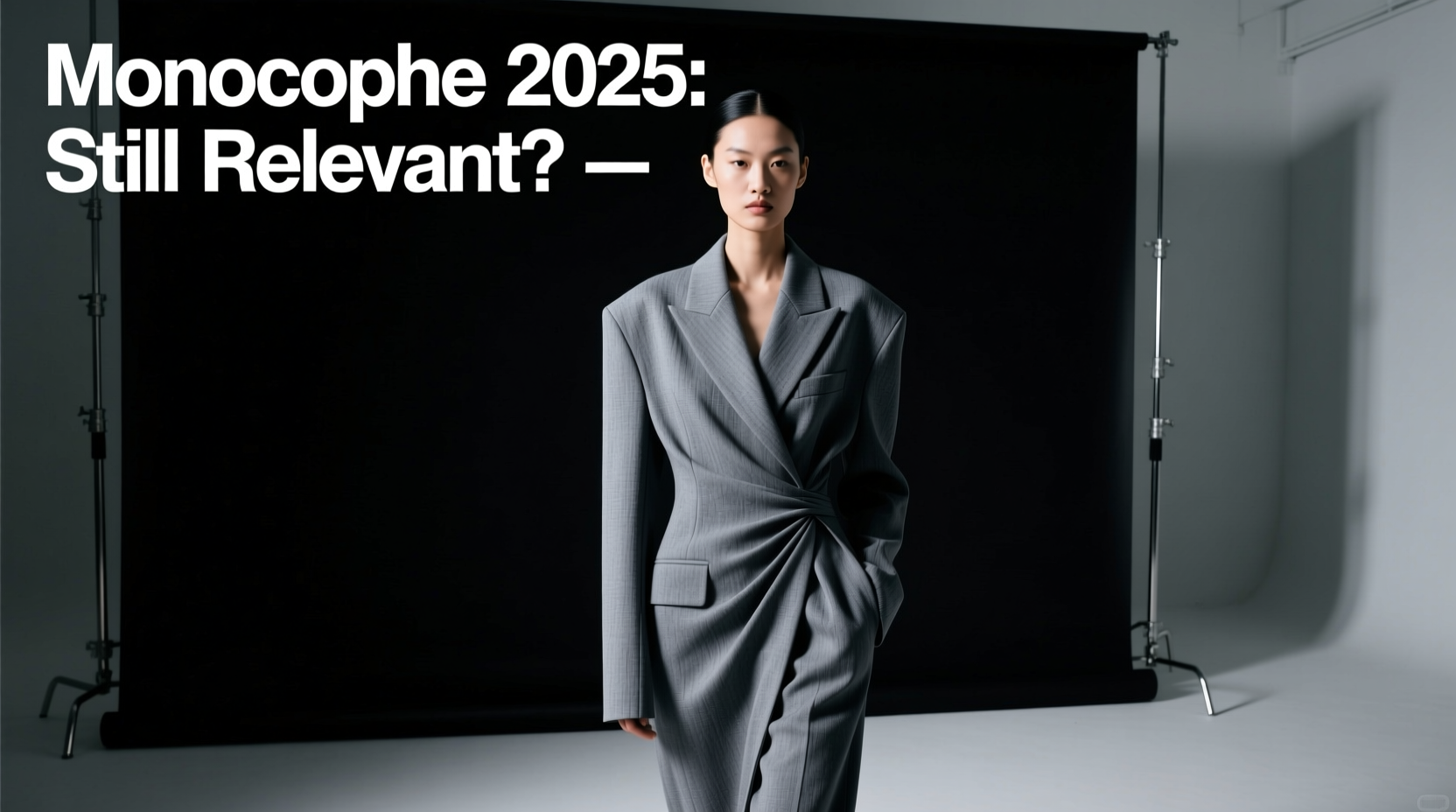
Historically, monochrome dressing leaned heavily on neutrals—black, white, gray, beige, and navy. These palettes offered versatility and timelessness, making them favorites among professionals and fashion editors alike. However, in fall 2025, the definition of \"monochrome\" is expanding beyond these limits.
Designers at recent fashion weeks—from Milan to New York—have embraced rich, saturated hues in full-tonal looks. Think deep burgundy tailoring, forest green knits layered from top to bottom, or even electric cobalt outerwear paired with matching trousers and accessories. The key shift? It's no longer just about neutral tones; it’s about creating visual harmony using a single color across varying materials and intensities.
This evolution reflects a broader movement toward expressive minimalism—a way to maintain clean lines and streamlined silhouettes while injecting personality and seasonal relevance.
Tip: Try a monochrome look in an unexpected fall shade like rust, olive, or plum to stay current without sacrificing elegance.Why Monochrome Still Works in 2025
Despite predictions of its decline, monochrome remains a powerful tool in modern wardrobing. Its staying power comes from both aesthetic and practical advantages that align with current consumer values.
- Effortless Elegance: A well-executed monochrome outfit instantly reads as polished and intentional. With fewer competing colors, attention shifts to cut, fabric quality, and fit.
- Wardrobe Efficiency: Building outfits around one color simplifies coordination and maximizes mix-and-match potential, especially valuable in capsule wardrobes.
- Sustainability Alignment: As consumers prioritize mindful consumption, monochrome encourages investing in fewer, higher-quality pieces that work cohesively.
- Photogenic Appeal: In an era dominated by visual platforms like Instagram and TikTok, monochrome creates strong, scroll-stopping imagery.
Fashion psychologist Dr. Lena Moreau notes:
“Monochrome dressing taps into our subconscious desire for order and control. In uncertain times, a unified outfit can feel grounding—almost like armor.”
How to Wear Monochrome Without Looking Dated
The risk with any enduring trend is stagnation. Wearing monochrome in 2025 requires more nuance than simply throwing on all-black everything. To keep the look fresh, focus on three core elements: texture, proportion, and contrast within tone.
1. Play with Texture
Avoid flatness by combining different fabrics within the same color family. For example, pair a wool-blend turtleneck with leather pants and a cashmere coat—all in shades of charcoal. The interplay of matte, shiny, and soft surfaces adds dimension without breaking the monochrome rule.
2. Vary Tonal Shades
True monochrome doesn’t require identical hues. Use light, medium, and dark variations of the same base color to create depth. A head-to-toe beige look might include camel boots, sand-colored trousers, a taupe sweater, and a cream trench coat.
| Color Family | Recommended Textures (Fall 2025) | Tonal Pairing Tip |
|---|---|---|
| Black | Wool, patent leather, ribbed knit, silk lining | Contrast matte jersey with glossy accessories |
| Olive Green | Corduroy, brushed cotton, suede, boiled wool | Pair moss top with deep hunter bottom |
| Warm Gray | Merino, flannel, bouclé, shearling | Use silver hardware to elevate cool undertones |
3. Break the Rules Strategically
Purists may insist on zero color deviation, but 2025 allows subtle interruptions. A metallic belt, tinted sunglasses, or a handbag in a slightly contrasting earth tone can enhance rather than disrupt the look—as long as the dominant color remains unchallenged.
Tip: Use accessories in complementary metallics (brass, gunmetal, antique gold) to add interest without introducing new colors.Real-World Example: A Stylist’s Fall Workweek
Consider Sarah Kim, a freelance fashion editor based in Toronto. For her client meetings during fall 2025, she adopted a monochrome strategy with seasonal updates:
- Monday: Head-to-toe chocolate brown—corduroy blazer, creme turtleneck, wide-leg wool trousers, and chestnut loafers. She added warmth with a cognac leather tote.
- Wednesday: All-gray ensemble featuring a slate pencil skirt, heather hoodie under a charcoal double-breasted coat, and matte ankle boots. Silver earrings provided subtle contrast.
- Friday: Deep plum look with a velvet midi dress layered under a wine-colored tailored coat. Matte knee-high boots kept the palette cohesive.
“I used to think monochrome was limiting,” Sarah says. “But now I see it as a framework. Within one color, there’s so much room for creativity—especially when you play with material and silhouette.” Her approach received consistent praise on social media and led to two brand collaborations focused on tonal styling.
Expert Insight: What Designers Are Saying
At the recent Copenhagen Fashion Summit, several leading designers weighed in on the future of monochrome dressing.
“Monochrome isn’t dying—it’s maturing. We’re moving away from rigid all-black uniforms and toward emotional color stories told in single palettes. It’s not about hiding; it’s about focusing.” — Rafael Torres, Creative Director, *Ligné Studio*
Torres’ fall 2025 collection featured nine looks in gradient ochre, each piece dyed using natural pigments and layered for tactile richness. His commentary echoes a growing sentiment: monochrome is becoming less about austerity and more about immersive color experiences.
Likewise, Mira Chen of *Nova Edit* emphasizes sustainability:
“When customers buy into a color story, they buy less overall. That’s good for the planet and their personal style.”Her brand now offers “Tonal Kits”—curated sets of garments in one seasonal hue, designed to be worn together or separately.
Checklist: How to Refresh Your Monochrome Wardrobe for Fall 2025
Before retiring your monochrome pieces, assess how they align with current trends. Use this checklist to modernize your approach:
- ✅ Audit your closet for dominant colors that suit fall (e.g., terracotta, charcoal, moss).
- ✅ Identify at least three textures within each color group (e.g., knit, leather, wool).
- ✅ Invest in one standout piece in a trending tonal shade (like burnt sienna or storm blue).
- ✅ Layer different saturations of the same color instead of matching exactly.
- ✅ Update accessories: opt for hardware in warm metals if wearing earth tones, cool metals for grays and blues.
- ✅ Test the look in daylight—ensure tonal variations don’t appear mismatched.
- ✅ Break up long lines with belts or structured bags to define the waist.
Common Pitfalls to Avoid
Even seasoned dressers can misstep with monochrome. Here are frequent errors and how to fix them:
- Flatness: Wearing the same fabric throughout flattens the body. Solution: Mix matte and shiny, thick and thin.
- Muddiness: Combining too many similar-but-different shades (e.g., tan, beige, ivory) can look sloppy. Stick to a defined tonal range.
- Overcommitting: Going fully monochrome every day can feel restrictive. Reserve it for high-impact moments—meetings, events, photo shoots.
- Ignoring skin tone: Not every color works universally. If a shade drains your complexion, adjust saturation or try a neighboring hue.
FAQ: Your Monochrome Questions Answered
Is all-black still acceptable for monochrome dressing in 2025?
Absolutely—but with caveats. All-black remains timeless, especially in professional or evening settings. To avoid looking dated, incorporate varied textures (glossy, sheer, ribbed) and consider adding a translucent layer in gray or violet-tinted fabric for depth.
Can I wear patterns in a monochrome outfit?
Yes, if the pattern stays within the same color family. A pinstripe shirt in varying grays works with charcoal trousers. Avoid multi-color prints unless they’re tonal (e.g., a black-and-white check in grayscale).
How do I choose the right monochrome color for my skin tone?
Warm undertones pair well with camel, rust, olive, and deep browns. Cool undertones shine in charcoal, navy, plum, and steel gray. Neutral skin can experiment widely. When in doubt, test swatches near your face in natural light.
Conclusion: Monochrome Isn’t Out—It’s Upgraded
Monochrome dressing is not outdated for fall 2025. Instead, it has undergone a quiet revolution—shifting from a minimalist statement to a dynamic expression of cohesion, craftsmanship, and personal narrative. The most stylish individuals aren’t abandoning monochrome; they’re refining it.
Whether you're drawn to the psychological comfort of a unified palette or the logistical ease of coordinated dressing, now is the time to revisit monochrome with fresh eyes. Focus on richness over rigidity, depth over duplication, and let a single color tell a multifaceted story.
💬 Ready to reinvent your fall wardrobe? Start with one monochrome look this week—experiment with texture, shade, and silhouette. Share your creation online with #ModernMonochrome and inspire others to embrace the power of one color.








