
In recent years, the line between athletic wear and daily fashion has blurred significantly. What was once reserved for gyms and morning runs—leggings, moisture-wicking tops, hoodies, and running shoes—is now a common sight in grocery stores, coffee shops, and even workplaces. The rise of athleisure has transformed how people think about comfort, functionality, and style. But with this shift comes a lingering question: is it socially acceptable—and appropriate—to wear workout clothes in public as everyday attire?
The answer isn't a simple yes or no. It depends on context, location, personal style, and cultural expectations. While some view athletic wear as a symbol of modern practicality, others see it as a sign of sloppiness or lack of effort. Understanding when, where, and how to wear workout gear outside the gym requires awareness of social cues, fabric quality, and outfit coordination.
The Rise of Athleisure Culture
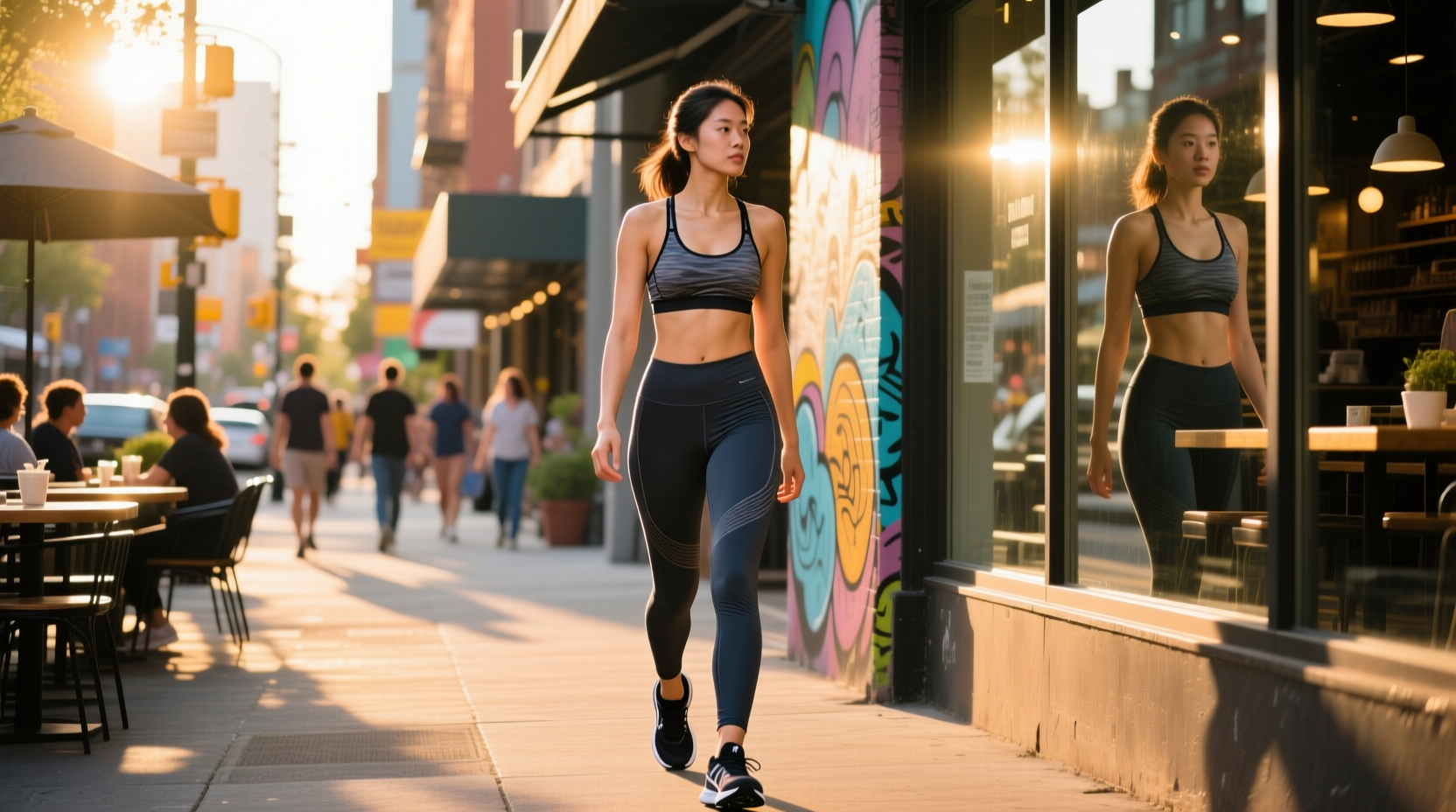
Athleisure—the fusion of athletic and leisurewear—has become one of the most influential fashion movements of the 21st century. Brands like Lululemon, Athleta, Nike, and Adidas have capitalized on consumers’ desire for clothing that is both functional and fashionable. High-quality leggings with flattering cuts, breathable fabrics, and minimalist designs now retail for over $100, blurring the line between performance gear and premium casual wear.
This trend gained momentum during the pandemic, when remote work and stay-at-home orders normalized wearing comfortable clothing all day. As people adjusted to life in sweatpants and yoga pants, they began to question why they should change into less comfortable outfits just to run errands or meet friends.
Today, athleisure accounts for over 17% of the global apparel market, according to NPD Group data. Consumers aren’t just buying these clothes for exercise—they’re building wardrobes around them. This shift reflects broader changes in societal values: prioritizing comfort, health, and versatility over rigid dress codes.
Tip: When wearing workout clothes in public, opt for coordinated colors and well-fitted pieces to elevate your look from \"just rolled out of bed\" to \"intentionally stylish.\"Social Acceptance: Where It Works (and Where It Doesn’t)
Wearing athletic clothing in public is widely accepted in many casual settings, but certain environments still expect more formal attire. Here’s a breakdown of where workout clothes are generally considered appropriate versus inappropriate:
| Setting | Acceptable? | Notes |
|---|---|---|
| Grocery store | Yes | Common and low-stakes; leggings and sneakers are standard. |
| Coffee shop | Yes | Especially in urban areas; often paired with oversized sweaters or jackets. |
| Workplace (office) | Sometimes | Tech startups may allow it; traditional offices usually require business casual. |
| Restaurant (casual) | Yes | Pair leggings with a tunic or long top for balance. |
| Fine dining restaurant | No | Dress codes typically prohibit athletic wear; opt for slacks or dresses. |
| Religious services | Generally no | Respectful attire expected; avoid overly tight or branded activewear. |
Ultimately, acceptability hinges on presentation. A clean, coordinated outfit made of high-quality materials will be received far better than stained sweatpants and mismatched layers.
How to Wear Workout Clothes Publicly with Confidence
If you choose to wear athletic clothing beyond the gym, doing so thoughtfully can enhance your comfort without sacrificing style. The key is treating activewear like any other fashion category—curating fits, textures, and combinations that reflect intentionality.
- Prioritize fit and fabric: Choose pieces that fit well—not too tight, not too loose. Look for technical fabrics that resist odor, wick moisture, and maintain shape after washing.
- Layer strategically: Add structure with a denim jacket, trench coat, or tailored blazer. This instantly upgrades the outfit and signals that you dressed with purpose.
- Choose neutral or cohesive colors: Monochrome or tonal looks (e.g., black leggings with gray sneakers and an oatmeal sweater) appear polished and intentional.
- Footwear matters: Clean, minimalist sneakers go a long way. Avoid heavily worn trainers or socks with holes.
- Accessorize minimally: A crossbody bag, sunglasses, or simple jewelry can shift the vibe from “post-workout” to “urban explorer.”
Real-World Example: Maya’s Errand Run
Maya, a 32-year-old graphic designer in Portland, Oregon, regularly wears leggings and a sports bra under an open flannel shirt when running midday errands. She pairs the look with white running shoes and a canvas tote. One afternoon, she stopped at a local juice bar, then visited the post office and library—all without changing clothes.
“I get compliments all the time,” she says. “People assume I’m coming from yoga or a workout. But honestly, I just prefer how I feel in this kind of outfit. I’m not uncomfortable, I’m not adjusting my waistband every five minutes, and I can move freely.”
When invited to a colleague’s birthday dinner at a trendy bistro, however, Maya changed into dark jeans and a silk blouse. “There’s a time and place,” she explains. “I don’t want to disrespect the host or make others feel awkward. But for everyday stuff? I’ll take comfort any day.”
Her approach illustrates a balanced mindset: embracing personal comfort while respecting social context.
“Athleisure isn’t about laziness—it’s about redefining what’s appropriate. People want clothes that support their lives, not restrict them.” — Dr. Lena Torres, Sociologist & Fashion Behavior Researcher, University of California, Berkeley
Expert Perspectives on Dress Norms and Functionality
Fashion experts increasingly acknowledge that clothing norms are evolving. Dr. Lena Torres notes that younger generations prioritize function and self-expression over tradition. “Gen Z and millennials see clothing as an extension of identity and lifestyle, not just social signaling,” she says.
Meanwhile, fitness professionals emphasize hygiene and appropriateness. “If your leggings are stained, stretched out, or smell like last week’s spin class, that’s not okay in public,” warns fitness trainer Marcus Reed. “Just because something is technically ‘workout wear’ doesn’t mean it’s suitable for every setting.”
Designers, too, are responding. Many now label pieces as “performance-inspired” rather than strictly athletic, allowing for broader use. “We design for movement throughout the day,” says Clara Nguyen, lead designer at a sustainable activewear brand. “Whether you're squatting in a gym or bending down to tie a child’s shoe, the garment should serve you.”
Checklist: Is Your Workout Outfit Public-Ready?
- ✅ Are the clothes clean and free of stains or pilling?
- ✅ Do they fit properly—no sagging, rolling, or excessive tightness?
- ✅ Are your shoes presentable and appropriate for the setting?
- ✅ Have you added at least one non-athletic element (jacket, bag, jewelry)?
- ✅ Does the overall look feel intentional, not accidental?
- ✅ Are you going somewhere with a formal dress code?
If you answered “yes” to the first five and “no” to the last, you’re likely good to go.
FAQ: Common Questions About Wearing Workout Clothes in Public
Can I wear leggings to work?
It depends on your workplace culture. In creative industries or tech companies, leggings paired with tunics or long sweaters are often acceptable. In corporate or client-facing roles, they may be seen as too casual. When in doubt, observe what others wear or consult your company’s dress code.
Is it disrespectful to wear gym clothes to church or funerals?
Yes, in most cases. These are formal or solemn occasions where respectful attire is expected. Athletic wear—especially bright colors, logos, or tight fits—can be perceived as inappropriate. Opt for modest, subdued clothing that honors the occasion.
Are there health concerns with wearing workout clothes all day?
Prolonged wear of tight synthetic fabrics, especially in warm or humid conditions, may increase the risk of skin irritation or yeast infections due to trapped moisture. Experts recommend changing out of sweaty clothes within an hour post-exercise and choosing breathable, antimicrobial fabrics when possible.
Conclusion: Comfort Meets Context
Wearing workout clothes in public as everyday attire is not only acceptable—it’s increasingly normal. But acceptance comes with responsibility: dressing thoughtfully, maintaining hygiene, and reading the room. Comfort doesn’t have to come at the expense of respect or style.
The future of fashion lies in flexibility. As society continues to value wellness, mobility, and individual expression, rigid dress codes will continue to loosen. However, emotional intelligence remains essential. Knowing when to prioritize comfort and when to show up with formality is a skill worth cultivating.
💬 What do you think? Do you wear workout clothes in public? Share your experiences, tips, or boundaries in the comments—let’s keep the conversation moving forward.








