
Many people with oily skin believe that skipping moisturizer is a smart move—after all, their face already feels greasy by midday. But this common assumption can backfire in ways that worsen oiliness, trigger breakouts, and even accelerate signs of aging. The truth is, moisture balance is essential for every skin type, including oily skin. Dermatologists consistently emphasize that avoiding moisturizer doesn’t reduce oil production; instead, it often causes the skin to overcompensate by producing even more sebum.
This article explores why moisturizing remains a non-negotiable step in any skincare routine—even for those with persistently shiny complexions—and provides expert-backed strategies for choosing and using the right products without clogging pores or adding excess shine.
Why Oily Skin Still Needs Moisture
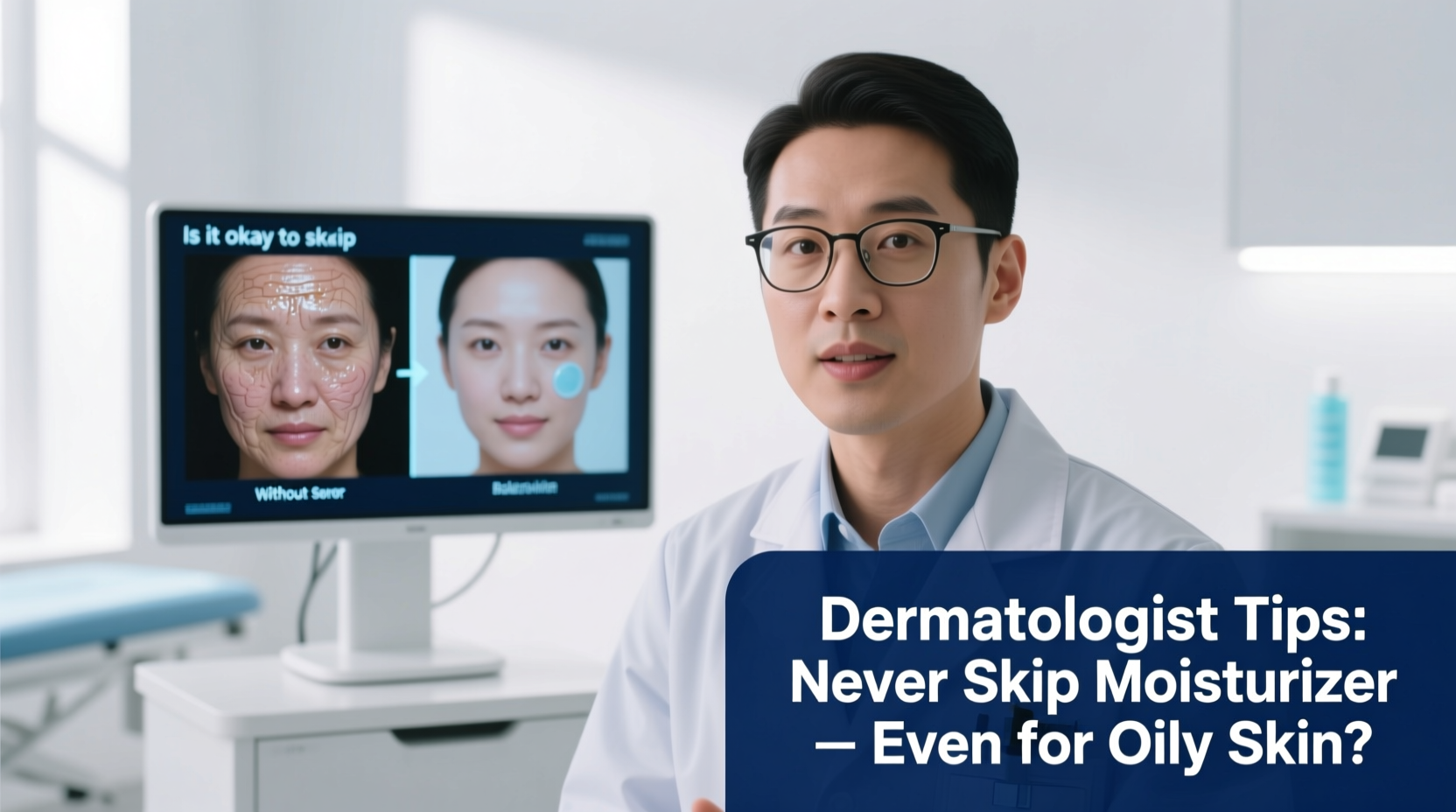
One of the most persistent myths in skincare is that oily skin doesn’t need hydration. In reality, oil (sebum) and moisture (water content) are two different components of skin health. Sebum is produced by sebaceous glands to protect and lubricate the skin, while hydration refers to the water levels within the skin’s layers. When skin lacks adequate hydration, it becomes dehydrated—a condition that can occur regardless of how much oil your skin produces.
Dermatologist Dr. Lena Patel explains:
“Oily skin can absolutely be dehydrated. People often confuse oiliness with hydration, but they’re not the same. Skipping moisturizer may strip the skin of essential humectants, leading to increased transepidermal water loss and triggering more oil production as a defense mechanism.”
When the skin barrier is compromised due to dehydration, it sends signals to the sebaceous glands to produce more oil in an attempt to restore balance. This creates a vicious cycle: dryness leads to more oil, which leads to more shine and potentially more acne.
Tip: Look for lightweight, non-comedogenic moisturizers labeled “oil-free” or “gel-based” to hydrate without heaviness.The Risks of Skipping Moisturizer
Avoiding moisturizer might seem like a shortcut to less shine, but the long-term consequences can be detrimental. Here’s what happens when oily skin goes without proper hydration:
- Increased sebum production: Dehydrated skin tricks the body into thinking it needs more oil, ramping up sebum output.
- Weakened skin barrier: Without proper hydration, the stratum corneum—the outermost layer—becomes brittle and prone to irritation.
- More frequent breakouts: A compromised barrier allows bacteria and pollutants to penetrate more easily, increasing acne risk.
- Premature aging: Chronic dehydration contributes to fine lines and dullness, even in younger individuals.
- Peeling and flakiness: Paradoxically, oily skin can appear both shiny and flaky if internal moisture levels are low.
In clinical settings, dermatologists often see patients who’ve avoided moisturizers for years only to develop reactive oiliness and sensitivity. “They come in complaining of constant shine and acne,” says Dr. Patel, “and when we review their routine, they’re using strong cleansers and no moisturizer. We start them on a simple hydrating regimen, and within weeks, their oil production stabilizes.”
Choosing the Right Moisturizer for Oily Skin
Not all moisturizers are created equal. For oily skin types, the key is selecting formulations that deliver hydration without contributing to congestion or shine. Below is a comparison of common moisturizer types and their suitability for oily skin.
| Type | Texture | Best For | Caution |
|---|---|---|---|
| Gel | Lightweight, fast-absorbing | Oily, acne-prone skin | Avoid alcohol-heavy formulas |
| Water-based | Thin, fluid consistency | All-day wear under makeup | May require reapplication in dry climates |
| Cream | Thicker, richer | Dry or combination skin | Can feel heavy; avoid if highly oily |
| Hydrating serums | Runny, concentrated | Layering under sunscreen | Not a full replacement for moisturizer |
Ingredients matter just as much as texture. Seek out products containing:
- Hyaluronic acid: Binds water to the skin without clogging pores.
- Niacinamide: Regulates oil production and strengthens the skin barrier.
- Glycerin: A gentle humectant that draws moisture into the skin.
- Ceramides: Help repair and maintain the protective lipid layer.
Avoid heavy occlusives like petroleum or mineral oil unless used sparingly at night. Also, steer clear of fragranced formulas, which can irritate sensitive, acne-prone skin.
Real Example: How One Patient Transformed Her Routine
Sophia, a 28-year-old marketing executive, had struggled with oily skin since her teens. She washed her face twice daily with a foaming cleanser, used toner with alcohol, and skipped moisturizer entirely, believing it would make her face shinier. By her late twenties, she noticed more frequent breakouts along her jawline and patches of flaking near her nose despite oily cheeks.
After visiting a dermatologist, she was diagnosed with a compromised skin barrier and reactive seborrhea. Her doctor prescribed a gentle cleanser, a niacinamide-infused gel moisturizer, and daily sunscreen. Within six weeks, Sophia reported reduced oiliness, fewer breakouts, and a smoother texture. “I was shocked,” she said. “Using a moisturizer actually made my face less oily. I wish I’d known this sooner.”
Step-by-Step Guide to Moisturizing Oily Skin
Getting the most out of your moisturizer involves more than just slathering it on. Follow this dermatologist-approved sequence for optimal results:
- Cleanse gently: Use a sulfate-free, pH-balanced cleanser. Avoid scrubbing or hot water, which can strip natural oils and trigger rebound oiliness.
- Pat dry—don��t rub: Towel-dry your face lightly to preserve some surface moisture.
- Apply while skin is damp: Lock in hydration by applying moisturizer within 60 seconds of cleansing. This prevents evaporation of water from the skin’s surface.
- Use the right amount: A pea-sized portion is usually enough for the entire face. Over-application can lead to buildup and clogged pores.
- Layer sunscreen during the day: Choose an oil-free, non-comedogenic SPF 30 or higher. Sun damage weakens the skin barrier and can increase oil production over time.
- Consider nighttime treatments: If using retinoids or exfoliants, follow with moisturizer to minimize irritation and dryness.
Common Mistakes to Avoid
Even with good intentions, many people sabotage their skincare efforts. Here are the top mistakes made by those with oily skin:
- Over-cleansing: Washing more than twice a day strips the skin and increases oil production.
- Using alcohol-based toners: These may feel “refreshing” but disrupt the skin’s pH and cause long-term dryness.
- Skipping sunscreen: UV exposure damages collagen and can stimulate sebum glands.
- Layering too many active ingredients: Combining multiple exfoliants or acne treatments without moisturizing can lead to irritation.
- Believing blotting papers are enough: While useful for midday shine control, they don’t address underlying hydration needs.
Remember: the goal isn’t to eliminate oil completely—that’s neither possible nor healthy. Instead, aim for balanced, resilient skin that feels comfortable throughout the day.
Frequently Asked Questions
Can I use moisturizer if I have acne-prone skin?
Yes—and you should. Many acne treatments like benzoyl peroxide and retinoids are drying and can worsen irritation if not balanced with hydration. Opt for non-comedogenic, fragrance-free formulas designed for sensitive or acne-prone skin. Studies show that proper moisturization can improve tolerance to acne medications and reduce treatment-related peeling.
Won’t moisturizer make my skin greasier during the day?
Only if you're using the wrong type. Heavy creams or pore-clogging ingredients can contribute to shine and breakouts. Switch to a lightweight, water-based gel moisturizer and apply a thin layer. Most modern formulations absorb quickly and leave a matte finish. You can also use a setting powder or blotting paper later in the day if needed.
Is it okay to skip moisturizer at night?
No. Nighttime is when your skin repairs itself, and hydration supports this process. Skipping moisturizer overnight can impair cell turnover and barrier recovery. Even oily skin benefits from a light, reparative formula applied before bed. Consider using a slightly richer product at night only if your skin feels tight or flaky after washing.
Dermatologist Checklist: Healthy Skincare Routine for Oily Skin
Follow this concise checklist to build a sustainable, effective routine:
- ✅ Use a gentle, non-stripping cleanser twice daily
- ✅ Apply a lightweight, non-comedogenic moisturizer every morning and night
- ✅ Wear broad-spectrum sunscreen daily, even indoors
- ✅ Avoid harsh scrubs and alcohol-based toners
- ✅ Introduce actives (like salicylic acid or retinol) gradually
- ✅ Hydrate internally by drinking plenty of water
- ✅ Replace pillowcases regularly to reduce bacterial transfer
Conclusion: Moisture Is Non-Negotiable
Skincare isn’t one-size-fits-all, but the principle of hydration applies universally. Oily skin doesn’t mean well-hydrated skin—it often means imbalanced skin crying out for proper care. Dermatologists agree: skipping moisturizer is a shortcut to more problems, not fewer. With the right product and routine, you can maintain a clear, balanced complexion without sacrificing comfort or long-term health.
Your skin deserves thoughtful attention, not deprivation. Start today by incorporating a suitable moisturizer into your regimen and observe the transformation—not just in shine levels, but in overall resilience and clarity.
💬 Have questions about your current routine? Share your experience in the comments below—let’s build a community of informed, confident skincare choices together.








