
Sleep is a cornerstone of health, influencing everything from cognitive performance to emotional regulation and immune function. Yet, modern habits—like falling asleep to the glow of a television screen—are quietly undermining sleep quality for millions. While watching TV before bed may feel relaxing, the reality is more complex. The presence of light, sound, and mental stimulation from a running TV can significantly disrupt the body’s natural sleep processes. Understanding whether it's better to sleep with the TV on or off isn't just about personal preference—it's about aligning your environment with your biology.
The Science of Sleep and Environmental Stimuli
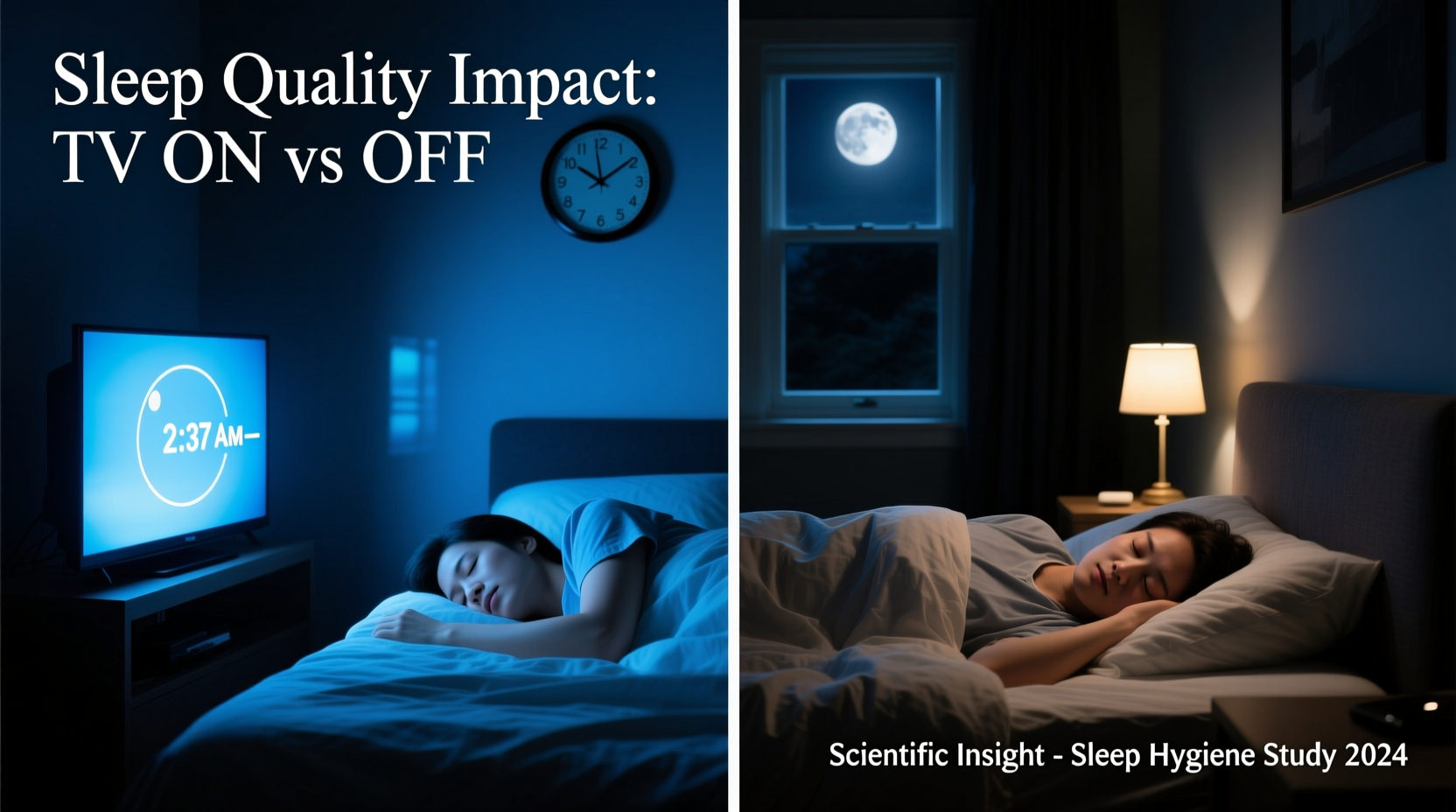
Sleep is regulated by two primary systems: the circadian rhythm and homeostatic sleep drive. The circadian rhythm, often referred to as the body’s internal clock, follows a roughly 24-hour cycle and is heavily influenced by external cues—especially light. When darkness falls, the brain signals the pineal gland to release melatonin, a hormone that promotes drowsiness and prepares the body for sleep. Exposure to artificial light, particularly blue light emitted by screens like TVs, suppresses melatonin production and delays this crucial transition into rest.
Even if you fall asleep with the TV on, the quality of that sleep is compromised. Research shows that ambient noise and flickering light from a television can fragment sleep architecture, reducing time spent in deep (slow-wave) sleep and REM (rapid eye movement) sleep—both essential for memory consolidation, emotional regulation, and physical recovery.
“Light at night is one of the most potent disruptors of circadian biology. Even low levels from a TV can delay melatonin onset and reduce sleep efficiency.” — Dr. Matthew Walker, Neuroscientist and author of *Why We Sleep*
How Sleeping with the TV On Disrupts Sleep Quality
The negative effects of sleeping with the TV on are not limited to the moment you’re trying to fall asleep—they extend throughout the entire night. Here’s how:
- Delayed Sleep Onset: Blue light exposure suppresses melatonin, making it harder to feel sleepy and prolonging the time it takes to fall asleep.
- Fragmented Sleep: Sudden sounds, volume changes, or scene shifts can cause micro-awakenings—brief interruptions that prevent continuous, restorative sleep.
- Reduced REM and Deep Sleep: These critical stages are vulnerable to disruption. A study published in *Sleep Medicine* found that participants exposed to nighttime TV had up to 30% less REM sleep compared to those in dark, quiet environments.
- Circadian Misalignment: Chronic exposure to light at night can shift your internal clock, leading to long-term issues like insomnia or daytime fatigue.
Benefits of Sleeping with the TV Off
Turning the TV off before bed creates an environment conducive to high-quality sleep. Darkness signals safety and rest to the brain, allowing melatonin to rise naturally. Silence—or consistent, soothing background noise—supports uninterrupted sleep cycles.
A 2021 study from the American Academy of Sleep Medicine followed over 500 adults and found that those who slept in completely dark rooms reported:
- Faster sleep onset (falling asleep within 15–20 minutes)
- Higher sleep efficiency (more time asleep relative to time in bed)
- Better mood and alertness the following day
- Lower risk of obesity and metabolic disorders linked to poor sleep
Additionally, removing the TV from the bedroom eliminates temptation for late-night binge-watching, which often leads to delayed bedtimes and irregular sleep schedules.
Practical Alternatives to Falling Asleep with the TV On
Many people use the TV as a sleep aid because they struggle with racing thoughts, anxiety, or boredom at bedtime. However, healthier alternatives exist that support relaxation without disrupting sleep physiology.
Step-by-Step Guide to Replacing TV with Better Bedtime Habits
- Establish a 60-minute wind-down routine: Begin an hour before bed by dimming lights and turning off all screens, including phones and tablets.
- Engage in low-stimulation activities: Read a physical book, practice gentle stretching, or listen to calming music or a podcast without visuals.
- Use white noise or nature sounds: If silence feels unsettling, use a sound machine or app with consistent, non-intrusive audio like rain or ocean waves.
- Practice mindfulness or breathing exercises: Try 4-7-8 breathing (inhale for 4 seconds, hold for 7, exhale for 8) to calm the nervous system.
- Keep the bedroom cool and dark: Ideal sleep temperatures range between 60–67°F (15–19°C). Use blackout curtains if needed.
| Habit | Sleep with TV On | Sleep with TV Off |
|---|---|---|
| Melatonin Production | Suppressed | Natural rise |
| Sleep Onset Time | Slower (30+ minutes) | Faster (15–20 minutes) |
| REM Sleep Duration | Reduced | Optimal |
| Nocturnal Awakenings | Frequent (due to sound/light) | Rare |
| Daytime Alertness | Lower | Higher |
Real-Life Example: Sarah’s Sleep Transformation
Sarah, a 34-year-old marketing professional, used to fall asleep watching late-night talk shows. She’d drift off around midnight but wake up groggy and unrefreshed. After tracking her sleep with a wearable device, she discovered she was spending only 18% of her night in deep sleep—well below the recommended 20–25%. Her doctor suggested removing the TV from her bedroom.
She replaced her TV habit with a nightly ritual: herbal tea, 10 minutes of journaling, and a short audiobook played on a speaker with no screen. Within two weeks, her sleep onset improved by 40%, and her deep sleep increased to 23%. “I didn’t realize how much the TV was affecting me until I stopped,” she said. “Now I wake up feeling like I’ve actually rested.”
Common Myths About Sleeping with the TV On
Despite growing evidence, several myths persist about using the TV as a sleep aid:
- Myth: “The TV helps me relax.”
Reality: While it may provide temporary distraction, the mental engagement and sensory input keep the brain active, delaying true relaxation.
- Myth: “If I don’t hear the TV, I can’t fall asleep.”
Reality: This is often a learned dependency. With consistent replacement routines, the brain can reassociate bedtime with calm, screen-free activities.
- Myth: “As long as I’m not watching, it’s fine.”
Reality: Even if you’re not consciously paying attention, the flickering light and intermittent sounds still affect sleep continuity and melatonin levels.
Checklist: Transitioning to a TV-Free Bedroom
Follow this actionable checklist to create a sleep-supportive environment:
- ✅ Remove the TV from the bedroom or cover it with a cloth to reduce visual cues
- ✅ Set a consistent bedtime and wake time, even on weekends
- ✅ Charge phones and devices outside the bedroom
- ✅ Install blackout curtains or use a sleep mask
- ✅ Introduce a calming pre-sleep routine (reading, meditation, etc.)
- ✅ Use a white noise machine if background sound is needed
- ✅ Avoid caffeine after 2 p.m. and heavy meals close to bedtime
Frequently Asked Questions
Can leaving the TV on cause long-term sleep problems?
Yes. Chronic exposure to light and sound at night can lead to persistent circadian misalignment, increasing the risk of insomnia, depression, and cardiovascular issues. Over time, the brain may struggle to initiate sleep without external stimulation, creating a dependency that undermines natural sleep patterns.
What if I have trouble falling asleep without noise?
Consider using a dedicated sound machine or app that plays consistent, low-frequency sounds like white noise, pink noise, or nature sounds. Unlike a TV, these tools provide steady auditory input without disruptive changes in volume or content.
Is it okay to watch TV before bed if I turn it off when I fall asleep?
It depends on timing. Watching TV more than 90 minutes before bed has less impact, especially if the content is calm and the brightness is reduced. However, watching right before sleep—even if turned off—still exposes you to blue light and mental stimulation that can delay sleep onset.
Conclusion: Prioritize Sleep by Turning the TV Off
The evidence is clear: sleeping with the TV off supports deeper, more restorative sleep. While the immediate comfort of background noise or familiar shows may seem beneficial, the long-term costs to sleep quality and overall health are significant. By replacing the TV with intentional, calming routines, you give your body the opportunity to enter and maintain the sleep stages it needs to function optimally.
Small changes—like reading instead of scrolling, using dim lighting, and keeping electronics out of the bedroom—can yield profound improvements in how you feel each morning. Sleep isn’t just about duration; it’s about quality. And quality begins the moment you decide to turn the TV off.
💬 Ready to improve your sleep? Start tonight by powering down the TV and trying a screen-free wind-down routine. Share your experience or tips in the comments below—your journey could inspire someone else to rest better.








