
Intermittent fasting has surged in popularity over the past decade, touted as a revolutionary way to lose weight, improve metabolic health, and even extend lifespan. From celebrities to fitness influencers, many have embraced it as a lifestyle. But beneath the hype lies a critical question: is intermittent fasting truly sustainable over the long term, or is it simply another passing diet trend destined to fade like low-fat mania or juice cleanses?
The answer isn’t simple. While scientific research supports certain benefits of time-restricted eating and periodic fasting, sustainability depends heavily on individual biology, psychology, lifestyle, and how the practice is implemented. Unlike rigid diets that dictate *what* you eat, intermittent fasting focuses on *when* you eat—making it flexible but also vulnerable to misinterpretation and burnout.
The Science Behind Intermittent Fasting
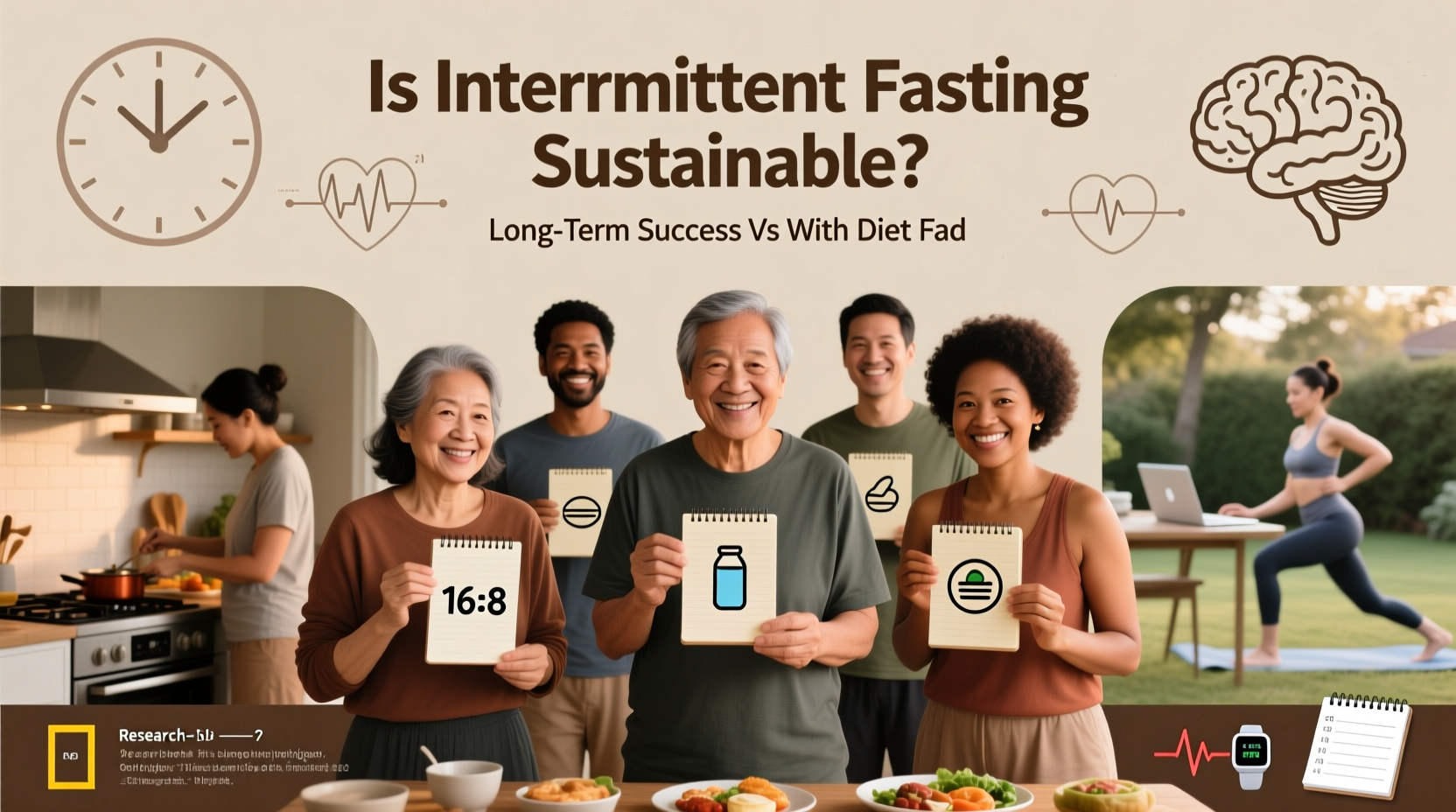
Intermittent fasting (IF) refers to eating patterns that cycle between periods of eating and fasting. Common methods include the 16:8 method (16 hours fasting, 8-hour eating window), the 5:2 approach (five days of normal eating, two non-consecutive days with reduced calorie intake), and alternate-day fasting.
At the cellular level, fasting triggers several biological processes. When insulin levels drop during fasting, the body shifts from using glucose to burning stored fat for energy. This metabolic switch promotes fat loss and may improve insulin sensitivity. Additionally, fasting stimulates autophagy—a cellular “cleanup” process where damaged components are recycled, potentially reducing inflammation and slowing aging.
A 2020 review published in The New England Journal of Medicine found that intermittent fasting can lead to weight loss, improved blood sugar control, reduced blood pressure, and better cholesterol profiles. These findings suggest meaningful physiological benefits beyond short-term weight loss.
“Intermittent fasting isn’t just about calorie restriction—it’s about timing. The metabolic effects appear to be independent of total calories, which makes it uniquely powerful.” — Dr. Mark Mattson, former chief of the Laboratory of Neurosciences at the National Institute on Aging
However, most clinical trials on IF last between 8 and 12 weeks. Long-term studies—beyond one year—are limited. That gap raises questions about whether these benefits persist or if adherence declines over time.
Sustainability: What the Research and Real Life Reveal
Sustainability hinges on two factors: physiological impact and behavioral feasibility. A protocol might work biologically but fail if people can’t stick with it.
A 2023 study in JAMA Internal Medicine compared intermittent fasting to daily calorie restriction over 12 months. Participants in both groups lost similar amounts of weight initially, but by the end of the year, dropout rates were significantly higher in the fasting group—nearly 40% abandoned the regimen. Reasons included difficulty maintaining social routines, hunger during fasting windows, and fatigue affecting work performance.
This mirrors real-world experience. Many people find initial success with IF—shedding 10 to 15 pounds in the first few months—but struggle when life events interfere: holidays, travel, illness, or changes in work schedules. Without built-in flexibility, fasting can become a source of stress rather than wellness.
Tip: Start with a 12-hour fast (e.g., 7 PM to 7 AM) and gradually increase the window. This eases your body into metabolic flexibility without shock.Common Pitfalls That Undermine Long-Term Success
Even well-intentioned individuals fall into traps that turn intermittent fasting from a sustainable habit into a short-lived experiment. Awareness of these pitfalls is key to avoiding them.
- Overeating during eating windows: Some compensate for fasting by consuming excessive calories, negating any deficit. This often leads to stalled progress and frustration.
- Rigid scheduling: Strict adherence to a 16:8 window every single day may not align with changing lifestyles, leading to guilt and abandonment.
- Neglecting nutrient quality: Fasting doesn’t license poor food choices. Eating processed foods during feeding periods undermines metabolic health.
- Ignoring hunger cues: Pushing through intense hunger or dizziness can disrupt hormonal balance, especially in women, potentially affecting menstrual cycles and cortisol levels.
- Social isolation: Avoiding meals with family or friends due to timing conflicts reduces quality of life and increases relapse risk.
Real Example: Sarah’s Journey with 16:8 Fasting
Sarah, a 38-year-old teacher from Portland, began intermittent fasting after reading about its brain health benefits. She adopted a 16:8 schedule, skipping breakfast and eating between noon and 8 PM. Within three months, she lost 12 pounds and felt more focused.
But when her school hosted evening events requiring late dinners, she struggled. She either broke her fast inconsistently or felt deprived. After six months, she reverted to regular eating patterns. “It worked until life got busy,” she said. “I didn’t want to feel like I was failing every time I ate with my kids.”
Sarah eventually returned to a modified version—fasting only on weekdays—and found that balance more realistic. Her story illustrates a crucial point: sustainability often requires personalization, not dogma.
Keys to Making Intermittent Fasting Last
For intermittent fasting to move beyond a fad, it must evolve from a rigid rule into an adaptable strategy. Here are evidence-based practices that support long-term adoption.
1. Prioritize Flexibility Over Rigidity
Instead of enforcing a strict 16:8 schedule seven days a week, consider a variable approach. Fast five days a week, allow weekends to be more flexible, or adjust based on activity level. For example, fast on sedentary days and eat normally after intense workouts.
2. Focus on Food Quality, Not Just Timing
Fasting amplifies the importance of nutrition during eating windows. Prioritize whole foods—vegetables, lean proteins, healthy fats, and fiber-rich grains. Poor-quality food can spike insulin and negate metabolic gains.
3. Listen to Your Body
Chronic fatigue, irritability, disrupted sleep, or missed periods are red flags. These signals suggest the current fasting protocol may not suit your physiology. Adjust or pause as needed.
4. Align With Lifestyle Rhythms
If your job involves night shifts or frequent travel, standard fasting windows may not work. Consider circadian-aligned fasting—eating earlier in the day (e.g., 8 AM–4 PM)—which some studies show improves insulin sensitivity more than late eating.
“Sustainability comes from integration, not deprivation. The best diet is the one you can live with forever—not suffer through for six weeks.” — Dr. David Ludwig, Harvard Medical School, obesity and nutrition researcher
Checklist: Building a Sustainable Intermittent Fasting Routine
- Start with a manageable fasting window (12–14 hours).
- Gradually extend the fast as your body adapts.
- Eat balanced, nutrient-dense meals during feeding periods.
- Stay hydrated with water, herbal tea, or black coffee during fasts.
- Track energy, mood, and sleep—not just weight.
- Allow flexibility for social events and life changes.
- Reassess monthly: Are you thriving or just enduring?
- Consult a healthcare provider if you have diabetes, are pregnant, or have a history of disordered eating.
Comparison Table: Intermittent Fasting vs. Traditional Diets
| Factor | Intermittent Fasting | Traditional Calorie-Restricted Diet |
|---|---|---|
| Focus | When you eat | What and how much you eat |
| Flexibility | High (if adapted personally) | Moderate to low (requires tracking) |
| Weight Loss Efficacy (short-term) | High | High |
| Long-Term Adherence | Moderate (~60% continue after 1 year) | Low (~30–40% continue) |
| Nutritional Emphasis | Can be neglected | Usually emphasized |
| Social Compatibility | Variable (depends on schedule) | Moderate (can plan meals) |
| Metabolic Benefits | Potential for improved insulin sensitivity, autophagy | Mainly weight-related improvements |
FAQ: Addressing Common Concerns
Can intermittent fasting slow down my metabolism?
Short-term studies show no significant metabolic slowdown with intermittent fasting, especially when protein intake and muscle mass are maintained. However, prolonged extreme fasting or very low-calorie intake during eating windows can reduce resting metabolic rate. Moderation and adequate nutrition are essential.
Is intermittent fasting safe for women?
For most women, yes—especially with moderate approaches like 14:10 or 12:12. However, some women report menstrual irregularities or increased stress hormones with aggressive fasting. Those with PCOS may benefit, but anyone with reproductive concerns should consult a healthcare provider before starting.
Do I have to fast every day to see results?
No. Research shows benefits from as little as two non-consecutive fasting days per week (like the 5:2 method). Consistency matters less than overall pattern and dietary quality. Even occasional time-restricted eating can support metabolic health.
Conclusion: Beyond the Hype, Toward Sustainable Health
Intermittent fasting is neither a miracle cure nor a fleeting fad. It is a tool—one that holds genuine promise for improving metabolic health, supporting weight management, and possibly enhancing longevity. But like any tool, its value depends on how it’s used.
The difference between a fad and a lasting lifestyle change lies in adaptability. When practiced with mindfulness, flexibility, and attention to individual needs, intermittent fasting can be sustainable. When enforced rigidly, it often becomes another cycle of restriction, failure, and guilt.
The goal shouldn’t be perfection but progress. Whether you fast five days a week, practice early time-restricted eating, or adopt a seasonal fasting rhythm, what matters most is alignment with your body and life. Done right, intermittent fasting can be part of a healthier future—not just a chapter in a diet trend graveyard.
🚀 Ready to make intermittent fasting work for your life? Start small, stay consistent, and listen closely to your body. Share your journey or questions in the comments—your experience could help someone else find balance too.








