Green tea has long been celebrated for its health-promoting properties, from antioxidant support to metabolic benefits. As interest in concentrated wellness solutions grows, green tea extract (GTE) has become a popular dietary supplement. Found in capsules, powders, and functional beverages, it offers a potent dose of bioactive compounds—especially epigallocatechin gallate (EGCG) and caffeine. But with potency comes responsibility: is taking green tea extract every day truly safe, or could its stimulating effects pose hidden risks?
This article examines the scientific evidence behind daily green tea extract use, evaluates its potential side effects, and provides practical guidance for integrating it safely into your routine.
The Science Behind Green Tea Extract
Unlike brewed green tea, which contains diluted levels of active compounds, green tea extract is a concentrated form derived from the leaves of *Camellia sinensis*. The extraction process isolates key components, primarily catechins and caffeine, making it significantly more powerful than drinking several cups of tea.
The most studied catechin in green tea is EGCG, which accounts for 50–80% of the total catechins in the extract. EGCG is known for its antioxidant, anti-inflammatory, and fat-oxidizing properties. Studies suggest it may support cardiovascular health, improve insulin sensitivity, and even play a role in neuroprotection.
However, concentration brings complexity. A typical 500 mg green tea extract capsule can deliver as much EGCG as 8–10 cups of brewed green tea—and up to 100 mg of caffeine, depending on the formulation. This intensity raises valid concerns about overstimulation and liver toxicity, especially when consumed daily over extended periods.
“While green tea itself is widely regarded as safe, the concentrated nature of extracts shifts the risk-benefit equation. More isn’t always better.” — Dr. Lena Patel, Integrative Nutrition Specialist
Benefits of Daily Green Tea Extract Use
When used appropriately, green tea extract offers several well-documented advantages:
- Metabolic Support: Multiple studies show that GTE can modestly increase fat oxidation and resting energy expenditure, making it a common ingredient in weight management supplements.
- Antioxidant Protection: High levels of polyphenols help neutralize free radicals, reducing oxidative stress linked to chronic diseases.
- Cognitive Function: Caffeine and L-theanine (also present in some extracts) work synergistically to enhance focus, alertness, and mental clarity without the jitteriness associated with coffee.
- Cardiovascular Health: Research indicates that regular intake may lower LDL cholesterol and improve endothelial function, contributing to healthier blood pressure and circulation.
- Blood Sugar Regulation: Some clinical trials suggest GTE improves insulin sensitivity and glucose metabolism, particularly in individuals with prediabetes or metabolic syndrome.
These benefits are supported by meta-analyses and randomized controlled trials, but they typically involve doses within recommended limits—usually no more than 300–400 mg of EGCG per day.
Tip: Look for supplements standardized to 45–50% EGCG and containing less than 100 mg of caffeine per serving to balance efficacy with safety.Potential Risks and Overstimulation Concerns
The same compounds that make green tea extract beneficial can also trigger adverse effects if consumed excessively or by sensitive individuals.
Caffeine Sensitivity and Stimulation
One of the most common concerns is overstimulation due to caffeine content. While not as high as coffee, the caffeine in green tea extract can still cause:
- Anxiety or restlessness
- Insomnia or disrupted sleep patterns
- Rapid heartbeat (tachycardia)
- Digestive discomfort
- Headaches or dizziness
People who are sensitive to caffeine—or those managing conditions like anxiety disorders, hypertension, or arrhythmias—should approach GTE with caution. Even low-dose caffeine can accumulate when taken daily, leading to tolerance issues or dependency.
Liver Toxicity and EGCG Overload
A more serious concern involves hepatotoxicity. Although rare, there have been documented cases of acute liver injury linked to high-dose green tea extract supplements. The U.S. National Institutes of Health (NIH) notes that these cases often involve products providing more than 800 mg of EGCG per day, taken on an empty stomach.
The mechanism appears related to oxidative stress in liver cells caused by excessive EGCG. Unlike brewed tea, where EGCG is gradually absorbed, supplements deliver a sudden spike, overwhelming metabolic pathways in susceptible individuals.
“I’ve seen patients develop elevated liver enzymes after just six weeks of high-dose green tea extract. It’s crucial to monitor usage and avoid ‘megadosing’ trends.” — Dr. Alan Zhou, Hepatology Consultant
Safe Daily Use: Guidelines and Best Practices
Daily consumption of green tea extract can be safe—but only under specific conditions. The key lies in dosage, timing, and individual physiology.
Dosage Recommendations
Based on current research and regulatory guidelines:
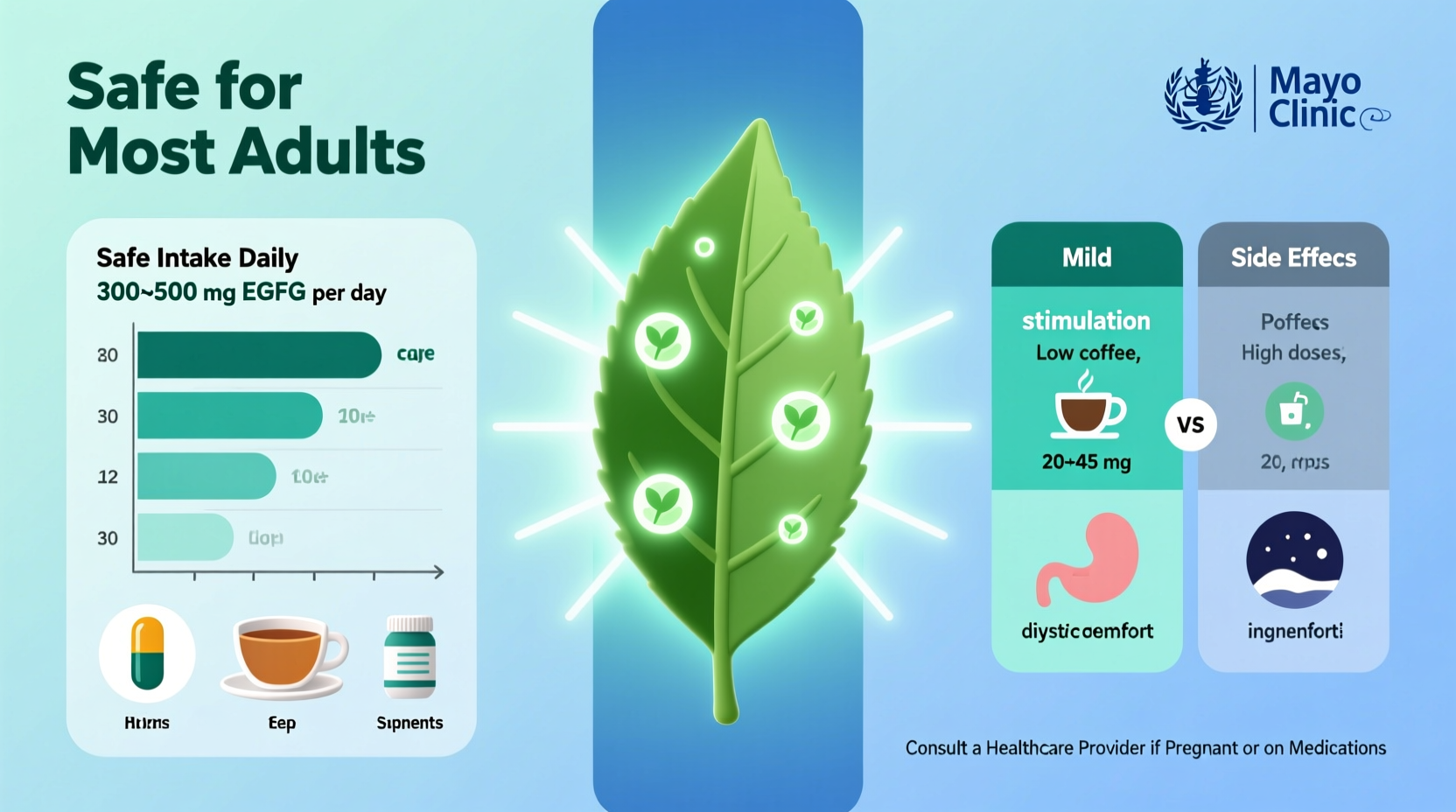
- EGCG: Limit intake to 300–400 mg per day from supplements.
- Total Green Tea Extract: Stay below 750 mg daily unless under medical supervision.
- Caffeine: Do not exceed 200 mg total from all sources, including GTE, coffee, and energy drinks.
It's also advisable to choose decaffeinated extracts if you're using GTE solely for its antioxidant benefits and wish to minimize stimulation.
Timing and Food Interactions
To reduce the risk of gastrointestinal upset and liver strain:
- Always take green tea extract with food.
- Avoid taking it first thing in the morning on an empty stomach.
- Split doses—e.g., one capsule with breakfast, another with lunch—to prevent peak concentration spikes.
- Avoid combining with other stimulants like guarana, yohimbine, or ephedra.
Who Should Avoid Green Tea Extract?
Certain populations should either avoid GTE or use it only under medical guidance:
- Pregnant or breastfeeding women (due to caffeine and limited safety data)
- Individuals with liver disease or history of liver dysfunction
- Those taking medications metabolized by the liver (e.g., statins, anticoagulants)
- People with anxiety disorders or insomnia
- Children and adolescents (lack of long-term safety studies)
| Factor | Safe Practice | Risky Behavior |
|---|---|---|
| Dosage | ≤400 mg EGCG/day | Exceeding 800 mg EGCG/day |
| Timing | With meals | On an empty stomach |
| Duration | Cycles of 8–12 weeks with breaks | Uninterrupted long-term use |
| Combination | Standalone or with non-stimulant supplements | Mixed with caffeine-heavy products |
Real-World Example: A Cautionary Case
Consider the case of Mark, a 38-year-old software developer aiming to boost his energy and lose weight. He began taking two capsules of a popular green tea extract supplement each morning—totaling 900 mg of extract and ~700 mg of EGCG—on an empty stomach before his workout.
Within three weeks, he noticed increased irritability, difficulty sleeping, and occasional heart palpitations. After five weeks, routine bloodwork revealed elevated liver enzymes (ALT and AST). His doctor advised immediate discontinuation and ruled out other causes. Within six weeks of stopping the supplement, his markers normalized.
Mark’s experience highlights how even seemingly natural supplements can disrupt bodily systems when misused. His mistake wasn’t the supplement itself, but the dose, timing, and lack of medical consultation.
Step-by-Step Guide to Safe Daily Use
If you’re considering incorporating green tea extract into your daily routine, follow this evidence-based timeline:
- Week 1: Research & Select
Choose a reputable brand with third-party testing (look for NSF or USP verification). Confirm EGCG and caffeine content per serving. - Week 2: Start Low
Begin with half the recommended dose (e.g., one capsule instead of two) taken with breakfast. - Week 3–4: Monitor Response
Track sleep quality, mood, digestion, and energy levels. Note any signs of overstimulation or discomfort. - Month 2: Reassess
If well-tolerated, proceed to full dose—but continue taking with food. Schedule a basic blood panel if using beyond eight weeks. - Ongoing: Cycle Usage
Use for 8–12 weeks, then take a 2–4 week break to allow your liver to reset and prevent tolerance buildup.
Frequently Asked Questions
Can I get the same benefits from drinking green tea instead?
Yes—drinking 3–5 cups of high-quality green tea daily provides meaningful amounts of EGCG and L-theanine with far lower risk. However, it won’t match the concentration needed for targeted metabolic effects seen in some studies. For general wellness, brewed tea is safer and sufficient.
Does green tea extract interact with medications?
Yes. GTE can interfere with drugs metabolized by the cytochrome P450 system, including certain antidepressants, beta-blockers, and anticoagulants like warfarin. It may also enhance the effects of stimulant medications. Always consult your pharmacist or physician before combining.
Is it safe to take green tea extract every day forever?
No long-term studies confirm the safety of continuous, lifelong use. Most experts recommend cycling—using it for several weeks, then pausing—to minimize cumulative risks, especially to the liver. Chronic daily intake without breaks increases the likelihood of adverse effects.
Conclusion: Balancing Safety and Stimulation
Green tea extract can be a valuable addition to a health-conscious lifestyle when used wisely. Its benefits—from enhanced metabolism to cellular protection—are backed by science. Yet its potency demands respect. Daily consumption is not inherently dangerous, but it must be approached with clear boundaries around dosage, timing, and personal health status.
The line between therapeutic and toxic is thinner with extracts than with whole foods. What starts as a wellness habit can quickly become a health liability if ignored signals like insomnia, digestive distress, or fatigue are dismissed.
Ultimately, safety lies not in avoiding supplements altogether, but in informed, intentional use. Listen to your body, prioritize quality over quantity, and never hesitate to seek professional guidance.
🚀 Ready to optimize your supplement routine? Share your experience with green tea extract in the comments or consult a healthcare provider to tailor your approach safely.








