
For individuals managing irritable bowel syndrome (IBS) or other functional gastrointestinal disorders, the low-FODMAP diet has become a cornerstone of symptom control. One of the most common—and painful—questions that arises during this dietary shift is: Can I still eat garlic? The answer isn’t a simple yes or no. While garlic is a culinary staple prized for its depth of flavor and health properties, it contains high levels of fructans, a type of FODMAP that can trigger bloating, gas, abdominal pain, and altered bowel habits in sensitive individuals.
Understanding how garlic interacts with the low-FODMAP framework is essential for maintaining both digestive comfort and culinary satisfaction. Eliminating garlic entirely may seem like the safest route, but doing so risks sacrificing flavor and nutritional benefits. Fortunately, emerging research and practical kitchen strategies offer nuanced solutions. This guide explores the science behind garlic and FODMAPs, examines safe usage thresholds, introduces viable alternatives, and provides actionable techniques to keep your meals flavorful without compromising gut health.
Definition & Overview
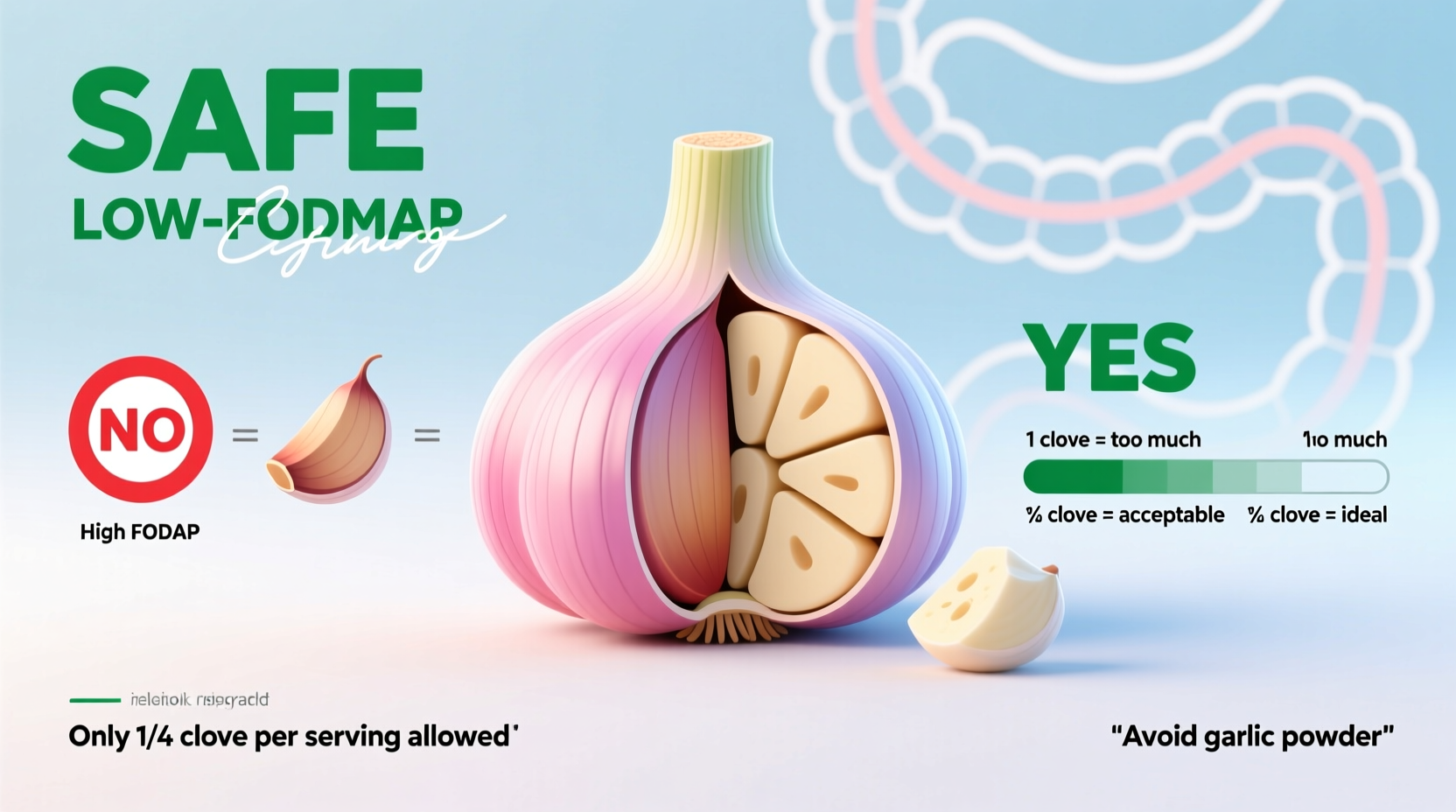
Garlic (Allium sativum) is a bulbous perennial plant belonging to the Amaryllidaceae family, closely related to onions, leeks, and shallots. Native to Central Asia, it has been cultivated for over 5,000 years and is now a foundational ingredient in cuisines worldwide—from Mediterranean and Middle Eastern to Asian and Latin American dishes.
Culinarily, garlic functions as both an aromatic and a flavor enhancer. When raw, it delivers a sharp, pungent bite; when cooked, especially sautéed or roasted, it mellows into a sweet, nutty richness that forms the backbone of countless sauces, soups, marinades, and stir-fries. Beyond taste, garlic is celebrated for its bioactive compounds, particularly allicin, which exhibits antimicrobial, anti-inflammatory, and cardiovascular-supporting properties.
However, from a digestive standpoint, garlic's reputation becomes complicated. It is rich in fructo-oligosaccharides (fructans), a class of short-chain carbohydrates classified under FODMAPs—fermentable oligosaccharides, disaccharides, monosaccharides, and polyols. These molecules are poorly absorbed in the small intestine and rapidly fermented by gut bacteria, leading to gas production and osmotic activity that can cause significant discomfort in people with IBS.
Key Characteristics
| Characteristic | Description |
|---|---|
| Flavor Profile | Pungent, spicy, and sulfurous when raw; sweet, mellow, and umami-rich when cooked. |
| Aroma | Strong, penetrating, due to volatile sulfur compounds released upon cutting or crushing. |
| Form | Bulb composed of individual cloves wrapped in papery skin; also available powdered, granulated, minced, or infused. |
| FODMAP Content | High in fructans—classified as high-FODMAP even in small amounts (≥1 clove). |
| Culinary Function | Aromatic base (e.g., in mirepoix or sofrito), flavor enhancer, natural preservative, medicinal agent. |
| Shelf Life | Whole bulbs: 3–6 months in cool, dry, dark conditions; peeled cloves: up to 1 week refrigerated; minced: 1–2 days unless frozen or preserved in oil. |
Practical Usage: How to Use Garlic on a Low-FODMAP Diet
The Monash University team, pioneers of the low-FODMAP diet, conducted extensive laboratory testing to determine safe serving sizes for garlic. Their findings reveal a critical insight: while whole garlic cloves are high in FODMAPs, **garlic-infused oil** allows for flavor extraction without transferring water-soluble fructans into the final product.
This discovery opens a powerful loophole for low-FODMAP cooking. Since fructans are water-soluble but not fat-soluble, infusing garlic in oil captures the aromatic compounds (such as diallyl sulfides) responsible for flavor while leaving the problematic carbohydrates behind. As long as the actual garlic pieces are strained out before consumption, the resulting oil remains low-FODMAP and safe for most individuals during the elimination phase.
TIP: To make homemade garlic-infused oil, gently heat crushed garlic cloves in olive oil over low heat for 10–15 minutes. Strain thoroughly using a fine-mesh sieve or cheesecloth. Store in a sealed glass jar in the refrigerator for up to two weeks. Never leave fresh garlic in oil at room temperature for extended periods due to botulism risk.
In practice, this means you can:
- Sauté aromatics in garlic-infused oil instead of adding raw garlic directly.
- Use commercially available low-FODMAP-certified garlic oils (check labels for added ingredients).
- Flavor soups, stews, and rice dishes by simmering a few garlic cloves in the broth, then removing them before serving.
Monash University specifies that a serving of **½ teaspoon (about 3 grams) of garlic is considered low-FODMAP**, but this amount is often insufficient for noticeable flavor. Therefore, volume-based use of whole garlic is generally discouraged during the strict elimination phase.
Variants & Types of Garlic Products
Not all garlic products behave the same way on a low-FODMAP diet. Understanding the differences between forms is crucial for making informed choices.
| Type | FODMAP Status | Recommended Use |
|---|---|---|
| Whole Fresh Cloves | High-FODMAP (≥1 clove) | Avoid during elimination phase; reintroduce later in challenge phase. |
| Garlic-Infused Oil | Low-FODMAP (if solids removed) | Sauteing, dressings, drizzling—ideal substitute for fresh garlic. |
| Garlic Powder | High-FODMAP (even ½ tsp) | Not recommended; highly concentrated form of fructans. |
| Granulated Garlic | High-FODMAP | Same concerns as powder; avoid during elimination. |
| Black Garlic | Likely high-FODMAP (no official data) | Use cautiously; fermentation may alter but not eliminate fructans. |
| Garlic Salt | High-FODMAP (contains garlic powder) | Check labels; typically unsuitable for low-FODMAP diets. |
| Asafoetida (Hing) | Low-FODMAP (in small amounts) | Excellent alternative—provides savory, umami depth similar to garlic-onion combo. |
Comparison with Similar Ingredients
Many cooks reach for garlic as part of a broader category of alliums and pungent seasonings. However, several substitutes can mimic aspects of garlic’s profile without triggering symptoms.
| Ingredient | Flavor Similarity | FODMAP Status | Notes |
|---|---|---|---|
| Onion | High (often used with garlic) | High-FODMAP (fructans) | Same restrictions apply; use onion-infused oil instead. |
| Shallot | Moderate (sweeter, more delicate) | High-FODMAP | Not suitable in regular amounts; green parts (scapes) may be low-FODMAP. |
| Leek (green tops only) | Mild onion-garlic note | Low-FODMAP (up to ½ cup sliced) | White root end is high-FODMAP; use only dark green leaves. |
| Chives | Mild garlicky-onion flavor | Low-FODMAP (1 tablespoon serving) | Add freshness and color; best used raw or as garnish. |
| Asafoetida (Hing) | Strong umami, sulfurous (resembles cooked garlic/onion) | Low-FODMAP (¼ tsp or less) | Potent—use sparingly; common in Indian cuisine; blends well with turmeric and cumin. |
| Garlic Chives (flower buds/stems) | Mild garlic note | Preliminary data suggests possible tolerance in small amounts | Not yet fully tested by Monash; use with caution. |
“The key to successful low-FODMAP cooking isn't deprivation—it's substitution and technique. Garlic doesn't have to disappear from your kitchen; it just needs to be handled differently.” — Dr. Jane Muir, Chief Research Scientist, Department of Gastroenterology, Monash University
Practical Tips & FAQs
Can I ever eat whole garlic again?
Yes—but not during the initial elimination phase. After 2–6 weeks of strict adherence, you can begin the reintroduction (challenge) phase under guidance from a registered dietitian. This involves systematically testing small amounts of garlic to assess personal tolerance. Some individuals tolerate ½ clove, while others react to even trace amounts. Personalization is key.
Is roasted garlic low-FODMAP?
No. Roasting changes the texture and sweetness of garlic but does not reduce its fructan content. Whole roasted cloves remain high-FODMAP and should be avoided during elimination.
What about garlic supplements?
Garlic capsules or aged garlic extracts vary widely in composition. Many contain concentrated fructans and are not advised during the elimination phase. Always consult a healthcare provider before taking supplements if you have IBS.
How do restaurants handle low-FODMAP garlic use?
Many professional kitchens now accommodate dietary needs. High-end or health-conscious establishments may use garlic-infused oil or asafoetida to flavor dishes labeled as “IBS-friendly” or “digestive wellness” focused. However, cross-contamination and undisclosed ingredients remain risks. Always ask about preparation methods when dining out.
Can I grow my own garlic chives or ramps safely?
Garlic chives (flowers and stems) show potential for lower FODMAP content, though formal testing is limited. Ramps (wild leeks) contain high levels of fructans in their bulbs—avoid those parts. The green leafy tops may be tolerable in small servings, similar to leek greens.
Are there certified low-FODMAP garlic products?
Yes. Brands such as FODY Foods offer garlic-infused olive oil explicitly labeled as low-FODMAP and tested by Monash. These products provide convenience and peace of mind, especially for beginners navigating the diet.
CHEF’S CHECKLIST: Low-FODMAP Garlic Strategy
- Discard whole garlic cloves during elimination phase.
- Use garlic-infused oil as primary flavor substitute.
- Try asafoetida (¼ tsp max per dish) in curries, lentils, or roasted vegetables.
- Enhance savoriness with low-FODMAP umami boosters: tamari (gluten-free soy sauce), nutritional yeast, smoked paprika, or toasted sesame oil.
- Label your infused oil clearly to avoid accidental use of regular garlic oil.
- Plan for reintroduction: keep a food and symptom journal starting day one of elimination.
Summary & Key Takeaways
Garlic, while nutritionally beneficial and universally beloved in global cuisines, poses a clear challenge on a low-FODMAP diet due to its high fructan content. Whole garlic cloves—even in modest quantities—are not considered safe during the elimination phase for individuals with IBS.
However, complete avoidance is not necessary. Through strategic techniques such as using garlic-infused oil or leveraging alternatives like asafoetida and chives, it’s entirely possible to recreate the depth and complexity garlic brings to food without sacrificing digestive comfort.
The distinction between using garlic and consuming garlic is critical: infusion allows flavor transfer without ingestion of FODMAPs. Commercially available low-FODMAP garlic oils and careful home preparation make this accessible to everyday cooks.
Ultimately, the goal of the low-FODMAP diet is not lifelong restriction but identification of personal triggers. Once baseline symptoms improve, structured reintroduction helps determine whether—and how much—garlic can be included in your long-term eating pattern.
Next Step: Try making a simple low-FODMAP tomato sauce using garlic-infused oil, canned diced tomatoes (low-FODMAP), fresh basil, and a pinch of asafoetida. Serve over gluten-free pasta with grilled chicken or tofu. Notice the depth of flavor—without the discomfort.









