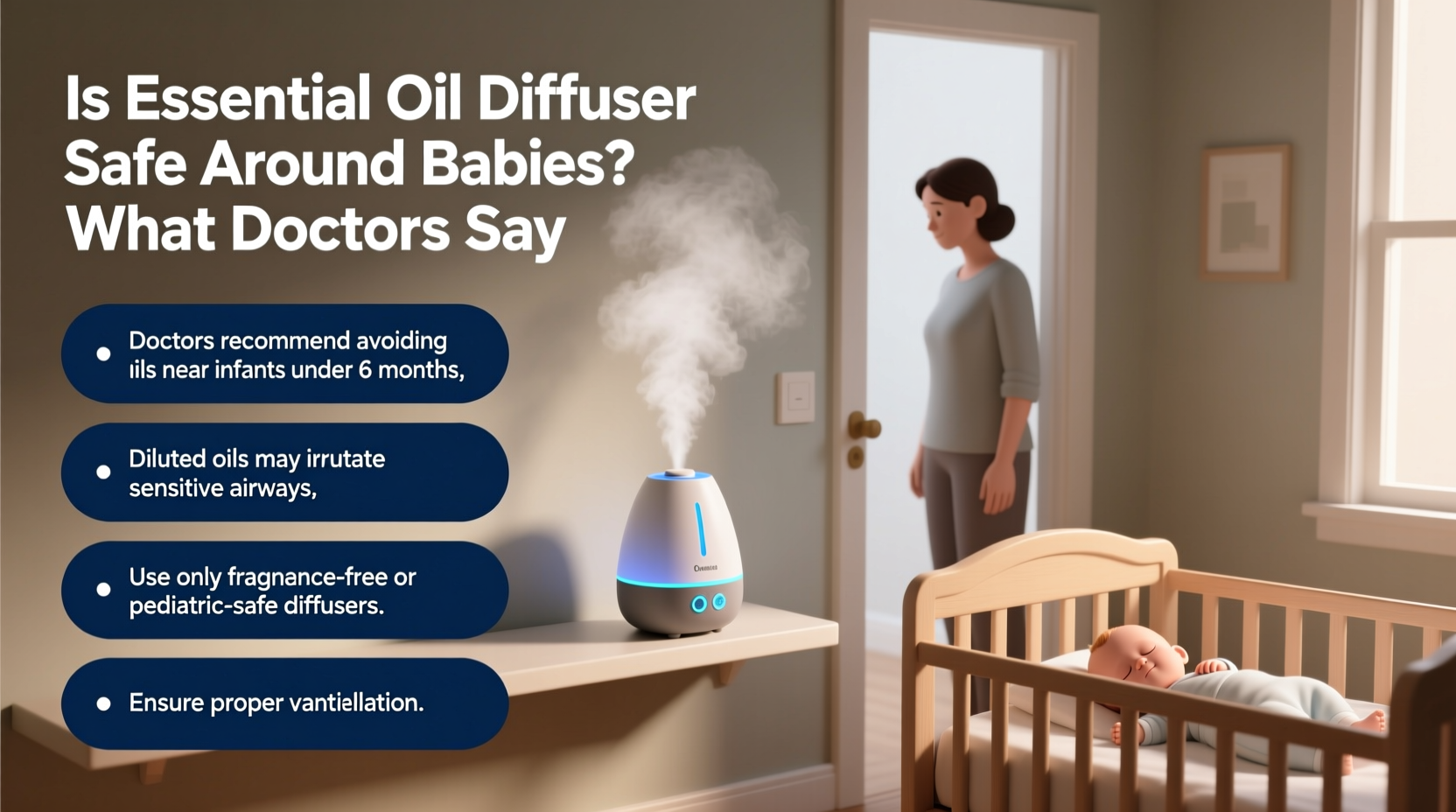
For many parents, the soothing scent of lavender or eucalyptus in the air offers a sense of calm, especially during late-night feedings or when trying to help a fussy baby sleep. Essential oil diffusers have become a staple in modern homes, praised for their ability to purify the air, reduce stress, and support wellness. But when it comes to infants—whose respiratory systems are still developing—the question arises: Are essential oil diffusers truly safe around babies?
Pediatricians and respiratory specialists urge caution. While essential oils can offer benefits, improper use—especially around newborns and infants under 6 months—can pose health risks. This article explores what medical professionals say about diffusing essential oils near babies, outlines evidence-based safety guidelines, and provides practical recommendations for parents who want to enjoy aromatherapy without compromising their child’s well-being.
Why Essential Oils Require Caution Around Infants
Essential oils are highly concentrated plant extracts that retain the natural fragrance and properties of their source. Though “natural,” this doesn’t automatically mean they’re safe for all age groups. In fact, their potency is precisely what makes them potentially hazardous for young children.
Infants have narrower airways, faster breathing rates, and immature liver enzymes responsible for metabolizing foreign substances. When essential oil particles are dispersed into the air via a diffuser, they can be inhaled deeply into delicate lung tissue. Some compounds may trigger irritation, bronchospasms, or even allergic reactions in sensitive individuals.
Dr. Sarah Johnson, a pediatric pulmonologist at Boston Children’s Hospital, explains:
“An infant’s lungs are still forming alveoli—the tiny sacs where oxygen exchange happens. Introducing strong aromatic compounds, even in diluted form, can disrupt this development or exacerbate underlying conditions like reflux or mild asthma.”
In addition, babies cannot verbalize discomfort. A cough, wheeze, or change in breathing patterns might be the only sign of irritation—and by then, exposure has already occurred.
What Medical Experts Recommend
Major health organizations, including the American Academy of Pediatrics (AAP) and the National Association of Pediatric Nurse Practitioners (NAPNAP), do not endorse the routine use of essential oil diffusers around infants under 6 months old. For older babies, use is conditionally permitted—with strict precautions.
A 2023 clinical review published in *Pediatrics* analyzed over 50 case reports involving adverse reactions in children linked to essential oil exposure. The study concluded that:
- Over 70% of incidents involved inhalation via diffusers or direct application.
- The most common symptoms included coughing, gagging, shortness of breath, and drowsiness.
- Eucalyptus, camphor, peppermint, and tea tree oils were the top culprits.
Based on these findings, pediatricians recommend avoiding any essential oil diffusion in rooms where babies sleep or spend prolonged periods—especially during the first trimester of life.
Tip: If you choose to diffuse oils, do so in a room separate from the baby’s nursery and ensure excellent ventilation before allowing re-entry.Safe vs. Unsafe Essential Oils for Use Around Babies
Not all essential oils carry the same risk level. Some are considered relatively gentle when used appropriately, while others are strongly discouraged due to neurotoxic or respiratory effects.
| Oil Type | Safety Status | Reason for Concern |
|---|---|---|
| Lavender (pure, therapeutic grade) | Conditionally safe after 6 months | Mild sedative; low irritation risk when diffused briefly |
| Chamomile (Roman) | Low risk after 6 months | Calmative properties; rarely causes reactions |
| Frankincense | Low to moderate risk after 6 months | Generally well-tolerated but may cause sensitization |
| Eucalyptus | Unsafe under 2 years | Can trigger bronchoconstriction; high cineole content |
| Peppermint | Unsafe under 30 months | May cause apnea or laryngospasm in infants |
| Tea Tree (Melaleuca) | Avoid entirely in infants | Linked to prepubertal gynecomastia and CNS depression |
| Rosemary | Not recommended under 1 year | Stimulant effect; may increase seizure risk in predisposed infants |
Even with “safer” oils, duration and concentration matter. Continuous diffusion—even of lavender—can lead to cumulative exposure and sensitization over time.
Step-by-Step Guide to Safer Diffusion Practices (If Used)
If you decide to use a diffuser while parenting an infant, follow this medically informed protocol to minimize risk:
- Wait until the baby is at least 6 months old – Their respiratory and metabolic systems are more developed by this stage.
- Choose a high-quality, 100% pure essential oil – Avoid synthetic fragrances or blends labeled as \"aromatherapy oils\" unless verified by a third party (e.g., GC/MS tested).
- Select only low-risk oils – Stick to lavender or chamomile initially, and introduce one oil at a time.
- Diffuse in short intervals – Run the diffuser for no more than 15–30 minutes at a time, followed by at least 1–2 hours off.
- Keep the baby out of the room during diffusion – Close the door and wait at least 30 minutes after turning it off before bringing the infant back in.
- Ventilate the space thoroughly – Open windows or use fans to clear residual particles from the air.
- Monitor closely for reactions – Watch for signs like sneezing, coughing, runny nose, rapid breathing, or skin flushing.
- Discontinue immediately if any reaction occurs – Even mild symptoms warrant stopping use and consulting your pediatrician.
This approach prioritizes precaution over convenience, aligning with current pediatric guidance.
Real-Life Example: A Parent’s Experience with Overexposure
Jenna, a first-time mother from Portland, began using a lavender and eucalyptus blend in her living room to help manage postpartum anxiety. Her 4-month-old son, Eli, slept in a bassinet just down the hall. After two weeks of nightly diffusion, she noticed Eli was frequently congested and waking up gasping.
At his 4-month checkup, the pediatrician asked about environmental exposures. Upon learning about the diffuser, he advised immediate discontinuation. “Eucalyptus, even in small amounts, can act as a respiratory irritant in infants,” he said. “It’s likely contributing to his nighttime breathing issues.”
Within three days of stopping the diffuser, Eli’s congestion improved and his sleep became more restful. Jenna switched to non-aromatic white noise and kept essential oils completely out of her routine until Eli turned one.
Her experience underscores how subtle exposures can have tangible effects—and why professional input matters.
Expert Consensus: What Top Pediatric Institutions Say
Leading children’s hospitals and medical associations maintain consistent stances on essential oil safety:
- Mayo Clinic: “Avoid using essential oils around infants younger than 6 months. Even indirect exposure through diffusion can lead to airway irritation.”
- Cleveland Clinic Center for Pediatric Wellness: “There is no proven benefit to diffusing oils around babies, but documented risks exist. We recommend skipping diffusers entirely in households with infants.”
- American Lung Association: “Volatile organic compounds (VOCs) released by essential oils can degrade indoor air quality. For vulnerable populations like infants, this poses an unnecessary risk.”
These institutions emphasize that while adults may benefit from aromatherapy, infants lack the physiological resilience to process such compounds safely. The absence of regulatory oversight for essential oil labeling further complicates consumer decision-making.
“The safest environment for a baby is one free of added aerosols, scents, and chemical volatiles. That includes essential oils.” — Dr. Linda Chen, Neonatologist, Johns Hopkins All Children’s Hospital
Practical Checklist for Parents Using Diffusers
If you're considering using a diffuser in a home with a baby, refer to this checklist to make informed decisions:
- ✅ Confirm your baby is over 6 months old
- ✅ Consult your pediatrician before introducing any oil
- ✅ Use only single-note, pure oils (no blends)
- ✅ Avoid known high-risk oils (peppermint, eucalyptus, rosemary, tea tree)
- ✅ Diffuse only when the baby is not in the room
- ✅ Limit sessions to 15–30 minutes max
- ✅ Ensure strong ventilation post-diffusion
- ✅ Observe baby closely after any exposure
- ❌ Never place a diffuser in the nursery or crib area
- ❌ Do not use while baby is sleeping nearby
This checklist serves as a safeguard against unintentional harm and supports mindful use.
Frequently Asked Questions
Can I use a diffuser if my baby has asthma or reflux?
No. Children with reactive airways, asthma, or gastroesophageal reflux disease (GERD) are at higher risk of complications from airborne irritants. Even mild essential oils can trigger coughing, wheezing, or increased spitting up. Most pediatric pulmonologists advise complete avoidance in these cases.
Are there safe alternatives to essential oil diffusers?
Yes. To create a calming atmosphere without risking respiratory irritation, consider:
- Using fragrance-free humidifiers to maintain moisture in dry rooms
- Playing soft music or white noise for sleep support
- Opening windows for fresh air circulation
- Practicing dim lighting and consistent bedtime routines
What should I do if my baby shows signs of essential oil exposure?
If your baby develops coughing, difficulty breathing, vomiting, lethargy, or skin rash after diffuser use, stop immediately. Move them to fresh air and monitor symptoms. For severe reactions—such as labored breathing or drowsiness—seek emergency medical care. You can also contact Poison Control (1-800-222-1222 in the U.S.) for guidance specific to the oil involved.
Conclusion: Prioritizing Safety Over Scent
While essential oil diffusers are widely marketed as tools for wellness, their use around babies demands careful evaluation. Medical experts agree: the potential risks often outweigh the unproven benefits, particularly for infants under 6 months. Even older babies may react unpredictably to volatile plant compounds, making cautious—or zero—use the wisest choice.
Creating a nurturing environment for your baby doesn’t require added scents or aromatherapy gadgets. Clean air, consistent routines, gentle touch, and responsive caregiving are far more impactful—and completely safe. If you do opt to use a diffuser, follow strict safety protocols, prioritize pediatric guidance, and remain vigilant for any signs of discomfort.
🚀 Your baby’s health starts with the air they breathe. Share this information with fellow parents, talk to your pediatrician, and make choices rooted in science—not trends.








