Dry shampoo has become a staple in modern hair care routines—especially for those with busy lifestyles. It offers a quick fix between washes by absorbing excess oil, adding volume, and refreshing the scalp. But for individuals who invest time and money into professional hair coloring, a pressing question arises: Is dry shampoo truly safe for colored hair, or does it accelerate fading over time? The answer isn’t black and white. While dry shampoo can be used safely on color-treated hair, certain ingredients, application habits, and product choices can influence how well your dye holds up.
Understanding the interaction between dry shampoo and hair dye chemistry is key to preserving vibrancy and extending the life of your color. With the right knowledge, you can enjoy the convenience of dry shampoo without compromising your salon-fresh look.
How Dry Shampoo Works on Hair
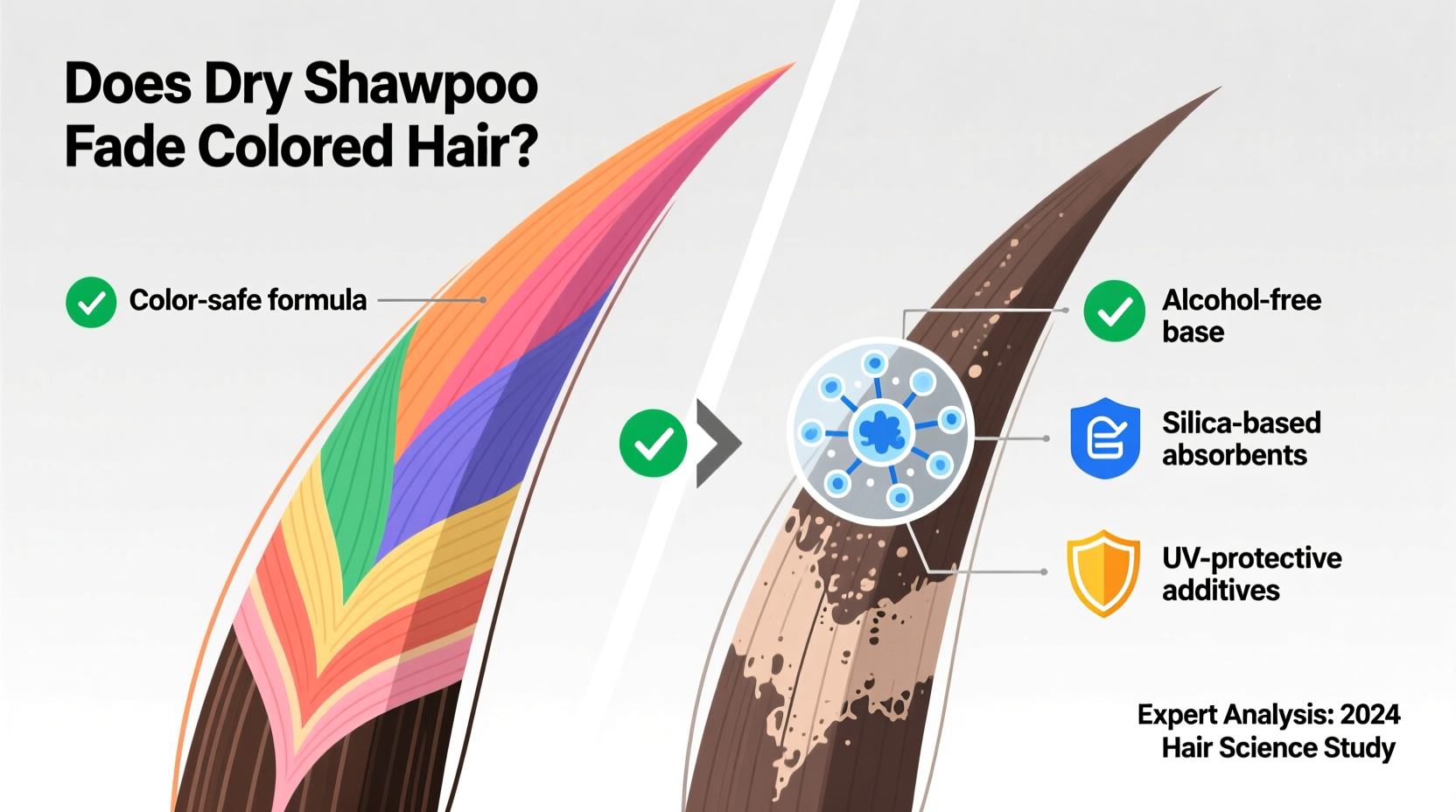
Dry shampoo typically comes in aerosol or powder form and contains absorbent ingredients like starch, silica, or clay that bind to sebum—the natural oil produced by your scalp. When applied, these ingredients soak up oil from the roots, giving hair a cleaner, bouncier appearance without water or traditional shampoo.
The process mimics cleansing but skips lathering and rinsing. Because it doesn’t involve water, dry shampoo helps reduce mechanical stress and chemical exposure from frequent washing, both of which are known contributors to color fade. In this sense, dry shampoo can actually help preserve color when used correctly.
However, not all dry shampoos are created equal. Some contain alcohol, sulfates, or heavy waxes that may build up on the scalp or interact poorly with dyed strands. Over time, this buildup can dull the hair’s surface, making color appear faded even if the pigment remains intact.
Tip: Choose alcohol-free, sulfate-free dry shampoos labeled as \"safe for color-treated hair\" to minimize potential damage and fading.Does Dry Shampoo Fade Hair Color?
The short answer: Not directly—but it can contribute to premature fading under certain conditions.
Unlike regular shampoo, dry shampoo doesn’t rinse away color molecules during use. However, several indirect factors can lead to color degradation:
- Buildup of residues: Ingredients like talc, polymers, or propellants can accumulate on the hair shaft, creating a film that diffuses light reflection. This makes color look less vibrant, even if the dye hasn't chemically broken down.
- Scalp irritation: Frequent use without proper cleansing can clog follicles and cause inflammation, weakening hair structure and increasing porosity—making it more susceptible to color loss.
- Alcohol content: Many aerosol sprays contain high levels of denatured alcohol, which dries out hair and strips moisture. Brittle, dehydrated hair reflects color poorly and may lift dye faster during subsequent washes.
- Overuse: Relying too heavily on dry shampoo delays necessary washes, allowing oils and environmental pollutants to degrade the cuticle layer where color resides.
A 2021 study published in the *International Journal of Trichology* found that participants who used alcohol-based dry shampoos more than three times per week experienced significantly higher rates of hair brittleness and perceived color dullness compared to those using gentler formulas sparingly.
“Dry shampoo itself doesn’t remove artificial pigment, but poor formulation and improper use can compromise the hair’s integrity, accelerating the breakdown of color.” — Dr. Lena Patel, Cosmetic Chemist & Hair Formulation Specialist
Choosing the Right Dry Shampoo for Colored Hair
Not every dry shampoo is suitable for color-treated hair. To protect your investment, consider the following selection criteria:
Key Ingredients to Look For
- Rice or corn starch: Gentle, effective oil absorbers without harsh side effects.
- Dimethicone or cyclomethicone: Silicone derivatives that add shine and smoothness without weighing hair down.
- UV filters: Some premium formulas include UVB-absorbing compounds to shield color from sun damage.
- Essential oils (e.g., rosemary, tea tree): Provide mild antimicrobial benefits and a fresh scent without synthetic fragrances.
Ingredients to Avoid
- Denatured alcohol (ethanol, SD alcohol): Drying and potentially irritating.
- Sulfates (SLS/SLES): Rare in dry shampoos but damaging if present.
- Parabens and phthalates: Linked to long-term scalp health concerns.
- Heavy waxes: Can coat hair and trap dirt, leading to dullness.
| Feature | Safe for Color-Treated Hair | May Cause Fading/Damage |
|---|---|---|
| pH Level | 4.5–5.5 (matches natural scalp pH) | Above 6.0 or below 4.0 |
| Alcohol Content | Low or alcohol-free | High concentration of denatured alcohol |
| Base Ingredient | Starch, silica, or kaolin clay | Talc or synthetic polymers |
| UV Protection | Included (e.g., benzophenone-4) | None |
| Frequency of Use | 1–3 times/week max | Daily, without washing |
Best Practices for Using Dry Shampoo on Dyed Hair
To maintain vibrant color while enjoying the benefits of dry shampoo, follow these proven strategies:
- Shake well and hold at least 6–8 inches from scalp: Prevents over-saturation and ensures even distribution.
- Focus on roots only: Avoid spraying mid-lengths and ends, which are already prone to dryness and breakage.
- Wait 30 seconds before massaging: Allows the product to settle and absorb oil effectively.
- Massage thoroughly with fingertips: Helps distribute the powder and remove residue.
- Wash regularly: Never go more than 2–3 days without a proper shampoo session to prevent buildup.
- Use clarifying shampoo weekly: Removes accumulated dry shampoo and pollutants without stripping color (choose sulfate-free versions).
- Condition after every wash: Replenishes moisture lost due to styling and environmental exposure.
Mini Case Study: Sarah’s Color Longevity Journey
Sarah, a 34-year-old graphic designer, noticed her expensive balayage was fading within four weeks despite minimal sun exposure. She washed her hair only twice a week but used a popular aerosol dry shampoo almost daily to manage oily roots.
After consulting her colorist, she learned that the dry shampoo contained high levels of alcohol and lacked UV protection. Additionally, she wasn’t using a clarifying shampoo, so residue had built up along her scalp and roots.
She switched to an alcohol-free, rice-starch-based dry shampoo and began washing with a gentle clarifying formula once a week. Within six weeks, her next salon visit revealed significantly less fading, and her stylist noted improved hair condition. By adjusting just one part of her routine, Sarah extended her color’s lifespan by nearly three weeks.
Step-by-Step Guide to Safe Dry Shampoo Use for Colored Hair
Follow this timeline to integrate dry shampoo into your regimen without sacrificing color vibrancy:
- Day 1 – Wash Day: Cleanse with a sulfate-free shampoo and hydrating conditioner. Apply a leave-in UV protectant if spending time outdoors.
- Day 2 – Refresh: If needed, apply a small amount of dry shampoo to roots. Massage in gently and brush through.
- Day 3 – Assess: Check for oiliness and texture. Only reapply dry shampoo if absolutely necessary.
- Day 4 – Reset: Wash hair again. Use a clarifying shampoo monthly or every other week depending on usage.
- Ongoing – Monitor: Watch for signs of dullness, flakiness, or increased breakage—indicators of overuse or product incompatibility.
This rhythm prevents excessive reliance on dry shampoo while still minimizing wash frequency, striking a balance between convenience and color preservation.
Frequently Asked Questions
Can I use any dry shampoo on bleached or highlighted hair?
No. Bleached hair is highly porous and fragile. Always choose a formula specifically designed for damaged or color-treated hair. Look for added conditioning agents and avoid alcohol-heavy options that can further dry out strands.
Does dry shampoo affect red or fashion colors differently?
Yes. Red and vibrant fashion shades (like purple, blue, or pink) are particularly unstable and fade faster than natural tones. These colors benefit most from reduced washing, so dry shampoo can be helpful—but only if the formula is non-abrasive and free of sulfates or alcohols that increase porosity.
How do I know if dry shampoo is causing my color to fade?
If your hair feels rough, looks dull despite recent coloring, or shows uneven tone near the roots, buildup or drying agents may be the culprit. Try eliminating dry shampoo for two weeks and reintroduce a gentler version to test results.
Conclusion: Balancing Convenience and Color Care
Dry shampoo isn’t inherently harmful to colored hair—but how you use it matters. When chosen wisely and applied in moderation, it can extend time between washes, reduce water exposure, and support longer-lasting color. However, formulas with drying alcohols, heavy residues, or inappropriate pH levels can undermine your efforts, leading to premature fading and compromised hair health.
The goal isn’t to eliminate dry shampoo but to optimize its role in your routine. Prioritize products labeled for color-treated hair, limit usage to two or three times per week, and maintain a consistent cleansing schedule. Your color will stay brighter, your scalp healthier, and your style fresher—all without sacrificing convenience.
💬 Have you noticed changes in your hair color since using dry shampoo? Share your experience or ask questions in the comments—we’d love to hear what works for you!








