
Dry shampoo has become a staple in modern haircare routines. Praised for its ability to refresh oily roots between washes, extend hairstyles, and save time on busy mornings, it’s no wonder the product line exploded in popularity over the last decade. Yet as usage increased, so did concerns: Is this convenient shortcut actually harming our scalps? Dermatologists, trichologists, and cosmetic chemists are now weighing in with nuanced answers that go beyond simple yes-or-no conclusions.
The truth is, dry shampoo isn’t inherently damaging — but how and how often you use it can make all the difference. When applied correctly and occasionally, it's a practical tool. Overused or misapplied, however, it may contribute to scalp irritation, clogged follicles, and even hair thinning over time. Understanding the ingredients, mechanisms, and long-term effects is essential to using dry shampoo wisely.
How Dry Shampoo Works: Science Behind the Spray
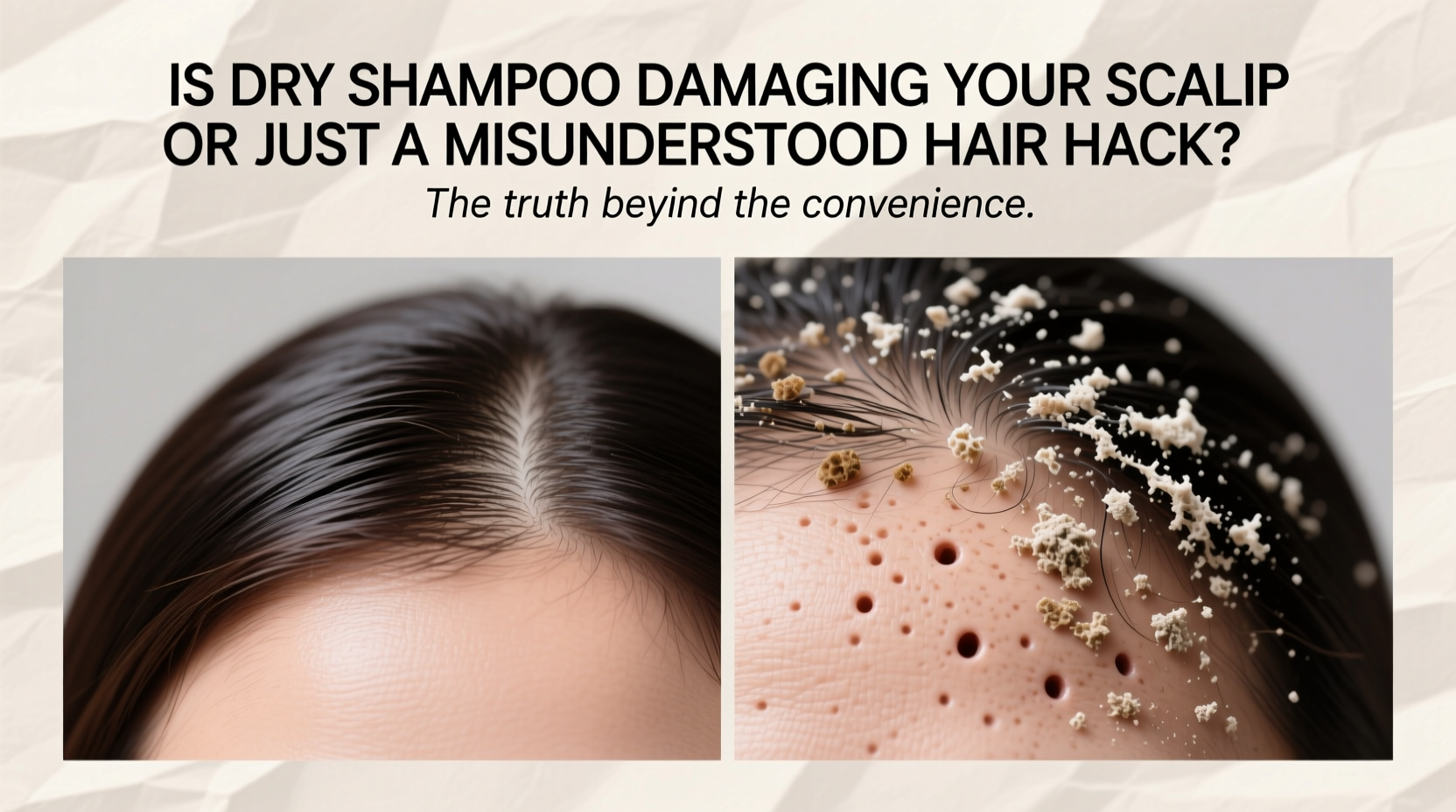
Dry shampoo functions by absorbing excess sebum (natural oils) from the scalp and hair shaft without water. Most formulations rely on starch-based powders — such as rice, corn, or oat starch — or silica derivatives that act like microscopic sponges, soaking up oil at the root level. These particles cling to the hair and scalp temporarily, giving strands a cleaner appearance and added volume.
In aerosol versions, propellants disperse the fine powder evenly across the roots. Non-aerosol options, like powders or sprays activated by shaking, require more manual application but offer greater control. After application, users typically massage the product into the scalp and brush out the residue.
While effective for visual freshness, dry shampoo doesn’t cleanse the way traditional shampoo does. It doesn’t remove dirt, sweat, environmental pollutants, or buildup from styling products. Instead, it masks greasiness — a temporary fix rather than a deep clean.
Tip: Always shake non-aerosol dry shampoos vigorously before use to ensure active ingredients are properly dispersed.Common Ingredients and Their Scalp Impact
Not all dry shampoos are created equal. The ingredient list plays a crucial role in determining whether a product supports scalp health or poses risks. Below is a breakdown of key components found in many popular formulas:
| Ingredient | Purpose | Scalp Concerns |
|---|---|---|
| Butane/Propane | Propellant in aerosols | Can irritate sensitive skin; flammable |
| Denatured Alcohol | Helps dispersion and drying | Drying effect; may disrupt moisture barrier |
| Starches (corn, rice) | Absorb oil | Can build up if not brushed out thoroughly |
| Silica/Silica Silylate | Oil-absorbing agent | May accumulate and block follicles over time |
| Fragrance (Parfum) | Mask odors | Potential allergen; linked to contact dermatitis |
| Benzalkonium Chloride | Preservative | Rarely, causes allergic reactions or irritation |
Some newer “clean” or natural brands replace synthetic starches with arrowroot powder or kaolin clay, which tend to be gentler. However, even natural ingredients can cause issues when used excessively or left on the scalp for prolonged periods.
“Dry shampoo should never replace regular washing. Think of it as a band-aid for oil, not a substitute for hygiene.” — Dr. Nina Patel, Board-Certified Dermatologist
When Dry Shampoo Becomes Harmful: Signs of Damage
The primary risk of dry shampoo lies not in single-use applications, but in chronic overuse. Many people apply it daily, sometimes multiple times per week, believing they’re maintaining cleanliness when in fact they’re accumulating layers of product residue, dead skin cells, and sebum.
This buildup can lead to several adverse conditions:
- Clogged hair follicles: Accumulated powder and oil may block pores, leading to folliculitis — an inflammation or infection of the hair follicle that presents as red, itchy bumps.
- Impaired scalp turnover: A healthy scalp naturally exfoliates every 28 days. Buildup interferes with this process, potentially causing flaking and itchiness resembling dandruff.
- Reduced hair strength: While dry shampoo adds texture, repeated application without cleansing weakens the hair shaft due to lack of hydration and nutrient flow.
- Allergic reactions: Fragrances and preservatives in some formulas trigger sensitivities, especially in individuals with eczema or psoriasis.
A growing number of dermatologists report seeing patients with “dry shampoo dermatitis” — a condition marked by persistent itching, scaling, and sometimes hair shedding concentrated around the crown and part lines where spray is most frequently applied.
Mini Case Study: Sarah’s Scalp Recovery Journey
Sarah, a 32-year-old marketing executive, relied on dry shampoo five to six times a week to maintain her blowout during back-to-back client meetings. After months of skipping regular washes, she noticed increasing scalp tightness, flaking, and small pimple-like bumps along her hairline.
She visited a trichologist who diagnosed early-stage folliculitis and recommended discontinuing dry shampoo for four weeks. During that period, Sarah washed her hair every other day with a gentle clarifying shampoo and used only a boar bristle brush to distribute oils. Within three weeks, her symptoms improved significantly. She now uses dry shampoo no more than twice a week and always follows up with a thorough wash within 48 hours.
Using Dry Shampoo Safely: Best Practices
The goal isn’t to eliminate dry shampoo entirely, but to integrate it responsibly into a balanced haircare regimen. Follow these steps to minimize risks while enjoying the convenience:
- Lift hair sections before spraying: Part your hair into segments and apply directly to the roots, avoiding the mid-lengths and ends.
- Hold the can 6–8 inches away: This prevents oversaturation and allows for even distribution.
- Wait 30 seconds before massaging: Let the product absorb oil before working it in with fingertips.
- Brush thoroughly: Use a fine-tooth comb or boar bristle brush to remove excess powder and prevent buildup.
- Limit frequency: Never go more than two days without washing your hair. Treat dry shampoo as a supplement, not a replacement.
- Choose fragrance-free, low-alcohol formulas: Especially important for sensitive or acne-prone scalps.
- Wash weekly: Even if hair looks clean, perform a full shampoo at least once a week to reset the scalp environment.
Checklist: Healthy Dry Shampoo Habits
- ☑ Use no more than 2x per week
- ☑ Spray only at the roots, not the entire head
- ☑ Wait and brush out completely after application
- ☑ Wash hair within 48 hours of use
- ☑ Monitor scalp for itching, redness, or bumps
- ☑ Switch to non-aerosol or natural formulas if irritation occurs
- ☑ Clean your nozzle monthly to prevent clogging and uneven spray
Alternatives and Upgrades to Traditional Dry Shampoo
For those seeking safer or more sustainable options, several alternatives exist:
- DIY starch powders: Mix arrowroot or cornstarch with cocoa powder (for dark hair) and apply sparingly with a makeup brush. No propellants or alcohol involved.
- Pre-washed cotton pads: Gently blotting the roots with a clean cloth can lift surface oil without adding any product.
- Texturizing powders without propellants: Brands like Living Proof and Bumble and Bumble offer pump-based formulas that reduce inhalation risks.
- Scalp-focused wipes: Single-use cloths infused with mild cleansers effectively remove oil and residue without water.
Additionally, improving overall scalp health reduces reliance on dry shampoo. Regular exfoliation with a scalp scrub (once every 7–10 days), staying hydrated, managing stress, and eating a balanced diet rich in omega-3s and biotin support natural oil regulation.
“The best ‘dry’ shampoo might actually be better habits — consistent washing, proper nutrition, and less manipulation of the hair.” — Dr. Kenji Lopez, Trichology Researcher
FAQ: Common Questions About Dry Shampoo and Scalp Health
Can dry shampoo cause hair loss?
Directly, no — dry shampoo doesn’t stop hair growth. However, long-term buildup can inflame follicles and create an environment where hair becomes brittle or sheds prematurely. In severe cases of untreated folliculitis, scarring alopecia is possible, though rare.
Is it safe to use dry shampoo every day?
No. Daily use increases the risk of clogged pores, disrupted pH balance, and microbial overgrowth on the scalp. Limiting use to one or two times per week and always following with a proper wash minimizes harm.
Are aerosol dry shampoos worse than non-aerosol ones?
They carry additional risks due to inhalation of propellants and finer particle dispersion, which can settle deeper into the scalp. Non-aerosol versions give more control and avoid respiratory exposure, making them a safer choice for frequent users.
Conclusion: Reclaiming Balance in Your Haircare Routine
Dry shampoo isn’t the villain some portray it to be — nor is it the miracle solution others believe. It occupies a middle ground: a useful tool when employed thoughtfully, but a potential irritant when overused or misunderstood. The key lies in recognizing its limitations. It doesn’t cleanse. It doesn’t hydrate. It doesn’t heal.
Your scalp is living skin, not just a base for styling. Treating it with the same care as your face — through regular cleansing, mindful product selection, and attention to changes — ensures long-term health and vitality. If you love the convenience of dry shampoo, keep using it — but pair that habit with accountability. Wash regularly, monitor your scalp’s response, and adjust as needed.
🚀 Ready to optimize your routine? Audit your current dry shampoo use this week: count applications, check ingredients, and schedule a clarifying wash. Small changes today can prevent bigger problems tomorrow.