Dry shampoo has become a staple in modern haircare routines, offering a quick fix for greasy roots between washes. It’s convenient, portable, and promises fresh-looking hair with just a few sprays. But what happens when convenience turns into habit—specifically, using dry shampoo every single day? While occasional use is generally safe, daily reliance may come at a cost to your scalp health. Understanding the science behind how dry shampoo works, its potential side effects, and how to mitigate risks is essential for maintaining a healthy scalp long-term.
How Dry Shampoo Works: The Science Behind the Spray
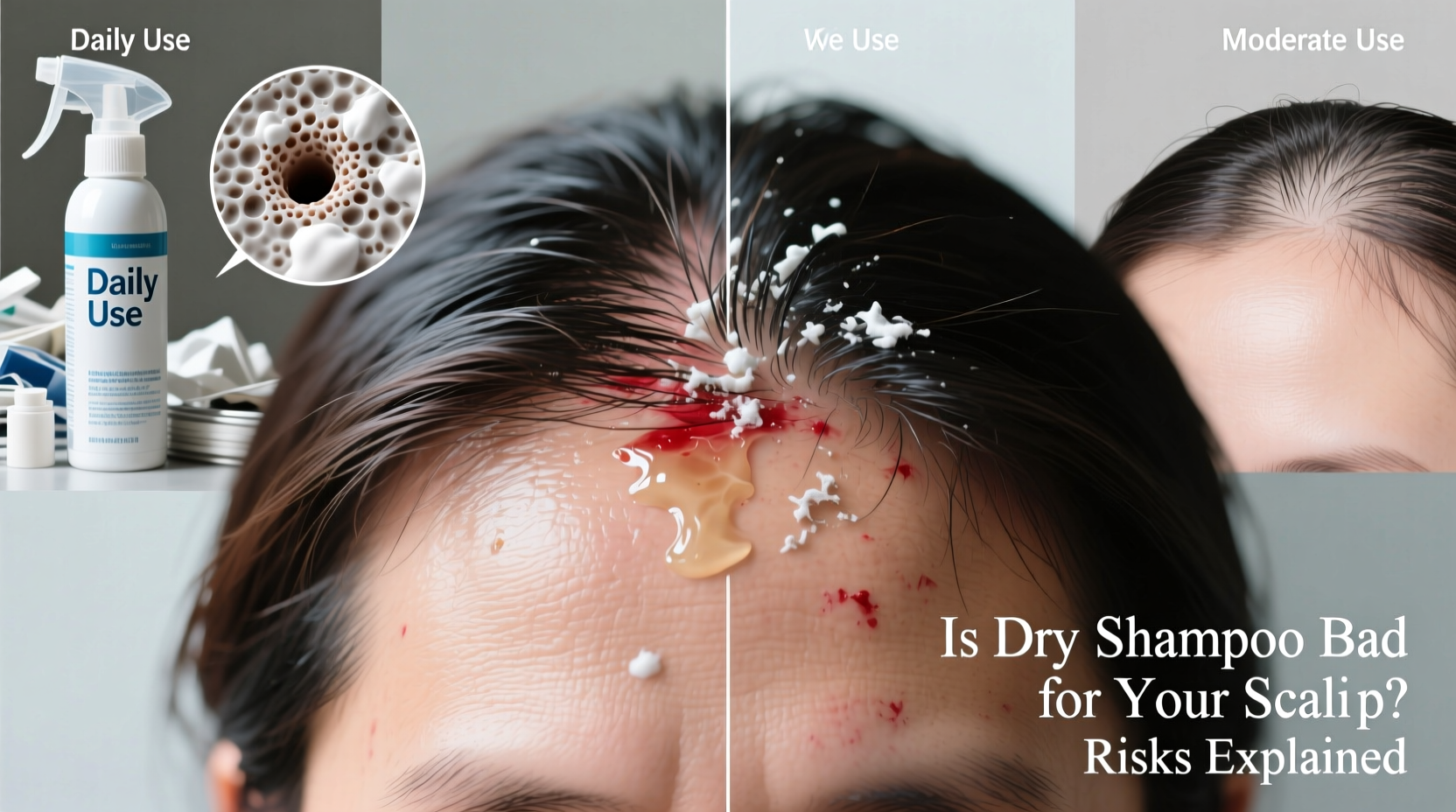
Dry shampoo doesn’t clean hair in the traditional sense. Instead, it absorbs excess oil (sebum) secreted by the sebaceous glands on the scalp. Most formulas contain absorbent ingredients like starch, silica, or alcohol that bind to oils at the root, giving hair a cleaner appearance without water. Some also include fragrances and volumizing agents to enhance texture and scent.
The appeal lies in its speed and simplicity. After a workout, a late night, or simply skipping a wash, a quick application can revive flat, oily hair. However, this surface-level solution doesn’t remove dirt, sweat, product buildup, or dead skin cells—components that accumulate over time and require actual cleansing with shampoo and water.
“Dry shampoo masks oil but doesn’t replace cleansing. Overuse can trap debris against the scalp, creating an environment ripe for irritation.” — Dr. Lindsey Adamson, Board-Certified Dermatologist
Risks of Daily Dry Shampoo Use on Scalp Health
Using dry shampoo occasionally—once or twice a week—is unlikely to cause harm. But making it a daily ritual introduces several risks:
1. Buildup and Clogged Follicles
Each application deposits powdery residue onto the scalp. Over time, these particles mix with natural oils, sweat, and environmental pollutants, forming a film that can clog hair follicles. This occlusion may lead to folliculitis—an inflammation of the hair follicles—or even contribute to hair thinning in severe cases.
2. Disruption of the Scalp Microbiome
The scalp hosts a delicate balance of beneficial bacteria and fungi. Regular exposure to alcohol-based propellants and synthetic fragrances in dry shampoos can disrupt this microbiome, potentially leading to dryness, flaking, or increased sensitivity. An imbalanced microbiome is also linked to conditions like dandruff and seborrheic dermatitis.
3. Irritation and Contact Dermatitis
Many dry shampoos contain allergens such as fragrance compounds, preservatives (like benzalkonium chloride), and propellants. Frequent exposure increases the risk of developing allergic contact dermatitis, characterized by redness, itching, burning, and sometimes blistering.
4. Impaired Natural Oil Regulation
While dry shampoo absorbs oil, overuse may signal the scalp to produce more sebum to compensate for perceived dryness. This feedback loop can make hair appear oilier faster, reinforcing dependency on the product and reducing the scalp’s ability to self-regulate.
5. Increased Risk of Hair Breakage
Residue buildup adds weight to the hair shaft, especially near the roots. Combined with reduced scalp circulation due to clogged pores, this can weaken hair structure over time, increasing susceptibility to breakage and split ends.
Tip: Always shake the can well and hold it 8–10 inches from your head to minimize overspray and uneven distribution.Who Should Be Extra Cautious?
Certain individuals are more vulnerable to adverse effects from frequent dry shampoo use:
- People with sensitive skin or eczema: More prone to irritation and flare-ups.
- Those with acne-prone scalps: Clogged follicles can trigger scalp acne (pomade acne).
- Individuals with curly or coily hair textures: Often have drier scalps and may already struggle with product buildup.
- Users of heavy styling products: Accumulation compounds quickly when combined with dry shampoo.
If you fall into any of these categories, limiting dry shampoo to once or twice a week—and opting for fragrance-free, non-aerosol formulas—can help reduce risk.
Safe Usage Guidelines: How to Use Dry Shampoo Without Harming Your Scalp
You don’t need to eliminate dry shampoo entirely. With mindful use, it can remain a helpful tool. Follow these best practices to protect your scalp:
- Lift sections of hair and spray directly at the roots, avoiding the mid-lengths and ends.
- Allow 30 seconds to set, then massage thoroughly with fingertips to distribute and lift oil.
- Use only when necessary, not as a substitute for regular washing.
- Wash your hair within 2–3 days of dry shampoo use to prevent accumulation.
- Choose formulas wisely: Look for options with minimal alcohol, no parabens, and natural absorbents like rice starch or kaolin clay.
Recommended Frequency Based on Hair Type
| Hair Type | Recommended Wash Frequency | Max Dry Shampoo Use Per Week |
|---|---|---|
| Fine/Oily | Every 1–2 days | 2 times |
| Medium/Normal | Every 2–3 days | 1–2 times |
| Thick/Dry | Every 3–4 days | 1 time |
| Curly/Coily | Once weekly | 1 time (optional) |
Mini Case Study: Sarah’s Scalp Recovery Journey
Sarah, a 29-year-old marketing executive, relied on dry shampoo five to six days a week to maintain her sleek bob during long workdays and gym sessions. After about eight months, she noticed persistent itching, flaking, and small red bumps along her hairline. Concerned, she visited a dermatologist who diagnosed her with mild folliculitis and significant product buildup.
She was advised to stop all dry shampoo use for four weeks and switch to a gentle salicylic acid shampoo twice weekly. Within three weeks, her symptoms improved dramatically. Now, she uses dry shampoo only once a week and prioritizes scalp massages during wash days to stimulate circulation. “I didn’t realize how much I was compromising my scalp health for convenience,” she says. “Now I see it as a backup, not a daily habit.”
Step-by-Step Guide to Detoxing a Buildup-Prone Scalp
If you’ve been using dry shampoo frequently and suspect residue accumulation, follow this 7-day reset plan:
- Day 1: Clarify – Use a clarifying shampoo to remove surface buildup. Focus on massaging the scalp for 2–3 minutes.
- Day 2–3: Rest – Avoid all products except a lightweight conditioner on the ends.
- Day 4: Exfoliate – Apply a scalp scrub or use a soft brush to gently exfoliate dead skin cells.
- Day 5: Treat – Use a tea tree oil or salicylic acid treatment serum to soothe and cleanse follicles.
- Day 6: Reassess – Observe changes in oiliness, itchiness, and overall comfort.
- Day 7: Reset Routine – Resume normal washing with a sulfate-free shampoo and limit dry shampoo going forward.
This short detox helps restore scalp balance and provides insight into how dependent your hair has become on artificial oil absorption.
Checklist: Healthy Dry Shampoo Habits
To ensure you're using dry shampoo safely, follow this actionable checklist:
- ✅ Use only when truly needed—not as a daily ritual
- ✅ Choose formulas labeled “fragrance-free” or “for sensitive scalp”
- ✅ Shake well and apply in short bursts to targeted areas
- ✅ Massage thoroughly after spraying to blend and activate absorption
- ✅ Wash hair within 48 hours of application
- ✅ Monitor scalp for signs of irritation, flaking, or bumps
- ✅ Schedule regular clarifying washes (every 2–4 weeks)
Expert Insight: What Dermatologists Recommend
Board-certified dermatologists emphasize moderation and awareness when it comes to dry shampoo use.
“Think of dry shampoo like fast food—it’s fine in a pinch, but shouldn’t be your primary diet. The scalp needs regular cleansing to stay healthy.” — Dr. Nina Patel, Trichology Specialist
Experts also warn against aerosol sprays containing butane, propane, or isobutane—propellants that can irritate sensitive skin and contribute to respiratory concerns when inhaled frequently. Non-aerosol alternatives, such as powders or spritzes applied with hands, are often safer and more controllable.
Frequently Asked Questions
Can dry shampoo cause hair loss?
Not directly. However, chronic scalp buildup, inflammation, or follicle blockage from prolonged dry shampoo use may contribute to temporary shedding or weakened hair growth. This is usually reversible with proper cleansing and care.
How do I know if I’m using too much dry shampoo?
Signs include persistent scalp itchiness, visible white residue that won’t brush out, increased greasiness shortly after washing, or small pimples along the hairline. If you notice these, scale back usage and perform a clarifying wash.
Are there healthier alternatives to traditional dry shampoo?
Yes. Consider cornstarch or arrowroot powder applied with a makeup brush—these natural starches absorb oil without harsh chemicals. Some brands now offer biodegradable, low-ingredient formulas designed for sensitive scalps. You can also try texturizing sprays with fewer occlusive agents.
Conclusion: Balance Convenience with Scalp Wellness
Dry shampoo isn’t inherently harmful—but daily use without proper follow-up care can compromise scalp health over time. The key is balance: treat it as an emergency tool, not a permanent replacement for washing. By understanding the risks, recognizing early warning signs, and incorporating safe habits, you can enjoy the benefits of fresh-looking hair without sacrificing long-term scalp wellness.
💬 Have you experienced scalp issues from overusing dry shampoo? Share your story or tips in the comments to help others find a healthier hair routine.








