Dry brushing has gained popularity as a quick, tool-based method to exfoliate and invigorate the skin. While commonly practiced on the body, some have started applying the same technique to their faces—using stiff-bristled brushes on dry skin in hopes of achieving a smoother, brighter complexion. But is this trend actually beneficial, or could it be doing more harm than good? Dermatologists and skincare experts are increasingly raising concerns about the potential for micro tears, compromised skin barriers, and long-term irritation when dry brushing is applied to the delicate facial skin.
The face is structurally different from the body. It has thinner epidermis, higher sebaceous activity, and greater exposure to environmental stressors. These factors make it far more vulnerable to mechanical trauma. When you introduce abrasive tools like firm bristle brushes to dry facial skin, you're not just removing dead cells—you may be compromising the integrity of your skin’s protective layer. This article examines the science behind dry brushing, evaluates the risks of micro tears, and offers safer, evidence-backed alternatives for effective facial exfoliation.
The Mechanics of Dry Brushing: How It Works
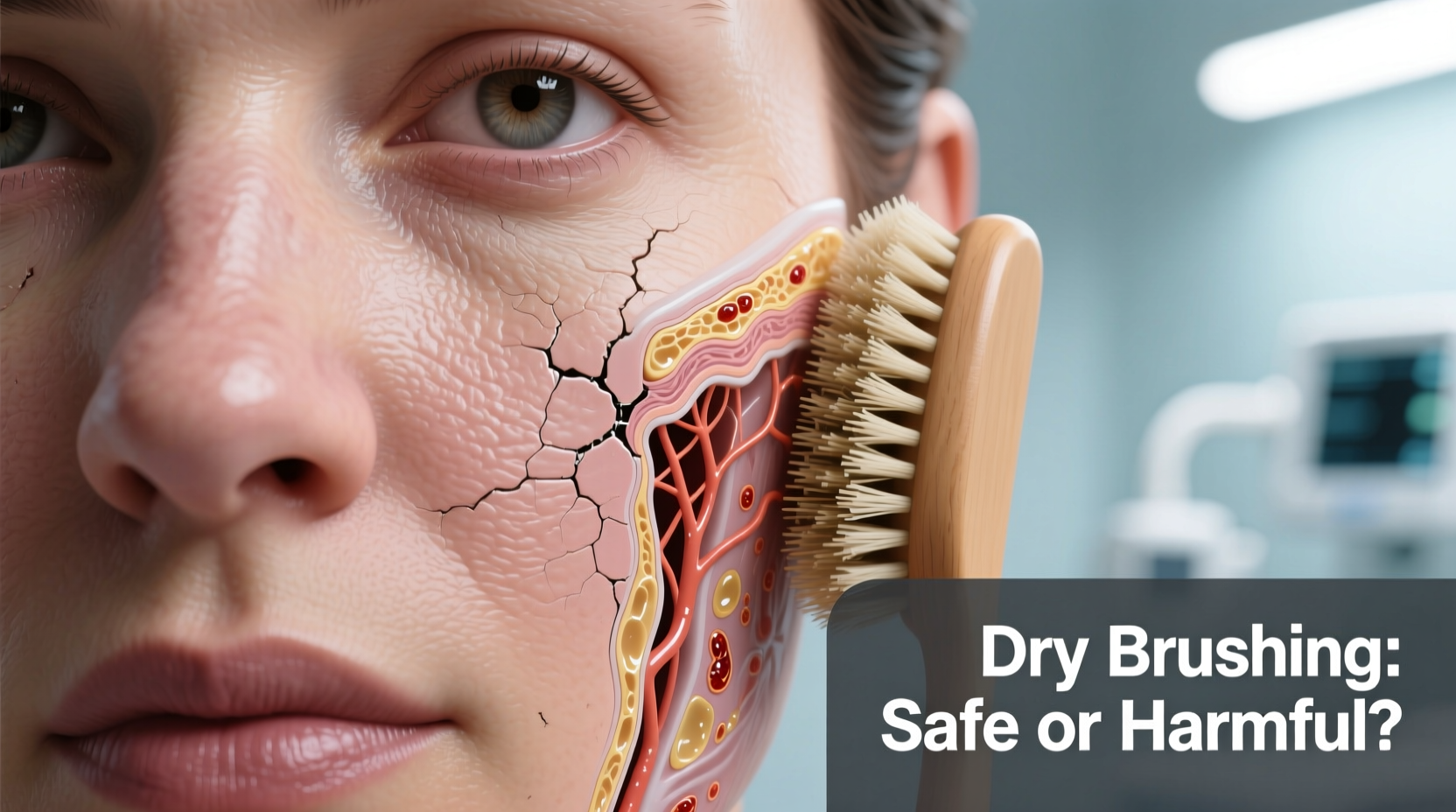
Dry brushing involves using a natural-bristle brush with firm, tightly packed fibers to sweep across dry skin in upward motions. The goal is to slough off dead skin cells, stimulate circulation, and potentially support lymphatic drainage. On the body, where the skin is thicker and less sensitive, this can produce a temporary glow and smoother texture. However, the mechanism that makes it effective on arms and legs becomes a liability when applied to the face.
Facial skin is approximately 0.12 mm thick—about half the thickness of skin on the back of the hand and significantly thinner than areas like the elbows or heels. When a stiff brush is dragged across dry facial skin, especially with repeated strokes or excessive pressure, it creates friction. This friction can lead to microscopic abrasions known as micro tears. These are not visible to the naked eye but can disrupt the stratum corneum—the outermost layer responsible for retaining moisture and blocking irritants.
Micro tears compromise the skin barrier, allowing allergens, bacteria, and pollutants to penetrate more easily. Over time, this can trigger inflammation, transepidermal water loss (TEWL), and increased sensitivity. In predisposed individuals, chronic micro trauma may exacerbate conditions like rosacea, eczema, or acne.
Tip: If you must use a physical exfoliant, opt for one with soft silicone bristles or a fine, non-abrasive scrub designed specifically for facial use.Micro Tears: The Hidden Damage Beneath the Glow
One of the most insidious aspects of dry brushing the face is that damage can accumulate silently. You might not see redness or bleeding, but under a microscope, the skin shows signs of disruption. Micro tears are tiny fissures in the epidermis caused by mechanical stress. They don’t always cause immediate pain, but they weaken the skin’s defense system.
A compromised skin barrier leads to several downstream effects:
- Increased trans-epidermal water loss, resulting in dryness and flakiness
- Heightened reactivity to skincare products, including stinging from mild toners or moisturizers
- Greater susceptibility to bacterial invasion, potentially triggering breakouts
- Accelerated signs of aging due to chronic low-grade inflammation
Dr. Lena Patel, board-certified dermatologist and clinical instructor at Mount Sinai Hospital, explains:
“Even subtle, repeated trauma from dry brushing can degrade collagen and elastin over time. The face doesn’t have the same regenerative capacity as the body. Once the barrier is damaged, recovery takes longer—and if the behavior continues, the damage becomes cumulative.”
She adds that patients who come in with unexplained sensitivity or persistent redness often admit to aggressive cleansing or exfoliation habits, including dry brushing. “They think they’re ‘deep cleaning,’ but they’re actually stripping away protection,” she says.
Facial Exfoliation: Safe vs. Risky Methods
Exfoliation itself isn’t harmful—in fact, it’s a crucial part of many skincare routines. The key lies in choosing the right method for your skin type and facial anatomy. Below is a comparison of common exfoliation techniques, highlighting why dry brushing ranks among the riskiest options for the face.
| Method | How It Works | Suitability for Face | Risk of Micro Tears |
|---|---|---|---|
| Dry Brushing | Mechanical removal via stiff bristles on dry skin | Poor – too abrasive | High |
| Wet Cleansing Brushes (e.g., Clarisonic) | Oscillating bristles with water and cleanser | Moderate – only for resilient skin types | Medium (if overused) |
| Chemical Exfoliants (AHAs/BHAs) | Dissolve bonds between dead skin cells | High – when properly formulated | Low (when used correctly) |
| Gentle Physical Scrubs | Soft beads or powders with moisturizing base | Moderate – depends on particle size | Low to Medium |
| Enzyme Exfoliators | Break down surface proteins (e.g., papain, bromelain) | High – ideal for sensitive skin | Very Low |
As the table shows, chemical and enzymatic exfoliants offer controlled, even exfoliation without physical friction. Glycolic acid (an AHA) and salicylic acid (a BHA) are well-studied ingredients that penetrate pores and gently loosen dead cells. Unlike dry brushing, they do not rely on force or abrasion, making them far safer for daily or weekly use depending on concentration.
Real-World Example: The Case of a Frequent Dry Brush User
Consider Sarah, a 34-year-old marketing executive who began dry brushing her face after seeing influencers promote it online. She used a natural boar bristle brush every morning before washing her face, believing it would “detox” her pores and improve product absorption. Within three weeks, she noticed increased tightness, occasional stinging when applying serum, and small, persistent bumps along her jawline.
After visiting a dermatologist, she was diagnosed with impaired skin barrier function and early-stage irritant contact dermatitis. Patch testing ruled out allergies, but her routine revealed consistent micro trauma from dry brushing. Upon discontinuing the practice and switching to a lactic acid toner twice weekly, her symptoms resolved within six weeks. Her skin regained hydration, and sensitivity decreased significantly.
Sarah’s experience is not unique. Many consumers adopt trends without understanding the anatomical differences between body and facial skin. What works on the back or arms can be destructive on the cheeks or forehead.
Step-by-Step Guide to Safer Facial Exfoliation
If you’re looking to exfoliate effectively without risking micro tears, follow this dermatologist-approved routine:
- Assess Your Skin Type: Determine whether you have oily, dry, combination, or sensitive skin. Sensitive or reactive skin should avoid physical abrasion entirely.
- Choose the Right Exfoliant: For most people, a chemical exfoliant with 5–10% glycolic acid or 0.5–2% salicylic acid is ideal. Enzyme masks are excellent for sensitive types.
- Limit Frequency: Start with once per week. Gradually increase to 2–3 times weekly only if tolerated. Never exfoliate daily unless directed by a dermatologist.
- Apply to Clean, Damp Skin: Always use exfoliants after cleansing and before moisturizing. Never apply to dry or irritated skin.
- Follow with Barrier Support: Use a ceramide-rich moisturizer to reinforce the skin’s natural defenses post-exfoliation.
- Monitor for Reactions: Discontinue use if you experience burning, redness, or flaking beyond mild shedding.
- Use Sun Protection: Exfoliation increases UV sensitivity. Apply broad-spectrum SPF 30+ every morning.
FAQ: Common Questions About Dry Brushing the Face
Can dry brushing help with blackheads?
No, dry brushing is ineffective and potentially harmful for treating blackheads. The stiff bristles cannot penetrate pores to remove sebum and debris. In fact, friction may push oil deeper or inflame existing clogs. Salicylic acid, which is oil-soluble, is far more effective for targeting blackheads.
Is there any skin type that can safely dry brush their face?
Virtually no skin type benefits from dry brushing the face. Even those with thick, oily skin risk micro trauma and inflammation. Dermatologists universally recommend gentler alternatives. If you crave the sensation of physical exfoliation, consider a soft silicone face scrubber used with a creamy cleanser—never on dry skin.
What are the signs my skin barrier is damaged?
Common indicators include persistent tightness, increased sensitivity, frequent breakouts, uneven texture, and peeling. If your usual products suddenly sting or irritate, it’s likely your barrier is compromised. Cease all abrasive practices and focus on repair with hydrating, lipid-rich formulas.
Expert Recommendations and Final Thoughts
Leading dermatologists agree: dry brushing the face is an unnecessary risk with no proven benefits. “There is zero clinical evidence supporting facial dry brushing,” says Dr. Rajiv Bose, cosmetic dermatologist and researcher. “But there is ample data showing that repetitive friction accelerates skin aging and weakens barrier function.”
He emphasizes that modern skincare offers far superior tools. “We have acids, enzymes, and ultrasonic devices that exfoliate precisely and safely. Why resort to a method that belongs in a spa treatment for the back when we have better options?”
The pursuit of radiant skin should never come at the cost of long-term health. While dry brushing may feel invigorating or seem like a quick fix, the potential for invisible damage outweighs any short-lived glow. True radiance comes from a strong, intact skin barrier—not from aggressive scrubbing.
Conclusion: Choose Smarter Exfoliation for Lasting Results
Your face deserves more than trendy but risky rituals. Instead of dry brushing, invest in methods that respect the delicate nature of facial skin. Opt for chemical exfoliants, enzyme treatments, or gentle sonic cleansing tools used with care. Listen to your skin—if it feels tight, looks red, or reacts negatively, scale back and prioritize healing.
Skincare is not about how much you can endure; it’s about nurturing resilience and balance. By avoiding practices that cause micro tears, you preserve your skin’s strength, clarity, and youthfulness over time. Make the switch today—your future complexion will thank you.
💬 Have you tried dry brushing your face? Share your experience or questions in the comments below—we’d love to hear from you and help others make informed choices.








