
Dry brushing has surged in popularity over the past decade, promoted as a simple, chemical-free way to slough off dead skin, improve circulation, and even reduce the appearance of cellulite. Advocates rave about silky-smooth skin and an invigorating morning ritual. But skeptics question whether the benefits are overstated—and whether aggressive scrubbing is doing more harm than good. Is dry brushing truly a gentle form of physical exfoliation, or is it simply scraping your skin until it’s raw?
The answer isn’t binary. When done correctly, dry brushing can be an effective exfoliator. But when performed with too much pressure, improper tools, or on compromised skin, it becomes little more than micro-trauma disguised as self-care. Understanding the science, technique, and individual skin needs is key to separating benefit from damage.
How Dry Brushing Works: The Science Behind Exfoliation
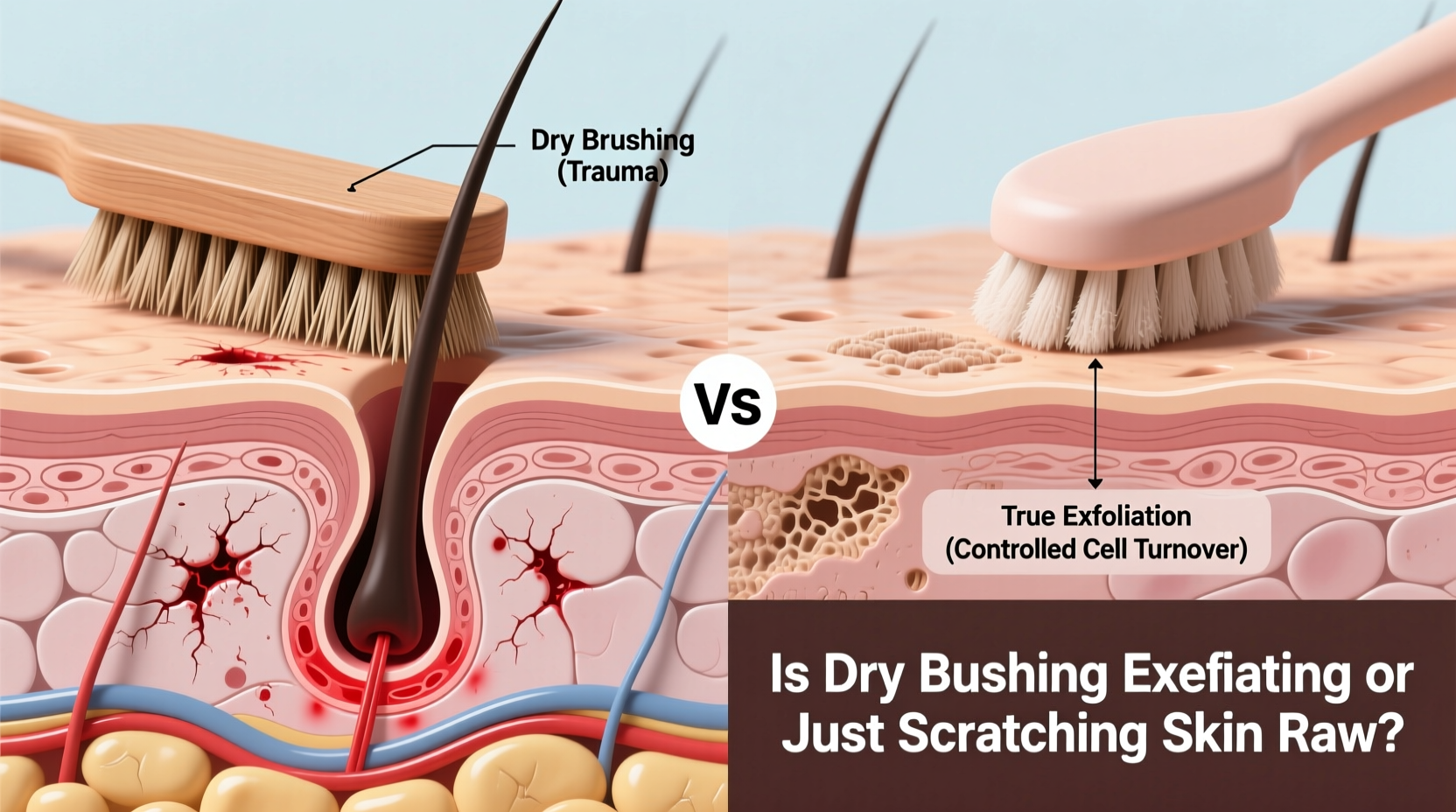
Exfoliation refers to the removal of dead skin cells from the surface of the skin. There are two main types: chemical (using acids like AHAs or BHAs) and physical (using friction, such as scrubs or brushes). Dry brushing falls into the latter category.
The stratum corneum—the outermost layer of the epidermis—is composed of dead keratinocytes that naturally shed every 28 days or so. As we age or experience environmental stressors like dry air or pollution, this shedding process slows down. This can lead to dullness, clogged pores, and rough texture.
Dry brushing uses a stiff-bristled brush on dry skin before showering to mechanically dislodge these dead cells. Unlike wet scrubs, which rely on water and often contain abrasive particles, dry brushing leverages consistent, directional strokes to lift debris without added friction from granules.
“Physical exfoliation can be beneficial if used appropriately. The key is consistency and gentleness—over-scrubbing disrupts the skin barrier.” — Dr. Lena Patel, Board-Certified Dermatologist
When performed correctly, dry brushing stimulates blood flow to the skin’s surface, potentially giving a temporary glow. It may also support lymphatic drainage, though clinical evidence for this claim remains anecdotal.
The Fine Line Between Exfoliation and Irritation
Not all physical exfoliation is created equal. What separates a rejuvenating routine from skin damage comes down to three factors: tool quality, technique, and skin sensitivity.
A high-quality dry brush should have natural bristles—typically boar or plant-based fibers—that are firm but not harsh. Brushes with synthetic or overly rigid bristles increase the risk of micro-tears, especially on thinner skin areas like the arms or décolletage.
Technique plays an equally critical role. Effective dry brushing involves light, circular motions or long upward strokes toward the heart (to follow lymphatic flow), never aggressive scrubbing. The goal is to sweep away loose skin, not dig into live tissue.
For individuals with sensitive, acne-prone, or eczema-affected skin, dry brushing can easily tip into irritation. Signs of over-exfoliation include redness, tightness, flaking, and increased reactivity to other products. In extreme cases, repeated trauma can trigger post-inflammatory hyperpigmentation or worsen conditions like rosacea.
Tip: If your skin feels warm, looks pink, or stings after brushing, you’re applying too much pressure or doing it too frequently.Dos and Don’ts of Dry Brushing: A Practical Guide
To ensure your dry brushing habit supports skin health rather than undermines it, follow these best practices.
| Do | Don't |
|---|---|
| Brush on dry skin before showering | Use on wet or damp skin |
| Use light to moderate pressure | Scrub aggressively or repeat strokes excessively |
| Move in upward, circular motions | Brush downward on limbs (goes against lymph flow) |
| Clean your brush weekly with mild soap | Leave bacteria-laden bristles uncleaned |
| Lotion up immediately after showering | Apply actives like retinol or acids right after |
| Limit use to 2–3 times per week | Brush daily, especially if skin is sensitive |
One common mistake is treating dry brushing like a deep-clean treatment. It is not meant to replace chemical exfoliants or professional peels. Instead, it functions best as a complementary step for those seeking mild, mechanical turnover without relying on ingredients like glycolic acid or salicylic acid.
Step-by-Step: How to Dry Brush Safely and Effectively
Follow this sequence to maximize benefits while minimizing risk.
- Choose the right brush: Opt for one with soft-to-medium natural bristles and a handle for reach. Replace every 3–6 months.
- Start at the feet: Begin with your lower limbs, using upward strokes toward the heart. Use small circles on joints and larger sweeps on flat surfaces.
- Move to the hands: Brush palms and backs of hands, then move up arms toward shoulders.
- Work on torso: Use circular motions on abdomen and back. Avoid breasts and any broken or irritated skin.
- Keep strokes gentle: You should never feel pain or see immediate redness.
- Shower afterward: Rinse off loosened skin cells. Follow with moisturizer to lock in hydration.
- Clean the brush: Wash monthly with warm water and gentle shampoo; let air dry completely.
This entire process should take no more than five minutes. Over-brushing doesn’t increase effectiveness—it increases inflammation.
Real-World Example: When Dry Brushing Goes Wrong
Sophie, a 34-year-old office worker, began dry brushing daily after seeing influencers praise its “glow-boosting” effects. She used a coarse synthetic brush and scrubbed her legs and arms vigorously each morning, believing more pressure meant better results.
Within two weeks, she noticed persistent redness and tiny bumps on her thighs. Her skin felt tight and itchy, especially after showers. When she applied her usual body lotion, it stung. Assuming she needed to “push through,” she continued for another week—until her dermatologist diagnosed her with follicular irritation and a compromised moisture barrier.
After stopping dry brushing and switching to a soothing ceramide-rich cream, Sophie’s skin took nearly a month to recover. She now brushes only twice a week with a softer natural-bristle tool and applies significantly less pressure. Her skin is smoother—but the transformation came not from aggression, but restraint.
Sophie’s case illustrates a widespread misconception: that visible results require intense effort. In skincare, gentler methods often yield longer-lasting, healthier outcomes.
Who Should Avoid Dry Brushing?
Dry brushing isn’t universally suitable. Certain skin types and conditions make it risky or inadvisable.
- Eczema or psoriasis: Friction can trigger flare-ups or spread lesions via the Koebner phenomenon.
- Active acne or inflamed skin: Brushing can spread bacteria and worsen breakouts, especially on the back or chest.
- Varicose veins or poor circulation: Aggressive brushing near damaged vessels could cause bruising or clotting concerns.
- Fragile or aging skin: Thinner dermis is more prone to tearing and bruising from repeated abrasion.
- Open wounds or sunburn: Never apply a brush to compromised skin.
If you're undergoing treatments like laser therapy or chemical peels, wait at least 7–10 days before resuming dry brushing. Even minor exfoliation during recovery can delay healing.
Expert Insights: Dermatologists Weigh In
While some dermatologists acknowledge the potential benefits of dry brushing, many urge caution.
“Dry brushing can help with very mild keratosis pilaris or rough patches, but it’s not a medical necessity. For most people, a washcloth and hydrating cleanser do the same job with less risk.” — Dr. Rajiv Mehta, Clinical Dermatologist
Others emphasize that modern skincare offers safer alternatives. Chemical exfoliants like lactic acid or urea dissolve dead cells without friction, making them ideal for sensitive or dry skin. These ingredients also offer additional benefits—hydration, brightening, and improved texture—without the risk of mechanical injury.
Still, some integrative practitioners support dry brushing as part of a holistic wellness routine—not just for skin, but for the sensory experience. The ritualistic aspect, they argue, promotes mindfulness and body awareness, which can indirectly improve skin health by reducing stress-related flare-ups.
Frequently Asked Questions
Can dry brushing reduce cellulite?
No credible scientific evidence supports dry brushing as a treatment for cellulite. While temporary improved circulation may make skin appear slightly smoother, it does not alter fat distribution or connective tissue structure. Any changes are fleeting and cosmetic.
How often should I dry brush?
Two to three times per week is sufficient for most people. Daily use increases the risk of over-exfoliation, especially if combined with other actives or hot showers. Listen to your skin—if it feels tight or looks red, scale back.
Can I use a facial brush for dry brushing?
No. Facial brushes are designed for delicate skin and much gentler than body dry brushes. Using a body brush on your face can cause severe irritation, broken capillaries, and barrier damage. Conversely, a facial brush won’t provide enough friction for effective body exfoliation.
Final Checklist: Is Dry Brushing Right for You?
Before incorporating dry brushing into your routine, run through this checklist.
- ✅ Do you have healthy, non-sensitive skin?
- ✅ Are you using a proper dry brush with natural bristles?
- ✅ Can you commit to gentle, consistent strokes—not scrubbing?
- ✅ Will you limit frequency to 2–3 times per week?
- ✅ Are you avoiding inflamed, broken, or sunburned areas?
- ✅ Will you moisturize immediately after showering?
If you answered “no” to any of these, reconsider whether dry brushing aligns with your skin’s needs. There’s no shame in opting for a softer approach—like using a loofah with a hydrating body wash or applying a weekly exfoliating mask.
Conclusion: Respect Your Skin’s Limits
Dry brushing sits at the intersection of wellness ritual and skincare practice. For some, it delivers smooth, refreshed skin and a sense of daily grounding. For others, it leads to irritation, redness, and avoidable damage. The difference lies not in the tool itself, but in how it’s used.
True exfoliation enhances the skin’s natural renewal process. It should leave your skin feeling supple, not stripped. If your routine involves wincing, visible red marks, or constant itching, you’re not exfoliating—you’re abrading.
🚀 Take action today: Reassess your dry brushing habits. Swap aggressive strokes for mindful sweeps. Replace worn or harsh brushes. And above all, listen to your skin—it will tell you what it needs.








