Double cleansing has become a cornerstone of Korean skincare routines and is now widely embraced in Western beauty regimens. The concept is simple: cleanse your face twice—first with an oil-based cleanser to remove makeup, sunscreen, and sebum, followed by a water-based cleanser to clear away sweat and impurities. But with so many products already crowding bathroom shelves, many wonder: Is this ritual truly essential, or is it just another overhyped trend?
The answer isn’t universal. For some, double cleansing transforms dull, congested skin into a radiant, smooth canvas. For others, it may lead to dryness, irritation, or unnecessary complexity. Understanding your skin type, lifestyle, and daily exposure helps determine whether double cleansing adds value—or simply adds steps.
The Origins and Science Behind Double Cleansing
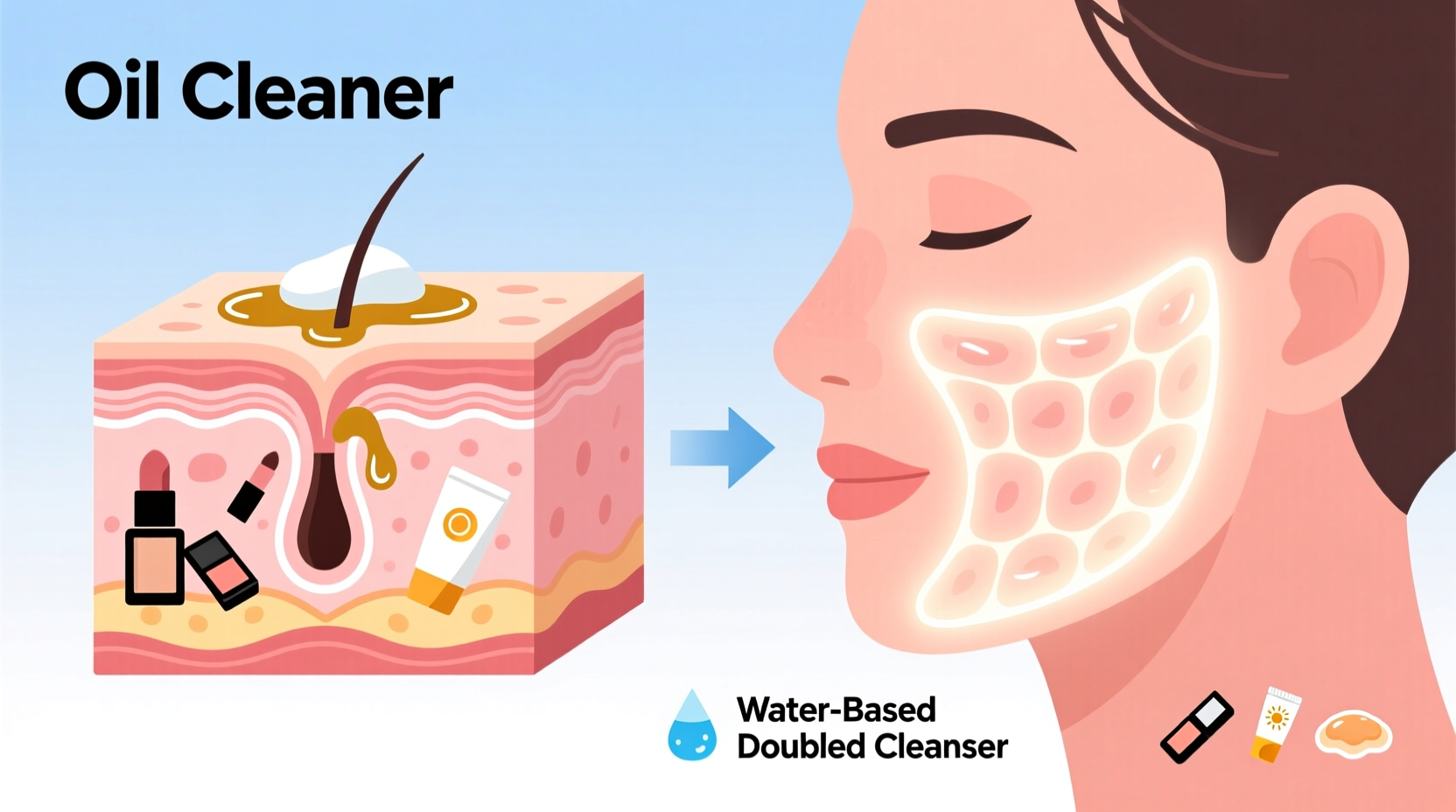
Originating in 1930s Japan, double cleansing was developed as a response to heavy rice-powder cosmetics that were difficult to remove with soap alone. Over time, the practice evolved into a two-step method designed to thoroughly clean the skin without stripping its natural barrier.
The first cleanse uses an oil-based product—such as cleansing balms, oils, or milks—that operates on the principle of “like dissolves like.” Oils attract oil, making them effective at breaking down waterproof makeup, SPF, and sebum buildup. Without this initial step, residue can remain trapped on the skin, potentially clogging pores and interfering with the absorption of serums and treatments.
The second cleanse typically involves a water-based cleanser—foaming, gel, or cream formulations—that targets water-soluble impurities such as sweat, pollution particles, and dead skin cells. This ensures the skin is truly clean before moving on to toners, essences, and moisturizers.
“Double cleansing is not about redundancy—it’s about completeness. If you wear sunscreen or makeup daily, one wash often isn’t enough to fully prep the skin for treatment.” — Dr. Lena Park, Board-Certified Dermatologist
Who Benefits Most from Double Cleansing?
Not all skin types or lifestyles require double cleansing every night. However, certain profiles see significant improvements when incorporating it into their routine:
- Oily and acne-prone skin: Accumulated sebum and pore-clogging products benefit from a thorough removal process. Oil cleansers don’t worsen oiliness; instead, they help dissolve excess sebum without disrupting the skin’s pH.
- Wearers of sunscreen and makeup: Mineral sunscreens (especially those containing zinc oxide or titanium dioxide) are notoriously difficult to remove with water-based cleansers alone. Similarly, long-wear foundations and liquid lipsticks often leave behind film that can hinder ingredient penetration.
- Urban dwellers: Pollution particles bind to skin and mix with sebum, forming a grime layer that standard washing may not eliminate. Double cleansing helps reduce oxidative stress and prevents dullness.
- Post-workout or high-sweat environments: Sweat mixes with environmental debris and can contribute to breakouts if not properly cleared.
When Double Cleansing Might Do More Harm Than Good
While beneficial for many, double cleansing isn’t universally suitable. Over-cleansing can compromise the skin barrier, especially for individuals with sensitive, dry, or compromised skin. Signs that double cleansing may be too much include tightness, redness, flaking, or increased reactivity to other products.
Dry and eczema-prone skin types often produce less sebum and rely more heavily on their lipid barrier. Using two cleansers—even gentle ones—can disrupt this balance, leading to transepidermal water loss and irritation. In such cases, a single non-stripping, hydrating cleanser may be more appropriate.
Likewise, those who follow minimalistic skincare routines or avoid makeup and sunscreen altogether may find little benefit in adding an extra step. Simplicity can be just as effective when tailored to individual needs.
Common Misconceptions About Double Cleansing
- Myth: Oil cleansers cause breakouts.
Truth: Non-comedogenic oils (like jojoba, grapeseed, or squalane) actually help regulate sebum production and dissolve congestion without clogging pores. - Myth: Double cleansing is only for evening routines.
Truth: Morning double cleansing is generally unnecessary unless you use a heavy night treatment that leaves residue. - Myth: You must use two different textures (oil + foam).
Truth: Some hybrid micellar waters or balm-to-milk formulas offer dual-action cleansing in one product, reducing steps while maintaining efficacy.
A Step-by-Step Guide to Effective Double Cleansing
If you decide to try double cleansing, technique matters. Follow these steps for optimal results without irritation:
- Start with dry hands and a dry face. Applying cleansers to damp skin can dilute their effectiveness, especially oil-based ones.
- Apply the oil-based cleanser. Use about a dime-sized amount and massage gently over the face for 60 seconds. Focus on areas with concentrated product buildup—eyelids, nose, forehead.
- Add warm water to emulsify. For balms and oils, introduce a splash of water to transform the texture into a milky solution. Continue massaging for another 30 seconds.
- Rinse thoroughly. Residue left behind can contribute to clogged pores, defeating the purpose.
- Follow with a water-based cleanser. Choose one suited to your skin type—gel for oily skin, cream for dry, or low-foam for sensitivity.
- Pat dry and proceed immediately to toner or treatment. Clean skin absorbs active ingredients more efficiently.
Do’s and Don’ts of Double Cleansing
| Do’s | Don’ts |
|---|---|
| Use lukewarm water—hot water strips natural oils | Double cleanse both morning and night (unnecessary) |
| Choose fragrance-free, non-comedogenic oils | Use harsh foaming cleansers after oil cleansing (risk of over-drying) |
| Cleanse within 5 minutes of coming indoors | Forget to remove contact lenses before using oil cleansers (can migrate and blur vision) |
| Massage for full effect—don’t rush | Double cleanse more than once per day (can impair barrier function) |
| Tailor your second cleanser to your skin’s needs | Use bar soaps or alkaline cleansers—they disrupt skin pH |
Real-Life Example: A Week of Double Cleansing
Sarah, a 32-year-old marketing executive in Chicago, wore full coverage foundation and SPF 50 daily due to long commutes and indoor lighting. Despite regular washing, she struggled with persistent clogged pores along her cheeks and jawline. After consulting a dermatologist, she began double cleansing each night using a camellia oil cleanser followed by a gentle amino acid face wash.
Within five days, her skin felt smoother and appeared brighter. By day seven, blackheads had visibly diminished, and her serums absorbed more evenly. She noted, “I didn’t realize how much sunscreen was lingering on my skin until I saw the cotton pad turn white after the first oil cleanse.” Sarah now reserves double cleansing for evenings and uses only a hydrating cleanser in the morning, achieving balanced results without overdoing it.
Alternatives and Simplified Approaches
For those hesitant to commit to two full cleanses, alternatives exist:
- Micellar water as a first step: While not as effective as oils for heavy makeup, it lifts surface impurities with minimal rinsing.
- Biphase cleansers: These combine oil and water phases in one bottle—shake before use to activate. Convenient but may lack customization.
- One-and-done cleansing balms: High-quality balms emulsify completely and may eliminate the need for a second wash, especially for normal to dry skin.
The key is flexibility. Skincare should adapt to your day-to-day reality—not force rigid rules regardless of context.
Frequently Asked Questions
Can double cleansing cause acne?
Not inherently. However, using comedogenic oils (like coconut oil) or overly harsh second cleansers can trigger breakouts. Choose non-acnegenic formulas and avoid over-washing, which can increase oil production as a compensatory mechanism.
Do I need to double cleanse if I don’t wear makeup?
Even without makeup, most people apply sunscreen and are exposed to environmental pollutants. If you use mineral SPF, double cleansing is recommended for complete removal. For chemical SPF or no SPF, a single gentle cleanser may suffice.
How do I know if I’m over-cleansing?
Signs include persistent tightness, redness, stinging when applying products, or increased sensitivity. If these occur, scale back to one cleanse and assess improvement over 3–5 days.
Checklist: Is Double Cleansing Right for You?
Answer these questions to determine if double cleansing aligns with your routine:
- Do you wear sunscreen daily, especially mineral-based?
- Do you use long-wear makeup or waterproof products?
- Do you live in a polluted urban environment?
- Does your skin feel greasy or look dull despite washing?
- Are you using active treatments (retinoids, acids) that require clean application surfaces?
If you answered yes to two or more, double cleansing is likely beneficial. If most answers are no, a single effective cleanse may be adequate.
Conclusion: Make It Work for Your Skin, Not Against It
Double cleansing isn’t a mandatory ritual for everyone, but it’s far from a meaningless trend. When used appropriately, it enhances skin clarity, supports product efficacy, and prevents long-term congestion. The decision to adopt it should be based on evidence—not hype—and adjusted according to your skin’s feedback.
Skincare is personal. What works for a beauty influencer in Seoul may not suit a teacher in Denver with dry winter skin. Listen to your complexion. Experiment mindfully. And remember: glowing skin comes not from adding steps, but from choosing the right ones.
💬 Have you tried double cleansing? Share your experience in the comments—what worked, what didn’t, and how you customized it for your skin.








