In recent years, cold plunge therapy has surged in popularity—fueled by viral social media clips of athletes, celebrities, and biohackers stepping into icy tubs with serene expressions. From Wim Hof’s ice baths to Andrew Huberman’s morning routines, the narrative is consistent: expose your body to cold, and unlock enhanced recovery, mental clarity, and resilience. But beneath the glossy surface of influencer content lies a deeper question: Is cold plunge therapy truly effective, or is it simply a wellness fad dressed up as science?
The truth isn’t binary. Cold exposure does trigger measurable physiological responses. However, separating evidence-based benefits from exaggerated claims requires scrutiny. This article examines the science behind cold plunges, evaluates their role in recovery, identifies who benefits most—and who should proceed with caution—and provides practical guidance for integrating cold therapy safely and effectively.
The Science Behind Cold Plunge Therapy
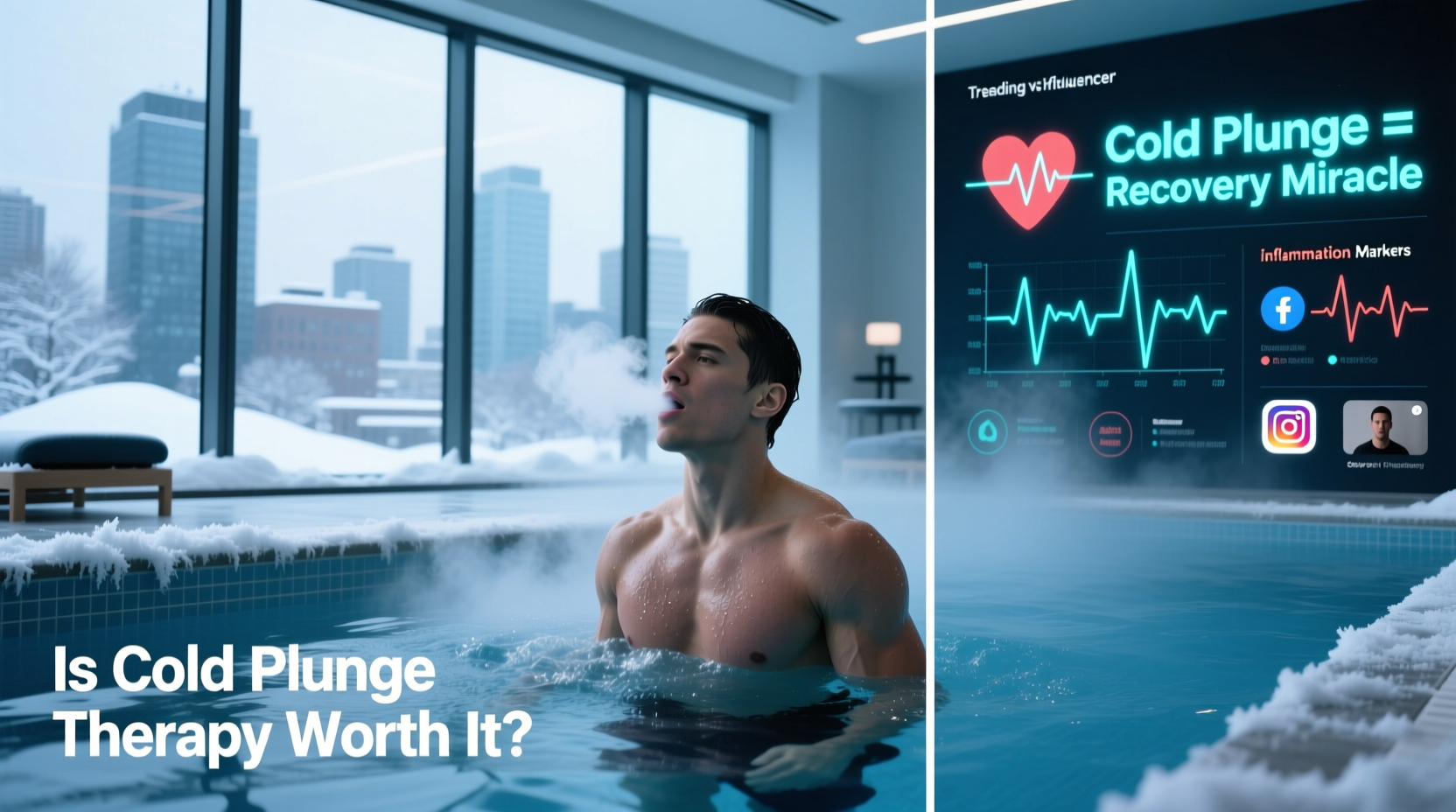
When the body is submerged in cold water—typically between 50°F and 59°F (10°C–15°C)—a cascade of biological reactions occurs. The immediate response includes vasoconstriction, where blood vessels narrow to preserve core temperature. This reduces blood flow to extremities and can decrease inflammation and swelling in muscles post-exercise.
One of the most cited mechanisms is the activation of the sympathetic nervous system, leading to a spike in norepinephrine—a neurotransmitter linked to alertness, focus, and mood regulation. A study published in European Journal of Applied Physiology found that cold water immersion increased circulating norepinephrine by up to 530%, potentially explaining the reported mental boost users experience after a plunge.
Additionally, cold exposure may stimulate brown adipose tissue (BAT), a type of fat that burns energy to generate heat. Some research suggests regular cold exposure could modestly increase metabolic rate over time, though the effect on long-term weight management remains limited.
“Cold water immersion can be a potent tool for reducing delayed onset muscle soreness, but timing and frequency matter. It’s not a one-size-fits-all solution.” — Dr. Craig Liebenson, Rehabilitation Specialist
Recovery Benefits: What the Research Says
For athletes and active individuals, recovery is critical. Cold plunge therapy has been studied extensively in this context, particularly regarding exercise-induced muscle damage.
A 2012 meta-analysis in Cochrane Database of Systematic Reviews concluded that cold water immersion was more effective than passive recovery at reducing muscle soreness 24 to 96 hours after intense exercise. Participants reported feeling less stiff and recovered faster compared to control groups.
However, newer studies suggest potential trade-offs. While cold plunges reduce inflammation and soreness, they may also blunt long-term strength and muscle growth. A 2015 study in the Journal of Physiology showed that participants who used cold water immersion after resistance training experienced less hypertrophy over 12 weeks compared to those who did not. The theory? Inflammation, while uncomfortable, plays a role in signaling muscle repair and adaptation.
This creates a nuanced picture: cold plunges may accelerate short-term recovery but could interfere with long-term gains in muscle mass and strength—especially for those focused on building power or size.
Tip: Use cold plunges selectively—after endurance events or high-volume workouts—but avoid them immediately following strength-building sessions if muscle growth is your goal.Cold Plunge vs. Other Recovery Methods: A Practical Comparison
How does cold plunge therapy stack up against other popular recovery tools? The table below compares key aspects including cost, accessibility, scientific support, and ideal use cases.
| Method | Cost | Scientific Support | Best For | Limitations |
|---|---|---|---|---|
| Cold Plunge | $$–$$$ (equipment investment) | Strong for DOMS reduction | Post-endurance recovery, mental alertness | Potential interference with muscle growth |
| Compression Gear | $–$$ | Moderate | Travel recovery, circulation support | Limited impact on soreness |
| Active Recovery | Free | Strong | General fitness, longevity | Less immediate relief |
| Massage/Therapy Guns | $–$$$ | Moderate to strong | Muscle tension, mobility | Temporary effects |
| Sleep & Nutrition | Varies | Very strong | All-around recovery | Requires consistency |
The data shows that while cold plunges offer unique advantages, they are not superior across the board. Sleep and nutrition remain the foundational pillars of recovery. Cold therapy works best as a supplemental tool—not a replacement for fundamental health practices.
Real-World Application: A Case Study
Consider James, a 34-year-old triathlete training for his first Ironman. After long bike sessions and marathon-distance runs, he consistently experiences severe muscle fatigue and joint discomfort. Seeking faster recovery, he invests in a home cold plunge unit and begins using it within 20 minutes of finishing each major workout.
Within two weeks, James notices reduced soreness and improved sleep quality. He feels mentally sharper in the mornings and attributes this to the endorphin surge post-plunge. However, during strength training cycles, he observes slower progress in leg press and squat numbers. Upon consulting a sports physiologist, he learns that daily cold immersion may be suppressing his muscle adaptation.
Adjusting his protocol, James now reserves cold plunges for race weekends and high-mileage weeks, skipping them during hypertrophy-focused gym phases. This balanced approach allows him to leverage cold therapy without sacrificing long-term performance gains.
“Timing is everything. Using cold exposure strategically—not habitually��is key to maximizing benefits.” — Dr. Stacy Sims, Exercise Physiologist and Author of *Roar*
Who Should Consider Cold Plunge Therapy—and Who Should Avoid It?
Cold plunges aren't suitable for everyone. Certain populations may face serious risks.
Beneficial for:
- Athletes recovering from endurance events
- Individuals seeking improved mental resilience
- People with chronic inflammation conditions (under medical supervision)
- Those looking to enhance alertness and focus
Use with caution or avoid if you have:
- Cardiovascular conditions (e.g., hypertension, arrhythmias)
- Raynaud’s disease
- Pregnancy
- History of cold urticaria (allergic reaction to cold)
- Uncontrolled diabetes (due to impaired circulation)
Rapid drops in skin temperature can cause blood pressure spikes and cardiac stress. Individuals with pre-existing heart conditions should consult a physician before attempting cold immersion.
How to Start Safely: A Step-by-Step Guide
If you're considering trying cold plunge therapy, follow this structured approach to minimize risk and maximize benefit.
- Consult your doctor – Especially if you have cardiovascular issues, respiratory conditions, or are pregnant.
- Start with cold showers – Acclimate your body by ending regular showers with 30–60 seconds of cold water. Gradually increase duration over 1–2 weeks.
- Choose your method – Options include dedicated cold plunge tubs, repurposed chest freezers, bathtubs filled with ice, or natural bodies of cold water.
- Set the right temperature – Begin between 50°F–59°F (10°C–15°C). Avoid going below 50°F until fully acclimated.
- Limit initial exposure – Stay in for 1–2 minutes. Focus on steady breathing—avoid holding your breath.
- Progress gradually – Increase time by 30-second increments weekly, up to a maximum of 10–15 minutes.
- Time it wisely – Use cold plunges post-exercise for recovery, or in the morning for alertness. Avoid late-night sessions that may disrupt sleep.
- Listen to your body – Shivering uncontrollably, numbness, or chest pain means exit immediately.
Frequently Asked Questions
Can cold plunges boost immunity?
Some studies suggest repeated cold exposure may increase white blood cell count and activate immune pathways. However, the effect is modest and should not be relied upon as a primary defense against illness. Adequate sleep, nutrition, and vaccination remain far more impactful.
Do I need expensive equipment to benefit?
No. While commercial cold plunge units offer convenience and precise temperature control, a standard bathtub filled with cold water and ice cubes can be equally effective. Natural cold water swimming in lakes or oceans also provides similar stimuli—if safe access is available.
How often should I do a cold plunge?
For most healthy adults, 2–4 sessions per week is sufficient. Daily use may lead to diminishing returns or adaptive blunting. Allow at least one rest day to let your body recalibrate.
Practical Checklist for Starting Cold Plunge Therapy
- ✅ Consulted a healthcare provider
- ✅ Started with cold showers to build tolerance
- ✅ Set water temperature between 50°F–59°F
- ✅ Limited first session to 1–2 minutes
- ✅ Focused on controlled breathing during immersion
- ✅ Avoided plunging after strength training (if building muscle is a goal)
- ✅ Monitored physical responses and adjusted accordingly
- ✅ Integrated cold therapy as part of a broader recovery strategy
Conclusion: Beyond the Hype
Cold plunge therapy is neither a miracle cure nor a passing fad. It occupies a middle ground—a scientifically supported modality with specific applications and meaningful limitations. The influencers showcasing ice baths every morning may not disclose that they’ve spent years acclimating, or that their protocols are tailored to elite performance goals.
For everyday users, the takeaway is balance. Cold exposure can enhance recovery, sharpen focus, and build mental resilience when used appropriately. But it should complement—not replace—foundational habits like quality sleep, proper nutrition, and smart training.
The real value of cold plunges lies not in chasing trends, but in understanding your body’s needs and applying tools with intention. Whether you’re an athlete, a stressed professional, or someone exploring wellness optimization, cold therapy can be worth the plunge—if approached with knowledge, caution, and purpose.
🚀 Ready to test the waters? Start with a cold shower tomorrow, track how you feel, and build from there. Share your journey in the comments—what worked, what didn’t, and how you’re making cold therapy work for you.








