In recent years, charcoal toothpaste has surged in popularity as a natural alternative to conventional whitening products. Marketed as a detoxifying, plaque-fighting, and stain-removing solution, it's become a staple in the self-care routines of health-conscious consumers. But with its rise comes growing concern: Is this black paste truly beneficial for oral health, or is it simply a fleeting wellness fad masking potential harm? More importantly, what does it do to tooth enamel—the body’s hardest substance and the first line of defense against decay?
To answer these questions, we need to look beyond marketing claims and examine the science behind activated charcoal, its abrasive nature, and how it interacts with dental surfaces over time. The truth is more nuanced than influencers suggest, and understanding it could save your smile from irreversible damage.
The Rise of Charcoal Toothpaste
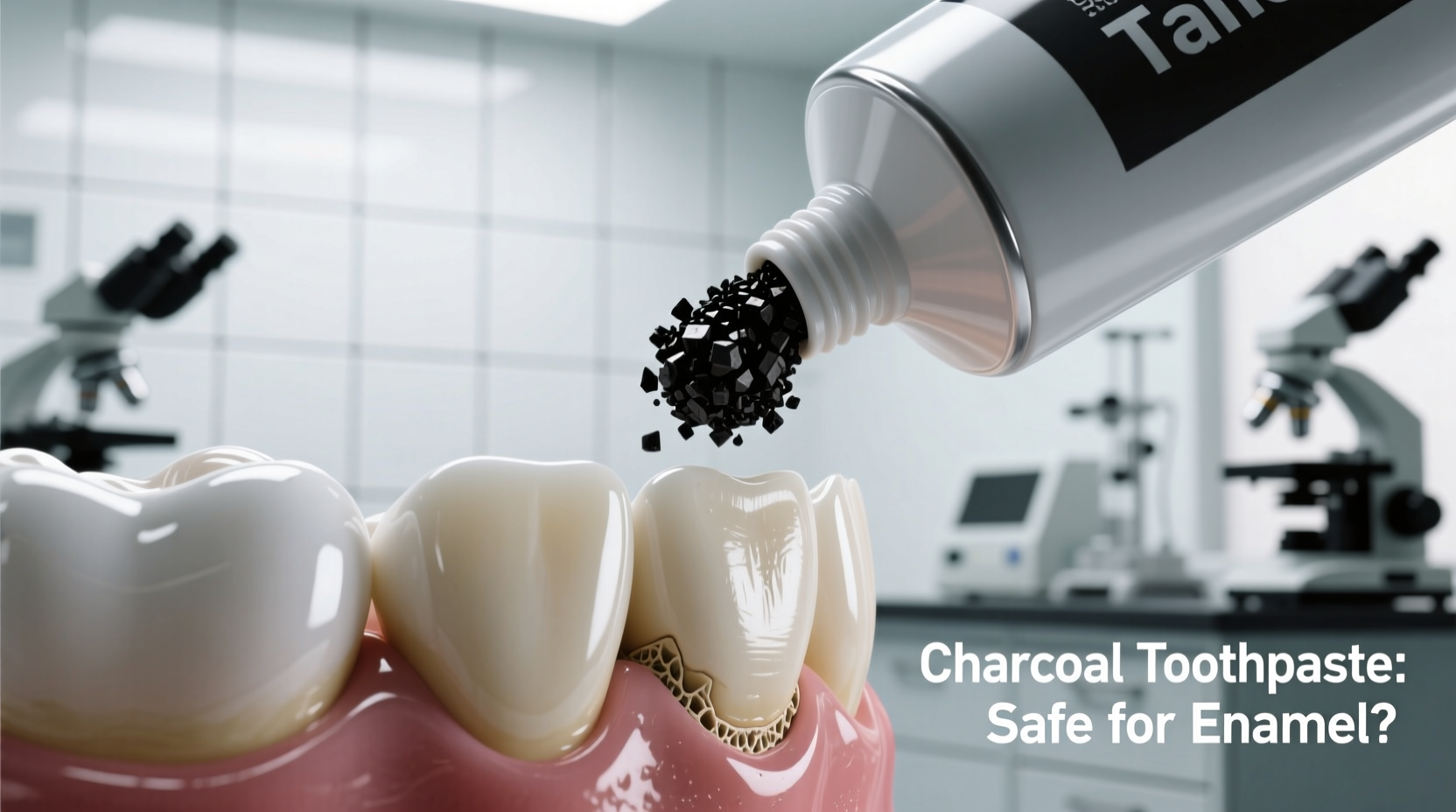
Activated charcoal—distinct from barbecue briquettes—is a fine black powder made by heating carbon-rich materials like coconut shells to high temperatures. This process increases its porosity, allowing it to absorb toxins and chemicals. In emergency medicine, it’s used to treat drug overdoses because of its powerful adsorption properties. But when applied to dentistry, the same qualities raise red flags.
Proponents claim that charcoal toothpaste lifts surface stains caused by coffee, wine, and smoking by binding to pigments and removing them from the enamel. Some also believe it balances mouth pH, reduces bad breath, and even fights bacteria. These promises have fueled a booming market, with sales of charcoal-based oral care products increasing exponentially since 2015.
However, regulatory bodies like the American Dental Association (ADA) remain cautious. No charcoal toothpaste currently holds ADA Seal of Acceptance, primarily due to insufficient clinical evidence supporting safety and efficacy.
How Charcoal Toothpaste Works (and Where It Falls Short)
The primary mechanism behind charcoal toothpaste is mechanical abrasion. When you brush, the gritty particles physically scrub away surface discoloration. While this may produce visible whitening in the short term, the method lacks selectivity—it doesn’t differentiate between stains and healthy enamel.
Enamel, though incredibly hard, is not indestructible. Once worn down, it cannot regenerate. Over time, excessive use of abrasive agents can lead to:
- Increased tooth sensitivity
- Exposure of yellowish dentin underneath
- Notched areas near the gumline (abfractions)
- Greater susceptibility to decay and erosion
A 2019 review published in the *Journal of the American Dental Association* analyzed multiple charcoal-containing products and found that most lacked fluoride—a critical ingredient for remineralizing enamel and preventing cavities. Additionally, many had no standardized labeling, inconsistent ingredient lists, and unverified safety data.
“While some patients see immediate cosmetic improvement, we’re seeing more cases of enamel wear linked to overuse of abrasive 'natural' toothpastes.” — Dr. Lena Patel, Cosmetic Dentist and Oral Health Educator
Comparing Abrasiveness: Charcoal vs. Conventional Toothpastes
Dental researchers measure toothpaste abrasivity using the Relative Dentin Abrasivity (RDA) scale. The International Organization for Standardization (ISO) sets safe limits:
| Toothpaste Type | Average RDA Value | Safety Classification |
|---|---|---|
| Whitening Toothpaste (Conventional) | 70–120 | Safe with caution |
| Charcoal Toothpaste (Generic Brands) | 90–200+ | Potentially harmful with frequent use |
| Sensitive Teeth Formula | 30–60 | Low abrasion, enamel-friendly |
| Maximum Safe Daily Use Limit (ISO) | 250 | Above this level: Unsafe |
Many charcoal toothpastes exceed recommended abrasivity levels, especially when combined with aggressive brushing techniques. Since most users perceive “more scrubbing = better cleaning,” they unknowingly accelerate enamel loss.
Tip: If your toothpaste feels gritty or leaves a scratchy sensation after rinsing, it’s likely too abrasive for daily use.Real-World Impact: A Case Study
Sarah, a 34-year-old graphic designer, switched to a popular bamboo-charcoal toothpaste after seeing glowing reviews online. She wanted a chemical-free way to brighten her smile without visiting the dentist. For six months, she brushed twice daily with firm pressure, believing she was enhancing both hygiene and aesthetics.
After experiencing persistent sensitivity to cold drinks, she visited her dentist. Upon examination, significant enamel thinning was observed on her front teeth, particularly near the gumline. There were no signs of decay, but the exposed dentin had begun to darken, creating an uneven appearance worse than her original staining.
Her hygienist explained that while the charcoal removed surface stains, it also wore away protective enamel faster than it could be naturally maintained. Sarah was advised to discontinue use immediately, switch to a low-abrasion fluoride toothpaste, and undergo desensitizing treatments. Full recovery would take months—and some changes were permanent.
Sarah’s story isn’t unique. Clinicians across North America report similar cases, often among otherwise health-conscious individuals who assume “natural” means “safe.”
What Experts Recommend: A Balanced Approach
Dentists don’t universally condemn charcoal toothpaste—but they urge extreme caution. Occasional, infrequent use might not cause harm for individuals with strong enamel and excellent oral hygiene. However, making it a daily habit significantly increases risk.
Dr. Alan Kim, a preventive dentistry specialist, advises: “Think of charcoal toothpaste like exfoliating scrubs for your face. Used once a week, it might refresh your complexion. Every day? You’ll strip the protective barrier and invite irritation.”
For lasting whitening and enamel protection, professionals recommend alternatives backed by decades of research:
- Fluoride toothpastes proven to strengthen enamel
- ADA-approved whitening products with hydrogen peroxide at safe concentrations
- Regular professional cleanings to remove tartar and deep stains
- Dietary adjustments to reduce acidic and staining foods
“The safest whitening strategy starts with preserving enamel integrity. Once it’s gone, no toothpaste can bring it back.” — Dr. Miriam Zhou, Clinical Director at Pacific Coast Dental Research Group
Step-by-Step Guide to Safer Whitening Practices
If you're seeking a brighter smile without compromising enamel health, follow this evidence-based routine:
- Assess Your Current Routine: Check your toothpaste’s ingredients. Avoid any labeled “activated charcoal,” “bamboo carbon,” or “detox black paste” if used daily.
- Switch to a Fluoride Formula: Choose a low-RDA, fluoride-containing toothpaste designed for sensitive or whitening needs.
- Limited Use Only (If Using Charcoal): If you still wish to try charcoal, limit application to once every 7–10 days, use a soft-bristled brush, and apply gentle pressure.
- Wait After Acidic Foods: Avoid brushing within 30 minutes of consuming citrus, soda, or wine, as acid softens enamel temporarily.
- Monitor Sensitivity: At the first sign of discomfort or visible translucency along edges, stop abrasive products and consult your dentist.
- Professional Options: Consider in-office whitening or custom trays with dentist-prescribed gel for predictable, safe results.
Do’s and Don’ts of Charcoal Toothpaste Use
| Do | Don't |
|---|---|
| Use only occasionally, if at all | Use daily or long-term |
| Pair with a soft-bristle toothbrush | Brush aggressively or with medium/hard bristles |
| Look for third-party tested brands | Trust vague labels like “natural” or “detox” |
| Follow up with fluoride rinse | Rinse only with water after use |
| Consult your dentist before starting | Assume it’s safe because it’s sold in stores |
Frequently Asked Questions
Can charcoal toothpaste cause permanent damage?
Yes. Repeated use can lead to irreversible enamel wear. Unlike skin or bone, enamel does not regenerate. Once lost, the underlying dentin becomes exposed, increasing sensitivity and decay risk.
Are there any safe charcoal toothpastes?
Currently, no charcoal toothpaste meets ADA standards for safety and effectiveness. Some brands combine charcoal with fluoride and lower abrasives, but long-term studies are lacking. Until rigorous testing confirms safety, caution is essential.
How can I whiten my teeth safely?
The safest methods include fluoride-based whitening toothpastes, dentist-supervised bleaching treatments, and maintaining excellent oral hygiene. Avoid abrasive home remedies like baking soda, lemon juice, or charcoal pastes marketed for whitening.
Conclusion: Prioritize Long-Term Health Over Quick Fixes
Charcoal toothpaste may deliver temporary aesthetic improvements, but at a cost many aren’t aware of. Behind the sleek packaging and influencer endorsements lies a product largely unregulated, understudied, and potentially damaging to one of the body’s most vital protective layers—enamel.
True oral wellness isn’t about dramatic transformations overnight. It’s about consistent, science-backed habits that preserve function, prevent disease, and support confidence without compromise. If a brighter smile is your goal, consider solutions that enhance rather than erode your natural defenses.
💬 Have you tried charcoal toothpaste? Share your experience or concerns in the comments below—your insight could help others make informed choices about their dental health.








