In recent years, smart scales have become a staple in many home fitness routines. These sleek devices go beyond basic weight measurement, offering insights into body fat percentage, muscle mass, bone density, water retention, and even visceral fat levels. By syncing with smartphone apps and fitness trackers, they create a detailed picture of your physical health over time. But as these devices collect increasingly intimate biometric data, concerns about digital privacy and data security grow louder. So, is a smart scale truly worth the trade-off between the health benefits it provides and the personal information it gathers?
The answer isn’t black and white. It depends on how you use the device, what you value most—accuracy and motivation or privacy and control—and how much trust you place in tech companies handling your sensitive health metrics.
What Data Does a Smart Scale Actually Collect?
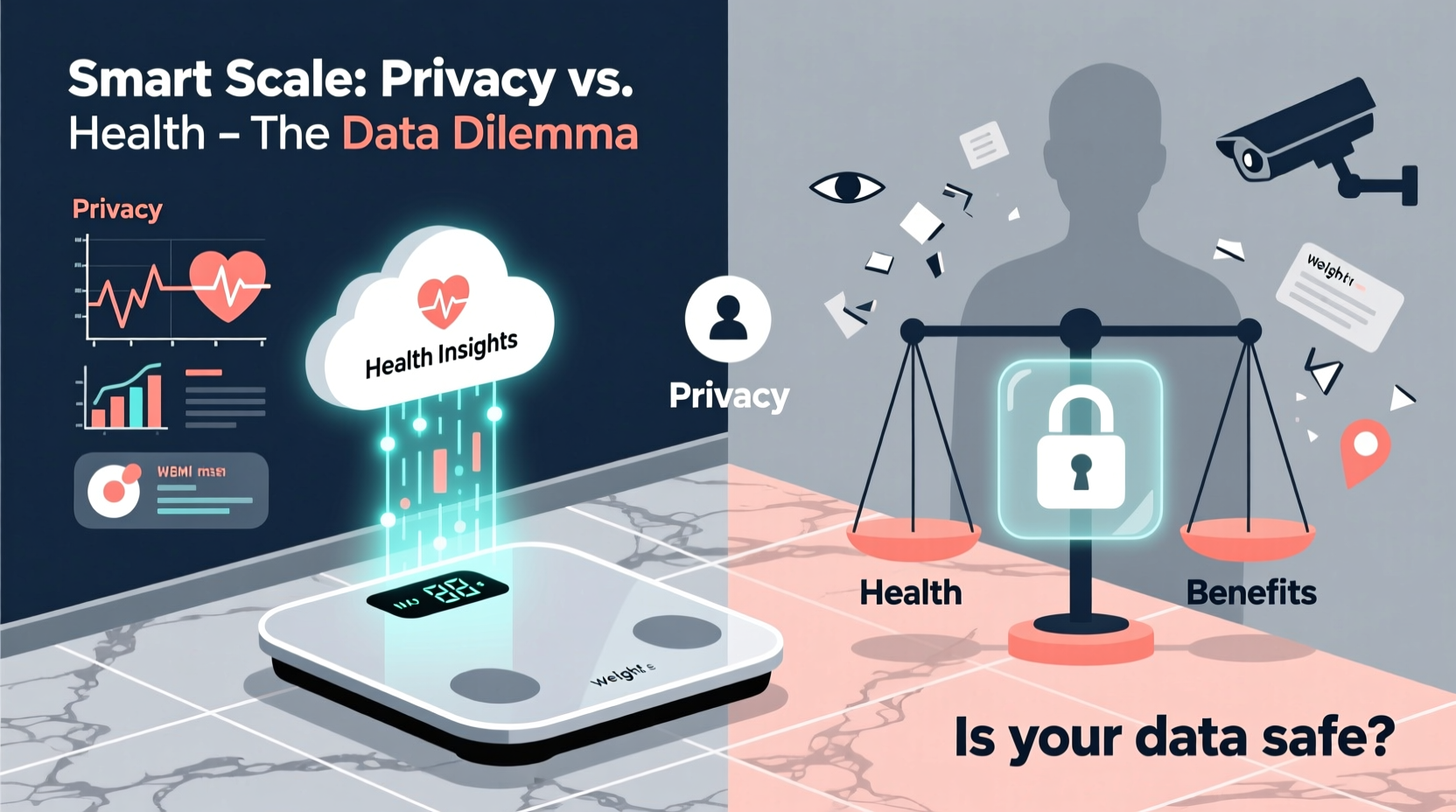
Smart scales use bioelectrical impedance analysis (BIA) to estimate body composition. A small, harmless electrical current passes through your body when you step on the scale. Based on how quickly the current travels, the device calculates various metrics. The data typically includes:
- Weight (in pounds or kilograms)
- Body fat percentage
- Lean body mass
- Bone mass
- Water weight / hydration levels
- Visceral fat level
- Basal metabolic rate (BMR)
- BMI (Body Mass Index)
This information is then uploaded to a companion app—often linked to platforms like Apple Health, Google Fit, or Fitbit—where trends are visualized over time. Some models even differentiate between users based on weight patterns, allowing multiple household members to track their progress individually.
Tip: Always calibrate your smart scale according to manufacturer instructions and stand barefoot on clean sensors for consistent readings.Health Benefits: Why People Love Smart Scales
For individuals focused on long-term health goals—whether losing fat, gaining muscle, or managing chronic conditions—smart scales offer tangible advantages over traditional ones.
Motivation Through Visibility
Seeing weekly changes in body composition can be more motivating than just watching the number on the scale go up or down. For example, someone might gain two pounds but see a drop in body fat and increase in muscle mass—indicating positive progress that wouldn't be visible with a standard scale.
Early Warning System
Sudden spikes in water weight could signal underlying issues such as poor kidney function, heart strain, or hormonal imbalance. Athletes and patients with hypertension or congestive heart failure often use regular weighing as part of self-monitoring protocols. A smart scale adds granularity by tracking fluid retention trends.
Integration With Fitness Ecosystems
When synced with wearables like smartwatches, smart scales help paint a holistic picture of health. If your sleep quality drops and your water weight increases simultaneously, you may begin to notice correlations between lifestyle habits and physiological responses.
“Patients who track body composition consistently are more likely to adhere to diet and exercise plans.” — Dr. Lena Patel, Preventive Medicine Specialist
Privacy Concerns: What Happens to Your Data?
Every time your smart scale uploads data, it travels through networks, servers, and third-party services. While manufacturers claim encryption and anonymization, several red flags remain:
- Data sharing with advertisers: Some companies reserve the right to aggregate and sell non-personally identifiable data to marketers, insurers, or research firms.
- Vulnerability to breaches: Biometric databases are high-value targets for hackers. Unlike passwords, your body composition can’t be reset if compromised.
- Lack of transparency: Privacy policies are often vague about who exactly accesses your data and under what circumstances.
- Cloud dependency: If a company shuts down its service (as Withings briefly did in 2016), users risk losing access to years of tracked data.
A 2022 investigation by *Consumer Reports* found that several popular smart scale brands shared user data with third-party analytics tools without explicit opt-in consent during initial setup. In some cases, this included IP addresses, device IDs, and usage frequency—details that could potentially be re-identified.
Who Owns Your Body Data?
This is one of the most pressing questions. Legally, while you own the raw measurements, once uploaded to a proprietary platform, the terms of service often grant broad usage rights to the company. You may not be able to export all your data easily, delete it permanently, or prevent it from being used in internal studies.
Tip: Review the privacy policy before setting up any smart health device. Look for phrases like “we do not sell your personal data” and check if local regulations (like GDPR or CCPA) apply.Comparing Trade-offs: Benefits vs. Risks
| Factor | Health & Fitness Benefit | Privacy Risk |
|---|---|---|
| Body Fat Tracking | Helps tailor workouts and diets effectively | Sensitive metric; could be misused by insurers if leaked |
| Trend Analysis Over Time | Identifies plateaus and informs adjustments | Longitudinal data creates a detailed health profile vulnerable to profiling |
| App Integration | Syncs with Apple Health, MyFitnessPal, etc., for unified tracking | Expands attack surface; more endpoints = higher breach risk |
| Multi-User Support | Families can track individual progress seamlessly | Potential for cross-user data leaks if authentication fails |
| Automated Logging | Reduces manual entry errors and improves consistency | Always-on connectivity raises surveillance concerns |
Real-World Example: Sarah’s Experience
Sarah, a 38-year-old teacher from Portland, started using a smart scale after her doctor recommended monitoring her blood pressure and weight due to prediabetes. Over six months, she lost 15 pounds and reduced her body fat from 34% to 28%. The daily feedback loop kept her accountable, especially when she noticed water retention spiking after salty meals.
But things changed when she received a targeted ad for diabetic supplements on her social media—shortly after logging a low glucose reading via another connected device. Though there was no direct link proven, Sarah grew uneasy. She later discovered that her smart scale app shared analytics with a third-party SDK embedded in the software. She deleted the app and switched back to a basic digital scale.
“I gained control of my health,” she said, “but I felt like I’d traded too much privacy for it.”
How to Use a Smart Scale Safely: A Step-by-Step Guide
If you decide to keep using a smart scale, follow these steps to minimize risks while maximizing benefits:
- Choose a reputable brand with clear privacy practices (e.g., Withings, Garmin, or Qardio).
- Read the privacy policy carefully—look for commitments to end-to-end encryption and data minimization.
- Use strong credentials and enable two-factor authentication if available.
- Limit app permissions—don’t allow unnecessary access to contacts, location, or calendar.
- Disable cloud sync if you don’t need historical trend tracking.
- Regularly audit connected apps in your Google or Apple account settings.
- Delete old accounts if discontinuing use to remove your data from their systems.
Checklist: Is a Smart Scale Right for You?
Before purchasing or continuing to use a smart scale, ask yourself the following:
- ✅ Do I have specific fitness or medical goals that require body composition tracking?
- ✅ Am I comfortable with my health data being stored online?
- ✅ Does the manufacturer offer transparent data policies and deletion options?
- ✅ Will I actually review and act on the data regularly, or will it become noise?
- ✅ Are there offline alternatives (like manual logs or clinical assessments) that could serve me better?
If most answers are “no,” a simpler, non-connected scale may suffice.
Frequently Asked Questions
Can smart scales be inaccurate?
Yes. Factors like hydration, time of day, recent exercise, and foot calluses can affect BIA readings. For best accuracy, weigh yourself at the same time each day—preferably in the morning, barefoot, and before eating or drinking.
Are smart scales safe for people with pacemakers?
No. The electrical current used in bioimpedance analysis can interfere with implanted medical devices like pacemakers or defibrillators. Users with such conditions should avoid smart scales entirely and consult their physician for alternative monitoring methods.
Can I delete my data from the company’s servers?
It depends on the brand and region. Under GDPR (Europe) and CCPA (California), users have legal rights to request data deletion. Check the app settings or contact customer support to submit a formal request. However, some companies may retain anonymized data for research purposes even after account deletion.
Conclusion: Balancing Insight and Integrity
Smart scales offer powerful insights that can transform how you understand and manage your health. They turn abstract goals into measurable outcomes, helping users stay engaged and informed. Yet, every byte of data collected carries potential risk—especially when that data reflects your body’s inner workings.
The key lies in intentionality. A smart scale is worth it only if the benefits align with your actual needs and if you take active steps to protect your digital footprint. Blind trust in technology is dangerous; informed usage is empowering.
You don’t have to choose between health and privacy. Instead, demand better from the tools you invite into your home. Choose devices that respect both your body and your rights. Audit them regularly. And remember: the most important metric isn’t on the screen—it’s your peace of mind.
🚀 Ready to take control of your health tech? Evaluate your current devices, tighten privacy settings, and share this guide with anyone navigating the balance between wellness and data safety.








