
For city dwellers, apartment residents, or anyone tight on square footage, a foldable treadmill can seem like the perfect compromise: cardio fitness without sacrificing floor space. But when it comes to actual running performance, many wonder—do these compact machines hold up under consistent use, or are they just space-saving novelties with shaky stability and limited power?
The answer isn't black and white. Modern engineering has significantly improved foldable treadmill designs, but trade-offs still exist. Whether one is “worth it” depends on your fitness goals, usage frequency, physical build, and expectations. This article dives deep into the mechanics, materials, user experience, and long-term value of foldable treadmills to help you determine if they’re suitable for serious training—or better left as occasional walking platforms.
Durability vs. Design: The Core Trade-Off
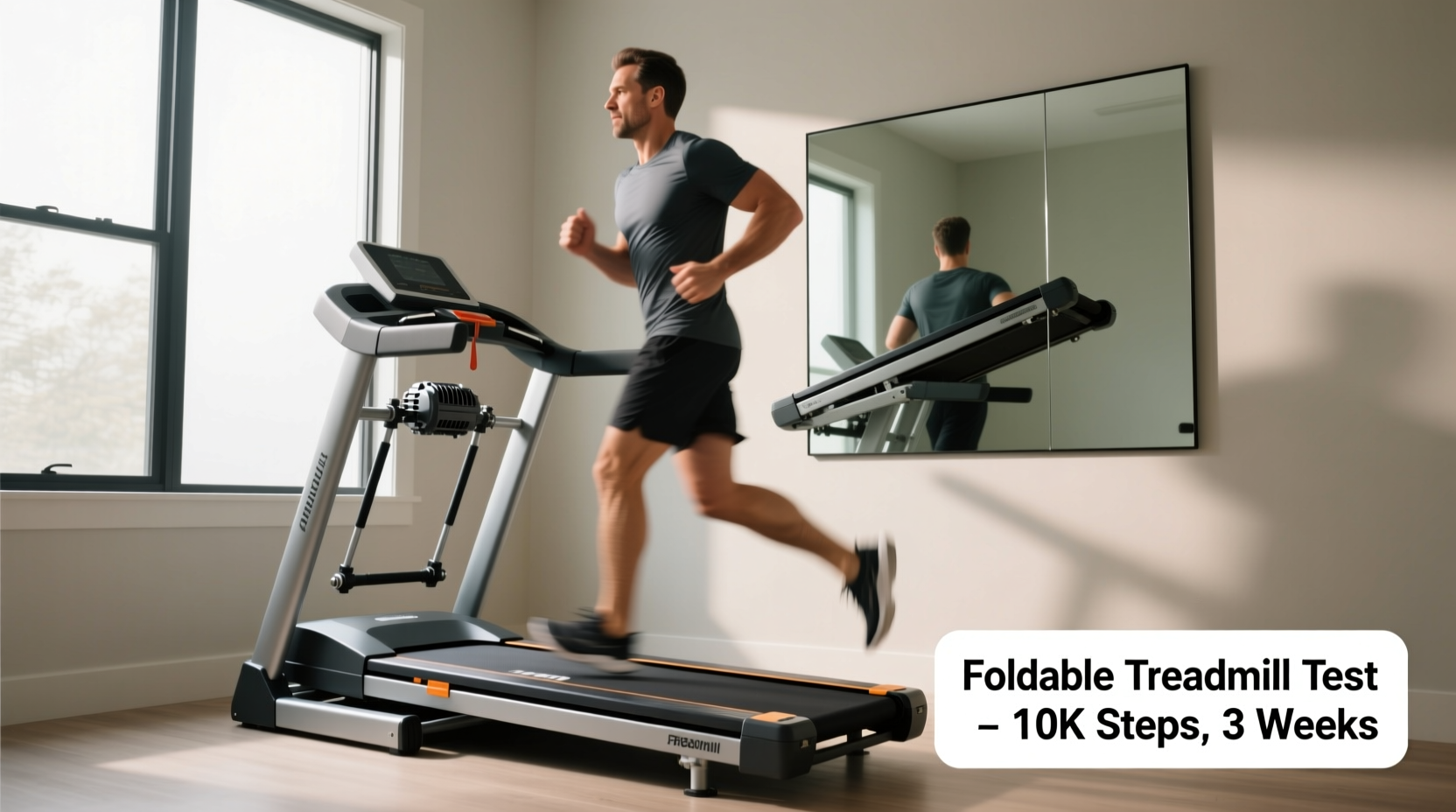
Foldable treadmills achieve space efficiency through hinge mechanisms, lighter frames, and collapsible decks. While this makes storage easier, it often introduces structural compromises. The core question is whether those compromises undermine workout quality and equipment longevity.
Traditional non-foldable treadmills typically feature heavier steel frames, more robust motors (3.0 CHP or higher), and reinforced decks designed for high-impact use. In contrast, most foldable models prioritize portability over mass, using aluminum alloys, thinner steel, or composite materials. As a result, some models may exhibit deck flex, motor strain during incline runs, or vibration at higher speeds.
However, advancements in engineering have narrowed the gap. High-end foldable models now incorporate folding systems with hydraulic dampening, multi-layered running decks, and commercial-grade motors—all while maintaining a footprint that disappears into a closet when not in use.
Tip: Look for foldable treadmills with a motor rating of at least 3.0 CHP continuous duty if you plan to run regularly. Lower ratings may struggle with sustained high-speed or incline workouts.Performance Metrics: Can You Run Seriously on a Foldable Treadmill?
To assess whether a foldable treadmill supports serious running, consider four key performance indicators: motor power, deck stability, speed/incline range, and shock absorption.
- Motor Power: Entry-level foldables often come with 2.0–2.5 CHP motors, which are adequate for walking and light jogging but may overheat during extended runs above 7 mph. Serious runners should target 3.0 CHP or higher.
- Deck Stability: A wobbly or springy deck disrupts stride and increases injury risk. Premium foldables use layered wood or composite decks with anti-vibration padding. Check user reviews for mentions of \"deck bounce\" or \"side-to-side movement.\"
- Speed & Incline Range: Competitive runners need top speeds of at least 10–12 mph and inclines up to 12–15%. Many budget foldables cap out at 10 mph and 10% incline, limiting high-intensity interval training (HIIT) or hill simulations.
- Shock Absorption: Joint protection matters, especially on repetitive runs. Look for systems like FlexDeck, Cushion Roll, or similar technologies that reduce impact by 20–30% compared to pavement.
“Many modern foldable treadmills now offer near-commercial performance, but users must be realistic about their weight, intensity, and weekly mileage. A 200-pound runner logging 20 miles a week needs a sturdier build than someone doing 30-minute jogs twice a week.” — Dr. Lena Torres, Sports Biomechanics Researcher, University of Colorado
Space-Saving Benefits: Real Value in Urban Living
In micro-apartments or shared homes, every square foot counts. A standard treadmill occupies 30–40 square feet and rarely moves once assembled. Foldable models, by contrast, can reduce their footprint by 50–70%, standing vertically in a corner, under a bed, or inside a closet.
This flexibility enables consistent home workouts without turning a living room into a gym. For people who rent, travel frequently, or rotate spaces (e.g., guest room doubling as a workout zone), foldability isn’t a luxury—it’s a necessity.
Yet convenience comes with routine: folding and unfolding the machine after each use adds friction. If the mechanism is stiff or lacks automatic lift assistance, users may skip workouts simply to avoid setup hassle. Hydraulic-assisted folding systems, found in brands like NordicTrack and ProForm, ease this burden significantly.
| Feature | Foldable Treadmill | Non-Foldable Treadmill |
|---|---|---|
| Footprint (LxW) | 6' x 3' (open), 2' x 6' (stored) | 7' x 3' (fixed) |
| Average Weight | 120–180 lbs | 200–300 lbs |
| Maintenance Effort | Moderate (folding/unfolding) | Low (stationary) |
| Ideal For | Small spaces, intermittent use | Dedicated gyms, daily runners |
| Lifespan (with care) | 5–7 years | 8–12 years |
Who Should Consider a Foldable Treadmill?
Not all runners have the same demands. Understanding your personal use case determines whether a foldable model is viable.
Consider a foldable treadmill if:
- You live in an apartment or small home with no dedicated gym space.
- Your running routine is moderate—2–4 sessions per week, mostly jogging or light running.
- You weigh under 200 pounds and don’t engage in sprint intervals or marathon training.
- You value versatility and don’t want a permanent fixture in your living area.
Avoid foldable models (or choose only premium ones) if:
- You're training for races or logging high weekly mileage.
- You exceed 220 pounds or require maximum stability.
- You frequently use high speeds (>10 mph) or steep inclines.
- You dislike mechanical routines like folding/unlocking before each session.
Mini Case Study: Sarah’s Studio Apartment Solution
Sarah, a 32-year-old graphic designer in Brooklyn, wanted to maintain her running habit after moving into a 450-square-foot studio. Her previous full-size treadmill wouldn’t fit, and outdoor running felt unsafe at night. She invested $1,100 in a NordicTrack T Series Treadmill with AutoBounce folding tech.
After six months, she logs three 30-minute runs weekly at 6.5–7.5 mph. The treadmill folds neatly behind her couch, freeing space for yoga or guests. She notes minor vibration at 8 mph but says it doesn’t affect form. “It’s not a Peloton Tread,” she admits, “but it lets me run year-round without giving up my living space.”
Her experience reflects a growing trend: urban professionals choosing smart compromises over ideal setups. For them, consistency trumps peak performance—and foldable treadmills enable exactly that.
Choosing the Right Model: A Buyer’s Checklist
Not all foldable treadmills are created equal. Use this checklist to separate flimsy designs from durable, performance-ready options:
- ✅ Motor: At least 3.0 CHP continuous duty for runners; 2.5+ for walkers/joggers.
- ✅ Weight Capacity: Minimum 300 lbs to ensure safety and longevity.
- ✅ Deck Size: At least 55” long x 20” wide to accommodate natural stride.
- ✅ Folding Mechanism: Hydraulic or assisted lift preferred; avoid manual cranks.
- ✅ Assembly: Look for tools-included kits and clear instructions; some models take 2+ hours.
- ✅ Warranty: At least 1-year parts, 6-month labor, and 5+ years on frame.
- ✅ Safety Features: Emergency stop clip, hand sensors, and non-slip rails.
- ✅ Tech Integration: Bluetooth, app connectivity, and built-in programs enhance motivation.
Frequently Asked Questions
Can I run every day on a foldable treadmill?
Yes, but only if the model is built for high-frequency use. Check for commercial-grade components, strong warranties, and verified user reports of daily operation. Lightweight consumer models may wear out faster under daily stress.
Do foldable treadmills break easily?
Lower-end models with weak hinges or thin decks are prone to premature failure, especially under heavy users. However, reputable brands with reinforced joints and quality control rarely suffer structural issues within the first 5 years when used as intended.
Are foldable treadmills safe for tall runners?
Taller individuals (over 6’2”) should verify deck length and clearance when folded. Some models shorten the usable belt or limit arm swing due to console proximity. Always check stride compatibility before purchase.
Final Verdict: Balancing Space and Performance
The idea that all foldable treadmills are inherently “flimsy” is outdated. While budget models under $800 often cut corners on frame rigidity and motor strength, mid-range and premium foldables now rival traditional machines in functionality.
For casual to moderate runners in space-constrained environments, a well-chosen foldable treadmill is absolutely worth the investment. It removes barriers to consistency, integrates seamlessly into small homes, and delivers measurable cardiovascular benefits. The key is selecting a model engineered for durability—not just convenience.
On the other hand, competitive runners, high-mileage athletes, or those prioritizing absolute stability should lean toward non-foldable or commercial-grade units. These users demand unwavering performance, and even minor deck flex or motor lag can disrupt training progress.
The future of home fitness lies in intelligent design—machines that don’t force users to choose between health and habitat. Foldable treadmills represent a critical step in that direction. With careful selection, they are neither too flimsy nor overpriced—they’re practical solutions for modern lifestyles.
🚀 Ready to find your ideal foldable treadmill? Start by measuring your space, defining your running goals, and comparing models with verified durability. Your next run might be closer—and more convenient—than you think.








