
For city dwellers living in compact apartments, every square foot counts. The dream of home fitness often collides with spatial reality—how do you stay active without turning your studio into a gym warehouse? Foldable treadmills have emerged as a popular solution, promising cardio convenience without the footprint. But are they truly worth it?
The answer isn’t a simple yes or no. It depends on your fitness goals, usage frequency, ceiling height, storage options, and expectations from your workout equipment. While foldable treadmills offer undeniable space-saving benefits, they also come with trade-offs in stability, motor power, and long-term durability. This article breaks down the real value of foldable treadmills for apartment living, balancing practicality with performance.
Space Constraints in Urban Living
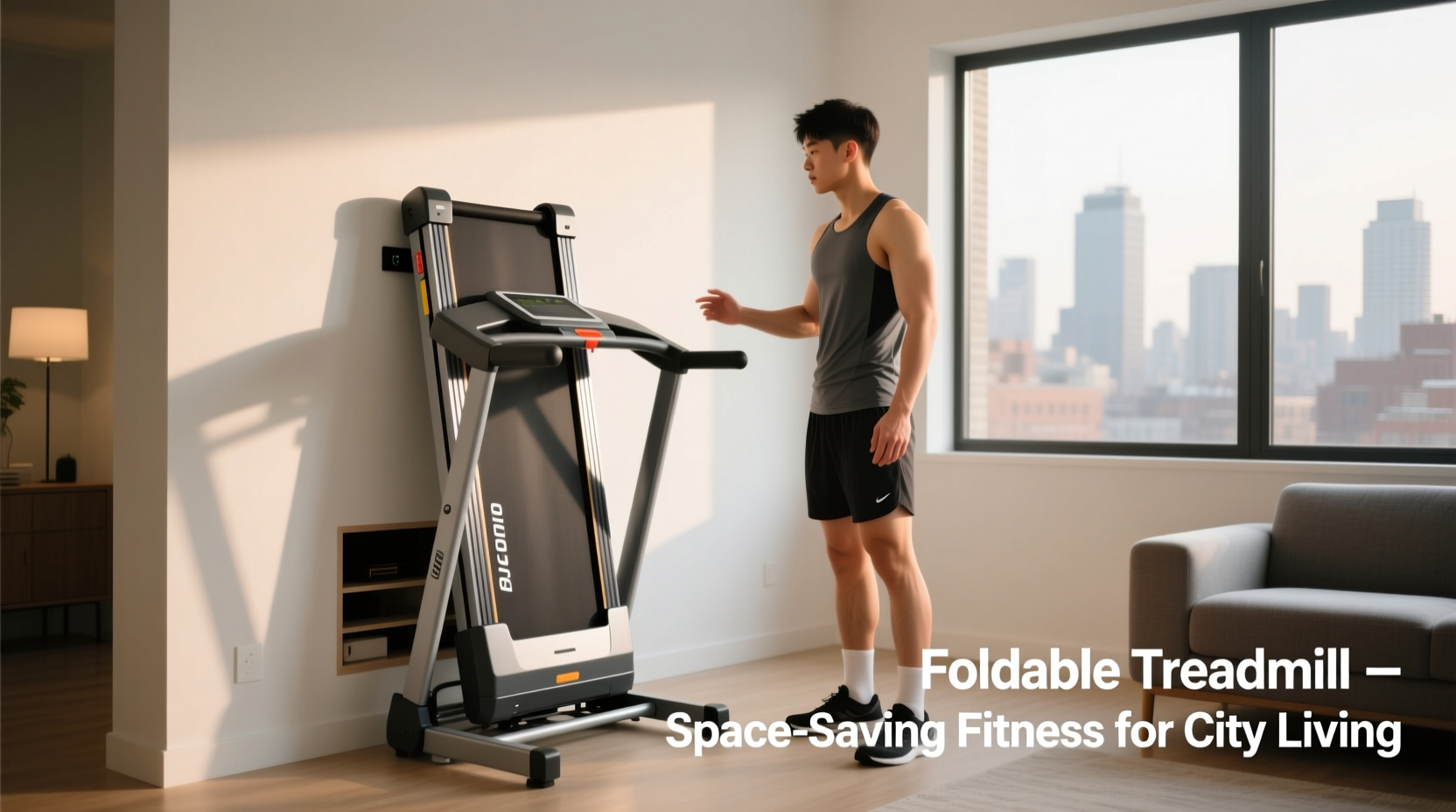
Urban apartments, especially in high-density cities like New York, Chicago, or San Francisco, average between 500 and 700 square feet. In such environments, dedicated workout rooms are a luxury few can afford. Furniture must multitask, and appliances need to be tucked away when not in use. That’s where foldable treadmills enter the equation.
Traditional treadmills measure around 6 to 7 feet in length and 3 feet in width—occupying roughly 18–21 sq ft. When folded, many compact models reduce their footprint by up to 50%, standing vertically and fitting into closets, under beds, or beside bookshelves. Some even roll on wheels for easy repositioning.
But saving space shouldn’t mean sacrificing safety or functionality. The challenge lies in finding a balance between compact design and reliable performance.
Tip: Measure your available floor and vertical clearance before purchasing. A treadmill may fold vertically but could exceed standard closet heights (typically 80 inches).Performance: Can Foldable Treadmills Handle Real Workouts?
A common misconception is that all treadmills deliver the same running experience. In reality, performance hinges on motor strength, deck cushioning, belt size, and frame rigidity—all areas where budget foldable models often cut corners.
Most foldable treadmills use DC motors ranging from 2.0 to 3.0 continuous horsepower (CHP). While adequate for walking and light jogging, heavier users or those training for endurance may find these motors strain under prolonged use. Non-foldable, commercial-grade treadmills typically start at 3.0 CHP and go up to 4.5+, offering smoother acceleration and better heat dissipation.
The folding mechanism itself introduces instability. Hinges and hydraulic lift systems can create slight wobbling during high-impact running. Over time, repeated folding may loosen joints, affecting overall structural integrity. Users over 200 lbs should pay particular attention to weight capacity ratings—many foldable models cap out at 250–300 lbs, compared to 350+ on full-sized units.
“Compact doesn’t have to mean compromised—but consumers must prioritize build quality over price. Look for reinforced frames and commercial-grade components even in smaller designs.” — Mark Delaney, Fitness Equipment Engineer
Comparing Key Features: Foldable vs. Full-Size Treadmills
| Feature | Foldable Treadmill | Full-Size Treadmill |
|---|---|---|
| Floor Space (Unfolded) | 12–15 sq ft | 18–24 sq ft |
| Storage Height (Folded) | 70–85 inches | N/A (doesn’t fold) |
| Motor Power (CHP) | 2.0–3.0 | 3.0–4.5+ |
| Weight Capacity | 250–300 lbs | 300��400+ lbs |
| Deck Cushioning | Basic to moderate | Advanced shock absorption |
| Lifespan (with regular use) | 3–5 years | 7–10+ years |
| Average Price Range | $600–$1,500 | $1,500–$4,000+ |
The table highlights key differences, but individual models vary widely. Premium foldable treadmills like the NordicTrack T Series or Sole F85 bridge the gap with stronger motors and enhanced cushioning, though they come at a higher cost.
Real-Life Scenario: Sarah’s Studio Apartment Solution
Sarah, a 32-year-old graphic designer in downtown Seattle, lives in a 580-square-foot studio. She wanted to incorporate daily walks into her routine but lacked space for bulky equipment. After researching options, she purchased a mid-range foldable treadmill with a 2.75 CHP motor and auto-folding feature.
She uses it primarily for 30-minute walking sessions at 3.0–3.5 mph, five days a week. On weekends, she occasionally jogs at 5.0 mph for short intervals. The treadmill folds upright and rolls behind her sofa, remaining out of sight when not in use. After 18 months of consistent use, the machine shows minimal wear. Sarah reports high satisfaction, noting that the space efficiency made home workouts feasible.
However, she acknowledges limitations. “If I wanted to train for a 10K seriously, I’d probably upgrade. The belt feels a bit narrow, and sprinting isn’t comfortable. But for my needs? Perfect.”
Sarah’s case illustrates a critical point: foldable treadmills excel when matched to realistic usage patterns. They’re ideal for walkers, light joggers, and those prioritizing convenience over intensity.
What to Look for in a Quality Foldable Treadmill
Not all foldable treadmills are created equal. To avoid buyer’s remorse, focus on these seven essentials:
- Motor Durability: Choose a model with at least 2.5 CHP for consistent performance, especially if you weigh over 180 lbs.
- Frame Material: Steel frames offer better stability than aluminum or composite materials.
- Running Surface: Aim for a belt at least 20 inches wide and 55 inches long to allow natural stride movement.
- Cushioning System: Look for multi-layer decks with shock absorption to reduce joint impact.
- Weight Capacity: Ensure the max user weight exceeds your own by at least 20–30 lbs for safety margin.
- Folding Mechanism: Hydraulic-assisted lifts are easier and safer than manual folding. Auto-fold features add convenience but increase cost.
- Assembly & Clearance: Check ceiling height and doorway widths. Some models require two people to assemble and lift into storage.
Step-by-Step Guide: Choosing and Using a Foldable Treadmill in an Apartment
Follow this sequence to ensure your purchase fits both your space and fitness goals:
- Assess Your Space: Measure the intended workout area and vertical storage space. Include clearance for arm swing and safe dismounting (at least 2–3 feet behind).
- Define Your Workout Style: Are you a walker, casual jogger, or aspiring runner? Match treadmill specs to your typical speed and duration.
- Set a Realistic Budget: Expect to spend $800–$1,500 for a durable, mid-tier foldable model. Avoid sub-$500 machines—they often lack longevity.
- Research Top Models: Focus on brands with strong warranties (at least 10 years on frame, 2 on parts, 1 on labor). Read verified owner reviews focusing on noise, wobble, and long-term reliability.
- Check Noise Levels: Apartment floors mean shared walls and ceilings. Look for treadmills rated under 70 dB at 4 mph. Rubberized decks and vibration dampeners help reduce sound transmission. <6> Plan Storage Routine: Decide where and how you’ll store the treadmill. Will you move it daily? Use furniture sliders to protect flooring and ease relocation.
- Assemble Carefully: Follow instructions precisely. Improper assembly can lead to instability or mechanical failure.
- Maintain Regularly: Clean the belt weekly, lubricate as recommended (usually every 3–6 months), and inspect folding joints for wear.
Common Misconceptions About Foldable Treadmills
- “They’re just as good as full-size models.” While some premium foldables approach commercial quality, most sacrifice durability and stability for portability.
- “All folding treadmills are small and weak.” This isn’t universally true. High-end models like the Peloton Tread or LifeSpan TR1200-DT5 offer robust performance despite compact storage.
- “Folding means flimsy.” Engineering has improved significantly. Many modern hinges use aircraft-grade steel and dual hydraulic pistons for secure locking.
- “I can run sprints safely.” Even sturdy foldables aren’t designed for explosive movements. Stick to moderate paces unless the manufacturer explicitly approves high-intensity use.
FAQ: Common Questions from Apartment Dwellers
Can I use a foldable treadmill on a second-floor apartment without disturbing neighbors?
Yes, but with precautions. Place the treadmill on a thick rubber mat to absorb vibrations. Avoid high-impact running; stick to walking or light jogging. Machines with anti-vibration technology and quieter motors (like brushless DC) minimize noise transfer through floorboards.
How much maintenance do foldable treadmills need?
Regular upkeep includes monthly belt cleaning, periodic lubrication (check manual), and inspecting the folding mechanism for loose bolts or worn hydraulics. Unlike stationary models, the hinge points require occasional tightening to maintain stability.
Do foldable treadmills break easily?
Poorly built models may fail within 1–2 years, especially with frequent folding or heavy use. However, well-maintained, reputable-brand treadmills used within their limits typically last 4–6 years. Avoid cheap no-name brands sold exclusively online without service networks.
Final Checklist Before Buying
- ✅ Measured available floor and storage space
- ✅ Confirmed ceiling height clearance when folded
- ✅ Verified motor power (≥2.5 CHP recommended)
- ✅ Checked weight capacity (with safety margin)
- ✅ Researched noise levels and vibration control
- ✅ Reviewed warranty terms (frame, parts, labor)
- ✅ Watched video demos of folding/unfolding process
- ✅ Compared delivery, assembly, and return policies
Conclusion: Is It Worth It?
For apartment dwellers, a foldable treadmill can be a smart investment—if expectations are aligned with reality. If your primary goal is consistent, low-to-moderate intensity cardio and space is non-negotiable, then yes, a well-chosen foldable treadmill is absolutely worth it. It removes barriers to exercise by making fitness accessible within tight quarters.
However, if you're training for marathons, prefer high-speed intervals, or weigh over 280 lbs, you may eventually outgrow its capabilities. In such cases, consider alternatives like under-desk walking pads, outdoor running, or gym memberships.
The key is intentionality. A foldable treadmill isn't a magic solution—it's a tool. Its value emerges not from its ability to disappear into a corner, but from its role in helping you show up for your health, day after day, even in a small space.
💬 Have you made a foldable treadmill work in your apartment? Share your setup, brand choice, and lessons learned in the comments below—your experience could help someone else make their decision!








