
Clear, smooth skin starts with clean pores. When pores become clogged with oil, dead skin cells, and environmental pollutants, breakouts, blackheads, and dullness often follow. While countless skincare tools promise results, one device has gained steady popularity in both professional and at-home routines: the facial steamer. But does this small appliance truly deliver on its promise of clearer pores? Or is it just another beauty gadget that adds clutter without real benefit?
The answer lies in understanding how steam interacts with the skin, who benefits most from regular use, and how to incorporate it correctly into a skincare regimen. More than just a spa-like indulgence, facial steaming can be a strategic step—when used wisely.
How Facial Steaming Works on Pores
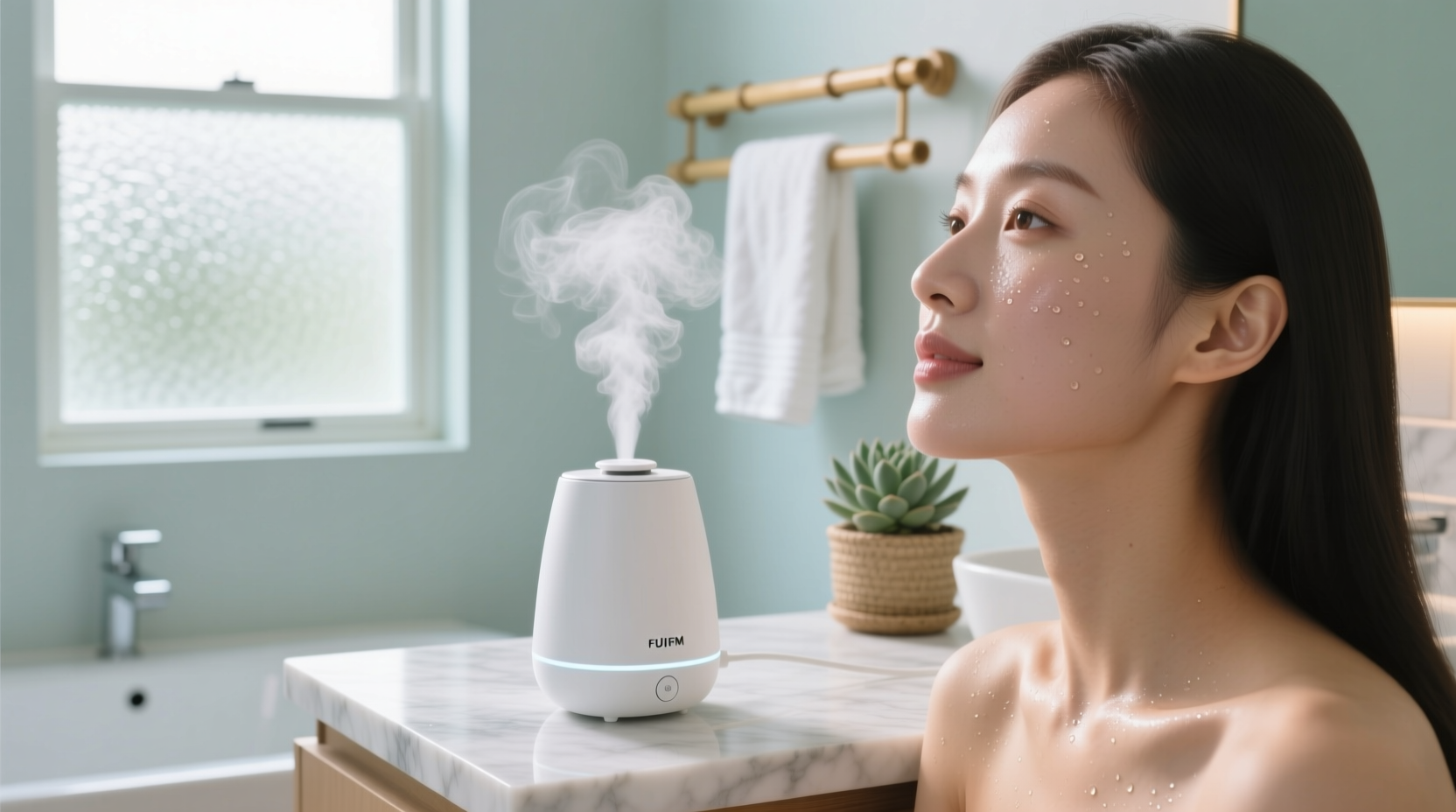
Facial steam works by delivering warm, moist air to the surface of the skin. This gentle heat causes blood vessels to dilate and increases circulation, giving the face a healthy glow. More importantly, it softens sebum (the natural oil produced by your skin) and loosens debris trapped within pores.
When pores are open and softened through steaming, impurities such as dirt, makeup residue, and excess oil become easier to remove. This makes subsequent cleansing steps more effective. Think of it like prepping a clogged drain before cleaning—it’s much easier to flush out buildup when the passage is warmed and widened.
Unlike harsh scrubs or chemical exfoliants that may irritate sensitive skin, steaming offers a non-invasive way to prepare the skin for deeper treatment. It’s particularly beneficial for those with oily, acne-prone, or congested skin types, where pore blockage is a recurring issue.
Tip: Limit steaming sessions to 5–10 minutes to avoid over-hydrating the skin, which can weaken the moisture barrier.Benefits Beyond Pore Cleansing
While clearer pores are the primary draw, facial steaming offers several secondary advantages that contribute to overall skin health:
- Enhanced product absorption: After steaming, serums, moisturizers, and treatments penetrate more deeply due to temporarily increased permeability of the skin.
- Improved circulation: The warmth stimulates blood flow, promoting cell turnover and contributing to a radiant complexion.
- Loosened blackheads and whiteheads: Steam helps soften keratin plugs inside pores, making extractions (if done properly) less traumatic.
- Relaxation and stress reduction: The ritual of steaming can be calming, reducing tension that may otherwise exacerbate skin conditions like acne or rosacea.
For individuals incorporating masks, exfoliants, or active ingredients like salicylic acid or retinoids, steaming beforehand can amplify their effectiveness. However, timing matters—steaming should precede these treatments, not follow them, to prevent irritation.
Who Should Use a Facial Steamer—and Who Should Avoid It
Not every skin type benefits equally from facial steaming. Understanding your skin’s needs and limitations is key to avoiding adverse effects.
| Skin Type | Recommended? | Notes |
|---|---|---|
| Oily / Acne-Prone | Yes | Helps loosen sebum and unclog pores; best paired with clay masks. |
| Combination | Yes (with caution) | Focus steam on T-zone; avoid over-drying cheeks. |
| Dry / Sensitive | Limited use | May strip natural oils; use infrequently and follow with rich moisturizer. |
| Rosacea / Eczema / Dermatitis | No | Heat can trigger flare-ups; consult a dermatologist first. |
| Mature Skin | Yes (moderate) | Boosts radiance and supports anti-aging product penetration. |
“Steam can be a valuable tool in preparing the skin for treatment, but it’s not a standalone solution. Overuse or misuse can compromise the skin barrier, especially in sensitive individuals.” — Dr. Lena Patel, Board-Certified Dermatologist
Step-by-Step Guide to Effective Home Steaming
To get the most out of your facial steamer without risking irritation, follow this science-backed routine:
- Cleanse first: Wash your face with a gentle cleanser to remove surface-level makeup and grime. This prevents pushing dirt deeper during steaming.
- Prepare the steamer: Fill the reservoir with distilled water to prevent mineral buildup. Tap water may leave deposits and reduce device lifespan.
- Position yourself: Sit comfortably with your face 8–12 inches from the nozzle. Close your eyes and drape a towel over your head if needed to trap steam.
- Steam for 5–10 minutes: Set a timer. Do not exceed 10 minutes, even if your skin feels fine. Prolonged exposure can lead to dehydration.
- Follow with treatment: Immediately after steaming, apply a clarifying mask, exfoliant, or serum while pores are open and receptive.
- Moisturize: Seal in hydration with a non-comedogenic moisturizer to restore balance and protect the skin barrier.
- Frequency: 1–2 times per week is sufficient for most skin types. Oily skin may tolerate twice weekly; dry or sensitive skin should limit to once every 10–14 days.
Real Example: How One User Improved Congestion in 3 Weeks
Sarah, a 29-year-old office worker with combination skin, struggled with persistent blackheads along her nose and chin. Despite daily cleansing and weekly exfoliation, she noticed little improvement. After reading about facial steaming, she purchased a compact home steamer and committed to a consistent routine.
She began steaming twice a week before applying a salicylic acid mask. Within ten days, she observed fewer new blackheads forming. By week three, her skin felt smoother, and existing clogs were easier to manage. She emphasized consistency and pairing the steam with targeted treatments rather than relying on it alone.
“It wasn’t an overnight fix,” Sarah said, “but I finally saw progress where other products failed. The steamer didn’t clear my pores by itself—it made everything else work better.”
Facial Steamer vs. DIY Alternatives: What’s Worth It?
You don’t need a dedicated device to enjoy the benefits of facial steam. Many people boil water and lean over the bowl with a towel—a method that’s free and accessible. So, is buying a steamer really worth it?
Here’s a comparison:
| Method | Pros | Cons |
|---|---|---|
| Boiling Water + Bowl | Free, simple, uses household items | Inconsistent temperature, risk of burns, no safety shut-off |
| Facial Steamer (Home Device) | Controlled temperature, longer run time, portable, safer design | Cost ($30–$100), requires storage space |
| Professional Spa Steaming | Expert supervision, combined with extractions and treatments | Expensive ($75+ per session), time-consuming |
For occasional users, the DIY method may suffice. But for those integrating steaming into a weekly routine, a home steamer offers convenience, consistency, and safety. Models with adjustable settings and auto-shutoff features minimize risks and enhance user experience.
Frequently Asked Questions
Can facial steaming cause breakouts?
Not directly—but improper use can. If you don’t cleanse before steaming, you may push bacteria deeper into pores. Also, failing to moisturize afterward can trigger rebound oil production, leading to congestion. Always follow a full post-steam routine.
Is it safe to steam every day?
No. Daily steaming can disrupt the skin’s natural lipid barrier, leading to dryness, sensitivity, and inflammation. Stick to 1–2 times per week unless advised otherwise by a dermatologist.
Can I use tap water in my facial steamer?
It’s not recommended. Tap water contains minerals that can build up inside the device, reducing efficiency and potentially releasing particles onto your skin. Always use distilled or filtered water for optimal performance and hygiene.
Checklist: Is a Facial Steamer Right for You?
Before purchasing or committing to regular use, consider the following:
- ☑ I have oily, combination, or congested skin
- ☑ I struggle with blackheads or dullness
- ☑ I’m willing to use it only 1–2 times per week
- ☑ I already have a solid cleansing and moisturizing routine
- ☑ I don’t have rosacea, eczema, or extreme sensitivity
- ☑ I plan to pair steaming with masks or active treatments
- ☑ I’ll use distilled water to maintain the device
If most of these apply, a facial steamer could be a worthwhile addition to your skincare arsenal.
Final Verdict: Is It Worth It?
A facial steamer isn’t a miracle cure, but it is a functional tool that enhances the effectiveness of other skincare steps. For those dealing with clogged pores, uneven texture, or lackluster skin, it can make a noticeable difference—especially when integrated thoughtfully into a broader routine.
The investment—both in time and money—is modest compared to high-end treatments or prescription regimens. And unlike many trendy gadgets, facial steamers are rooted in basic physiology: heat opens pores, moisture softens debris, and improved circulation supports healing.
However, success depends on correct usage. Steaming should never replace cleansing or moisturizing, nor should it be overused. It’s a preparatory step, not a finisher. When approached with realistic expectations and proper technique, it earns its place in a thoughtful skincare regimen.
💬 Ready to try facial steaming? Start with one session per week, track your skin’s response, and adjust based on results. Share your journey in the comments—your experience might help someone else find clarity, one pore at a time.