
Infrared light, though invisible to the human eye, plays a powerful role in supporting human health. Found naturally in sunlight and harnessed through therapeutic devices like saunas, lamps, and wearable panels, infrared radiation operates on wavelengths that penetrate deep into tissues. Unlike ultraviolet light, which can damage skin, infrared is generally safe and has been studied for its ability to stimulate cellular repair, reduce inflammation, and enhance circulation. As interest in non-invasive wellness therapies grows, infrared light therapy is emerging as a promising tool for managing chronic conditions and boosting overall vitality.
Understanding Infrared Light: The Basics
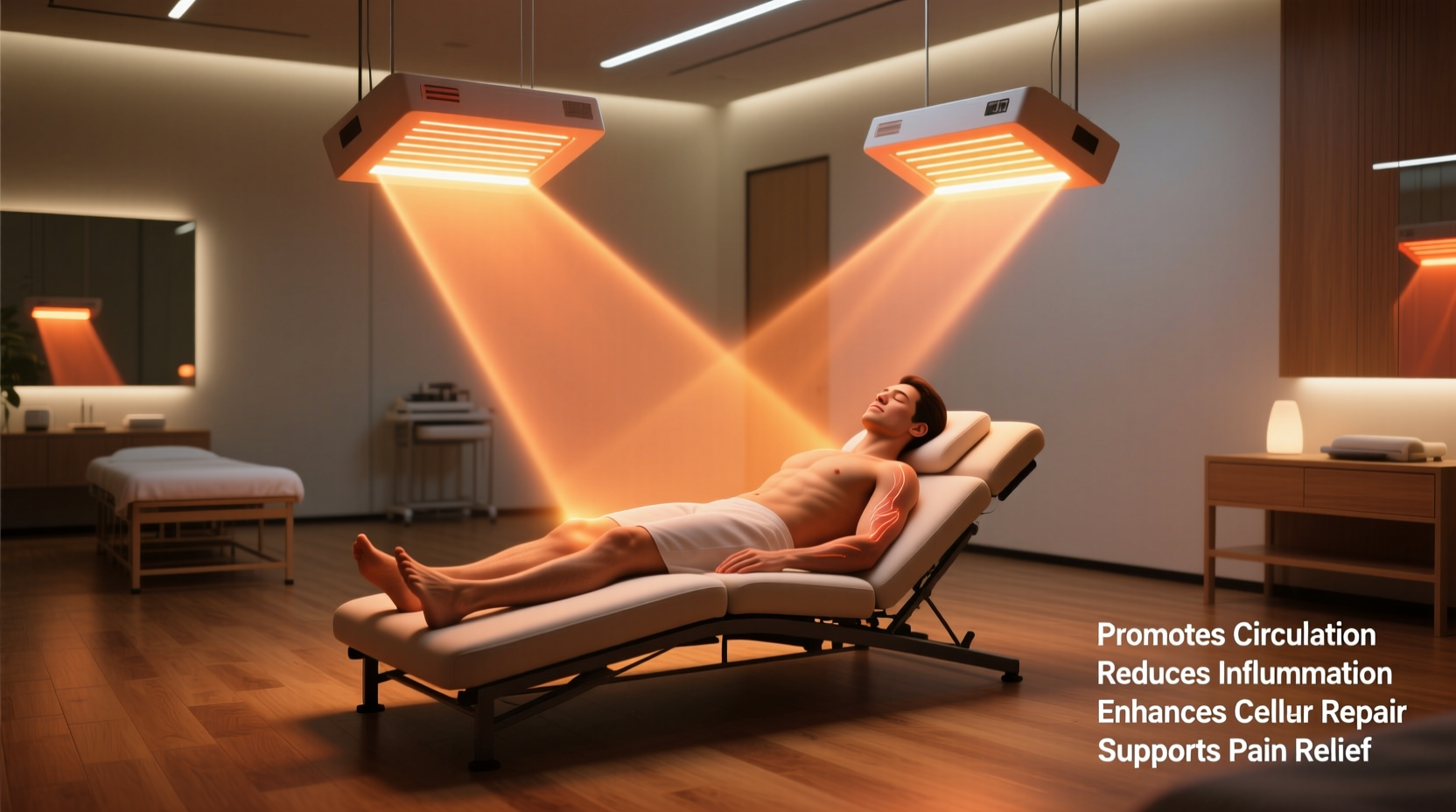
Infrared (IR) light falls within the electromagnetic spectrum just beyond visible red light, with wavelengths ranging from 700 nanometers (nm) to 1 millimeter. It’s categorized into three types based on penetration depth:
- Near-Infrared (NIR): 700–1400 nm – shallow penetration, ideal for skin rejuvenation and wound healing.
- Mid-Infrared (MIR): 1400–3000 nm – reaches deeper into soft tissues, promoting circulation and muscle relaxation.
- Far-Infrared (FIR): 3000 nm–1 mm – penetrates deepest, heating the body from within and supporting detoxification and cardiovascular function.
Unlike traditional heat sources that warm the air around you, infrared directly heats your body, making it more efficient and comfortable. This mechanism allows therapeutic effects without excessive ambient temperatures, a key advantage in treatments like infrared saunas.
Tip: For general wellness, start with short 10–15 minute sessions using a near or far-infrared device and gradually increase duration as your body adapts.Science-Backed Health Benefits of Infrared Light
Over the past two decades, clinical research has uncovered multiple physiological benefits linked to regular infrared exposure. These effects stem primarily from increased cellular energy production and reduced oxidative stress.
Pain Relief and Muscle Recovery
Infrared therapy has shown consistent efficacy in reducing chronic pain, particularly in conditions like osteoarthritis, lower back pain, and fibromyalgia. A 2006 study published in *Clinical Rheumatology* found that patients with rheumatoid arthritis and ankylosing spondylitis experienced significant reductions in pain and stiffness after daily FIR sauna sessions over four weeks.
The mechanism lies in enhanced blood flow and reduced inflammation. Infrared light stimulates nitric oxide release, which dilates blood vessels and improves oxygen delivery to damaged tissues. Athletes also use NIR therapy to accelerate recovery by reducing delayed onset muscle soreness (DOMS).
Improved Skin Health and Collagen Production
Near-infrared light is widely used in dermatology for its ability to boost collagen synthesis. A 2014 study in *Photomedicine and Laser Surgery* demonstrated that participants receiving NIR treatment showed measurable improvements in skin tone, texture, and elasticity after just 12 weeks.
By energizing fibroblasts—the cells responsible for producing collagen and elastin—NIR helps minimize fine lines, improve wound healing, and reduce acne-related inflammation.
Cardiovascular Support
Regular use of far-infrared saunas mimics the effects of mild exercise on the cardiovascular system. Research from the *Journal of the American College of Cardiology* indicates that FIR sauna sessions can lower blood pressure, improve vascular function, and reduce arterial stiffness in individuals with hypertension or heart failure.
These benefits appear cumulative, with users reporting better endurance and reduced markers of cardiac strain over time.
Better Sleep and Mood Regulation
Infrared exposure may help regulate circadian rhythms by influencing core body temperature and melatonin production. A rise in body heat followed by rapid cooling post-session can signal the brain that it’s time to sleep, improving both sleep onset and quality.
Additionally, studies suggest infrared therapy increases serotonin levels and reduces cortisol, potentially easing symptoms of depression and anxiety.
“Low-level infrared therapy represents a non-pharmacological approach to managing chronic pain and inflammation, with minimal side effects when used appropriately.” — Dr. Michael Hamblin, Harvard Medical School, Photobiomodulation Researcher
Practical Applications: How to Use Infrared Safely
Whether at home or in a clinical setting, proper usage ensures maximum benefit and safety. Here’s a step-by-step guide to integrating infrared therapy into your routine:
- Choose the Right Device: Decide between full-body options (like saunas) or targeted devices (panels, wraps, or lamps) based on your needs.
- Check Wavelength Range: Look for devices specifying 800–1000 nm for NIR skin benefits or 5000–10,000 nm for FIR whole-body heating.
- Start Slowly: Begin with 10–15 minute sessions every other day to assess tolerance.
- Stay Hydrated: Drink water before and after use, especially with saunas, to support detoxification.
- Position Correctly: Maintain a distance of 6–12 inches from portable devices; follow manufacturer guidelines.
- Monitor Response: Discontinue use if you experience dizziness, overheating, or skin irritation.
Who Should Avoid Infrared Therapy?
While generally safe, certain individuals should consult a physician before use:
- Pregnant women
- People with implanted electronic devices (e.g., pacemakers)
- Those with active infections or fever
- Individuals on photosensitizing medications (e.g., tetracyclines, certain antidepressants)
Comparing Infrared Devices: What Works Best?
| Device Type | Best For | Wavelength Range | Session Duration | Estimated Cost |
|---|---|---|---|---|
| Far-Infrared Sauna | Whole-body detox, cardiovascular health, relaxation | 5000–10,000 nm | 20–45 minutes | $1,500–$4,000 |
| Near-Infrared Panel | Skin rejuvenation, wound healing, joint pain | 700–1000 nm | 10–20 minutes | $200–$600 |
| Infrared Heating Pad | Muscle soreness, back/neck pain | Mid to Far IR | 15–30 minutes | $80–$200 |
| Handheld LED Devices | Facial treatments, spot therapy | 800–900 nm | 5–10 minutes | $100–$300 |
Real-World Example: Managing Chronic Back Pain
Consider Mark, a 52-year-old office worker with degenerative disc disease. Despite physical therapy and medication, he struggled with persistent lower back pain that disrupted his sleep and mobility. After researching non-drug alternatives, he invested in a mid-range NIR therapy panel.
Starting with 10-minute daily sessions focused on his lumbar region, Mark noticed reduced stiffness within two weeks. By week six, he reported a 50% decrease in pain intensity and was able to resume morning walks. Over time, he combined the therapy with hydration and light exercise, creating a sustainable pain management routine without side effects.
This case reflects broader trends seen in clinical practice—patients achieving meaningful symptom relief through consistent, low-risk interventions.
Frequently Asked Questions
Is infrared light the same as UV light?
No. Ultraviolet (UV) light has shorter wavelengths and can damage DNA, leading to sunburn and skin cancer. Infrared light has longer wavelengths and produces gentle heat without harmful radiation. It does not cause sunburn.
How often should I use infrared therapy?
For most conditions, 3–5 sessions per week are effective. Acute issues like muscle strain may improve with daily use for 1–2 weeks. Chronic conditions benefit from ongoing, consistent application. Always allow at least 6–8 hours between sessions to let the body recover.
Can infrared therapy help with weight loss?
While infrared saunas can burn calories (approximately 200–600 per 30-minute session), they are not a substitute for diet and exercise. However, they may support metabolic health by reducing inflammation and improving circulation, indirectly aiding weight management efforts.
Take Action Toward Better Health
Infrared light therapy offers a compelling blend of scientific validity and practical accessibility. From easing chronic pain to enhancing skin appearance and supporting heart health, its applications are broad and growing. While not a cure-all, it serves as a valuable addition to a holistic wellness strategy—non-invasive, drug-free, and grounded in physiological principles.
Whether you're exploring solutions for long-standing discomfort or simply seeking ways to optimize your health, consider experimenting with infrared therapy under informed guidance. Start small, monitor your response, and build a routine that aligns with your goals. The future of self-care is already here—powered by light.
💬 Have you tried infrared therapy? Share your experience or questions below—we’d love to hear how it’s working for you!








