
It starts with a spoonful of creamy delight—then, in an instant, a sharp, stabbing pain shoots through your tooth. Ice cream, one of summer’s greatest pleasures, can become a source of agony for millions who suffer from tooth sensitivity. This common dental issue affects people of all ages and often strikes without warning when enjoying cold treats. Understanding why this happens and what you can do about it is key to reclaiming your ability to enjoy frozen desserts without fear.
The Science Behind Cold-Induced Tooth Pain
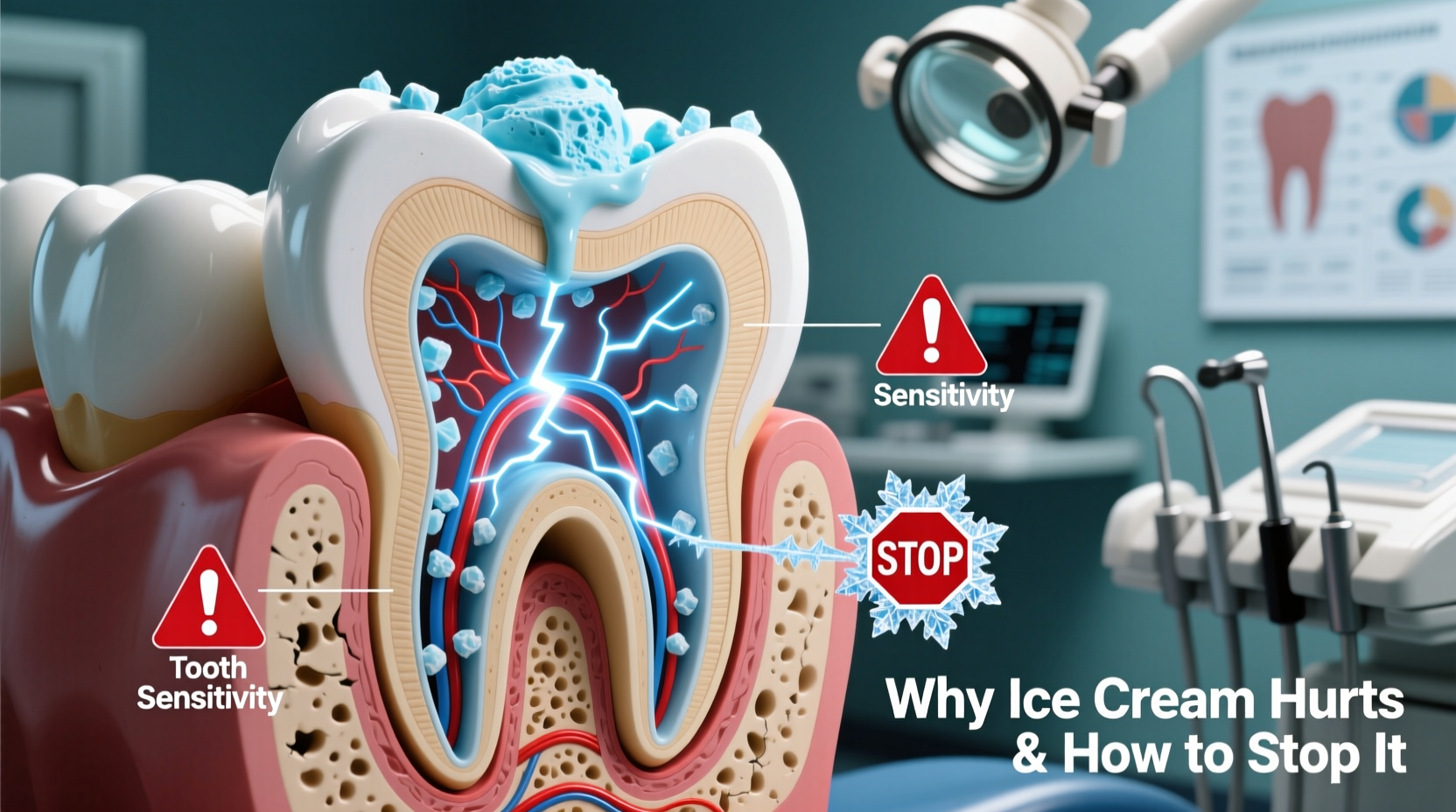
Tooth sensitivity occurs when the protective layers of your teeth—enamel on the crown or cementum on the root���are worn down, exposing the underlying dentin. Dentin contains thousands of microscopic tubules that lead directly to the nerve center of the tooth. When cold substances like ice cream make contact with exposed dentin, they trigger fluid movement within these tubules, stimulating the nerves and causing sudden, intense pain.
This reaction is known as dentin hypersensitivity. According to the American Dental Association (ADA), over 50% of adults report experiencing some degree of tooth sensitivity, with cold stimuli being among the most frequent triggers.
“Cold-induced sensitivity isn’t just discomfort—it’s a signal that your teeth may need attention. The sooner you address it, the less likely it is to progress into more serious issues.” — Dr. Lena Torres, Clinical Dentist and Oral Health Researcher
Common Causes of Sensitivity to Cold Foods
While everyone experiences occasional sensitivity, recurring pain when eating ice cream points to underlying causes. These include:
- Enamel erosion: Caused by acidic foods, aggressive brushing, or acid reflux.
- Gum recession: Exposes tooth roots, which lack enamel protection.
- Tooth grinding (bruxism): Wears down enamel over time, especially at night.
- Dental procedures: Whitening treatments, fillings, or cleanings can cause temporary sensitivity.
- Cavities or cracked teeth: Create direct pathways to the nerve.
- Aging: Natural gum line changes increase exposure to sensitive areas.
How to Stop Ice Cream Tooth Sensitivity: A Step-by-Step Guide
Managing sensitivity doesn’t mean giving up your favorite frozen treats forever. With targeted actions, you can reduce or even eliminate the pain. Follow this practical timeline to regain comfort:
- Week 1–2: Switch to a Desensitizing Toothpaste
Choose a fluoride-rich toothpaste formulated for sensitive teeth (e.g., containing potassium nitrate or stannous fluoride). Brush twice daily, allowing the paste to sit on sensitive areas for 1–2 minutes before rinsing. - Week 3: Evaluate Your Brushing Technique
Use a soft-bristled brush and apply gentle pressure. Overbrushing or using horizontal scrubbing motions accelerates enamel wear and gum recession. - Week 4: Limit Acidic and Sugary Foods
Reduce intake of citrus, soda, and wine, which soften enamel. Rinse your mouth with water after consuming them. - Month 2: Schedule a Dental Checkup
A dentist can identify specific causes like cavities, cracks, or gum disease. Treatments such as fluoride varnish, bonding, or gum grafts may be recommended. - Ongoing: Maintain Protective Habits
Continue using desensitizing products, avoid extreme temperatures, and consider a night guard if you grind your teeth.
Do’s and Don’ts: Managing Sensitive Teeth
| Do’s | Don’ts |
|---|---|
| Use a soft-bristled toothbrush | Brush aggressively or use hard-bristled brushes |
| Rinse with fluoride mouthwash daily | Use alcohol-based mouthwashes—they dry out gums |
| Eat cold foods quickly instead of lingering | Hold ice cream or cold drinks against sensitive teeth |
| Visit your dentist every six months | Ignore persistent pain or bleeding gums |
| Try a straw for cold beverages (not effective for ice cream, but helpful for shakes) | Assume sensitivity will go away on its own |
Real-Life Example: How Sarah Regained Her Ice Cream Freedom
Sarah, a 34-year-old teacher from Portland, avoided ice cream for nearly two years due to severe sensitivity. Even a small bite would leave her wincing for minutes. After switching to a potassium nitrate toothpaste and adjusting her brushing technique, she noticed improvement within three weeks. At her next dental visit, her hygienist applied a professional fluoride treatment and discovered mild gum recession. With a custom-fitted night guard to prevent grinding and consistent care, Sarah now enjoys ice cream regularly—with only occasional minor twinges.
Her story reflects a common pattern: sensitivity is manageable with early intervention and proper habits.
Frequently Asked Questions
Can tooth sensitivity go away on its own?
Occasional sensitivity may resolve temporarily, but chronic sensitivity usually indicates an ongoing issue like enamel loss or gum recession. Without intervention, it often worsens. Using desensitizing toothpaste and improving oral hygiene can significantly reduce symptoms, but professional evaluation is essential for lasting relief.
Is it bad to keep eating ice cream if my teeth hurt?
Regularly triggering sensitivity can aggravate the nerves and potentially accelerate damage, especially if underlying decay or cracks are present. While not immediately dangerous, repeated exposure to cold without addressing the cause may delay healing and increase discomfort over time. Moderation and proactive care are key.
Are there any home remedies that actually work?
Some natural approaches offer limited relief. Rinsing with warm salt water can soothe irritated gums, and green tea has anti-inflammatory properties that may help. However, these don’t repair enamel or block dentin tubules. For real results, stick to clinically proven solutions like fluoride toothpaste and professional treatments.
Long-Term Prevention Strategies
Preventing recurrence requires consistency. Consider these long-term habits:
- Use fluoride products daily: Fluoride strengthens enamel and reduces permeability of dentin.
- Wear a mouthguard at night: If you grind your teeth, a guard prevents enamel wear.
- Maintain healthy gums: Floss daily and use an antibacterial mouth rinse to prevent gum disease-related recession.
- Monitor diet: Balance acidic foods with neutral ones like cheese or milk, which help remineralize enamel.
- Stay hydrated: Dry mouth increases acidity and reduces natural protection.
When to See a Dentist
While mild sensitivity can often be managed at home, certain signs warrant immediate professional attention:
- Pain lasts longer than 30 seconds after stimulus removal
- Discomfort occurs without cold, sweet, or acidic triggers
- Visible cracks, chips, or dark spots on teeth
- Bleeding or swollen gums
- Sensitivity localized to one tooth—could indicate decay or abscess
Dentists have tools beyond over-the-counter solutions: sealants, fluoride varnishes, laser therapy, and restorative procedures can provide rapid and lasting relief.
Conclusion
Ice cream tooth sensitivity doesn’t have to be a life sentence. By understanding the biological mechanisms behind the pain and taking deliberate steps to protect your teeth, you can once again enjoy cold treats without hesitation. From choosing the right toothpaste to refining your brushing technique and seeking timely dental care, every action builds toward stronger, more resilient teeth.
🚀 Ready to enjoy ice cream pain-free? Start tonight: pick up a desensitizing toothpaste, adjust your brushing habits, and schedule your next dental checkup. Small changes today can bring big relief tomorrow.








