In an age where stress and anxiety are increasingly common, subtle tools that support mental well-being are gaining recognition. Among them, rotatable rings—also known as fidget or spinner rings—have emerged as discreet, wearable aids that offer tactile stimulation to calm the mind. Unlike bulky stress balls or obvious fidget devices, these rings blend seamlessly into daily life while providing grounding sensory feedback. But not all rotatable rings deliver the same benefits. Selecting the right one involves more than aesthetics; it requires attention to material, mechanics, fit, and intended use. This guide walks through the essential considerations for choosing a rotatable ring that genuinely supports anxiety relief.
Understanding How Rotatable Rings Help with Anxiety
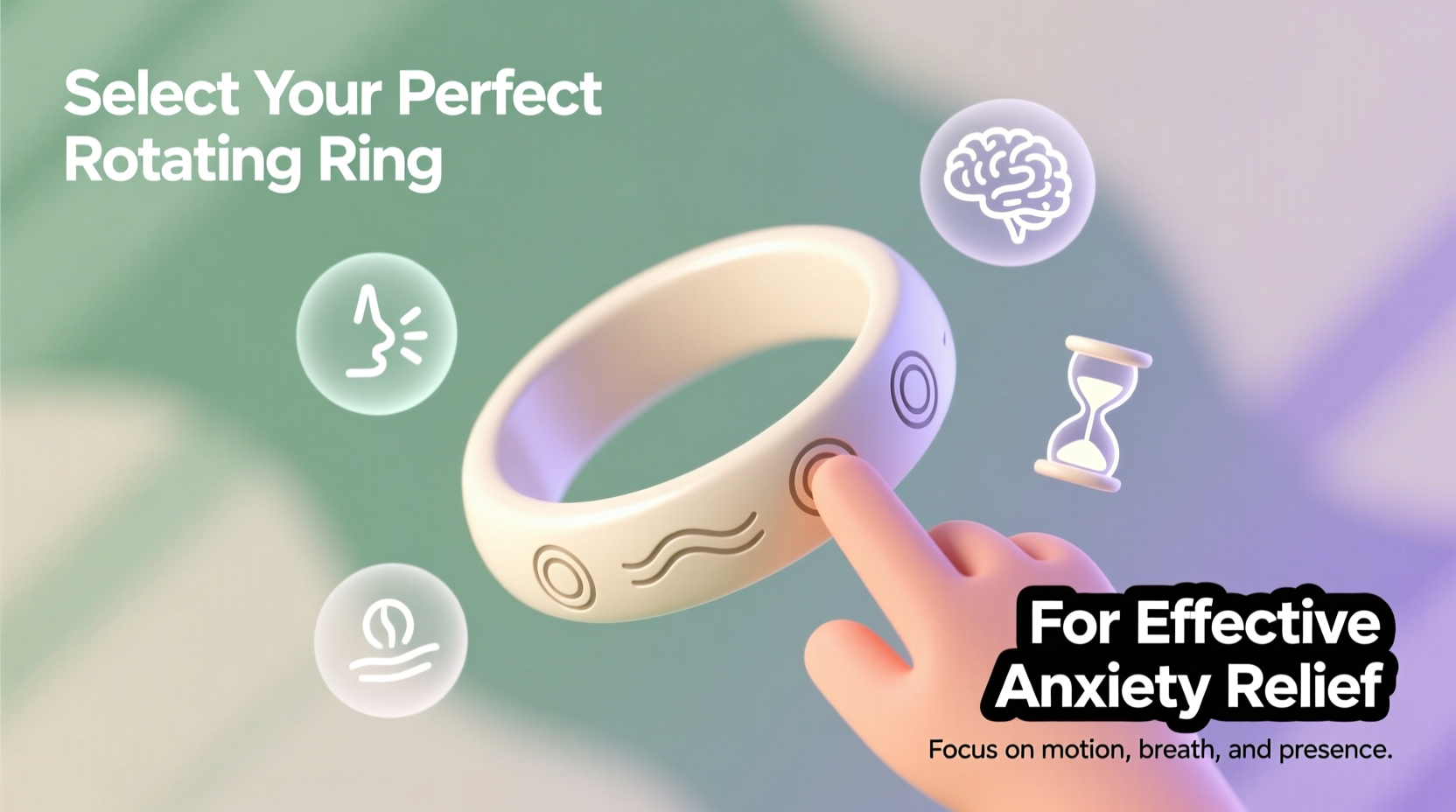
Rotatable rings work by engaging the sense of touch and providing repetitive, low-effort motion. The gentle spinning action activates the parasympathetic nervous system, which helps reduce the body’s stress response. For individuals with anxiety, ADHD, or high-stress lifestyles, this micro-movement can serve as a form of mindfulness anchor—redirecting restless energy into a controlled, soothing activity.
The effectiveness lies in predictability and resistance. A ring that spins too freely may feel unsatisfying, while one that's too stiff can increase frustration. The ideal balance offers smooth rotation with slight tactile feedback, creating a meditative rhythm during moments of tension.
“Fidget tools like rotatable rings offer a non-invasive way to self-regulate. When chosen thoughtfully, they become extensions of personal coping strategies.” — Dr. Lena Patel, Clinical Psychologist specializing in anxiety disorders
Key Factors in Choosing the Right Rotatable Ring
Selecting a ring that suits your needs involves evaluating several physical and functional attributes. Consider each of the following before making a purchase.
1. Material and Weight
The material influences both comfort and sensory experience. Common options include:
- Stainless steel: Durable, hypoallergenic, and moderately heavy—ideal for those who benefit from added tactile weight.
- Titanium: Lightweight yet strong, suitable for all-day wear without strain.
- Brass: Offers a warm feel and develops a patina over time, adding character—but may cause reactions in sensitive skin.
- Silicone or resin: Softer, quieter, and often used in budget-friendly models, though less durable.
Heavier rings provide more sensory feedback, which some users find grounding. However, prolonged use of overly heavy rings may lead to finger fatigue.
2. Inner Mechanism and Spin Quality
The core of any rotatable ring is its bearing system. Most high-quality rings use ball bearings to enable smooth rotation. Look for terms like “precision ball bearing” or “sealed bearing” in product descriptions—these indicate durability and consistent performance.
A good spin should last 30–60 seconds with a single flick and feel fluid but not loose. Avoid rings with wobbling or grinding sensations, as these can be distracting or irritating over time.
Tip: Test the ring’s spin mechanism in person if possible. If buying online, check return policies and customer reviews focused on functionality.3. Size and Fit
An ill-fitting ring defeats the purpose. Too tight restricts circulation and movement; too loose risks falling off during use. Measure your finger accurately using a ring sizer or printable guide. Remember: fingers can swell throughout the day, especially in heat or during stress episodes.
If you plan to wear the ring on multiple fingers (e.g., index for active use, middle for passive wear), consider purchasing adjustable styles or multiple sizes.
4. Design and Discretion
Many users prefer rings that look like traditional jewelry to avoid drawing attention. Sleek metallic bands with hidden rotating layers are excellent for professional settings. Others may appreciate textured surfaces or visible moving parts for enhanced sensory engagement.
Consider your lifestyle: Do you need something office-appropriate? Or are you looking for a therapeutic tool primarily used at home?
Step-by-Step Guide to Selecting Your Ideal Rotatable Ring
- Assess your anxiety triggers. Identify when and where you feel most anxious. Is it during meetings, commuting, or at night? This helps determine whether discretion or sensory intensity is more important.
- Determine preferred hand and finger. Most people use their dominant hand’s ring or index finger. Choose based on comfort and accessibility.
- Measure your finger size accurately. Use a flexible tape or string method, and measure at the end of the day when fingers are slightly larger.
- Choose a material aligned with your sensitivity. Opt for hypoallergenic metals if you have skin sensitivities. Prioritize weight based on desired sensory input.
- Evaluate the spin mechanism. Look for precision bearings and read user feedback about longevity and smoothness.
- Test for comfort during extended wear. Wear it for several hours to ensure no discomfort or pressure points develop.
- Integrate into routine. Pair ring use with breathing exercises or short mindfulness pauses to enhance its calming effect.
Comparison Table: Features to Look For vs. Red Flags
| Desirable Feature | Why It Matters | Avoid If… |
|---|---|---|
| Precision ball bearing | Ensures smooth, long-lasting spin | Ring uses plastic bushings or unspecified mechanisms |
| Hypoallergenic metal (e.g., titanium, surgical steel) | Prevents skin irritation during long-term wear | Made with nickel-containing alloys or uncoated brass |
| Weight between 8–15 grams | Balances sensory feedback with comfort | Over 20 grams (risk of fatigue) or under 5 grams (feels insubstantial) |
| Sealed inner mechanism | Protects against dust and moisture, extends lifespan | Open gaps where debris can enter |
| Adjustable or resizable design | Allows fit customization and adaptability | Fixed size with no resizing option |
Real-World Example: Sarah’s Experience
Sarah, a project manager in her mid-30s, struggled with anxiety during client presentations. She found herself tapping pens or twisting her wedding band unconsciously. After learning about rotatable rings, she invested in a stainless steel model with a sealed bearing system. Initially skeptical, she noticed within a week that the ring helped her stay present during high-pressure meetings. “It gives my hands something constructive to do,” she said. “Instead of feeling jittery, I focus on the rhythm of the spin—it’s like a silent breathwork cue.”
She later switched to a lighter titanium version after experiencing finger soreness from prolonged wear, demonstrating the importance of balancing function with ergonomics.
Frequently Asked Questions
Can rotatable rings really reduce anxiety?
Yes, for many individuals. While not a substitute for therapy or medical treatment, rotatable rings act as a tactile grounding tool. They help redirect nervous energy and promote mindfulness through repetitive motion, similar to other fidget devices backed by occupational therapy practices.
How do I clean and maintain my rotatable ring?
For metal rings, wipe with a soft cloth dampened with mild soapy water. Avoid submerging unless specified as waterproof. Clean around the rotating edges gently to prevent buildup. For rings with exposed bearings, occasional use of a dry lubricant (like graphite powder) can restore smoothness—never use oil-based products.
Are there situations where I shouldn’t use a rotatable ring?
Avoid wearing it during activities requiring full tactile sensitivity (e.g., cooking, machinery operation) or sterile environments (e.g., medical procedures). Also, refrain from using it if it becomes a distraction rather than a calming aid—mindful use is key.
Final Thoughts and Action Steps
Selecting the perfect rotatable ring isn’t about finding the most stylish or expensive option—it’s about matching design to personal need. Whether you’re managing social anxiety, coping with workplace stress, or simply seeking a mindful habit, the right ring can become a quiet ally in your wellness toolkit.
Start by reflecting on your daily stress patterns, then apply the selection criteria outlined here: prioritize fit, function, and material safety. Try one ring first before building a collection. Over time, you may discover preferences you didn’t expect—perhaps a heavier ring for morning grounding, or a minimalist design for all-day wear.
💬 Ready to find your ideal rotatable ring? Begin with measuring your finger and researching brands with transparent build quality. Share your journey or ask questions in the comments—your experience could help others find calm, one spin at a time.








