Dry shampoo is a modern haircare staple—especially for those balancing busy schedules, frequent workouts, or second-day hair that still needs to look polished. But what happens when the volume fades, the roots start to feel greasy again, or your scalp begins to itch? The good news is you don’t need to wash your hair to restore freshness. With the right techniques, you can revive dry shampoo’s effects between washes, extending its benefits and maintaining clean, voluminous hair longer.
Reviving dry shampoo isn’t just about reapplying more product—it’s about understanding how oils accumulate, how ingredients interact with your hair type, and how to strategically refresh without overloading your strands. Whether you’re using aerosol sprays, powder formulas, or natural alternatives, these methods will help you stretch time between washes while keeping your hair healthy and smelling fresh.
Why Dry Shampoo Loses Effectiveness Over Time
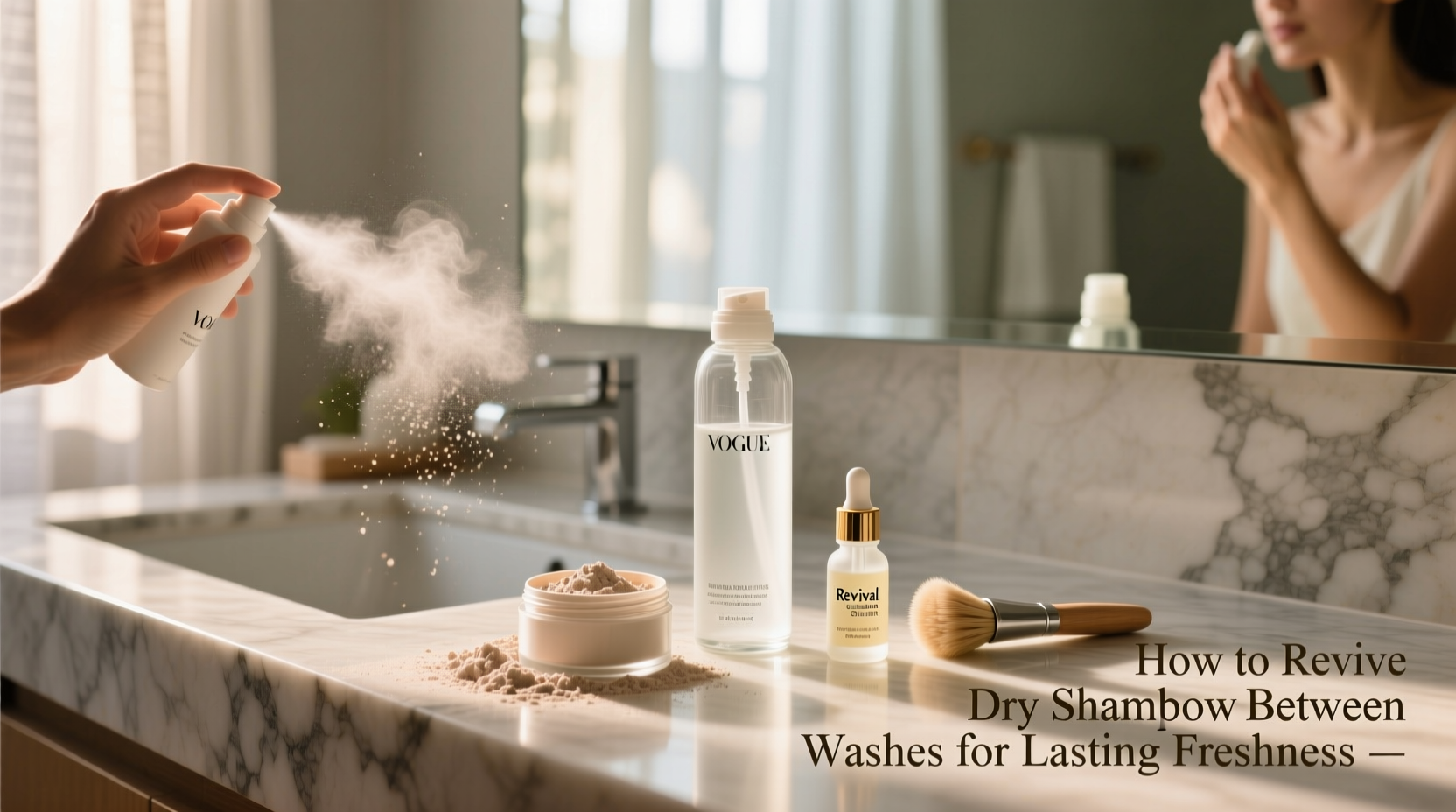
Dry shampoo works by absorbing excess sebum—the natural oil produced by your scalp. Most formulas contain starch-based powders (like rice or cornstarch), silica, or alcohol-based propellants that bind to oil and add texture. However, once these ingredients become saturated, they stop absorbing and may even begin to clump or transfer onto clothing and pillowcases.
The typical lifespan of dry shampoo effectiveness is 24–48 hours, depending on your hair type, lifestyle, and environmental factors. Oily scalps may notice diminished results sooner, while thicker or coarser hair might retain volume and freshness longer. Humidity, sweat, and friction from hats or scarves also accelerate the breakdown of dry shampoo’s performance.
Instead of reaching for the shower every time your hair feels flat, consider reviving what’s already there. This not only saves water and reduces heat styling but also minimizes disruption to your scalp’s natural microbiome, which thrives on balance rather than constant cleansing.
Tip: Avoid applying dry shampoo directly to a freshly washed scalp—this can clog pores and lead to buildup. Use it as a maintenance tool, not a replacement for cleansing.Step-by-Step Guide to Revive Dry Shampoo
Reviving dry shampoo doesn’t require special tools or products. It’s about reactivating absorption, redistributing product, and removing residue. Follow this five-step process to breathe new life into your second- or third-day hair.
- Brush or comb thoroughly: Start at the roots and work through to the ends. This lifts flattened strands, redistributes natural oils away from the scalp, and breaks up any dry shampoo clumps. A boar bristle brush is ideal because it mimics the scalp’s natural oil distribution while gently exfoliating residue.
- Add light moisture: Spray a fine mist of water or a hydrating hair refresher near the roots. Just two or three spritzes are enough. Moisture reactivates starch-based dry shampoos, allowing them to absorb newly surfaced oils. Don’t soak the hair—dampness is key, not wetness.
- Reapply sparingly: If needed, apply a small amount of dry shampoo directly to oily zones—usually the crown and part line. Hold the can 8–10 inches away and spray in short bursts. Focus on areas showing visible shine or limpness.
- Massage and warm: Use your fingertips to massage the roots. The warmth from your hands helps activate the formula, while gentle circular motions lift product and stimulate circulation. This also prevents white residue from settling.
- Blow-dry on cool: Use a blow dryer with a cool setting to lift roots and evaporate excess moisture. Cool air adds volume without stripping hydration or increasing oil production, unlike heat which can trigger sebum overproduction.
This method can extend the life of your dry shampoo by another full day, especially if done in the morning before styling. For best results, repeat no more than once per wash cycle to prevent excessive buildup.
Common Mistakes That Reduce Dry Shampoo Longevity
Even with the best intentions, certain habits can undermine dry shampoo’s performance. Recognizing these pitfalls helps you avoid counterproductive routines.
- Overapplying product: Too much dry shampoo leads to chalky buildup, dullness, and clogged follicles. Less is more—start with one or two sprays and assess before adding more.
- Not brushing before reapplication: Skipping brushing traps old product and oil, making new applications less effective. Always detangle and lift roots first.
- Using only heat to revive: Blow-drying on high heat may temporarily fluff hair but increases oil production within hours. Stick to cool or warm settings.
- Ignoring scalp health: A flaky or irritated scalp can make hair feel dirty regardless of dry shampoo use. Exfoliate your scalp weekly with a soft brush or gentle scrub to maintain clarity.
- Mixing incompatible products: Layering heavy serums or oils over dry shampoo creates a greasy film. Apply lightweight treatments only to mid-lengths and ends.
| Do’s | Don’ts |
|---|---|
| Brush hair before refreshing dry shampoo | Apply dry shampoo daily without washing |
| Use a hydrating mist to reactivate absorption | Spray excessively close to the scalp |
| Focus application on oily zones only | Combine with heavy root oils or waxes |
| Massage roots with fingertips for even distribution | Leave white residue unblended |
| Wash hair every 3–5 days to prevent buildup | Use dry shampoo as a substitute for shampoo long-term |
Expert Insight: What Dermatologists Say About Dry Shampoo Maintenance
Board-certified dermatologist Dr. Lena Patel emphasizes that while dry shampoo is convenient, improper use can lead to scalp issues like folliculitis or contact dermatitis. “Many patients come in with itchy scalps or breakouts along their hairline,” she explains. “They’re using dry shampoo every day, but never fully cleansing. The product builds up, mixes with sweat and bacteria, and creates an environment where inflammation thrives.”
“Dry shampoo should be a bridge—not a bypass. To keep it effective and safe, revive it smartly: brush, reactivate with moisture, and limit reapplications. And always do a deep cleanse at least once a week.” — Dr. Lena Patel, MD, Dermatology Specialist
She also notes that individuals with fine or thinning hair should be cautious with heavy formulas. “Lightweight aerosols or transparent powders are better for delicate strands. They add volume without weighing hair down or obscuring the scalp.”
Real-Life Example: Reviving Hair During Travel
Sophie, a freelance photographer based in Portland, often spends weekends on location with limited access to showers. On a recent mountain shoot, she wore her hair in a loose braid for three days straight. By day two, her roots felt slick and her waves had collapsed. Instead of washing—impossible without facilities—she revived her dry shampoo using a travel-sized water mist and a foldable boar bristle brush.
She sprayed a light mist at her part, brushed from roots to ends, then reapplied a half-second burst of dry shampoo at the crown. After massaging her scalp and using a portable cooler setting on her travel dryer, her hair regained volume and freshness. “I got compliments on my ‘effortless’ look,” she says. “No one guessed it was three-day-old hair.”
This scenario illustrates how revival techniques work under real-world constraints. With minimal tools and knowledge, Sophie extended her dry shampoo’s life without compromising hygiene or appearance.
Tips for Different Hair Types and Products
Not all hair responds to dry shampoo revival the same way. Tailoring your approach based on texture and product type improves results.
- Fine or thin hair: Prioritize lightweight formulas. Reapply sparingly and focus on the crown to avoid flattening. Use cool air drying to preserve volume.
- Thick or curly hair: These textures retain oil longer but can trap buildup. Brush thoroughly before reactivation. Consider dry shampoo powders that blend easily into darker shades.
- Oily scalps: Revive in the morning when oil production peaks. Use blotting techniques with a tissue at the roots before reapplying to absorb surface grease.
- Dry or color-treated hair: Avoid alcohol-heavy sprays. Opt for moisturizing dry shampoos with oat or rice extracts. Reactivation with a hydrating mist prevents brittleness.
- Aerosol vs. powder: Aerosols disperse evenly but can leave residue. Powders offer precision but require blending. When reviving, aerosols benefit more from moisture reactivation; powders respond better to brushing alone.
Checklist: How to Revive Dry Shampoo Like a Pro
Keep this checklist handy for quick reference whenever you want to refresh your hair between washes:
- ☑ Brush hair from roots to ends to lift product and oil
- ☑ Lightly mist roots with water or a hydrating hair spray
- ☑ Target oily areas with a short burst of dry shampoo
- ☑ Massage scalp with fingertips to distribute product and generate warmth
- ☑ Blow-dry on cool or warm setting to lift roots and evaporate moisture
- ☑ Inspect for residue and blend with a brush if necessary
- ☑ Limit reapplication to once per wash cycle to prevent buildup
FAQ: Common Questions About Reviving Dry Shampoo
Can I use dry shampoo twice in one day?
Yes, but with caution. Apply a minimal amount the second time, focusing only on greasy zones. Always brush first and avoid layering too much product, which can lead to irritation or flaking.
Does water ruin dry shampoo?
No—when used correctly, a light mist of water actually reactivates starch-based formulas, enhancing their oil-absorbing ability. Just don’t soak your hair; a fine spray is sufficient.
How often should I wash my hair if I use dry shampoo regularly?
Even with regular dry shampoo use, wash your hair every 3 to 5 days. This prevents buildup, maintains scalp health, and ensures long-term effectiveness of dry shampoo between washes.
Final Thoughts: Make Freshness Last Smarter
Reviving dry shampoo isn’t about tricking others into thinking your hair is freshly washed—it’s about working smarter with the products you already use. By understanding how dry shampoo functions and applying targeted techniques, you can maintain volume, absorb oil, and prolong freshness without over-washing or damaging your hair.
The key lies in balance: reactivate, redistribute, and refresh with intention. Combine brushing, minimal moisture, and strategic reapplication to get the most out of each use. Pay attention to your scalp’s signals and commit to regular cleansing to avoid long-term buildup.
💬 Ready to transform your hair routine? Try the revival method tomorrow and see how much longer your dry shampoo can last. Share your experience or tips in the comments—your insight could help someone else ditch the daily wash for good.








