
Pregnancy begins the moment a fertilized egg implants in the uterine lining, but many people don’t realize they’re pregnant until weeks later. While home pregnancy tests are accurate and widely available, subtle physical and emotional shifts can appear even before a missed period. Recognizing these early indicators can help individuals prepare for prenatal care, adjust lifestyle habits, or simply gain clarity during a time of uncertainty. This guide outlines the most common pre-test signs of pregnancy, backed by medical insight and real-world experience.
Understanding the Early Timeline of Pregnancy
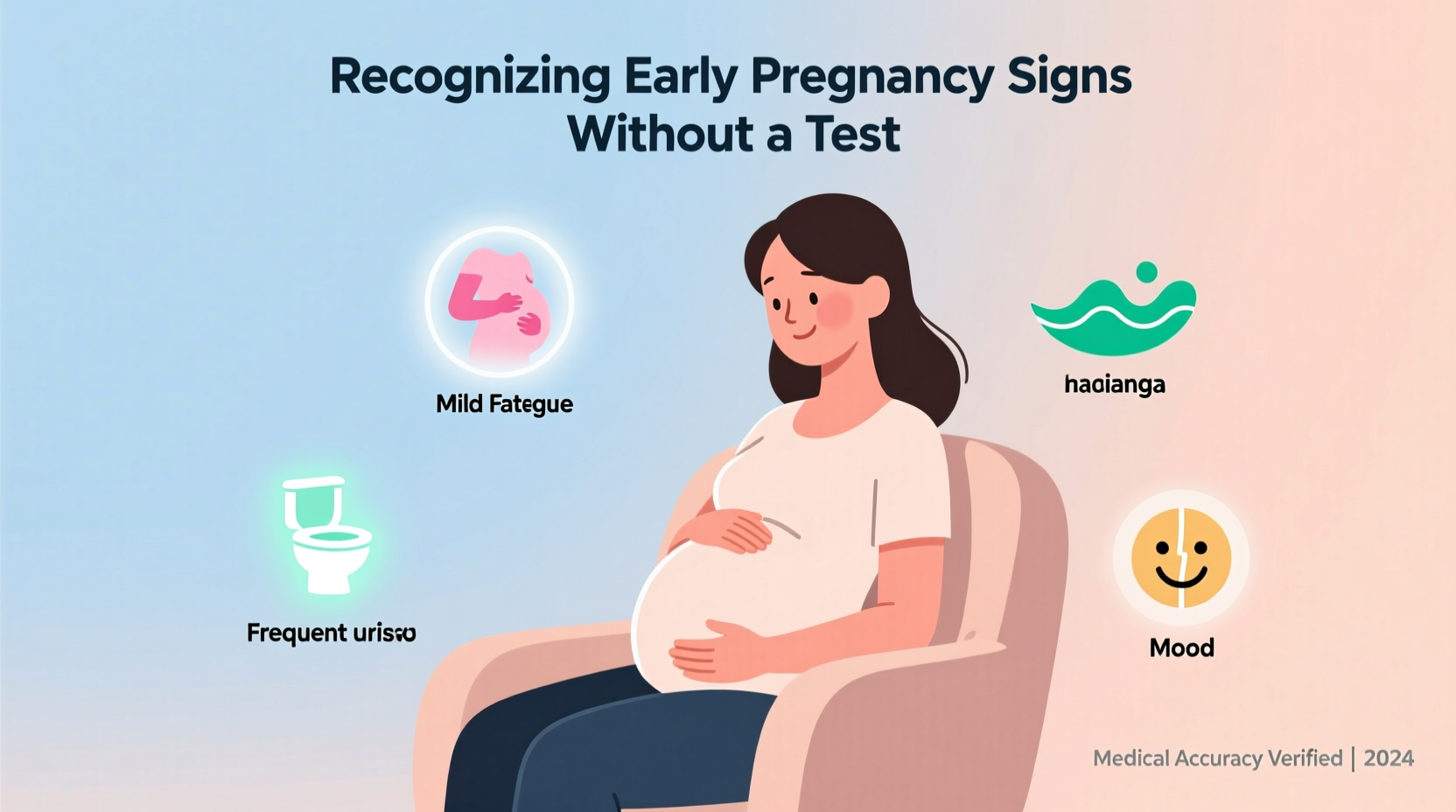
Fertilization typically occurs within 24 hours of ovulation. Implantation—the attachment of the embryo to the uterus—follows 6 to 10 days later. At this stage, the body begins producing human chorionic gonadotropin (hCG), the hormone detected by pregnancy tests. However, hormonal and physiological changes often precede measurable hCG levels. These shifts affect energy, digestion, mood, and temperature, creating observable patterns long before a positive test result.
Because symptoms vary widely, not every person will experience the same signs. Some may notice changes within a week of conception, while others feel nothing until several weeks into pregnancy. Tracking your cycle and paying attention to bodily cues increases the likelihood of early recognition.
Physical Signs That May Indicate Pregnancy
The body responds quickly to hormonal fluctuations after conception. Progesterone and estrogen rise sharply, triggering a cascade of physical effects. These are often mistaken for PMS but may differ in intensity or timing.
- Implantation bleeding: Light spotting or pinkish discharge 6–12 days after ovulation. It’s usually shorter and lighter than a menstrual period.
- Breast tenderness: Soreness, swelling, or tingling in the breasts, often beginning one to two weeks after conception. Nipples may become more sensitive or darken slightly.
- Fatigue: Unexplained exhaustion due to increased progesterone levels, which can begin as early as the first week post-conception.
- Nausea or queasiness: Often called “morning sickness,” it can occur at any time of day and may start before a missed period.
- Basal body temperature (BBT) shift: A sustained high BBT beyond the luteal phase (typically over 16 days) may indicate pregnancy.
Emotional and Cognitive Changes
Hormonal surges don’t just affect the body—they influence the brain. Many report mood swings, irritability, or sudden emotional sensitivity shortly after conception. These changes stem from shifting levels of estrogen and progesterone, which modulate neurotransmitters like serotonin.
Other cognitive signs include:
- Increased forgetfulness or “pregnancy brain”
- Rapid mood shifts unrelated to external stressors
- Unusual food aversions or cravings
- Heightened sense of smell, sometimes leading to nausea
These symptoms often emerge between 1 and 3 weeks after conception and may be among the first noticeable clues—especially when they contrast sharply with your typical premenstrual experience.
“Many patients report knowing they were pregnant based on intuition and physical changes alone. While not diagnostic, these early signals are biologically rooted and worth noting.” — Dr. Lena Torres, OB-GYN and Women’s Health Specialist
Key Differences Between PMS and Early Pregnancy Symptoms
Because premenstrual syndrome (PMS) and early pregnancy share overlapping symptoms, distinguishing between them can be challenging. The key lies in pattern recognition, duration, and intensity.
| Symptom | PMS | Early Pregnancy |
|---|---|---|
| Breast Tenderness | Mild to moderate; improves with menstruation | Often intense; persists beyond expected period date |
| Fatigue | Occasional, linked to cycle timing | Persistent, overwhelming, begins earlier |
| Mood Swings | Typically resolves with bleeding onset | May continue or worsen after missed period |
| Spotting | Rare; if present, usually heavier and red | Light pink/brown, brief—implantation-related |
| Cramping | Moderate, rhythmic, precedes bleeding | Mild, intermittent, may lack full flow afterward |
One critical differentiator is symptom persistence. If discomfort continues past the expected start of your period, pregnancy becomes more likely.
Step-by-Step Guide to Self-Assessment Before Testing
If you suspect pregnancy but haven’t taken a test yet, follow this timeline-based approach to evaluate your symptoms objectively:
- Day 1–5 Post-Ovulation: Monitor cervical mucus and note any unusual fatigue or mild cramping.
- Day 6–10: Watch for implantation spotting or a metallic taste in the mouth. Continue tracking BBT.
- Day 11–14: Assess breast changes, nausea, or heightened emotions. Compare with previous cycle patterns.
- Day 15+ (Missed Period): Note whether symptoms intensify. Persistent high BBT and absent menstruation increase suspicion.
- Decision Point: Consider taking a sensitive early-detection pregnancy test, especially if three or more symptoms align.
Real-Life Example: Listening to the Body’s Signals
Sophia, a 29-year-old teacher, had been charting her cycles for six months while trying to conceive. Ten days after ovulation, she noticed slight spotting and extreme fatigue—unusual for her, as she typically feels energetic during that phase. Her breasts felt unusually tender, and coffee suddenly made her nauseous. Though her period was still five days away, her basal temperature remained elevated. She waited four more days, then took a test: positive. Looking back, she realized the combination of symptoms, especially their deviation from her norm, was her earliest clue.
Her story illustrates how personal knowledge of your cycle enhances early detection. Small deviations matter when tracked consistently.
Common Misconceptions and When to Seek Confirmation
Some believe that food cravings or frequent urination are definitive early signs. While possible, these typically appear after the first missed period, not immediately post-conception. Similarly, a bloated abdomen or weight gain is unlikely this early.
It’s also important to avoid self-diagnosing based on isolated symptoms. Stress, illness, or hormonal imbalances can mimic pregnancy signs. Always confirm with a test or clinical evaluation.
📋 **Checklist: Could You Be Pregnant?**- ✔ Missed period or irregular bleeding
- ✔ Sustained high basal body temperature (over 16 days)
- ✔ Breast changes (tenderness, swelling, darkened areolas)
- ✔ Unexplained fatigue despite adequate rest
- ✔ Nausea or aversion to certain smells/foods
- ✔ Mood swings persisting past expected period date
- ✔ Frequent urination (later sign, ~2–3 weeks post-missed period)
If three or more apply, especially in combination, consider taking a pregnancy test—even if your period seems \"late\" rather than fully missed.
FAQ
Can you feel pregnant just 2 days after conception?
No. Biological changes take time. Most women cannot detect pregnancy this early. Symptoms generally begin 6–12 days after conception, coinciding with implantation.
Is it possible to have pregnancy symptoms and not be pregnant?
Yes. Conditions like polycystic ovary syndrome (PCOS), thyroid disorders, or high stress can produce similar symptoms. False positives from “pregnancy brain” or wishful thinking also occur. Testing remains essential for confirmation.
How soon after conception can symptoms appear?
Earliest signs—like implantation bleeding or mild cramping—can appear 6 to 10 days after conception. Hormonal fatigue and breast changes may follow shortly after.
Conclusion
Recognizing early signs of pregnancy without a test relies on awareness, consistency, and understanding your body’s rhythms. While no single symptom confirms pregnancy, a cluster of changes—especially those diverging from your usual cycle—warrants attention. From sustained temperature shifts to unexplained fatigue and emotional sensitivity, these signals serve as biological whispers before louder confirmation arrives.
🚀 Start tracking your cycle today. Whether you're hoping to conceive or avoiding pregnancy, knowing your body empowers better health decisions. Share your experiences or questions in the comments—your insight could help someone else connect the dots sooner.








