
Living in a city offers convenience, culture, and energy—but it comes at a cost to your skin. Urban environments are saturated with airborne pollutants like vehicle exhaust, industrial emissions, cigarette smoke, and fine particulate matter (PM2.5). These invisible aggressors settle on the skin, penetrate pores, and trigger oxidative stress, leading to premature aging, inflammation, and dullness. While you can't control the air quality outside, you *can* take strategic steps to build a resilient defense. Understanding how pollution affects your complexion and adopting a targeted skincare routine is essential for maintaining healthy, radiant skin in the city.
The Science Behind Pollution and Skin Damage
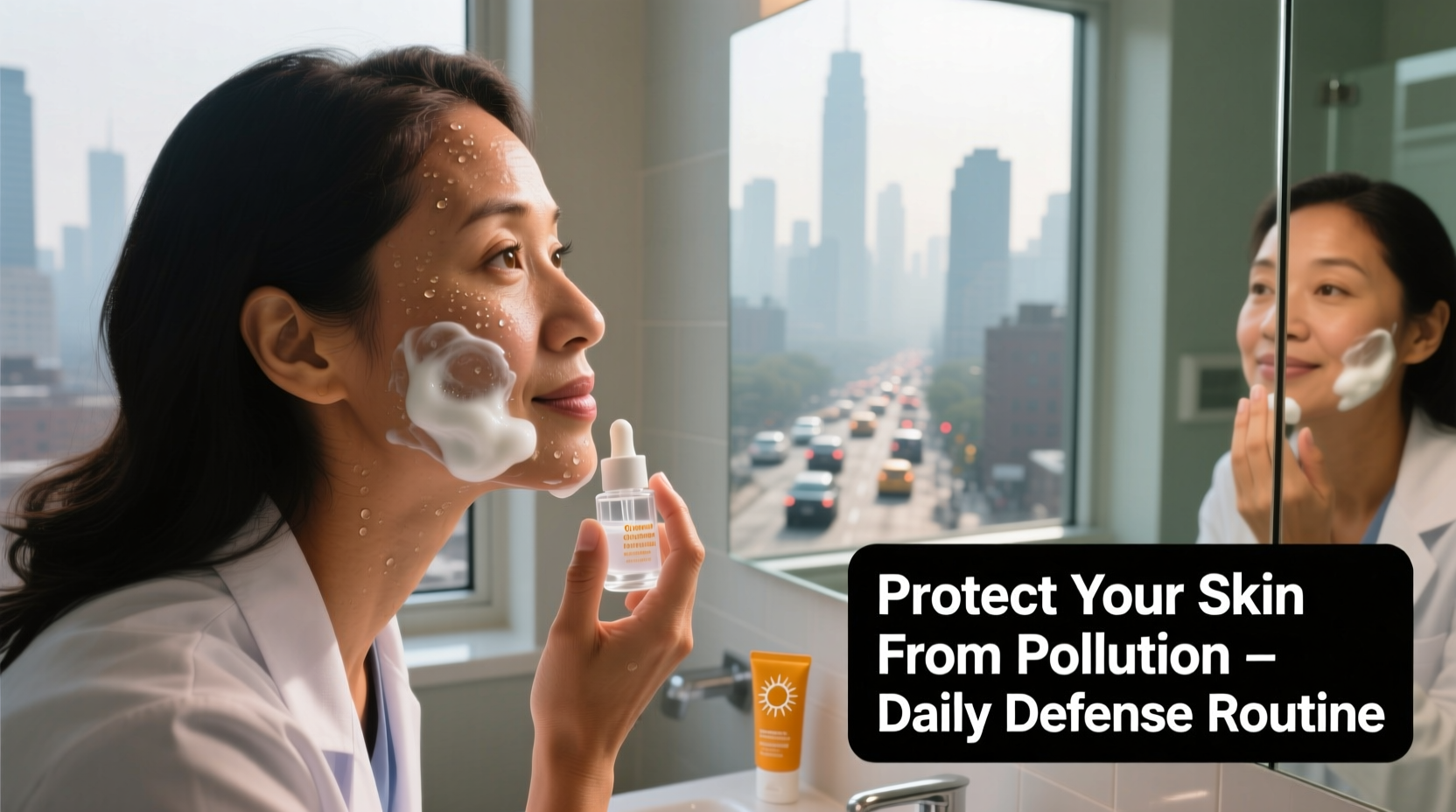
Airborne pollutants, especially particulate matter and polycyclic aromatic hydrocarbons (PAHs), adhere to the skin’s surface and generate free radicals—unstable molecules that damage collagen, elastin, and DNA within skin cells. This process, known as oxidative stress, accelerates the breakdown of structural proteins, contributing to fine lines, loss of firmness, and uneven tone.
Studies have shown that prolonged exposure to urban pollution correlates with increased melanin production, resulting in dark spots and hyperpigmentation. A 2016 study published in the *Journal of Investigative Dermatology* found that women living in highly polluted areas developed 20% more age spots over 24 months compared to those in rural settings. Additionally, pollution disrupts the skin barrier, making it more vulnerable to irritants, allergens, and moisture loss.
“Pollution doesn’t just sit on the skin—it interacts with it chemically, triggering inflammation and weakening the protective lipid layer.” — Dr. Lena Torres, Environmental Dermatologist, Berlin Institute of Skin Health
Daily Skincare Defense: Building a Protective Routine
Your skincare regimen should function like a shield, combining cleansing, antioxidant protection, and barrier reinforcement. The goal is not only to remove pollutants but also to neutralize their effects before they cause long-term harm.
1. Double Cleansing Is Non-Negotiable
At the end of the day, a single wash isn’t enough. Pollutants bond tightly to sebum and makeup, forming a film that standard cleansers may not fully lift. Begin with an oil-based cleanser to dissolve grime, followed by a water-based one to remove residue and purify pores.
Tip: Use micellar water or cleansing balms during midday touch-ups if you're exposed to heavy traffic or smog.2. Antioxidants Are Your First Line of Defense
Vitamin C, vitamin E, ferulic acid, niacinamide, and resveratrol are powerful antioxidants that neutralize free radicals generated by pollution. Apply a serum containing these ingredients in the morning before sunscreen. Research shows that topical vitamin C can reduce oxidative damage by up to 40% when used consistently.
Niacinamide, in particular, strengthens the skin barrier and reduces trans-epidermal water loss, making it ideal for city dwellers dealing with dry, irritated skin.
3. Seal with a Moisturizer That Supports the Barrier
A compromised skin barrier allows pollutants to penetrate deeper. Look for moisturizers with ceramides, squalane, and hyaluronic acid. These ingredients reinforce the lipid matrix, lock in hydration, and prevent environmental toxins from breaching the surface.
4. Never Skip Sunscreen—even on Cloudy Days
Pollution and UV radiation work synergistically to damage skin. Particulate matter increases photosensitivity, meaning sun exposure becomes even more harmful in polluted areas. Use a broad-spectrum SPF 30 or higher every morning, regardless of weather. Consider formulations with iron oxides, which also protect against blue light and visible pollution particles.
Physical Barriers and Lifestyle Adjustments
Skincare alone isn’t enough. You must also modify habits and incorporate physical defenses to minimize exposure.
Wear Protective Clothing When Possible
In high-pollution zones, especially during rush hour, consider wearing scarves or lightweight masks made from breathable, anti-pollution fabric. Some modern face coverings include filters designed to block PM2.5 particles without compromising comfort.
Time Your Outdoor Activity Wisely
Air quality fluctuates throughout the day. Pollution levels peak during morning and evening commutes due to traffic congestion. Schedule outdoor exercise for early morning or late afternoon when possible, and opt for parks or tree-lined streets where greenery helps filter contaminants.
Upgrade Your Indoor Air Quality
You spend a significant amount of time indoors—make that environment a sanctuary. Use HEPA air purifiers in bedrooms and workspaces. NASA research has confirmed that certain houseplants like spider plants, peace lilies, and snake plants naturally absorb airborne toxins. Avoid synthetic air fresheners, which can introduce volatile organic compounds (VOCs) into your space.
| Action | Benefit | Frequency |
|---|---|---|
| Double cleanse at night | Removes embedded pollutants and makeup | Daily |
| Apply antioxidant serum | Neutralizes free radicals before damage occurs | Morning |
| Use SPF with iron oxides | Protects against UV + visible pollution particles | Daily |
| Run an air purifier | Reduces indoor particulate concentration | Continuous |
| Hydrate with barrier-supporting moisturizer | Strengthens defense against irritants | Morning and night |
Step-by-Step Guide: Your Anti-Pollution Skincare Timeline
Follow this structured approach to integrate protection seamlessly into your daily life:
- 6:30 AM – Morning Prep: After waking, splash face with lukewarm water. Apply a vitamin C serum, followed by a hydrating moisturizer and broad-spectrum sunscreen with SPF 30+.
- 7:30 AM – Commute Protection: If walking or biking through dense traffic, wear a reusable mask. Carry blotting papers to absorb excess oil without disturbing your protective layer.
- 12:00 PM – Midday Refresh: Use a facial mist with antioxidants (e.g., green tea or pomegranate extract) to revitalize skin. Gently wipe with a micellar cloth if needed.
- 6:00 PM – Evening Reset: As soon as you return home, begin double cleansing—first with an oil-based cleanser, then a gentle foaming or gel cleanser.
- 6:15 PM – Repair Phase: Apply a restorative serum with niacinamide or peptides. Follow with a nourishing night cream rich in ceramides.
- Weekly Bonus – Exfoliate Smartly: Use a mild chemical exfoliant (like lactic or salicylic acid) 1–2 times per week to clear clogged pores and remove dead skin cells loaded with pollutants.
Real-World Example: Maria’s Transformation in Seoul
Maria Kim, a 34-year-old marketing executive in Seoul, struggled with persistent breakouts and a grayish undertone despite using high-end skincare products. Seoul ranks among the most polluted cities in Asia, with frequent smog alerts and elevated PM2.5 levels.
After consulting a dermatologist, she revamped her routine: she started double cleansing nightly, added a vitamin C serum each morning, and installed a HEPA air purifier in her apartment. Within six weeks, her skin appeared brighter, her acne flare-ups decreased, and her moisturizer absorbed more effectively—indicating improved barrier function.
“I didn’t realize how much the city was silently damaging my skin,” Maria said. “Now I treat pollution like UV rays—something I actively defend against every single day.”
Checklist: Your Anti-Pollution Skin Defense Plan
- ✅ Double cleanse every evening
- ✅ Apply a topical antioxidant serum each morning
- ✅ Wear SPF 30+ daily, even indoors near windows
- ✅ Invest in a HEPA air purifier for your bedroom
- ✅ Limit outdoor activity during peak traffic hours
- ✅ Use non-comedogenic, barrier-supporting moisturizers
- ✅ Exfoliate gently 1–2 times per week
- ✅ Hydrate internally—drink at least 2 liters of water daily
- ✅ Include antioxidant-rich foods (berries, leafy greens, nuts) in your diet
- ✅ Replace pillowcases weekly to avoid recontamination
Frequently Asked Questions
Can pollution cause acne?
Yes. Pollutants mix with sebum and dead skin cells to clog pores, creating an environment conducive to acne-causing bacteria. Additionally, oxidative stress triggers inflammation, worsening existing breakouts and promoting new ones.
Do anti-pollution skincare products really work?
Products labeled “anti-pollution” vary in efficacy. Those with proven antioxidants (vitamin C, E, niacinamide), barrier-repairing ingredients (ceramides, fatty acids), and films that form a physical shield (like pollen-filtering polymers) offer measurable protection. Look for clinical studies supporting claims rather than marketing buzzwords.
Is it necessary to cleanse in the morning if I’m not exposed to pollution overnight?
While nighttime cleansing is critical, morning cleansing helps remove sebum and sweat accumulated overnight. Use a gentle rinse or toner if your skin feels sensitive. However, always reapply antioxidant serum and sunscreen after cleansing in the morning.
Conclusion: Make Protection a Daily Ritual
Your skin is your largest organ—and your first point of contact with the urban world. In cities where pollution is unavoidable, proactive care isn’t optional; it’s essential. By integrating targeted cleansing, antioxidant defense, and smart lifestyle choices, you can significantly reduce environmental damage and preserve your skin’s health and radiance.
Think of your routine not as a series of isolated steps, but as a cohesive strategy—much like wearing a seatbelt or locking your doors. Over time, these small, consistent actions compound into lasting results. Start today. Reassess your products, optimize your environment, and treat pollution with the seriousness it deserves.
💬 What’s one change you’ll make today to protect your skin from pollution? Share your commitment in the comments and inspire others to build stronger skin resilience.








