Navigating the healthcare system can feel overwhelming, especially if you’ve never scheduled a doctor’s appointment before. Whether you’re seeking care for a specific concern or starting routine check-ups, knowing how to book an appointment correctly ensures you get timely, effective support. This guide walks you through every stage—from choosing the right provider to walking into your first visit—with practical advice that applies whether you're in the U.S., U.K., Canada, or another country with similar systems.
Step 1: Determine the Type of Doctor You Need
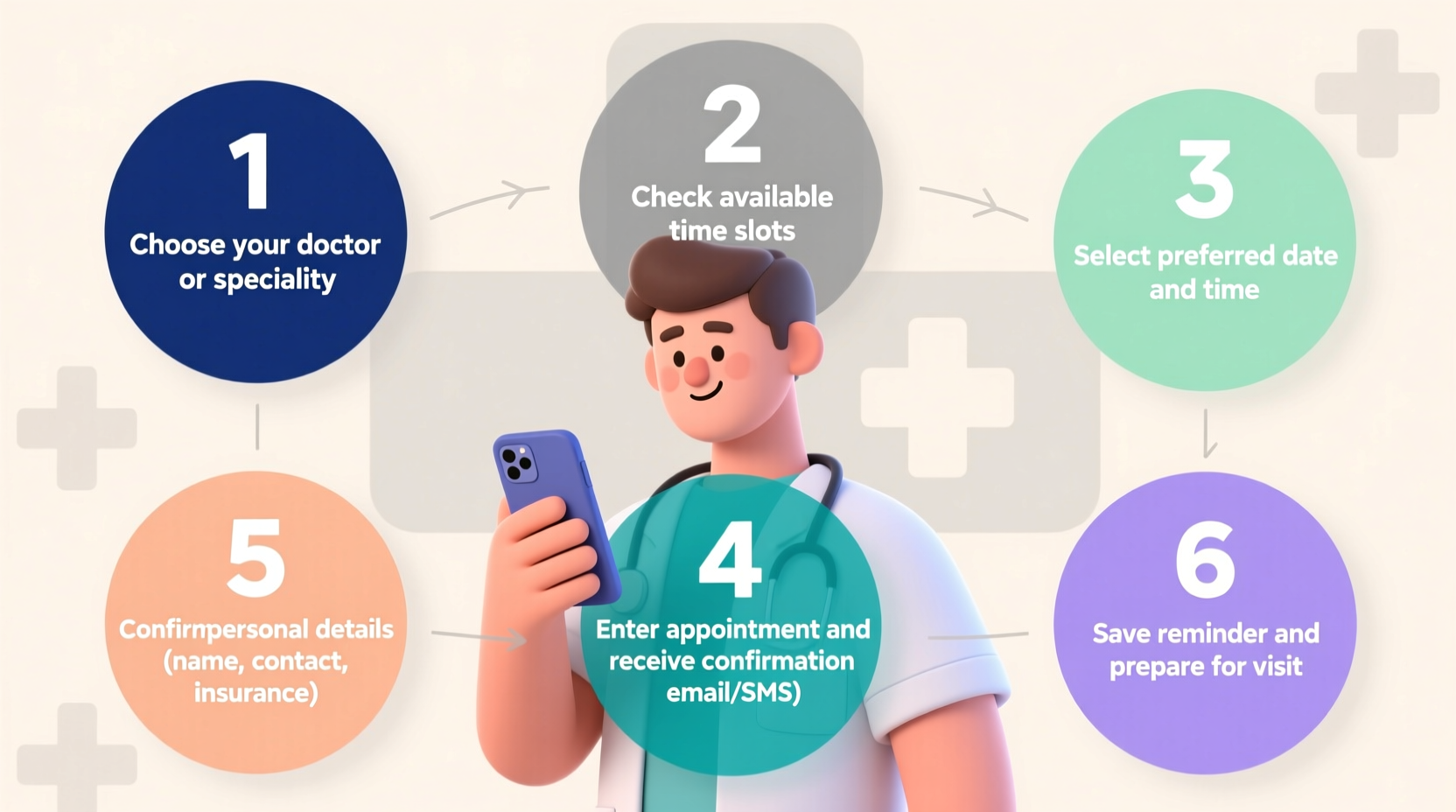
Not all physicians serve the same purpose. Choosing the right one starts with understanding your health needs.
- General Practitioner (GP) or Primary Care Physician (PCP): Your first point of contact for general health concerns, preventive care, and referrals.
- Pediatrician: For children under 18.
- Specialist: Such as a dermatologist, cardiologist, or orthopedist—usually requires a referral from a GP.
- Urgent Care Provider: For non-life-threatening issues outside regular hours.
If you're unsure, start with a GP. They can assess your symptoms and direct you to the appropriate specialist if needed.
Tip: If you're experiencing chest pain, difficulty breathing, or severe injury, go directly to the emergency room or call emergency services—do not wait for an appointment.Step 2: Confirm Insurance Coverage or Payment Options
Before calling any clinic, verify which providers accept your insurance. Missteps here can lead to unexpected bills.
Contact your insurance provider or log into your online portal to find in-network doctors. If you don’t have insurance, ask clinics about:
- Sliding-scale fees based on income
- Uninsured patient discounts
- Community health centers offering low-cost services
“Over 30% of avoidable medical debt stems from patients unknowingly visiting out-of-network providers.” — Dr. Lena Patel, Healthcare Access Advocate
Step 3: Find a Doctor Accepting New Patients
Even if a physician is in your network, they may not be taking new patients. Use these methods to locate available providers:
- Check your insurance directory online.
- Search platforms like Zocdoc, Healthgrades, or NHS Choices (U.K.).
- Ask for recommendations from friends, family, or pharmacists.
- Call local clinics directly and ask, “Are you accepting new patients?”
When selecting a doctor, consider location, office hours, language spoken, and patient reviews.
Step 4: Schedule the Appointment
Once you’ve identified a suitable provider, it’s time to book. Most offices allow scheduling via phone, online portal, or app.
What to Say When Calling
Be ready to provide:
- Your full name and date of birth
- Insurance information (if applicable)
- Reason for the visit (e.g., “annual physical,” “persistent headache”)
- Preferred dates and times
Use clear, concise language. For example:
“Hi, my name is Jamie Reyes. I’m a new patient looking to schedule a routine check-up. I have Blue Cross Blue Shield PPO and prefer an appointment sometime next week in the late afternoon.”Tip: Avoid vague descriptions like “I don’t feel well.” Instead, say “I’ve had fatigue and dizziness for two weeks” to help staff assign adequate time.
Step 5: Prepare for Your Visit
A successful appointment begins before you walk into the office. Proper preparation improves diagnosis accuracy and reduces stress.
📋 Checklist: What to Bring to Your First Appointment
- Photo ID
- Insurance card
- Completed new-patient forms (download in advance if available)
- List of current medications (include dosages)
- Medical history summary (chronic conditions, surgeries, allergies)
- Questions or symptoms list (prioritize top 3 concerns)
- Pen and notebook for notes
Arrive 15 minutes early. If you're running late or need to cancel, call the office as soon as possible—many charge fees for no-shows.
What Happens During the Appointment?
Your first visit typically includes three phases:
| Phase | What to Expect | Duration |
|---|---|---|
| Check-In & Paperwork | Verify identity, update forms, pay co-pay if required | 10–15 min |
| Vitals & Nurse Screening | Blood pressure, temperature, weight, height recorded | 5–10 min |
| Doctor Consultation | Discussion of symptoms, examination, possible tests or referrals | 15–30 min |
The doctor will likely ask open-ended questions such as:
- “What brings you in today?”
- “How long have you had this symptom?”
- “Does anything make it better or worse?”
Answer honestly and don’t hesitate to clarify anything you don’t understand.
Real Example: Maria’s First Adult Check-Up
Maria, 24, recently graduated and got her first full-time job with health benefits. She hadn’t seen a doctor since childhood and felt anxious about scheduling an appointment.
She started by logging into her insurance website and filtering primary care doctors within 10 miles of her apartment who were accepting new patients. She chose Dr. Thompson based on high ratings and availability.
Using the clinic’s online portal, she booked a “new patient annual exam” for a Friday afternoon. She downloaded the intake forms, filled them out at home, and brought a list of supplements she was taking.
At the visit, she mentioned occasional heartburn and stress-related headaches. Dr. Thompson reviewed her history, ordered basic blood work, and suggested lifestyle adjustments. Maria left with a clear plan—and relief that the process was far less intimidating than expected.
Common Mistakes to Avoid
First-timers often stumble on simple but critical details. Steer clear of these errors:
| Do’s | Don’ts |
|---|---|
| Bring a list of medications | Assume all pharmacies share records automatically |
| Arrive early with completed forms | Show up without insurance info or ID |
| Ask for clarification on medical terms | Withhold embarrassing symptoms—doctors are trained to listen without judgment |
Frequently Asked Questions
Can I make a doctor’s appointment online?
Yes, many clinics and hospitals offer online booking through their websites or third-party platforms like MyChart, Zocdoc, or NHS App. These tools let you view real-time availability, choose appointment types, and receive reminders.
What if I don’t have insurance?
You can still see a doctor. Community health centers, federally qualified health centers (FQHCs), and some private clinics offer care on a sliding scale based on income. Always ask about self-pay rates and payment plans when scheduling.
How far in advance should I book?
For non-urgent visits, aim for 2–4 weeks ahead. Routine physicals may require even more lead time. Urgent concerns might allow same-day or next-day appointments—call early in the day for best availability.
Final Steps After the Appointment
Your responsibility doesn’t end when you leave the office. Follow through with:
- Scheduling recommended follow-ups or tests
- Filling prescriptions promptly
- Reviewing lab results (don’t assume “no news is good news”—some clinics only call for abnormal results)
- Updating your personal health record
If you didn’t understand part of the diagnosis or treatment plan, call the office back. Nurses often return calls and can explain instructions clearly.
Conclusion
Making your first doctor’s appointment doesn’t have to be stressful. With the right preparation, a little research, and clear communication, you can take confident control of your health journey. Remember: every expert patient started exactly where you are now. The most important step is simply beginning.
🚀 Ready to take charge of your health? Pick one action today—search for a doctor, call a clinic, or fill out a form. Small steps lead to lasting wellness.








