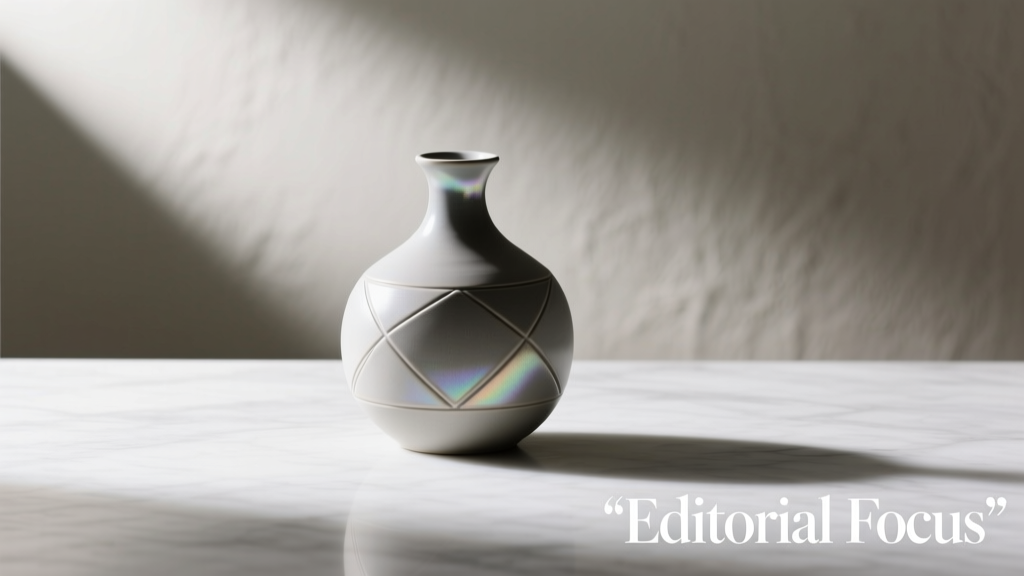
Creating a Zen meditation space is not about assembling decorative objects—it’s about cultivating intentionality, sensory harmony, and embodied presence. When a sake corner is integrated mindfully—not as an afterthought or aesthetic flourish, but as a deliberate extension of ritual practice—it deepens the space’s capacity for reflection, gratitude, and quiet celebration of impermanence. This approach draws from centuries-old Japanese traditions where tea ceremony, zazen, and sake appreciation share core values: wabi-sabi (beauty in simplicity and transience), ichi-go ichi-e (“one time, one meeting”), and ma (the conscious use of negative space). A well-designed Zen-sake space does not dilute stillness; it anchors it in human warmth, seasonal awareness, and ceremonial reverence.
The Philosophy Behind Integration: Why Sake Belongs in a Zen Space
Western interpretations often misread sake as merely an alcoholic beverage—something to be consumed socially or indulgently. In traditional Japanese culture, however, sake is a sacred offering, a seasonal marker, and a medium for mindful attention. Shinto shrines pour sake (omiki) as an act of communion with kami; farmers brew it to honor the rice harvest; artisans refine it over months with patience mirroring monastic discipline. Its production—dependent on water purity, koji mold cultivation, temperature control, and quiet fermentation—embodies the same principles that underpin Zen practice: attentiveness, humility before natural processes, and respect for time as a teacher.
Integrating sake into a Zen space honors this lineage—not by encouraging consumption, but by inviting ritualized presence. Pouring sake into a small ochoko cup, observing its clarity and aroma, holding silence before tasting: these are micro-meditations. The corner becomes a site of embodied ethics—where restraint, gratitude, and seasonal attunement converge.
“Sake is not drunk—it is received. Each bottle carries the labor of farmers, brewers, and seasons. To serve it mindfully is to practice gratitude without words.” — Hiroshi Tanaka, 14th-generation sake brewer, Niigata Prefecture
Core Design Principles: Minimalism, Material Integrity, and Sensory Calm
A Zen-sake space must avoid visual or energetic clutter. Every object earns its place through function, history, or resonance with stillness. Three non-negotiable principles govern material and spatial choices:
- Wabi-sabi integrity: Prioritize natural, unrefined materials—unfinished hinoki cypress, hand-thrown stoneware, aged bamboo, or matte-finish washi paper. Avoid glossy surfaces, synthetic finishes, or mass-produced ceramics.
- Ma (intentional emptiness): Reserve at least 40% of wall and floor space as “breathing room.” A shelf should hold no more than three items; a tatami mat should remain mostly unoccupied except during practice.
- Sensory coherence: All elements must harmonize across touch (cool wood grain), sound (a faint chime from a wind bell, not silence enforced), scent (dried yuzu peel or hinoki oil—not artificial incense), and sight (soft, diffused light; no LED glare).
Step-by-Step: Building Your Zen-Sake Corner (60-Minute Setup Guide)
This sequence assumes a dedicated 3m × 2.5m room or a quiet alcove. It prioritizes immediacy—no construction required—and evolves organically over time.
- Clear & Ground (5 min): Remove all non-essential furniture. Sweep the floor bare. Place a single zafu cushion centered on a 1.8m × 1.8m tatami mat (or natural fiber rug). Sit on the cushion, close your eyes, and breathe until your shoulders drop below your ears.
- Define the Meditation Axis (10 min): Position the cushion so your line of sight faces east (for sunrise alignment) or north (traditional Zen orientation). Mark this direction with a subtle floor marker—a smooth river stone or a brass compass rose embedded in wood.
- Install the Sake Nook (15 min): Mount a low, floating shelf (45cm high, 60cm wide) on the wall opposite your cushion. Use raw-edge cedar or reclaimed teak. Place three items only: a 720ml tokkuri (sake carafe) made of unglazed Shigaraki ware, two ochoko cups (one for offering, one for tasting), and a small lacquered box holding polished rice grains (symbolizing origin) and a dried shiso leaf (seasonal marker).
- Anchor with Ritual Objects (15 min): Add a narrow bamboo vase holding a single branch of seasonal greenery (pine in winter, cherry in spring, maple in autumn). Beside it, place a small bronze suzukake bell—rung once before pouring sake, once after.
- Refine Light & Air (10 min): Replace overhead lighting with a single paper-and-bamboo pendant lamp (washi shade, 2700K color temperature). Install a small operable shōji window or sliding panel to allow cross-ventilation. Hang a lightweight linen drape to diffuse midday sun.
- Final Calibration (5 min): Sit again. Observe how light falls on the tokkuri at 4 p.m. Adjust shelf height if reflections distract. Ensure the ochoko cups sit level—no tilting. Verify the suzukake bell rings with clear, decaying resonance, not a harsh clang.
Essential Elements: What to Include (and What to Omit)
The following table outlines functional and symbolic roles for key components. Note: “Required” means the element serves a non-decorative, practice-based purpose. “Optional” may enhance depth but isn’t foundational.
| Element | Purpose | Required? | Common Pitfall |
|---|---|---|---|
| Zafu + Zabuton | Supports upright, relaxed posture for sustained breath awareness | Yes | Using memory foam cushions that encourage slouching or overheating |
| Tokkuri + Ochoko Set | Holds sake for ritual pouring; shapes tactile focus and measured intake | Yes | Choosing glass carafes (breakable, visually cold) or oversized cups (defeats mindfulness of portion) |
| Hinoki Wood Shelf | Provides stable, aromatic base; wood grain invites tactile grounding | Yes | Using MDF or laminated particleboard (emits VOCs, lacks resonance) |
| Seasonal Branch Vase | Connects practice to natural cycles; reinforces impermanence | Yes | Using plastic flowers or permanent silk arrangements (denies transience) |
| Suzukake Bell | Marks transitions between stillness and action; calibrates auditory focus | Optional | Placing it within arm’s reach (invites distraction); using electronic chimes |
| Sake Selection Guide | Informs seasonal pairing (e.g., nama genshu in spring, koshu in winter) | Optional | Displaying brand logos or flashy labels (disrupts visual calm) |
Real-World Integration: A Tokyo Apartment Case Study
In a 28m² Shinjuku studio apartment, architect Yumi Sato transformed a 1.2m-wide recess beside her sleeping loft into a Zen-sake corner. With no tatami available, she laid a single 1.2m × 1.2m handwoven rush mat (igusa) sourced from Kumamoto. She mounted a 40cm-wide hinoki shelf at eye level when seated, anchoring it with hidden steel brackets for seismic safety. Her tokkuri is a 200-year-old Bizen-yaki piece—unglazed, iron-rich, slightly asymmetrical—passed down from her grandmother. She rotates sake seasonally: a vibrant, cloudy namazake in April (celebrating new rice), a crisp junmai ginjo from Kyoto in August (cooled naturally in a clay cellar), and a deep amber koshu aged ten years for December solstice reflection.
Crucially, Yumi never drinks sake outside this space. The corner is not a bar—it’s a threshold. She rings the suzukake bell before pouring, observes the liquid’s flow and clarity, inhales the aroma for exactly three breaths, then sips slowly while gazing at the seasonal branch. Afterward, she rinses the ochoko in cold spring water (never hot), dries it with a linen cloth, and places it upside-down on the shelf—empty, open, ready. “The sake doesn’t change the space,” she explains. “It reveals what was already there: my own capacity for presence.”
Practical Checklist: Before You Begin
Use this checklist to ensure cultural respect, functional integrity, and personal sustainability:
- ☐ I’ve researched local regulations regarding alcohol storage (e.g., some rental agreements prohibit it; verify with landlord)
- ☐ My sake selection emphasizes artisanal producers—no mass-market brands with artificial flavorings or preservatives
- ☐ All wood surfaces are unfinished or treated only with natural oils (e.g., walnut or camellia oil), never polyurethane
- ☐ Lighting produces zero blue spectrum at night (use warm-dim LEDs or incandescent bulbs)
- ☐ I’ve committed to a maximum of one 720ml bottle stored on-site; excess is kept elsewhere to honor the principle of “enough”
- ☐ The space has audible silence—no persistent mechanical noise—that can be achieved without soundproofing (which contradicts ma)
- ☐ I understand that sake is served cool or at room temperature—not chilled to 5°C, which numbs aroma and violates seasonal appropriateness
FAQ: Addressing Common Concerns
Is combining alcohol with meditation spiritually contradictory?
No—when approached with ritual rigor, sake serves as a focal point for embodied mindfulness, not intoxication. Traditional Zen monasteries historically brewed sake for temple festivals and offerings. The contradiction arises only when consumption replaces attention. In this practice, the act of pouring, observing, and tasting—with full sensory engagement—is the meditation.
What if I don’t drink alcohol? Can I adapt the corner?
Absolutely. Substitute high-quality matcha (whisked fresh daily) or roasted barley tea (mugicha) in the tokkuri and ochoko. The ritual structure remains identical: preparation, silent observation, intentional sipping, mindful cleanup. The corner honors process, not substance.
How do I maintain the space without turning it into a chore?
Limit maintenance to three weekly actions: (1) Wipe the shelf with damp linen cloth every Monday, (2) replace the seasonal branch every Saturday, (3) rinse and air-dry the ochoko after each use. No polishing, no rearranging, no “deep cleaning.” Stillness is preserved through consistency—not perfection.
Conclusion: Your Space Is Already Waiting
You do not need a spare room, antique heirlooms, or mastery of Japanese language to begin. A Zen-sake corner begins with a single cushion placed deliberately on clean floorboards. It grows with a single shelf, a single cup, a single branch. Its power lies not in accumulation, but in the courage to pause—to pour sake not for pleasure alone, but as an act of witnessing: the clarity of the liquid, the weight of the cup, the quiet that follows the bell’s fade. This space asks nothing of you except honesty with your breath, respect for your materials, and willingness to let seasons pass through your hands. Start tonight. Sit. Observe the light on your wall. Then ask yourself: what one object would help me return—gently, repeatedly—to this moment?
💬 Your turn: Share one detail of your meditation or ritual space—the texture of your cushion, the scent you keep nearby, the first thing you notice when you enter—that grounds you. Let’s build wisdom together, one mindful detail at a time.








