Sleep is foundational to health, and uninterrupted rest begins with creating an environment conducive to deep, restorative slumber. One of the most effective tools for improving sleep quality—especially in bright or irregular environments—is a high-quality sleep eye mask. Whether you're traveling, living in a city with constant light pollution, or simply sensitive to early morning sun, the right eye mask can make the difference between waking up refreshed or groggy. But not all masks are created equal. Choosing the perfect one requires understanding your personal needs, facial structure, and material preferences.
Why Light Blocking Matters for Sleep Quality
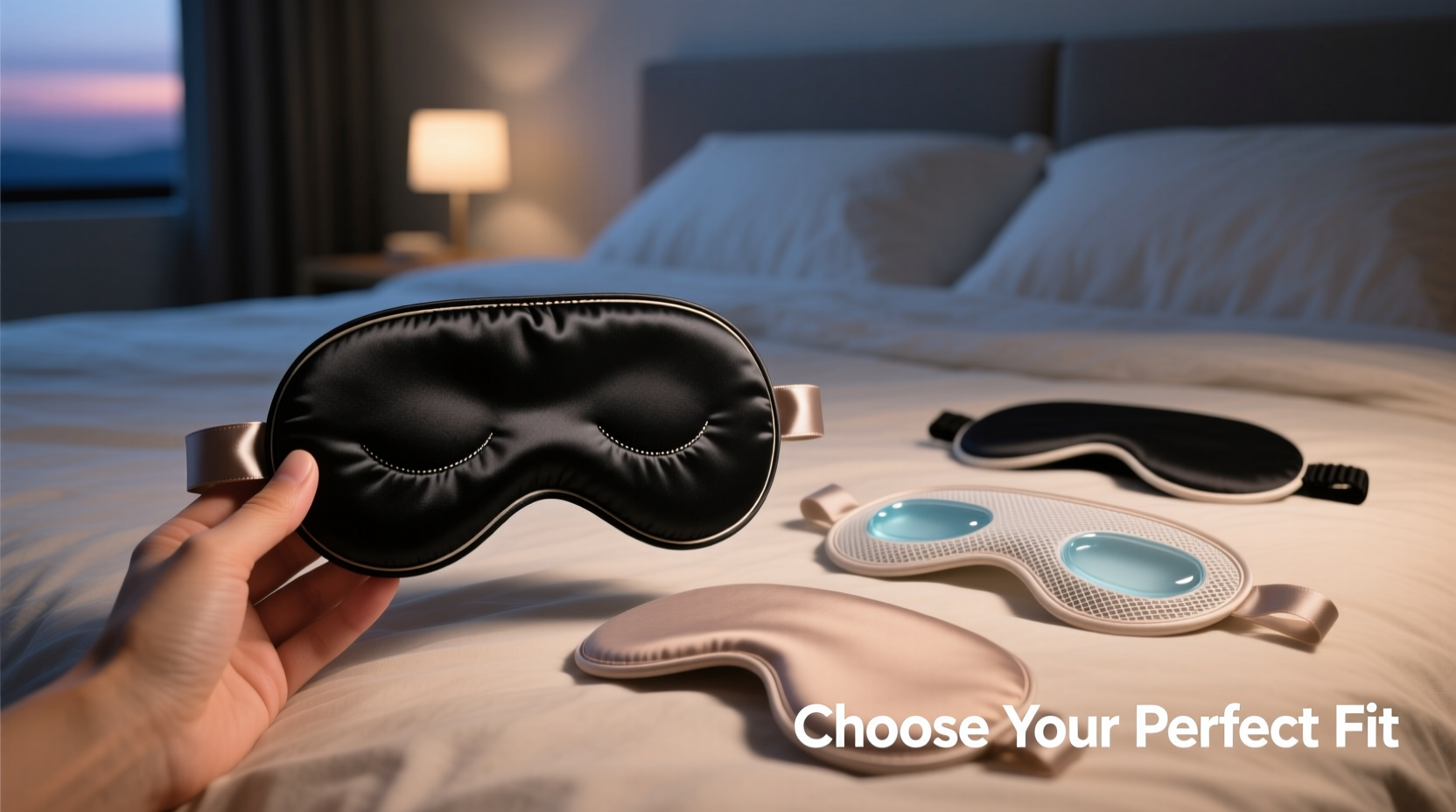
Exposure to light suppresses melatonin, the hormone responsible for regulating sleep-wake cycles. Even small amounts of ambient light—such as streetlamps, digital displays, or sunrise—can interfere with both falling asleep and staying asleep. A study published in the Journal of Clinical Sleep Medicine found that participants exposed to low levels of light during sleep experienced reduced REM cycles and increased heart rate variability, indicating poorer sleep quality.
A truly effective sleep mask blocks 100% of light across the entire visual field, including peripheral vision. This complete blackout signals the brain that it's safe to enter deeper stages of sleep, promoting longer periods of rest and improved cognitive recovery.
Tip: Test a mask’s light-blocking ability by wearing it in a well-lit room. If you see any glimmers around the nose bridge or edges, it may not provide full coverage.Key Features of an Ideal Sleep Eye Mask
The best sleep masks balance three core elements: total darkness, physical comfort, and durability. Here’s what to look for when evaluating options:
- Contoured Design: Masks shaped to hover slightly over the eyes prevent eyelid contact, reducing pressure and allowing free blinking. Flat masks often press against lashes, causing discomfort and smudging makeup.
- Nose Bridge Sealing: A flexible wire or molded nose piece conforms to facial contours, eliminating gaps where light leaks in.
- Adjustable Strap: Elastic bands should be wide enough to distribute pressure evenly without digging into the back of the head. Look for straps with sliding buckles for precise fit control.
- Material Quality: Breathable, hypoallergenic fabrics like mulberry silk, bamboo-derived viscose, or soft memory foam enhance comfort and reduce skin irritation.
- Washability: Removable covers or machine-washable designs ensure hygiene and longevity.
“An effective sleep mask doesn’t just block light—it supports natural sleep architecture by minimizing sensory disruptions.” — Dr. Lena Patel, Sleep Neurologist at Pacific Wellness Institute
Choosing the Right Material for Comfort and Skin Health
The fabric of your eye mask directly impacts both comfort and long-term skin condition. Here’s a comparison of common materials:
| Material | Pros | Cons |
|---|---|---|
| Mulberry Silk | Hypoallergenic, smooth texture, reduces friction on skin and hair, temperature-regulating | Higher cost, requires hand washing or delicate cycle |
| Bamboo Viscose | Naturally antimicrobial, breathable, eco-friendly, soft | May lose shape after repeated washes if low quality |
| Cotton Blend | Affordable, widely available, easy to clean | Less effective at blocking light unless layered, may retain heat |
| Memory Foam | Excellent light blocking, molds gently to face | Can trap heat, harder to clean, heavier feel |
For those with sensitive skin or prone to acne, silk and bamboo are superior choices due to their low friction and moisture-wicking properties. Cotton blends are suitable for casual use but rarely offer premium light blocking. Memory foam excels in darkness but may feel too warm for year-round use.
Step-by-Step Guide to Finding Your Perfect Fit
Selecting the right mask isn’t guesswork—it’s a process of matching product features to your unique physiology and lifestyle. Follow these steps:
- Measure Your Face Width: Use a soft tape measure from temple to temple across the bridge of your nose. Most adult faces range between 6.5” and 7.5”. Choose a mask labeled for your size group.
- Determine Your Sleeping Position: Side sleepers benefit from contoured or 3D-shaped masks that don’t press against the eyes. Back sleepers can use flatter designs with better strap adjustability.
- Test for Gap-Free Coverage: Hold the mask up to your face (without strapping). Press gently along the nose bridge and cheekbones. Any visible space means potential light leakage.
- Evaluate Strap Flexibility: The band should stretch comfortably over your head without pulling hair or causing pressure behind the ears. Wide straps (at least ½ inch) distribute tension more evenly.
- Check for Added Features: Consider extras like built-in earplug loops, cooling gel layers, or acupressure nodes—but only if they align with your needs. Simplicity often wins for nightly use.
- Try Before Committing: If buying online, select retailers with return policies. Wear the mask for 15–20 minutes while awake to assess comfort and seal integrity.
Real-Life Example: Overcoming Jet Lag with the Right Mask
Sophie, a flight attendant based in Toronto, struggled with chronic fatigue due to rotating international shifts and daytime naps under bright conditions. Despite blackout curtains, sunlight filtered through windows and disrupted her rest. After experimenting with several masks, she switched to a contoured silk model with a padded nose bridge and adjustable satin strap. Within two weeks, she reported falling asleep 40% faster and experiencing fewer nighttime awakenings. “It finally feels like my body believes it’s nighttime,” she said. Her key insight? “The mask had to move with me—I’m a restless sleeper—and only the ones with flexible seams stayed in place.”
Essential Checklist Before You Buy
Use this concise checklist to evaluate any sleep mask before purchase:
- ✅ Blocks all light when tested in a lit room
- ✅ Fits snugly without squeezing the head or eyes
- ✅ Made from breathable, non-irritating fabric
- ✅ Accommodates side sleeping (if applicable)
- ✅ Easy to clean and maintain
- ✅ Doesn’t interfere with glasses or eyelashes
- ✅ Includes warranty or satisfaction guarantee (for online purchases)
Frequently Asked Questions
Can a sleep mask help with migraines or eye strain?
Yes. For individuals with light-sensitive conditions such as migraines, cluster headaches, or digital eye strain, a fully occlusive mask provides therapeutic relief by eliminating visual stimuli. Some users pair cooling gel inserts with their masks for added soothing effect.
How often should I replace my sleep mask?
With proper care, a high-quality mask lasts 1–2 years. Signs it’s time to replace include stretched-out straps, permanent stains, loss of shape, or visible wear on seams. Wash every 5–7 nights to prevent oil buildup and bacterial growth.
Are weighted eye masks safe for regular use?
Lightly weighted masks (under 100 grams) using microbeads can promote relaxation via gentle pressure, mimicking acupressure. However, avoid heavy models that restrict eye movement or cause numbness. Consult a doctor if you have glaucoma or circulatory issues.
Final Thoughts: Prioritize Quality for Long-Term Benefits
A sleep eye mask is more than a travel accessory—it’s a tool for optimizing one-third of your life. Investing in a well-designed, lightproof, and comfortable mask pays dividends in alertness, mood stability, and overall well-being. Don’t settle for flimsy, one-size-fits-all solutions. Take the time to assess your facial structure, sleeping habits, and material sensitivities. The perfect mask should feel almost invisible—yet deliver profound results.
🚀 Ready to transform your sleep? Re-evaluate your current mask using the checklist above, and make your next purchase with confidence. Share your favorite sleep tips in the comments below—your experience might help someone find their perfect night’s rest.








