When shopping for a step stool, the choice often comes down to function versus form. A plain model offers simplicity and reliability, while a houndstooth-patterned version adds visual flair. But does that classic black-and-white chevron design justify a higher price tag? For homeowners, renters, and interior enthusiasts alike, this decision isn’t just about aesthetics—it’s about long-term value, safety, maintenance, and practicality. This guide breaks down the real differences between houndstooth and plain step stools to help you determine whether the pattern is truly worth the premium.
Design and Aesthetic Appeal
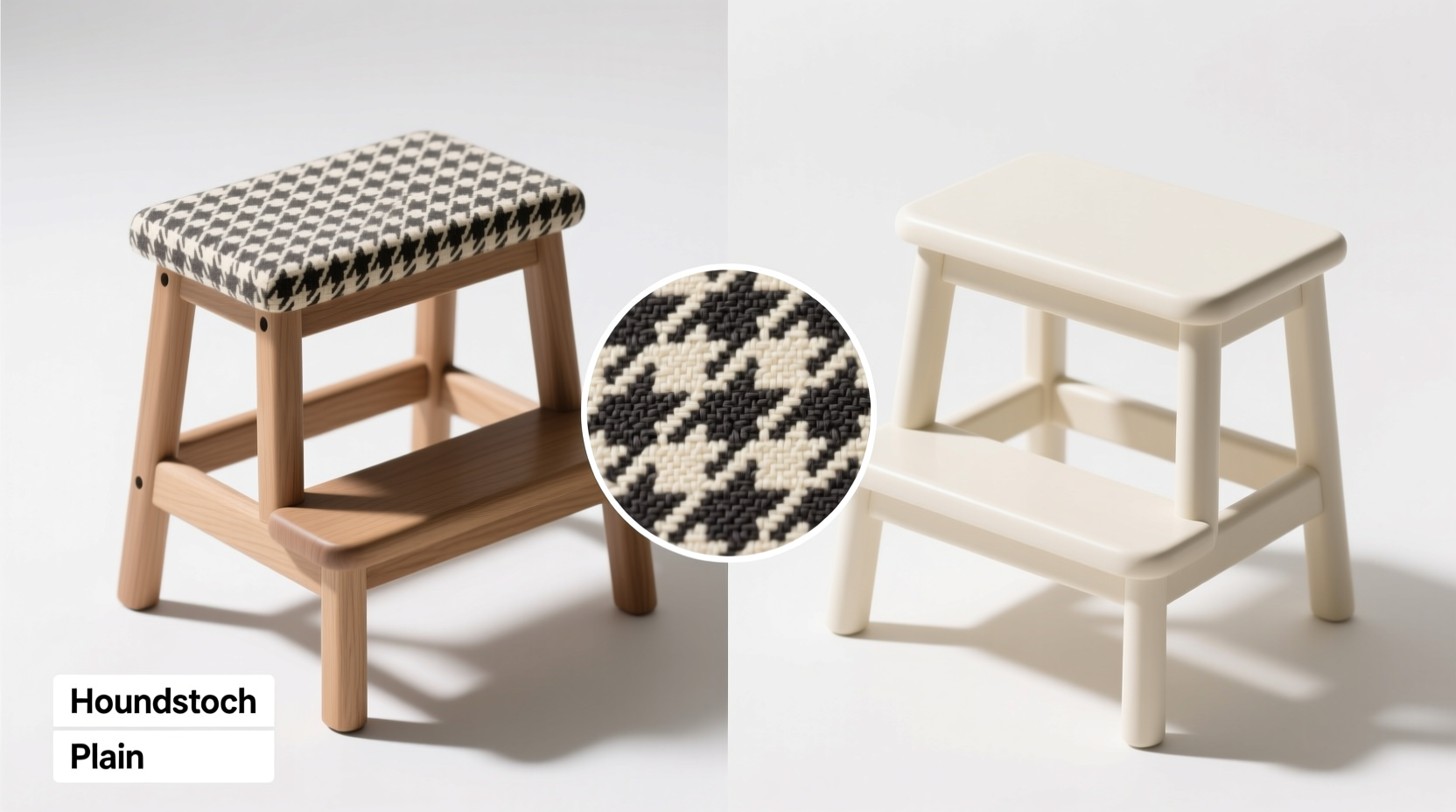
The most obvious distinction between a houndstooth and a plain step stool lies in its appearance. Houndstooth, characterized by its broken-check or jagged two-tone pattern, has long been associated with sophistication and timeless style. Originating in Scottish textile traditions, it's now a staple in modern interiors, fashion, and furniture design.
A houndstooth-patterned step stool can serve as a subtle statement piece—ideal for contemporary bathrooms, minimalist kitchens, or curated living spaces where every object contributes to the overall aesthetic. In contrast, plain step stools (typically solid-colored or unpainted) prioritize utility. They blend into the background, making them ideal for utilitarian settings like garages, workshops, or rental units where decor takes a back seat.
Tip: If your space already features bold patterns or textured walls, a plain step stool may prevent visual clutter.Material and Durability Comparison
Appearance aside, construction quality matters more than pattern. Both houndstooth and plain models are commonly made from wood, plastic, or metal. However, the application of a pattern—especially on plastic or laminated surfaces—can impact longevity.
In many cases, houndstooth designs are printed or coated onto the surface. Over time, especially with frequent use or exposure to moisture, these finishes may chip, fade, or peel. Plain step stools, particularly those made of solid hardwood or powder-coated metal, often withstand wear better because they lack surface treatments that degrade.
That said, high-end houndstooth models use durable vinyl wraps or baked-on finishes that resist scratching and UV damage. These premium versions maintain their look longer but come at a steeper price—sometimes 20–40% more than comparable plain stools.
Durability Factors by Material
| Material | Houndstooth Version Risk | Plain Version Advantage |
|---|---|---|
| Plastic | Pattern may scratch or fade with sun exposure | Color is often molded in; no peeling risk |
| Wood | Lacquered pattern can wear at stress points | Natural grain or stain resists aging |
| Metal | Printed pattern vulnerable to chipping | Powder coating highly durable and uniform |
“Design should never compromise function. A beautiful stool that wobbles or degrades quickly fails its primary purpose.” — Lena Patel, Industrial Designer & Home Safety Consultant
Safety and Functionality
No matter how stylish a step stool looks, safety must come first. The pattern itself doesn’t affect structural integrity—but the manufacturing choices behind it might.
Budget houndstooth models sometimes cut corners to accommodate decorative elements. For example, thinner materials may be used to keep weight down for printing processes, or non-slip feet may be omitted to preserve the visual continuity of the pattern. In contrast, plain step stools often follow standardized safety designs: wide bases, anti-slip treads, and load ratings clearly marked.
Weight capacity is another key consideration. Most standard step stools support 250–300 lbs. However, some decorative houndstooth variants, particularly folding or lightweight models, may only be rated for 200 lbs. Always check manufacturer specifications before purchase.
Tip: Look for models with textured treads and rubberized feet—regardless of pattern—to reduce slip risk.Cost-Benefit Analysis: Is the Pattern Worth It?
The average plain plastic step stool costs $20–$35. A comparable houndstooth version typically ranges from $35 to $60. That $15–$25 premium buys you visual appeal—but little else in terms of performance.
To assess whether the upgrade is justified, consider three factors:
- Usage Frequency: If the stool is used daily in a high-traffic area, durability should outweigh design. A plain model will likely last longer without showing wear.
- Location: In a guest bathroom or open-concept living area, a stylish houndstooth stool can enhance the room’s character. In a basement or utility closet, aesthetics matter less.
- Lifestyle: Renters or minimalists may prefer the flexibility of a neutral stool. Design-focused homeowners might welcome a patterned piece as part of a curated aesthetic.
Real-World Example: Sarah’s Bathroom Refresh
Sarah, a graphic designer in Portland, replaced her basic white step stool with a houndstooth version to match her new monochrome bathroom theme. “I love how it ties the space together,” she says. “But after six months near the shower, the edges started chipping. I didn’t realize moisture would affect the print.” She now keeps it in a dry corner and uses a plain wooden stool for tasks involving water. Her takeaway: “Style is great, but placement matters just as much.”
Making the Right Choice: A Practical Checklist
Before buying, ask yourself the following questions to ensure you’re making a smart investment:
- ✅ Will this stool be used in a damp or high-moisture area? (If yes, avoid printed finishes.)
- ✅ Is the pattern integrated into the material, or merely applied on top?
- ✅ Does the model have non-slip feet and a stable base?
- ✅ What is the weight capacity, and does it meet household needs?
- ✅ Am I paying for design at the expense of durability?
- ✅ Can I achieve a similar look with a plain stool and a decorative mat or towel?
Frequently Asked Questions
Does the houndstooth pattern make cleaning harder?
Yes, in some cases. Scratches or scuffs on patterned surfaces are more noticeable than on solid colors. Stains may also show more contrast, especially on light backgrounds. Wipe spills immediately and avoid abrasive cleaners to preserve the finish.
Can I paint or refinish a plain step stool to mimic houndstooth?
Absolutely. With painter’s tape and enamel paint, you can DIY a houndstooth design on a plain wooden stool for under $15. This allows customization and avoids factory-applied finishes that may degrade faster.
Are houndstooth step stools suitable for children’s rooms?
They can be, provided the structure is safe and stable. However, young children may scratch or mark the surface during play. A plain, washable model may be more practical for shared or high-use spaces.
Final Verdict: Style Has Its Place—But So Does Sense
The houndstooth step stool isn’t inherently superior or inferior—it’s a design choice with trade-offs. If you value aesthetics and use the stool occasionally in a dry, visible area, the extra cost may be justified. But if you prioritize durability, safety, and long-term value, a well-built plain step stool remains the smarter pick.
Ultimately, the best step stool isn’t the fanciest one—it’s the one that works reliably, safely, and consistently in your home. Whether patterned or plain, choose based on function first, then let style follow.
💬 What do you prioritize in a step stool—design or durability? Share your thoughts or experiences in the comments below and help others make informed decisions!








