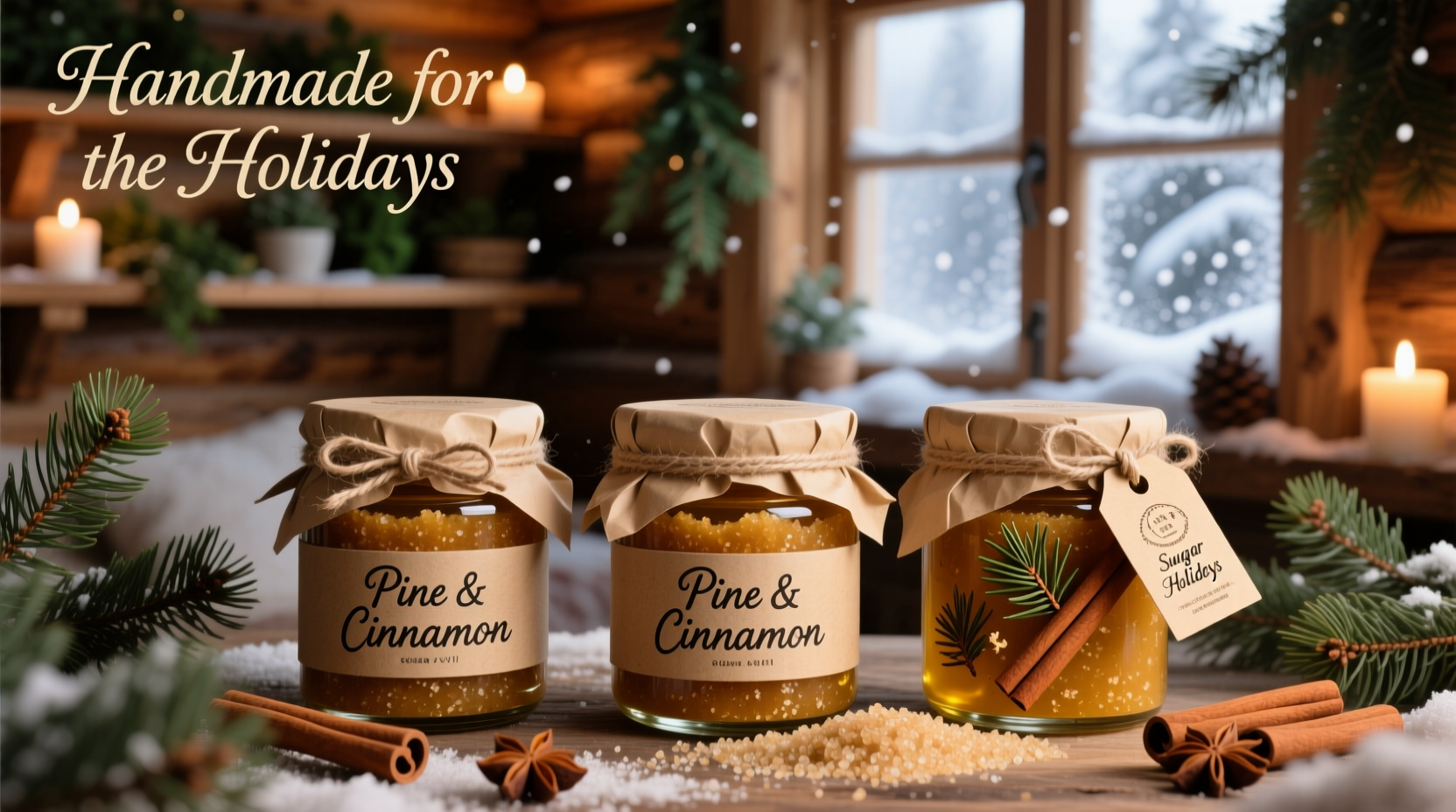
The holiday season brings more than just twinkling lights and cozy sweaters—it invites us to slow down, reconnect with our senses, and share thoughtful gestures. One of the most personal and appreciated gifts you can give is something made by hand, especially when it nourishes the skin and evokes the warmth of the season. A homemade sugar scrub infused with pine and cinnamon captures the essence of winter: earthy, spicy, and invigorating. These scrubs exfoliate gently, moisturize deeply, and fill the room with a comforting aroma that feels like a hug in a jar.
Beyond their sensory appeal, DIY sugar scrubs are cost-effective, customizable, and free from synthetic additives. Whether you're crafting for friends, family, or as part of a wellness-focused holiday market, this guide will walk you through creating professional-quality scrubs that look and feel luxurious. You’ll learn how to balance essential oils safely, choose the right base ingredients, package your creations beautifully, and ensure shelf stability—all while embracing the spirit of seasonal giving.
The Science Behind Sugar Scrubs
Sugar scrubs work on two levels: physical exfoliation and hydration. Granulated sugar acts as a gentle abrasive, sloughing away dead skin cells without causing micro-tears—unlike harsher alternatives such as walnut shells. As the sugar dissolves during use, it releases glycolic acid, an alpha-hydroxy acid (AHA) known for promoting cell turnover and improving skin texture over time.
When combined with carrier oils—such as coconut, sweet almond, or jojoba—the scrub delivers deep moisture. These oils penetrate the epidermis, reinforcing the skin’s natural lipid barrier and preventing transepidermal water loss. This dual action leaves skin soft, smooth, and glowing—not just immediately after use, but with consistent application.
Aromatic additions like pine and cinnamon do more than scent the product; they contribute subtle therapeutic benefits. Pine essential oil has antiseptic and anti-inflammatory properties, making it ideal for dull or congested skin. Cinnamon, though potent, contains cinnamaldehyde, which may support circulation and provide mild warming effects when applied topically in diluted form.
“Natural scrubs offer a holistic approach to skincare—gentle exfoliation paired with plant-based nourishment. When formulated correctly, they rival high-end spa products.” — Dr. Lena Torres, Holistic Dermatology Consultant
Core Ingredients and Their Roles
Creating an effective and safe sugar scrub begins with understanding each ingredient’s function. Below is a breakdown of key components and why they matter:
| Ingredient | Purpose | Recommended Type |
|---|---|---|
| Granulated Sugar | Exfoliant; dissolves easily, minimizing abrasion | Organic cane sugar or turbinado sugar |
| Carrier Oil | Moisturizes and binds the scrub | Sweet almond, fractionated coconut, or jojoba oil |
| Pine Essential Oil | Provides fresh, woodsy fragrance; supports skin clarity | Pure *Pinus sylvestris* (Scotch pine) |
| Cinnamon Essential Oil or Ground Spice | Warming scent; enhances circulation (use sparingly) | Diluted essential oil only (not raw powder in rinse-off) |
| Vanilla Extract (optional) | Softens cinnamon’s sharpness; adds warmth | Alcohol-free, food-grade |
| Vitamin E Oil | Natural preservative and antioxidant | Tocopherol (liquid form) |
Step-by-Step Guide to Making a Festive Pine & Cinnamon Sugar Scrub
Follow this detailed process to create a balanced, aromatic scrub suitable for gifting. Yields approximately 8 oz (one standard jar).
- Gather Supplies: You’ll need a mixing bowl, silicone spatula, measuring cups, funnel, and 4-ounce glass jars with lids. Sterilize jars by washing in hot, soapy water and air-drying completely.
- Base Mixture: In a bowl, combine 1 cup of granulated sugar with ½ cup of carrier oil. Sweet almond oil provides a light, non-greasy finish, while fractionated coconut oil won’t solidify in cooler temperatures.
- Add Aromatics: Stir in 15 drops of pine essential oil and 5 drops of cinnamon essential oil. Caution: Cinnamon oil is highly concentrated and can irritate sensitive skin. Never exceed 0.5% concentration (about 3–5 drops per 1 oz of product).
- Enhance Scent (Optional): Add ¼ teaspoon of alcohol-free vanilla extract to round out the spice and add depth.
- Preserve: Mix in ½ teaspoon of vitamin E oil to extend shelf life and boost skin benefits.
- Mix Thoroughly: Fold ingredients until evenly distributed. The texture should be moist but not oily—if too wet, add more sugar; if too dry, drizzle in additional oil.
- Fill Jars: Use a funnel to transfer the scrub into clean jars. Tap gently to settle contents and wipe rims before sealing.
- Label Thoughtfully: Include the product name, date made, ingredients list, and usage instructions (e.g., “For external use. Avoid broken skin. Discontinue if irritation occurs.”).
Customization Ideas
- Winter Forest Blend: Add 5 drops of cedarwood essential oil for a deeper woodland aroma.
- Spiced Citrus Twist: Replace 5 drops of pine with blood orange or tangerine oil for brightness.
- Softer Version for Sensitive Skin: Omit cinnamon oil entirely and use ground oat flour instead for gentle exfoliation.
Safe Use of Cinnamon and Pine in Skincare
While both pine and cinnamon evoke the holidays, they require careful handling. Cinnamon essential oil is a known dermal irritant and photosensitizer. Even at low concentrations, it can cause redness or stinging—particularly on thin or reactive skin. It should never be used in leave-on products above 0.05–0.1%, and even in rinse-off formulas, moderation is key.
Pine essential oil is generally safer but should still be diluted properly (1–2% maximum). Some individuals may experience sensitivities, especially those with asthma or respiratory conditions, due to its strong volatile compounds. Always perform a patch test before full-body use.
“Natural doesn’t always mean gentle. Essential oils are potent biochemicals. Respect their strength with precise dosing.” — Maya Patel, Clinical Aromatherapist
To minimize risk:
- Always dilute essential oils in a carrier oil before combining with sugar.
- Never apply undiluted oils directly to the skin.
- Clearly label products containing cinnamon oil and advise users to avoid facial application.
Packaging and Presentation Tips for Gifting
A beautifully presented scrub elevates the experience. Consider these ideas to make your gift memorable:
- Jar Style: Use amber or cobalt glass jars with wooden lids for a rustic-luxe feel. Recycled glass works well and aligns with eco-conscious values.
- Labels: Print custom labels with festive fonts and seasonal motifs—evergreen branches, snowflakes, or minimalist line art. Include space for a handwritten note.
- Layered Scrubs: Create visual interest by layering white sugar (bottom) with a spiced brown layer (mixed with cinnamon and molasses-colored oil). Pack gently to maintain separation.
- Gift Sets: Pair the scrub with a loofah, organic cotton washcloth, or mini bath salt blend in a reusable linen bag.
- Personal Touch: Attach a small tag with usage suggestions: “Massage onto damp skin in circular motions. Rinse thoroughly. Follow with body butter for best results.”
Shelf Life and Storage Guidelines
Because homemade scrubs lack commercial preservatives, shelf life depends on ingredients used. Most sugar scrubs last 3–6 months when stored properly.
- Do:
- Store in a cool, dark place away from humidity (e.g., bathroom cabinets).
- Use clean, dry hands or a spoon to scoop product.
- Include vitamin E or rosemary oleoresin extract (ROE) as natural stabilizers.
- Don't:
- Expose to direct sunlight or heat sources (e.g., radiators).
- Allow water to enter the jar—this promotes mold and bacterial growth.
- Use fresh citrus zest or dairy-based ingredients unless refrigerating.
Mini Case Study: Holiday Market Success with Seasonal Scrubs
Last December, Sarah Kim, a craft entrepreneur from Vermont, launched her first holiday pop-up selling handmade skincare. She created three seasonal scrubs: peppermint cocoa, spiced apple cider, and a pine-cinnamon blend she called “Evergreen Glow.”
She priced each 4-oz jar at $12 and packaged them in amber jars with kraft paper labels stamped with pinecone designs. To build trust, she included full ingredient transparency and offered testers on disposable wooden sticks.
Within two weekends, she sold 137 units—nearly half of them the pine-cinnamon scrub. Customers cited the “authentic forest scent” and “non-greasy feel” as deciding factors. One regular buyer returned with a testimonial: “I gave three jars as hostess gifts. Every friend texted me asking where I bought them!”
Sarah attributes her success to timing, authenticity, and attention to detail—from sourcing ethically traded essential oils to using recyclable packaging. “People don’t just want a product,” she says. “They want a moment of calm, a sensory escape. My scrubs deliver that.”
Frequently Asked Questions
Can I use ground cinnamon instead of cinnamon essential oil?
It’s not recommended. Ground cinnamon doesn’t dissolve in scrubs and can be abrasive or stain skin and tubs. More importantly, it lacks the antimicrobial consistency of distilled essential oil and may introduce contaminants. For scent and safety, stick to properly diluted essential oil.
Is this scrub safe for the face?
Generally, no. Facial skin is thinner and more sensitive. The granules in body sugar scrubs are too large for delicate facial tissue. If offering a facial option, use finely ground oats or rice powder with milder oils and omit cinnamon entirely.
How can I make a vegan or nut-free version?
Easily. Replace sweet almond oil with sunflower, grapeseed, or fractionated coconut oil—all are non-comedogenic and nut-free. Ensure all essential oils are derived from non-animal sources (they typically are). Label clearly for allergen awareness.
Checklist: Preparing Your Festive Sugar Scrub for Gifting
- ☐ Source high-quality, skin-safe essential oils
- ☐ Sanitize jars and tools before use
- ☐ Measure essential oils precisely (max 20 drops total per 8 oz)
- ☐ Test scent and texture on a small batch first
- ☐ Design and print ingredient labels
- ☐ Store finished scrubs in a dark, dry cabinet
- ☐ Include usage instructions and safety notes
- ☐ Wrap or bundle for presentation
Conclusion: Share the Gift of Care This Season
There’s profound value in giving something made with intention. A homemade sugar scrub with pine and cinnamon does more than exfoliate—it carries the essence of the season, offering warmth, comfort, and a moment of pause in a hectic time. When crafted with care and shared with love, it becomes more than a gift; it becomes an experience.
Whether you’re making one jar for a neighbor or dozens for a market stall, every step—from measuring oils to tying a ribbon—adds meaning. You’re not just sharing skincare; you’re inviting someone to care for themselves, to breathe deeply, and to remember the quiet magic of winter.
💬 Ready to create your own festive scrub? Gather your ingredients this week and make your first batch. Then, share your recipe variations or packaging ideas in the comments—let’s inspire each other to give more thoughtfully this season.








