Seeing green stool can be surprising, even alarming. While it's often harmless, the color of your bowel movements can reflect changes in diet, digestion, or underlying health conditions. Green poop is more common than many realize, and in most cases, it resolves on its own. However, understanding the reasons behind it—and knowing when to seek medical advice—can help you maintain confidence in your digestive health.
What Causes Green Bowel Movements?
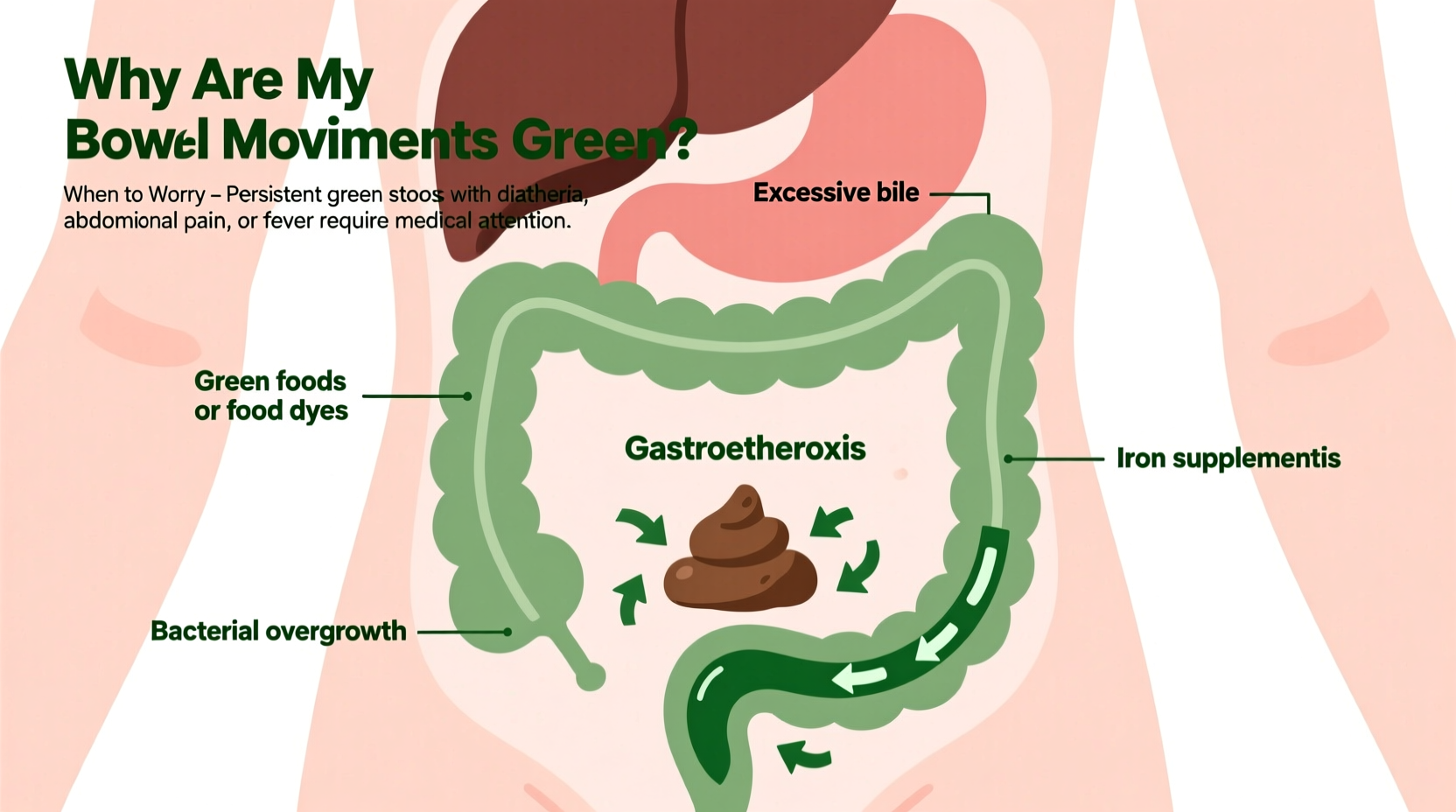
The typical brown color of stool comes from bile, a digestive fluid produced by the liver and modified by gut bacteria as it moves through the intestines. When stool passes too quickly through the digestive tract, bile doesn’t have enough time to break down completely, resulting in a green tint. This condition, known as rapid transit, is one of the most frequent causes of green poop.
Beyond transit speed, several other factors contribute to green-colored stools:
- Dietary influences: Consuming large amounts of leafy green vegetables (like spinach or kale), green food coloring in candies, drinks, or desserts, or iron-rich foods and supplements can alter stool color.
- Medications and supplements: Iron supplements, certain antibiotics, and some antacids may lead to greenish stool.
- Gastrointestinal infections: Bacterial or viral infections can speed up intestinal transit and disrupt normal bile processing.
- Malabsorption issues: Conditions like celiac disease or lactose intolerance may interfere with digestion and cause unusual stool colors.
- Probiotics and gut flora shifts: Changes in gut microbiota due to probiotics, recent illness, or antibiotic use can temporarily affect stool appearance.
Common Dietary Triggers of Green Stool
Food plays a major role in stool color. Pigments from what you eat travel through your digestive system and may remain visible in waste. Here are common culprits:
| Foods/Ingredients | Why It Causes Green Poop |
|---|---|
| Spinach, kale, broccoli | High chlorophyll content directly tints stool green. |
| Frozen treats with green dye (e.g., popsicles, ice cream) | Synthetic dyes pass through the gut unchanged. |
| Iron supplements (ferrous sulfate) | Unabsorbed iron reacts with sulfur compounds in the gut. |
| Green smoothies or juices | Large volume of plant matter overwhelms normal pigment breakdown. |
| Blue or purple foods (grapes, blueberries) | Mixed with yellow digestive fluids, they create a green hue. |
If you’ve recently eaten any of these items, especially in large quantities, green stool is likely a temporary and benign side effect.
When Should You Be Concerned?
Most cases of green poop resolve within a day or two without intervention. However, certain accompanying symptoms suggest an underlying issue that warrants medical evaluation.
“Stool color alone is rarely diagnostic, but when combined with persistent discomfort or systemic symptoms, it becomes a valuable clue.” — Dr. Lena Patel, Gastroenterologist
Seek medical attention if green stool is accompanied by any of the following:
- Severe diarrhea lasting more than 48 hours
- Blood in stool (bright red or black, tarry appearance)
- Persistent abdominal pain or cramping
- Fever, chills, or signs of dehydration
- Unexplained weight loss
- Recurring episodes over weeks despite dietary changes
Chronic green stool could indicate conditions such as irritable bowel syndrome (IBS), inflammatory bowel disease (IBD), small intestinal bacterial overgrowth (SIBO), or bile acid malabsorption. A healthcare provider may recommend stool tests, blood work, or imaging to rule out serious causes.
Mini Case Study: Sudden Color Change After Illness
Mark, a 34-year-old teacher, developed green diarrhea after a bout of food poisoning. He had experienced vomiting and stomach cramps for two days, followed by loose green stools for nearly a week. Initially concerned, he monitored his symptoms and noticed gradual improvement. By day 10, his bowel movements returned to normal. His doctor explained that the infection had accelerated gut transit, preventing full bile breakdown. No further treatment was needed—just hydration and rest. This case illustrates how temporary illness can alter stool color without long-term consequences.
Step-by-Step Guide to Assessing Green Poop
If you're unsure whether green stool is a cause for concern, follow this practical timeline to evaluate and respond appropriately:
- Day 1–2: Observe and record. Note diet, medications, and any symptoms. Did you eat something unusual? Take new supplements?
- Day 3: Eliminate obvious triggers. Stop consuming green-dyed foods, reduce leafy greens, and assess iron supplement use.
- Day 4–5: Monitor consistency and frequency. If diarrhea persists beyond 48 hours, increase fluid intake and consider oral rehydration solutions.
- Day 6–7: Evaluate progression. Are symptoms improving? Is stool firming up? If yes, continue supportive care.
- After Day 7: Consult a professional. If green stool continues or worsens, or if new symptoms appear, schedule a visit with your doctor.
Do’s and Don’ts: Managing Green Stool Episodes
| Do’s | Don’ts |
|---|---|
| Stay hydrated, especially with diarrhea | Ignore persistent symptoms lasting over a week |
| Eat bland, easy-to-digest foods (rice, bananas, toast) | Consume excessive artificial dyes or greasy meals |
| Review medication side effects | Self-diagnose serious conditions based on color alone |
| Use probiotics after antibiotics (with doctor approval) | Stop prescribed medications without consulting your physician |
Frequently Asked Questions
Can teething cause green poop in babies?
Yes. While not directly caused by teething, increased saliva production during this phase can lead to looser, greener stools. However, true diarrhea or mucus-laden stool should be evaluated by a pediatrician to rule out infection.
Is green poop a sign of pregnancy?
Not directly. However, many pregnant individuals take prenatal vitamins rich in iron, which can turn stool green or dark gray. Hormonal changes may also slow digestion, indirectly affecting color and consistency.
Should I stop taking iron supplements if my poop turns green?
No—do not discontinue supplements without medical advice, especially during pregnancy or if treating anemia. Green stool is a common, harmless side effect. If gastrointestinal discomfort occurs, discuss alternative formulations with your doctor.
Conclusion: Listen to Your Body
Green poop is usually a fleeting result of diet, supplements, or minor digestive shifts. In the vast majority of cases, it’s not a sign of danger. But your body communicates through subtle signals, and consistent changes in bowel habits deserve attention. By understanding the causes and recognizing warning signs, you empower yourself to make informed decisions about your health.
💬 Have you experienced green stool? What helped you identify the cause? Share your story in the comments—your experience might help someone else feel less alone.








