
As dogs age, their bodies undergo significant physiological changes that affect how they process food, maintain energy, and support organ function. While senior dogs may slow down physically, their nutritional requirements become more complex—not less. Gentle nutrition focuses on meeting these evolving needs without overwhelming the body, emphasizing digestibility, balance, and long-term wellness. This approach isn’t about drastic changes or trendy diets; it’s about thoughtful, sustainable adjustments that honor your dog’s maturity and promote vitality in their golden years.
Understanding the Aging Canine Body
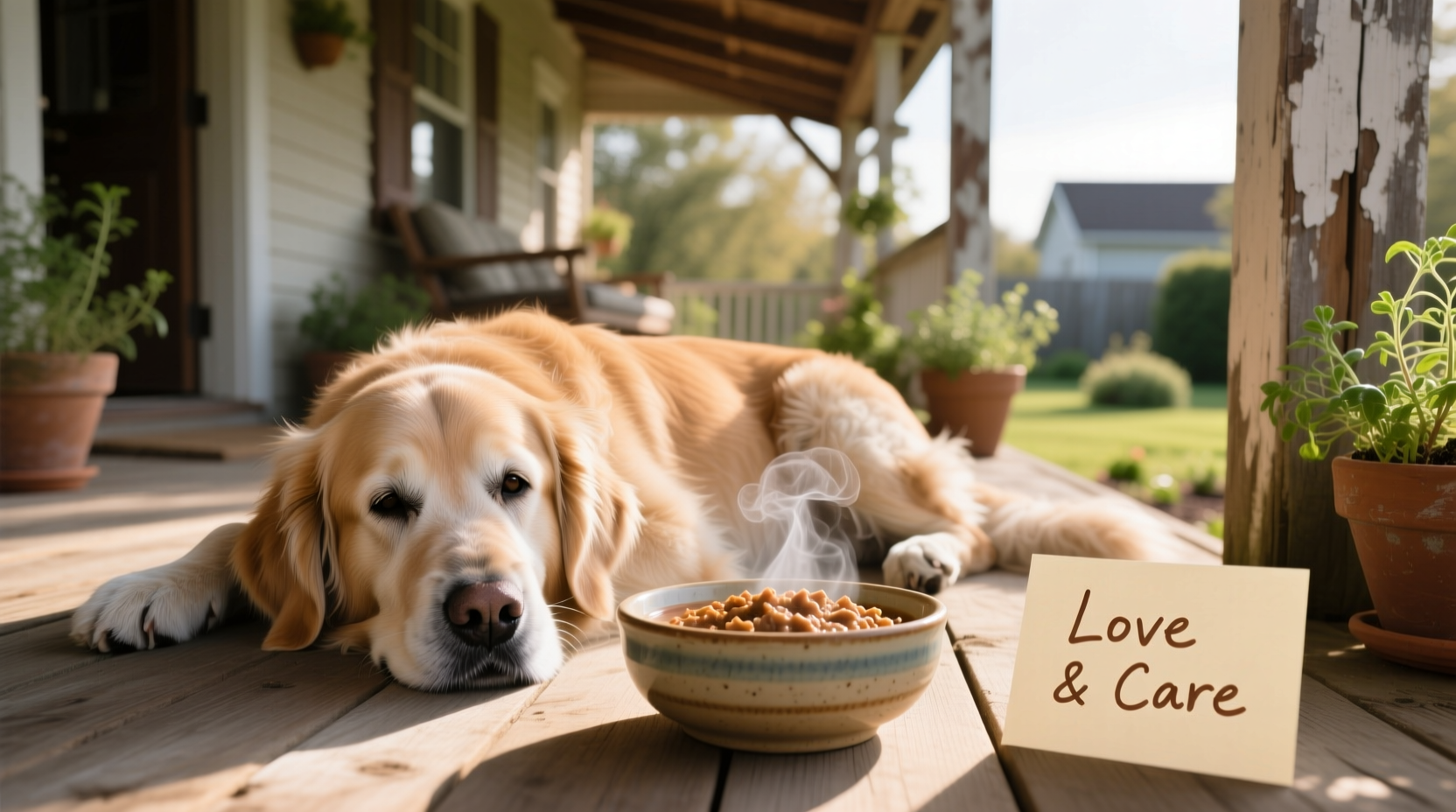
Dogs are typically considered seniors between 7 and 10 years of age, depending on breed and size. Larger breeds tend to age faster than smaller ones. With age come metabolic shifts: reduced muscle mass, slower digestion, diminished immune response, and increased risk of chronic conditions like arthritis, kidney disease, and diabetes.
The digestive system becomes less efficient, meaning nutrients may not be absorbed as well. Joint inflammation can reduce mobility, leading to lower calorie expenditure. At the same time, cognitive decline—similar to dementia in humans—can affect appetite and feeding behaviors.
Nutrition plays a pivotal role in mitigating these challenges. The goal is not to reverse aging but to support optimal function through carefully chosen ingredients and feeding practices that reduce strain on aging organs while providing essential nourishment.
“Senior dogs don’t just need less food—they need better food. Quality over quantity becomes the guiding principle.” — Dr. Lena Reyes, Veterinary Nutritionist
Key Nutritional Adjustments for Senior Dogs
Transitioning to a senior-appropriate diet doesn’t mean simply switching brands. It requires understanding what nutrients matter most and why. Below are core components of gentle nutrition tailored to older dogs:
- High-quality, easily digestible protein: Supports muscle maintenance without overburdening kidneys. Look for animal-based proteins like chicken, fish, or egg.
- Moderate fat levels: Slightly reduced fat helps manage weight, but essential fatty acids (like omega-3s) should remain present to support skin, coat, and brain health.
- Fiber for gut health: Soluble fiber aids digestion and helps regulate blood sugar, especially important for dogs with metabolic concerns.
- Joint-support compounds: Glucosamine, chondroitin, and green-lipped mussel extract help cushion joints and reduce inflammation.
- Antioxidants: Vitamins E and C, along with selenium, combat oxidative stress linked to cognitive decline and weakened immunity.
Gentle Feeding Practices for Long-Term Wellness
Beyond ingredient selection, how you feed your senior dog matters. Routine, portion control, and meal format all influence comfort and nutrient absorption.
Smaller, More Frequent Meals
Aging dogs often have reduced stomach capacity and slower gastric emptying. Dividing daily intake into two or three smaller meals improves digestion and prevents bloating. This also helps stabilize energy levels throughout the day.
Elevated Bowls for Comfort
Dogs with arthritis or spinal issues may struggle to eat from floor-level bowls. Using an elevated feeder reduces neck strain and makes mealtimes more comfortable, encouraging consistent eating habits.
Hydration Support
Dehydration is a common issue in senior dogs due to decreased thirst drive and reduced kidney efficiency. Incorporate moisture-rich foods like canned diets or add warm water or low-sodium bone broth to dry kibble. Always ensure fresh water is available.
Avoid Over-Supplementation
While supplements can be beneficial, more isn’t always better. Excessive calcium, vitamin D, or joint additives can accumulate and cause harm. Always consult your veterinarian before starting any supplement regimen.
Do’s and Don’ts of Senior Dog Nutrition
| Do’s | Don’ts |
|---|---|
| Choose diets labeled “for senior dogs” or “adult maintenance” with balanced nutrient profiles | Feed high-calorie puppy or performance formulas unless medically indicated |
| Monitor body condition regularly using a scoring chart | Rely solely on package feeding guidelines—adjust based on activity and metabolism |
| Add probiotics or prebiotic fibers to support gut microbiome | Offer table scraps high in fat, salt, or seasonings |
| Warm food slightly to enhance aroma and appeal for dogs with reduced sense of smell | Make sudden dietary changes without transition periods |
| Schedule biannual vet checkups including blood work | Ignore signs of dental pain during meals |
Real-Life Example: Max’s Turnaround at Age 11
Max, a 11-year-old Labrador Retriever, had become increasingly lethargic and overweight despite eating the same food he’d consumed for years. His owner noticed he was reluctant to climb stairs and sometimes skipped meals. A veterinary exam revealed mild kidney values elevation and early osteoarthritis.
Instead of jumping to prescription diets immediately, Max’s vet recommended a gentle shift: transitioning to a senior formula with controlled phosphorus, adding a daily glucosamine-chondroitin supplement, and splitting his food into two warmed meals served in an elevated bowl. Within six weeks, Max regained interest in eating, lost excess weight, and resumed short walks with improved enthusiasm.
This case illustrates how subtle, individualized changes—rooted in observation and professional guidance—can yield meaningful improvements without aggressive interventions.
Step-by-Step Guide to Transitioning Your Dog’s Diet
- Assess current condition: Use a body condition score chart and note energy levels, stool quality, and appetite trends.
- Consult your veterinarian: Request bloodwork to evaluate organ function and rule out underlying conditions.
- Select a new food: Choose one formulated for senior dogs with moderate protein, healthy fats, and joint or kidney support if needed.
- Begin gradual transition: Mix 25% new food with 75% old for 3 days, then increase to 50/50 for another 3–4 days.
- Reach full transition: After 7–10 days, feed 100% of the new diet.
- Monitor closely: Watch for changes in energy, stool, weight, and behavior. Adjust portions as needed.
- Re-evaluate every 6 months: Reassess with your vet to ensure ongoing appropriateness of the diet.
Frequently Asked Questions
Can I feed my senior dog homemade food?
Yes, but only if the recipe is balanced and developed with veterinary input. Homemade diets often lack essential minerals like calcium or contain incorrect nutrient ratios, which can be harmful over time. If preparing meals at home, consider working with a certified veterinary nutritionist to formulate a complete diet.
My older dog has lost interest in food. What can I do?
First, rule out medical causes such as dental disease or gastrointestinal discomfort. Then try warming the food, adding a small amount of low-sodium broth, or mixing in plain cooked pumpkin or shredded chicken. Avoid force-feeding; instead, focus on making meals appealing and stress-free.
Should I switch to grain-free food for my aging dog?
Not necessarily. There’s no evidence that grain-free diets benefit most senior dogs. In fact, some grain-free formulas have been linked to heart issues in certain breeds. Whole grains like brown rice and oats provide valuable fiber and energy. Unless your dog has a diagnosed grain allergy, there’s no need to eliminate them.
Final Thoughts: Nourish with Care, Not Force
Gentle nutrition is not a trend—it’s a philosophy rooted in respect for the aging process. By adjusting what and how we feed, we give senior dogs the best chance at comfort, mobility, and mental clarity in their later years. Small, consistent actions—like monitoring weight, choosing high-digestibility foods, and maintaining routine vet care—add up to a significantly improved quality of life.
💬 Your dog’s journey is unique. Have you made dietary changes that improved their well-being? Share your experience in the comments—your insights could help another pet parent navigate their senior dog’s needs.








