When you're sick with the flu, your body needs rest more than ever. Yet one of the most frustrating aspects of influenza isn't just the fever or cough—it's the inability to sleep. You're exhausted, your body aches, but instead of drifting off, you're lying awake, staring at the ceiling, wondering why rest feels impossible. This common experience is more than just discomfort; it's a physiological response to infection that disrupts your natural sleep cycle. Understanding the connection between the flu and sleep disruption is the first step toward reclaiming restful nights and supporting a faster recovery.
The Science Behind Flu and Sleep Disruption
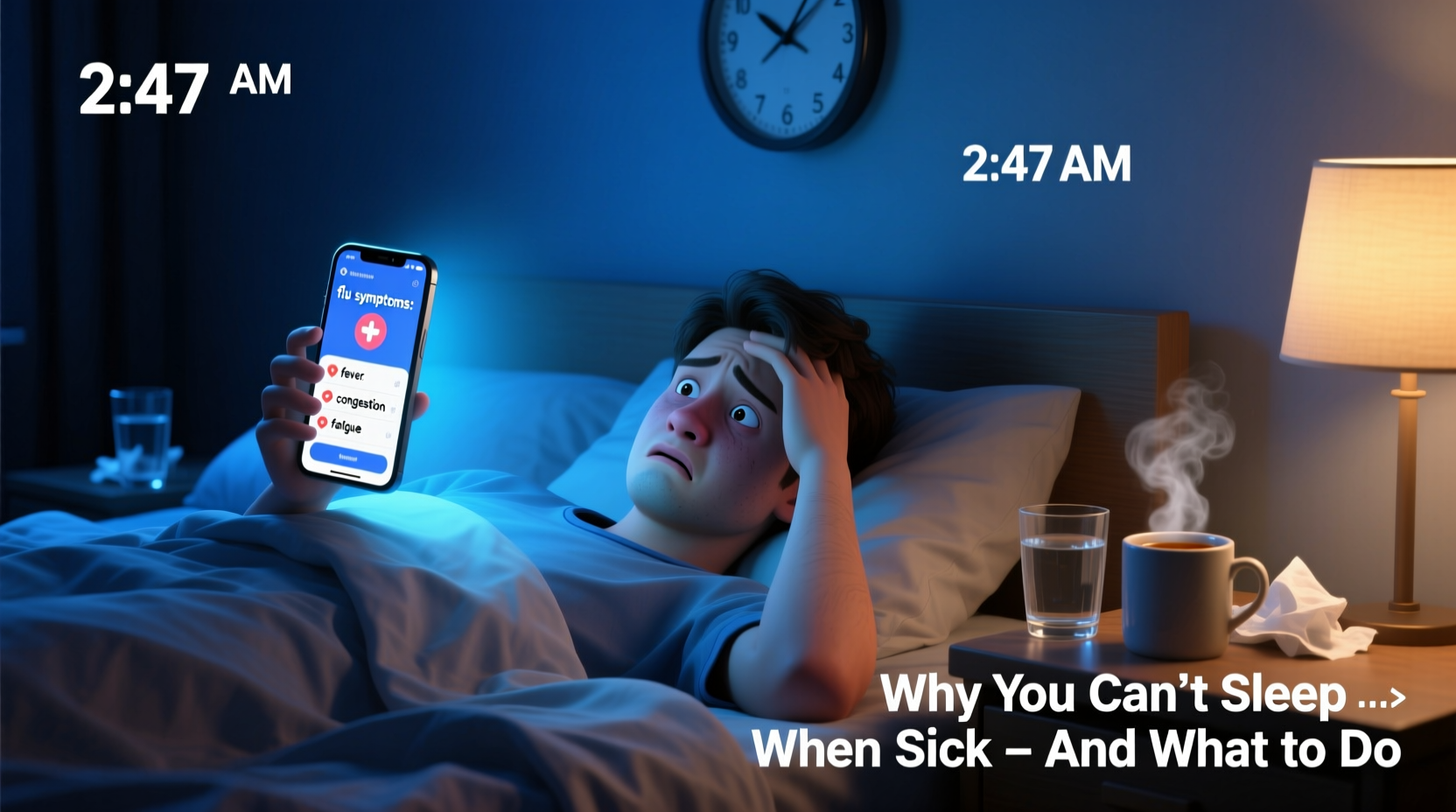
Influenza triggers a complex immune response involving cytokines—proteins released by immune cells to fight infection. While essential for recovery, certain pro-inflammatory cytokines like interleukin-1 (IL-1) and tumor necrosis factor (TNF) interfere with normal sleep regulation. These same molecules promote non-rapid eye movement (NREM) sleep during mild illness, but when the immune response becomes intense—as in full-blown flu—they can overstimulate the brain and lead to fragmented, restless sleep.
Fever is another major culprit. Elevated body temperature alters the circadian rhythm, making it harder to fall asleep and stay asleep. The hypothalamus, which regulates both body temperature and sleep, becomes overloaded, disrupting its usual coordination. Night sweats from fever spikes further interrupt sleep cycles, often waking you mid-cycle.
“During acute viral infections like the flu, the body’s inflammatory signals can paradoxically both promote sleepiness and prevent restorative sleep.” — Dr. Lena Patel, Sleep and Immunology Researcher, Johns Hopkins Medicine
Physical Symptoms That Keep You Awake
The flu presents multiple physical barriers to quality sleep:
- Nasal congestion: Blocked airways force mouth breathing, leading to dry throat, coughing, and increased snoring.
- Coughing: Persistent, often dry or chesty coughs worsen at night due to mucus drainage and lying flat.
- Muscle aches and headaches: Inflammatory responses cause widespread pain, making it difficult to find a comfortable position.
- Sore throat: Swallowing becomes painful, and even breathing through the mouth aggravates irritation.
- Gastrointestinal issues: Some flu strains cause nausea or vomiting, especially in children, increasing nighttime awakenings.
What You Can Do: A Step-by-Step Guide to Better Sleep During the Flu
While you can’t eliminate the flu overnight, you can take deliberate steps to improve sleep quality and support healing.
- Control fever before bedtime: Take acetaminophen or ibuprofen as directed to reduce fever and relieve aches. Avoid aspirin in children due to Reye’s syndrome risk.
- Clear nasal passages: Use saline sprays or rinses (like a neti pot) before bed. Consider a decongestant if approved by your doctor—short-term use only.
- Stay hydrated: Sip water throughout the day and keep a glass by your bed. Dehydration thickens mucus and worsens congestion.
- Create a rest-friendly environment: Keep the room cool (60–67°F), dark, and quiet. Use a humidifier to moisten dry air and soothe irritated airways.
- Use cough suppressants wisely: Dextromethorphan-based syrups can reduce nighttime coughing, but avoid them if you’re producing thick mucus—coughing helps clear lungs.
- Wear breathable clothing: Opt for moisture-wicking fabrics to manage night sweats and maintain comfort.
- Limit screen time before bed: Blue light suppresses melatonin. Read a book or listen to calming audio instead.
Do’s and Don’ts When Trying to Sleep With the Flu
| Do’s | Don’ts |
|---|---|
| Drink warm herbal tea (e.g., chamomile, ginger) before bed | Consume caffeine after noon |
| Use a HEPA air purifier to reduce airborne irritants | Smoke or vape—even if you don’t normally |
| Take prescribed antivirals like oseltamivir (Tamiflu) early | Overuse OTC decongestants beyond 3 days |
| Change bedding frequently if sweating heavily | Ignore warning signs like difficulty breathing |
| Practice gentle breathing exercises to calm nerves | Engage in mentally stimulating activities in bed |
Real Example: Recovering Sleep During a Severe Flu
Sarah, a 34-year-old teacher, came down with a sudden case of influenza A during flu season. Despite being exhausted, she couldn’t sleep for three consecutive nights due to high fever, chills, and a relentless dry cough. After consulting her nurse hotline, she implemented a structured bedtime routine: she took ibuprofen two hours before bed, used a saline nasal rinse, ran a cool-mist humidifier, and sipped warm lemon water with honey. She also elevated her upper body with two pillows. By the third night, her fever had broken, and she was able to achieve four hours of uninterrupted sleep. “I didn’t realize how much my room setup was making things worse,” she said later. “Once I treated the environment like part of my treatment plan, I started recovering faster.”
Checklist: Optimize Your Bedroom for Flu Recovery Sleep
- ✅ Adjust room temperature to 65°F (18°C)
- ✅ Run a humidifier with clean water
- ✅ Place tissues, water, and medications within reach
- ✅ Use hypoallergenic pillow covers to reduce irritation
- ✅ Wash sheets daily if sweating heavily
- ✅ Install blackout curtains or use an eye mask
- ✅ Keep phone on silent with blue light filter enabled
FAQ: Common Questions About Flu and Sleep
Can the flu permanently damage my sleep patterns?
No, flu-related sleep disturbances are temporary. Most people return to normal sleep within 1–2 weeks after recovery. However, prolonged insomnia after illness may indicate post-viral fatigue or stress and should be evaluated by a healthcare provider.
Is it okay to take sleeping pills when I have the flu?
Generally not recommended without medical supervision. Over-the-counter sleep aids like diphenhydramine can thicken mucus and dry out airways, worsening congestion. Prescription sedatives may suppress respiratory function, especially if you have a chest infection. Focus on natural sleep support unless advised otherwise.
Why do I feel more tired during the day even after sleeping?
Flu disrupts deep REM and slow-wave sleep, so even if you’re in bed for eight hours, the quality is poor. This leads to non-restorative sleep. As inflammation decreases, sleep architecture gradually returns to normal.
Conclusion: Prioritize Rest as Part of Healing
Sleep isn’t a luxury when you have the flu—it’s a critical component of recovery. Your immune system relies on rest to produce cytokines, repair tissue, and strengthen defenses. When insomnia strikes during illness, treat it as seriously as any other symptom. Small changes in medication timing, room setup, hydration, and breathing techniques can make a significant difference in your ability to rest. Listen to your body, create optimal conditions for healing, and give yourself permission to slow down completely.
💬 You’re not alone in the struggle to sleep while sick. Share your own tips or experiences in the comments—your insight could help someone else get their first good night’s rest during flu season.








