Artificial nails offer a polished, durable look that enhances confidence and style. Whether you prefer acrylics, gels, or dip powder, their appearance and lifespan depend heavily on proper maintenance. Too often, people focus only on application, neglecting the aftercare that preserves both the extension and the natural nail underneath. Poor upkeep can lead to lifting, breakage, infections, or long-term nail damage. This guide delivers actionable strategies from industry professionals to help you extend wear time, prevent complications, and support healthy nail regrowth.
Understanding Your Nail Type and Its Needs
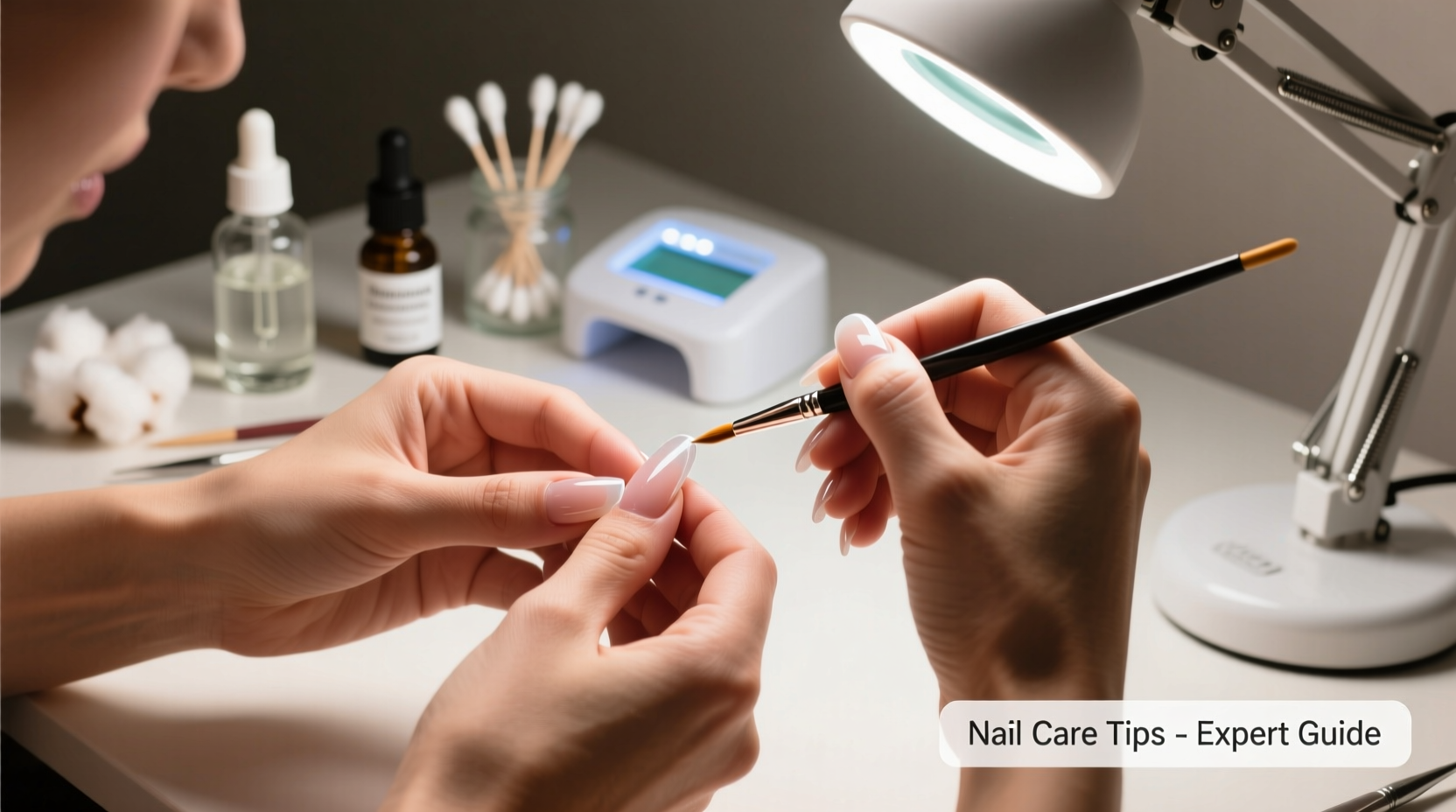
Not all artificial nails are created equal. Each type—acrylic, gel, dip powder, and press-ons—reacts differently to moisture, trauma, and daily habits. Knowing your material is the first step in effective maintenance.
| Nail Type | Lifespan (with care) | Key Vulnerability | Care Priority |
|---|---|---|---|
| Acrylic | 3–4 weeks | Lifting at cuticle | Moisture control & filing |
| Gel | 2–3 weeks | Chipping at tips | Gentle removal & UV protection |
| Dip Powder | 4+ weeks | Over-thickening | Even layering & buffing |
| Press-Ons | 1–2 weeks | Adhesive failure | Surface prep & sealant use |
For instance, acrylics are strongest but prone to water absorption if not sealed properly. Gels are flexible but sensitive to UV exposure and improper curing. Dip powders last longer but require careful filing to avoid weakening the natural nail. Press-ons demand meticulous surface cleaning for adhesion. Matching your care routine to your nail type prevents premature failure.
Tip: Always inform your technician about your lifestyle—frequent typing, dishwashing, or gym workouts—to customize your application and product choice.Daily Habits That Extend Wear Time
Longevity begins with behavior. Artificial nails aren’t indestructible, and everyday actions can shorten their life significantly. Simple adjustments in routine make a measurable difference.
- Wear gloves during wet work: Washing dishes, cleaning, or swimming exposes nails to prolonged moisture, which causes lifting and bacterial growth underneath.
- Avoid using nails as tools: Opening packages, scratching surfaces, or picking at skin increases the risk of snagging or breaking.
- Apply cuticle oil daily: Hydration prevents dryness, reduces lifting, and supports natural nail flexibility. Use jojoba or vitamin E oil twice a day.
- Keep nails short for active lifestyles: Longer nails catch more easily and place stress on the nail bed. Opt for squoval or almond shapes for balance.
“Daily oiling isn’t just cosmetic—it creates a moisture barrier that protects against separation and fungal entry.” — Dr. Lena Torres, Cosmetic Dermatologist
Step-by-Step: At-Home Maintenance Routine (Weekly)
A structured weekly checkup keeps issues from escalating. Follow this timeline to maintain integrity between salon visits:
- Day 1 – Cleanse: Wash hands with mild soap and a soft nail brush. Focus on the cuticle area and underside of the free edge to remove debris.
- Day 2 – Inspect: Look for signs of lifting, discoloration, or sharp edges. Use a magnifying mirror if needed.
- Day 3 – Moisturize: Apply cuticle oil with a dropper, massage into the nail fold, and wipe excess. Follow with a light hand cream.
- Day 5 – Smooth Edges: Use a 180-grit file to gently round any rough spots. Never saw back and forth—file in one direction only.
- Day 7 – Seal (optional): If using press-ons or noticing slight thinning, apply a clear top coat to reinforce strength and shine.
This rhythm prevents small problems from becoming major repairs. Catching a lifted edge early allows for touch-up rather than full redo.
Common Mistakes and How to Avoid Them
Even experienced wearers fall into damaging patterns. These pitfalls compromise both aesthetics and nail health:
- Picking or peeling off nails: This rips layers of the natural nail along with the extension, leading to thinning and sensitivity.
- Skipping infills: Waiting too long between fills causes uneven weight distribution, increasing breakage risk.
- Using acetone-based removers daily: Acetone dries out natural nails and surrounding skin. Reserve it for removal only.
- Ignoring discomfort: Pain, heat sensation, or odor under the nail may indicate infection or allergic reaction—seek professional help immediately.
Mini Case Study: Recovering from Over-Wearing Acrylics
Sarah, a 32-year-old administrative assistant, wore acrylics continuously for over two years without breaks. After repeated infills and occasional DIY removals, her natural nails became paper-thin, yellowed, and extremely sensitive. She visited a dermatologist who diagnosed onycholysis (nail separation) and advised a six-month nail recovery plan.
Her regimen included:
- Complete break from enhancements
- Twice-daily application of biotin-enriched nail serum
- Wearing cotton-lined gloves for household tasks
- Monthly consultations with a certified nail technician
Within four months, Sarah’s nail plate thickness improved by 60%, and she resumed wearing gel extensions—with scheduled three-week breaks every eight months. Her experience underscores the importance of rest cycles and professional oversight.
Checklist: Healthy Artificial Nail Maintenance
Use this checklist monthly to ensure optimal condition:
- ✅ Nails are clean and free of greenish or black discoloration
- ✅ No lifting or gaps between the extension and natural nail
- ✅ Cuticles are hydrated and not peeling
- ✅ Filing is even, with no jagged edges
- ✅ No pain, tenderness, or swelling around the nail
- ✅ Last fill was within recommended timeframe (2–3 weeks)
- ✅ Hands are moisturized daily, especially after washing
Frequently Asked Questions
How often should I get my artificial nails filled?
Most professionals recommend a fill every 2–3 weeks. This interval aligns with average natural nail growth (2–3 mm per month), preventing excessive gaps that trap bacteria and increase breakage risk.
Can I still strengthen my natural nails while wearing extensions?
Yes. Apply nail-strengthening treatments like calcium hardeners or peptide serums to the visible portion of your natural nail and the underside of the extension. Avoid thick coatings that interfere with adhesion during refills.
What’s the safest way to remove artificial nails at home?
While professional removal is ideal, if done at home, follow these steps: File down the top layer to break the seal, soak cotton pads in pure acetone, wrap each nail in foil for 15 minutes, then gently push off residue with an orangewood stick. Never scrape or force the material off.
Final Thoughts: Balance Beauty with Nail Health
Artificial nails are a form of self-expression, but they shouldn’t come at the cost of long-term nail integrity. With consistent care, informed choices, and respect for your body’s signals, you can enjoy flawless nails without sacrificing health. Prioritize hydration, protect against trauma, and listen to your nails when they show signs of stress. A well-maintained set not only lasts longer but also supports stronger, more resilient natural nails beneath.
💬 Have a tip or experience with artificial nail care? Share your story in the comments and help others maintain beautiful, healthy nails.








