Leaving your dog behind while you travel doesn’t mean compromising their health or happiness. One of the most critical aspects of pet care during your absence is maintaining a consistent, nutritious feeding routine. Dogs thrive on predictability, and disruptions in meal timing or diet can lead to stress, digestive issues, or behavioral changes. Whether you’re gone for a weekend or several weeks, planning ahead ensures your dog stays nourished, calm, and well-cared for.
Understand Your Dog’s Nutritional Needs
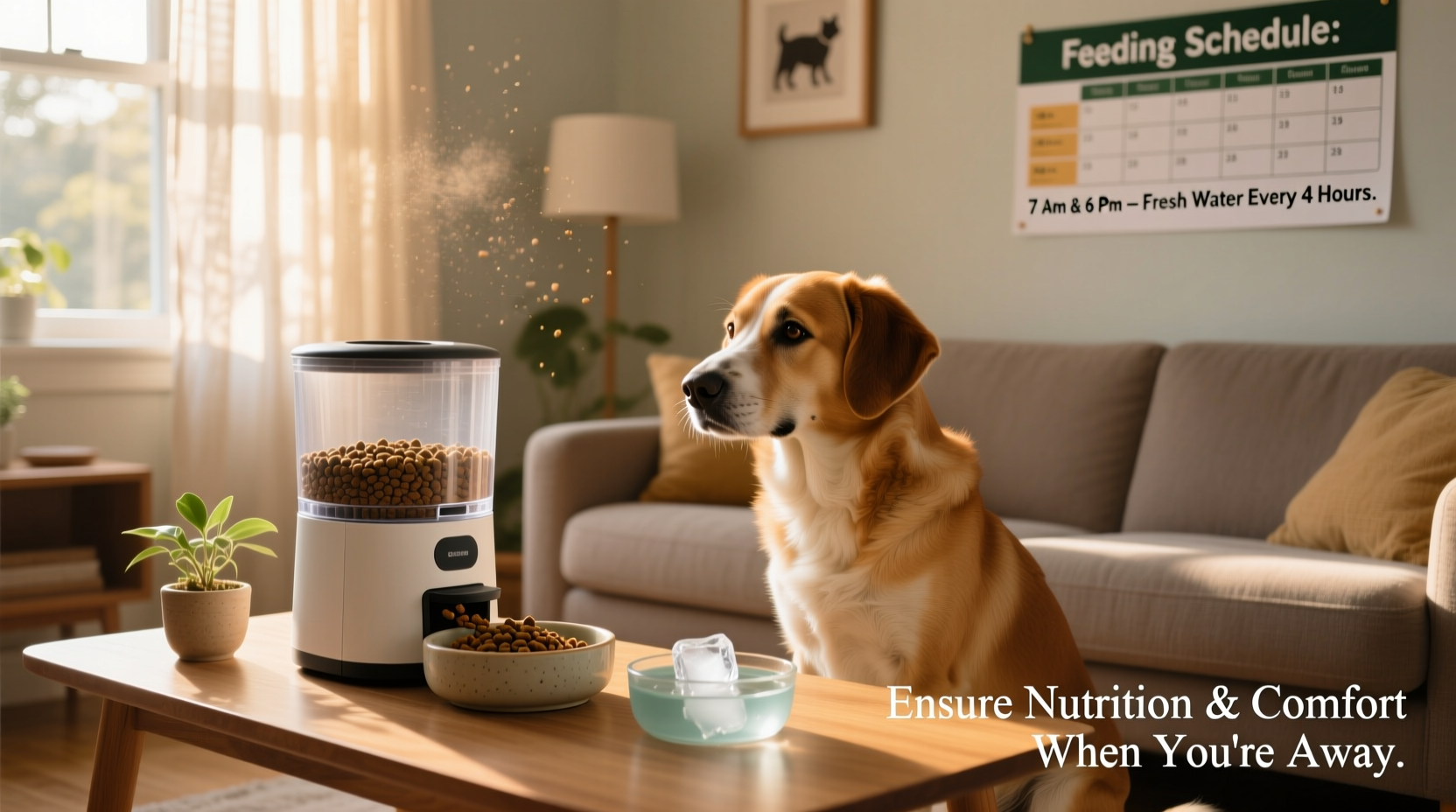
Dogs require balanced diets rich in protein, healthy fats, fiber, vitamins, and minerals. The exact needs vary by age, breed, size, and activity level. Puppies need more frequent meals and higher caloric intake for growth, while senior dogs may benefit from joint-supporting ingredients and easier-to-digest formulas. When you're away, it's essential that whoever feeds your dog understands these requirements.
Feeding inappropriate food—even as a temporary substitute—can cause gastrointestinal upset. Stick to your dog’s regular brand and formulation unless otherwise advised by a veterinarian. Sudden dietary changes should be avoided; if a switch is necessary, it must be gradual and monitored.
“Consistency in diet and feeding times is just as important as the food itself. A disrupted routine can trigger anxiety and physical discomfort in dogs.” — Dr. Lena Patel, Veterinary Behaviorist
Create a Detailed Feeding Plan
A clear, written feeding plan eliminates guesswork and ensures your dog receives the right amount of food at the right times. This plan should include:
- Exact meal times (e.g., 7:00 AM and 6:00 PM)
- Portion sizes for each meal
- Type of food (brand, flavor, dry vs. wet)
- Instructions for administering supplements or medications
- Special dietary restrictions or allergies
- Water refill schedule
Step-by-Step Guide to Preparing a Feeding Plan
- Consult your vet to confirm your dog’s current nutritional needs, especially if they have medical conditions.
- Choose a caregiver—a trusted friend, family member, or professional pet sitter—and review the feeding plan with them in person.
- Prep meals in advance if possible. Portion out daily servings and store them in labeled containers.
- Include backup instructions for emergencies, such as whom to contact if your dog refuses food or shows signs of illness.
- Test the setup before you leave. Have the caregiver feed your dog once under your supervision.
Leverage Technology for Remote Monitoring
Modern pet tech makes it easier than ever to stay involved in your dog’s care, even from afar. Automated feeders with Wi-Fi connectivity allow you to schedule meals, dispense food remotely via an app, and even monitor your dog through built-in cameras.
Some advanced models send alerts if a meal is skipped or if the feeder runs low on food. While not a replacement for human supervision, these tools provide peace of mind and help maintain consistency.
| Device Type | Best For | Limitations |
|---|---|---|
| Wi-Fi Smart Feeder | Solo pets with strict schedules | May jam with moist or large kibble |
| Camera + Treat Dispenser | Dogs needing interaction | Doesn’t replace full meals |
| Timed Dry Food Dispenser | Short absences, budget-friendly option | No remote control or monitoring |
Choosing the Right Caregiver or Service
Whether you hire a pet sitter or rely on a neighbor, the person feeding your dog should be reliable, attentive, and familiar with basic canine care. Professional sitters often provide detailed logs of feeding, bathroom breaks, and behavior—valuable information for longer trips.
If using a boarding facility, inspect their feeding protocols. Ask about food storage, meal timing, and whether they accommodate special diets. Reputable facilities will welcome your questions and allow you to bring your dog��s regular food.
Tip: Provide printed feeding instructions and save digital copies in a shared cloud folder accessible to all caregivers.Mini Case Study: How Sarah Ensured Her Dog Ate Well During a Two-Week Trip
Sarah, a remote worker, planned a two-week vacation and didn’t want to board her 5-year-old Labrador, Max. She hired a certified pet sitter who visited twice daily. Before leaving, Sarah pre-portioned Max’s meals into labeled silicone containers, included a laminated feeding chart on the fridge, and set up a smart feeder as a backup for morning meals. She also shared a video tutorial with the sitter showing Max’s routine.
The sitter sent daily updates, including photos of clean bowls and happy walks. Max maintained his weight and energy levels, and Sarah returned to a stress-free reunion. The key? Preparation, communication, and redundancy.
Common Feeding Mistakes to Avoid
Even well-meaning caregivers can make errors that impact your dog’s health. Be aware of these common pitfalls:
- Free-feeding without portion control: Leads to overeating and obesity.
- Using unfamiliar treats or table scraps: Can cause vomiting, diarrhea, or pancreatitis.
- Ignoring water intake: Dehydration is a serious risk, especially in warm climates.
- Skipping meals due to schedule conflicts: Disrupts digestion and increases anxiety.
- Failing to recognize signs of illness: Loss of appetite, lethargy, or vomiting require immediate attention.
“Dogs are creatures of habit. A missed meal or sudden change in diet can be as stressful as a change in environment.” — Carlos Mendez, Certified Pet Nutrition Consultant
Emergency Preparedness Checklist
Unexpected situations happen. Ensure your dog’s feeding continuity with this checklist:
- ✅ Leave multiple days’ worth of pre-portioned meals in accessible locations
- ✅ Provide emergency contact numbers (your vet, local animal hospital, poison control)
- ✅ Share details of any prescription diets or medications
- ✅ Include a list of food sensitivities or allergens
- ✅ Set up automatic delivery of food if your trip extends
- ✅ Equip caregiver with a first-aid kit and basic instructions
FAQ
Can I leave my dog with an automatic feeder only?
For short absences (up to 48 hours), a high-quality smart feeder may suffice for healthy dogs. However, for longer periods, human oversight is essential to monitor appetite, hydration, and overall well-being.
What if my dog stops eating while I’m away?
Loss of appetite can signal stress, illness, or dissatisfaction with the feeding setup. Caregivers should check for other symptoms (vomiting, diarrhea, lethargy) and contact your veterinarian if the dog skips more than one meal.
Should I change my dog’s diet before traveling?
No. Introduce any new food at least two weeks before your trip to allow for adjustment. Travel is already disruptive; avoid compounding stress with dietary changes.
Final Thoughts: Prioritize Consistency and Communication
Your dog’s feeding routine is a cornerstone of their physical and emotional well-being. When you're away, the responsibility shifts—but with thoughtful planning, technology, and trusted support, you can ensure your dog remains healthy and comfortable. Invest time in preparation, communicate clearly with caregivers, and use tools that enhance reliability. A well-fed dog is a happy dog, and peace of mind starts with a solid plan.
💬 Have a tip for keeping your dog fed and happy during travel? Share your experience in the comments and help fellow pet owners prepare with confidence!