Aromatherapy has become a cornerstone of modern wellness, offering calming scents, improved air quality, and emotional balance. For many households, diffusing essential oils is a daily ritual. But if you share your home with a dog, this practice demands caution. Dogs have highly sensitive olfactory systems—up to 100,000 times more acute than humans—and certain essential oils can be toxic when inhaled or absorbed through the skin. The good news? It’s entirely possible to enjoy the benefits of aromatherapy while keeping your canine companion safe. With careful selection, proper dilution, and mindful usage, you can create a harmonious, pet-friendly environment that nurtures both you and your dog.
Understanding Canine Sensitivity to Essential Oils
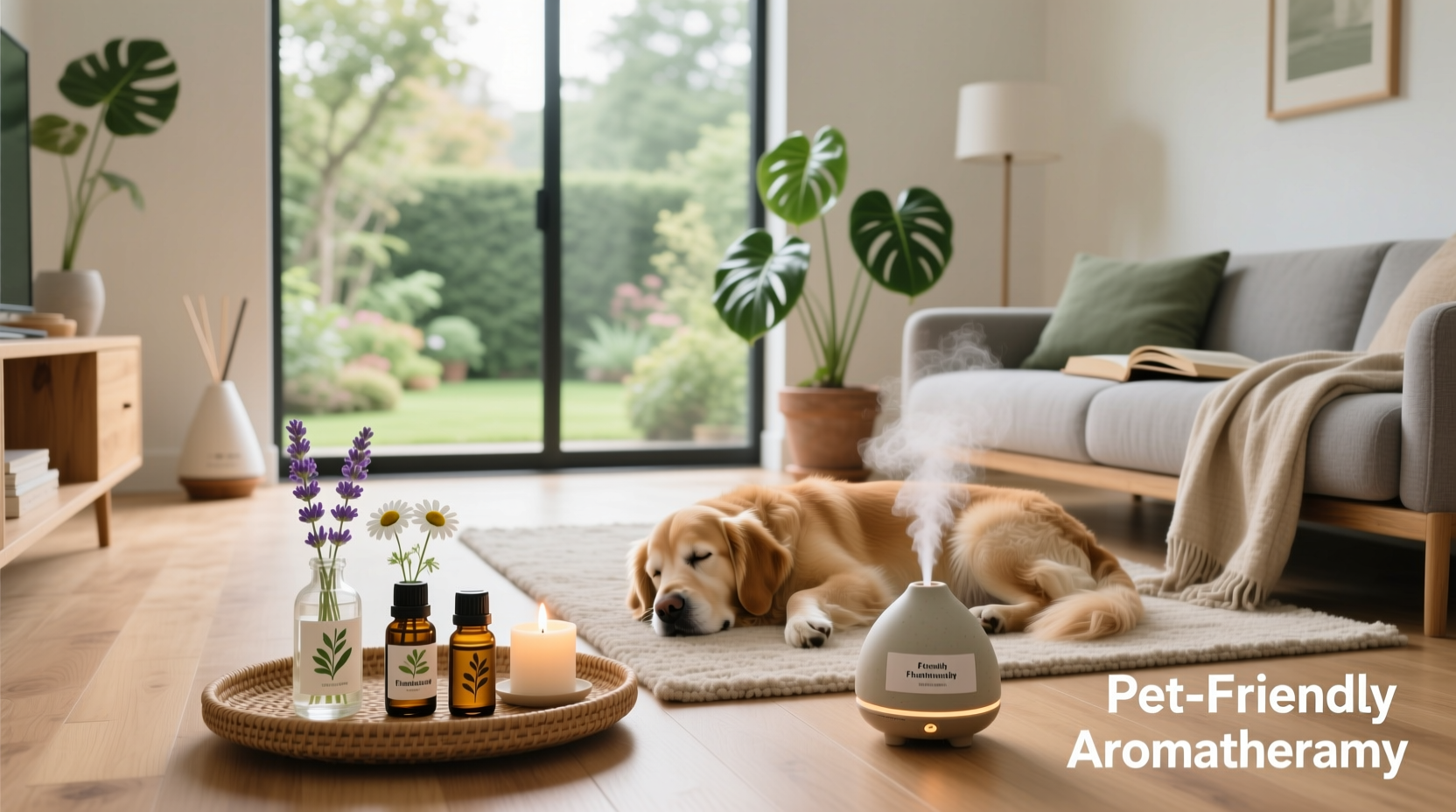
Dogs experience scent on an entirely different level than humans. Their nasal cavity contains around 300 million olfactory receptors, compared to our mere 6 million. This heightened sensitivity means that even low concentrations of strong essential oils can overwhelm their system. Additionally, dogs metabolize compounds differently. Phenols and terpenes—common components in many essential oils—are processed less efficiently by a dog’s liver, increasing the risk of toxicity.
Symptoms of essential oil exposure in dogs include coughing, labored breathing, lethargy, drooling, tremors, and even liver damage in severe cases. These reactions are most common with oils like tea tree, eucalyptus, cinnamon, citrus (especially d-limonene), pine, and ylang-ylang. However, not all essential oils are off-limits. Some are gentle enough to use safely when properly diluted and diffused in well-ventilated areas.
Tip: Always diffuse essential oils in a room your dog can leave freely. Never confine them in a space with active diffusion.Essential Oils That Are Safe for Dogs
While many essential oils pose risks, several are considered safe for use around dogs when used appropriately. These oils typically have mild aromatic profiles and lower concentrations of volatile compounds that could irritate or harm pets.
- Lavender – Known for its calming properties, lavender oil can help reduce anxiety in both humans and dogs. Studies suggest it may lower heart rate and promote relaxation during stressful events like thunderstorms or fireworks.
- Chamomile (Roman) – Gentle and soothing, chamomile supports emotional balance and can ease restlessness in nervous dogs.
- Frankincense – With anti-inflammatory and grounding qualities, frankincense is often used in holistic pet care for respiratory and immune support.
- Myrrh – Often paired with frankincense, myrrh has antimicrobial properties and is generally well-tolerated when diffused at low levels.
- Coconut oil (carrier oil) – Though not an essential oil, coconut oil is a safe base for topical applications if you choose to blend oils for massage or paw balm (always consult your vet first).
“Lavender and chamomile, when used in low concentrations via intermittent diffusion, can provide environmental enrichment for anxious dogs without adverse effects.” — Dr. Karen Becker, Integrative Veterinarian
How to Use Essential Oils Safely Around Dogs
Safety hinges on three key principles: dilution, duration, and distance. Even safe oils can become harmful if misused. Follow these guidelines to maintain a pet-friendly aromatherapy routine.
1. Choose the Right Diffuser
Ultrasonic diffusers are preferable because they disperse a fine mist rather than heating the oil, preserving its chemical integrity and reducing concentration. Avoid heat-based or nebulizing diffusers, which release higher concentrations into the air.
2. Limit Diffusion Time
Use intermittent diffusion: 15–30 minutes on, followed by several hours off. Continuous diffusion increases the risk of respiratory irritation. Never run a diffuser overnight or when you’re not home to monitor your pet.
3. Ensure Proper Ventilation
Always diffuse in a large, open room with airflow. Keep doors open so your dog can walk away if the scent becomes overwhelming. Avoid using diffusers in small, enclosed spaces like bathrooms or closets.
4. Never Apply Undiluted Oils Topically
Even oils considered safe should never be applied directly to a dog’s skin. If using topically (e.g., in a vet-approved product), dilute to 0.5–1% concentration in a carrier oil. A typical safe ratio is one drop of essential oil per tablespoon of carrier oil like fractionated coconut oil.
5. Watch for Signs of Discomfort
Monitor your dog closely during and after diffusion. Signs of distress include sneezing, panting, hiding, excessive licking, or leaving the room abruptly. If observed, turn off the diffuser immediately and ventilate the area.
Tip: Introduce new oils gradually. Start with 5 minutes of diffusion and observe your dog’s behavior before increasing duration.Do’s and Don’ts of Pet-Friendly Aromatherapy
| Do’s | Don’ts |
|---|---|
| Use only pet-safe oils like lavender and chamomile | Never use tea tree, eucalyptus, or citrus oils around dogs |
| Dilute oils properly for any topical use | Avoid applying oils near the face, paws, or genitals |
| Diffuse in well-ventilated areas with escape routes | Don’t diffuse in small, enclosed rooms |
| Limit diffusion to 15–30 minutes at a time | Never leave a diffuser running unattended |
| Observe your dog’s behavior during use | Ignore signs of respiratory or neurological distress |
Creating a Pet-Friendly Aromatherapy Routine: A Step-by-Step Guide
Integrating safe aromatherapy into your home doesn’t have to be complicated. Follow this timeline to build a routine that respects your dog’s well-being while enhancing your own wellness.
- Week 1: Research & Preparation
Select one safe oil (e.g., lavender). Purchase a high-quality, therapeutic-grade oil from a reputable brand. Read labels carefully—avoid synthetic additives or alcohol-based carriers. - Week 2: Test in Controlled Environment
Choose a large room where your dog spends time but can exit easily. Run the diffuser for 5 minutes. Observe your dog’s reaction. If there’s no discomfort, extend to 10 minutes the next day. - Week 3: Establish a Schedule
Begin using the oil 2–3 times per week during calm periods (e.g., evening relaxation). Pair diffusion with quiet activities like reading or meditation to reinforce positive associations. - Week 4: Expand Mindfully
After confirming tolerance, consider introducing a second safe oil like chamomile. Alternate oils weekly to prevent sensory overload. - Ongoing: Monitor & Adjust
Continue observing your dog’s behavior. Seasonal changes, illness, or stress may alter sensitivity. Be prepared to pause or modify use as needed.
Real-Life Example: Calming a Storm-Anxious Dog
Sarah, a dog owner in Oregon, struggled each winter with her rescue Border Collie, Max, who would tremble and hide during heavy rainstorms. After consulting her veterinarian, she learned about the calming effects of lavender. She began using a single drop of therapeutic-grade lavender oil in her ultrasonic diffuser, placed in the living room with open access to a quiet bedroom. She ran the diffuser for 15 minutes before storms and kept classical music playing softly in the background.
Within three weeks, Max’s response changed noticeably. Instead of bolting under the bed, he would lie down near Sarah, his breathing slower and muscles relaxed. Sarah emphasized consistency and moderation—never exceeding 20 minutes of diffusion and always giving Max space to retreat. Her approach combined aromatherapy with behavioral conditioning, proving that safe essential oil use can support emotional wellness in pets.
Frequently Asked Questions
Can I use essential oils on my dog’s collar or bedding?
Only if the oil is known to be safe and properly diluted. A few drops of diluted lavender on a bandana or near (not on) bedding may help calm anxious dogs. Never saturate fabric, as prolonged contact can lead to skin irritation or ingestion during grooming.
Are “pet-safe” essential oil blends truly safe?
Not always. Marketing terms like “pet-safe” are not regulated. Always check individual ingredients. Many commercial blends contain unsafe oils masked by appealing names. When in doubt, consult your veterinarian or a veterinary aromatherapist.
What should I do if my dog licks an essential oil?
Contact your veterinarian or the ASPCA Animal Poison Control Center immediately. Do not induce vomiting unless instructed. Bring the oil bottle for identification. Prompt action is critical, especially with oils like tea tree or peppermint.
Checklist: Building a Pet-Safe Aromatherapy Home
- ✅ Identify essential oils that are safe for dogs (e.g., lavender, chamomile)
- ✅ Avoid toxic oils: tea tree, eucalyptus, citrus, cinnamon, pine
- ✅ Invest in an ultrasonic diffuser with timer settings
- ✅ Diffuse only in large, ventilated rooms with escape routes
- ✅ Limit sessions to 15–30 minutes, 2–3 times per week
- ✅ Dilute oils to 0.5–1% for any topical application
- ✅ Monitor your dog’s behavior during and after use
- ✅ Keep oils securely stored out of reach
- ✅ Consult your veterinarian before starting any new regimen
- ✅ Have emergency contacts (vet, poison control) readily available
Final Thoughts: Harmony Through Mindful Practice
Creating a pet-friendly aromatherapy home isn’t about eliminating scent-based wellness—it’s about practicing it responsibly. By choosing safe oils, respecting your dog’s physiology, and maintaining awareness, you can cultivate an environment that supports peace for every member of your household. Aromatherapy, when done right, becomes a shared benefit: a tool for calming nerves, purifying air, and deepening the bond between you and your dog.
💬 Have you successfully used essential oils around your dog? Share your story or tips in the comments—your experience could help another pet parent find balance and safety in their home.








