Sleep is not a luxury—it’s a biological necessity. Yet millions struggle to fall or stay asleep, turning to natural remedies like essential oils for relief. Among the most popular are lavender and chamomile, both celebrated for their calming properties. But when it comes to helping you actually doze off, which one works better? Is one more effective than the other? Or should they be used together? This article dives deep into the science, practical applications, and real-world results of using lavender and chamomile essential oils for sleep.
The Science Behind Aromatherapy and Sleep
Aromatherapy leverages the sense of smell to influence brain function, particularly areas tied to emotion and stress regulation—the amygdala and hippocampus. When inhaled, aromatic compounds from essential oils travel through the olfactory system and interact with neurotransmitters that affect mood and alertness. Two key players in this process are GABA (gamma-aminobutyric acid) and serotonin, both of which help calm neural activity and prepare the body for rest.
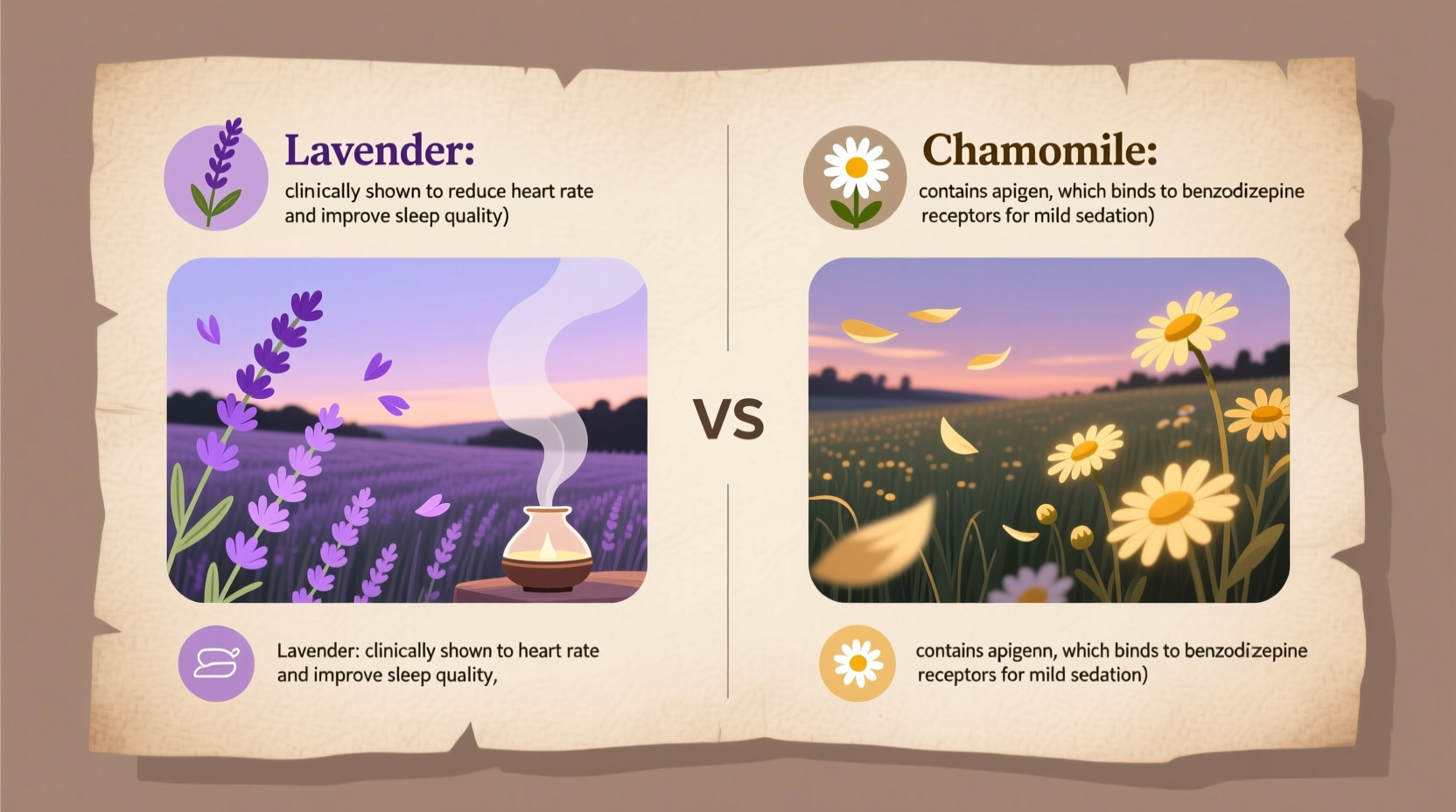
Lavender and chamomile contain active constituents—linalool and linalyl acetate in lavender; apigenin in chamomile—that have demonstrated sedative effects in clinical studies. These compounds bind to GABA receptors, mimicking the action of anti-anxiety medications but without the side effects. However, their mechanisms differ slightly, which may explain variations in effectiveness among users.
Tip: For maximum absorption, inhale essential oils directly from a diffuser or pillow spray rather than applying them undiluted to skin.Lavender Essential Oil: The Gold Standard for Sleep Support
Lavender (Lavandula angustifolia) has long been regarded as the cornerstone of aromatherapy for relaxation and sleep. Its floral, herbaceous scent is instantly recognizable and widely preferred in clinical settings. Multiple peer-reviewed studies support its efficacy in improving sleep quality.
A 2015 meta-analysis published in Phytomedicine reviewed 15 randomized controlled trials involving over 700 participants. It concluded that lavender oil significantly improved subjective sleep quality across diverse populations—from college students to elderly patients with insomnia.
In one notable study, women with postpartum anxiety who inhaled lavender oil twice daily for four weeks reported not only reduced anxiety but also faster sleep onset and fewer nighttime awakenings. Brainwave monitoring in another trial showed increased slow-wave (deep) sleep after just 30 minutes of lavender exposure before bedtime.
The reason lavender works so well lies in its high concentration of linalool, a terpene alcohol known to reduce heart rate and blood pressure while increasing alpha wave activity in the brain—markers of relaxed wakefulness preceding sleep.
“Lavender is one of the few essential oils with consistent, reproducible evidence supporting its use for sleep and anxiety.” — Dr. Alan K. Todd, Clinical Aromatherapist and Neuropharmacology Researcher
Chamomile Essential Oil: Gentle Calm with Subtle Power
While chamomile tea is a household remedy for restlessness, chamomile essential oil is less commonly used—yet equally compelling. Derived from Roman (Chamaemelum nobile) or German chamomile (Matricaria chamomilla), the oil contains apigenin, a flavonoid that binds to benzodiazepine receptors in the brain, producing mild sedative effects.
A 2016 study in the Journal of Advanced Nursing found that postpartum women who inhaled chamomile essential oil for two weeks experienced significantly better sleep efficiency compared to the control group. Though improvements were modest, researchers noted that chamomile was especially effective for those whose sleep issues stemmed from emotional stress or digestive discomfort—a common co-factor in insomnia.
Unlike lavender, chamomile doesn’t induce drowsiness aggressively. Instead, it promotes mental quietude. Users often describe feeling “mentally uncluttered” rather than sleepy, making it ideal for people who lie awake ruminating. Its apple-like, sweet aroma is soothing but polarizing—some find it too earthy or medicinal.
One limitation: true chamomile essential oil is expensive and often adulterated. Many commercial products labeled “chamomile” contain synthetic fragrances or carrier oils with minimal active compounds. For therapeutic benefits, opt for steam-distilled Roman chamomile oil from reputable suppliers.
Direct Comparison: Lavender vs Chamomile for Sleep
To determine which oil is more effective at helping you fall asleep, several factors must be weighed: speed of action, strength of effect, safety, and user preference. Below is a detailed comparison based on clinical data and anecdotal reports.
| Factor | Lavender | Chamomile |
|---|---|---|
| Onset of Action | 10–20 minutes (fast-acting) | 20–30 minutes (gradual effect) |
| Clinical Evidence | Strong, multiple RCTs | Moderate, limited studies |
| Effect on Sleep Onset | Reduces time to fall asleep by ~15–20% | Reduces time by ~10–12% |
| Safety Profile | Excellent (avoid in pregnancy unless diluted) | Excellent (possible allergy in ragweed-sensitive individuals) |
| Scent Preference | Highly rated, universally liked | Divisive—some dislike earthy notes |
| Best For | Faster sleep onset, deeper sleep stages | Mental calm, anxiety-related insomnia |
While lavender edges out chamomile in measurable outcomes like sleep latency and deep sleep duration, chamomile excels in promoting psychological ease. If racing thoughts keep you up, chamomile may offer superior mental grounding. For physical tension and hyperarousal, lavender is typically more effective.
How to Use Each Oil Effectively
Even the best essential oil won’t work if used incorrectly. Here’s how to maximize benefits from both lavender and chamomile.
For Lavender
- Diffuse 30 minutes before bed: Add 3–5 drops to a cool-mist ultrasonic diffuser in your bedroom.
- Pillow mist: Mix 10 drops of lavender oil with 1 oz of distilled water and a teaspoon of witch hazel in a spray bottle. Lightly mist your pillow.
- Bath soak: Combine 5 drops with 1 tbsp of carrier oil (like jojoba) and add to warm bathwater. Soak for 20 minutes.
For Chamomile
- Use in a personal inhaler stick during evening wind-down routines.
- Blend with a carrier oil (e.g., almond oil) and apply to temples or wrists—dilute to 1–2% concentration.
- Combine with magnesium lotion for synergistic relaxation.
Real-World Example: Sarah’s Shift from Insomnia to Restful Nights
Sarah, a 38-year-old project manager, struggled with chronic insomnia for years. Despite trying melatonin, white noise machines, and strict sleep hygiene, she routinely spent 45–60 minutes lying awake. She decided to experiment with essential oils after reading about lavender’s effects.
She began diffusing 4 drops of certified pure lavender oil every night. Within five nights, she noticed she was falling asleep 20 minutes faster. Encouraged, she added a DIY pillow spray. After two weeks, her average sleep onset dropped to under 15 minutes.
During a stressful work period, however, her mind began racing again. She introduced Roman chamomile oil in a roll-on blend with fractionated coconut oil, applying it to her wrists before bed. The combination of lavender in the air and chamomile on her skin helped quiet her thoughts. Over time, she developed a ritual: lavender for consistency, chamomile for high-stress nights.
“It’s not magic,” she said. “But it’s the one thing I can count on when everything else fails.”
Can You Combine Lavender and Chamomile?
Yes—and many aromatherapists recommend it. Blending the two oils creates a synergistic effect: lavender addresses physiological arousal (heart rate, muscle tension), while chamomile soothes cognitive hyperactivity (worry, rumination).
A common 10-mL rollerball recipe:
- 3 drops lavender essential oil
- 2 drops Roman chamomile essential oil
- Fill remainder with fractionated coconut oil
Alternatively, diffuse both oils together—3 drops of each in a diffuser—for a balanced, full-spectrum calming atmosphere.
Step-by-Step Guide to Choosing and Using Sleep Oils
- Assess your sleep issue: Is it trouble falling asleep (lavender may be better), or staying asleep due to anxiety (consider chamomile)?
- Buy high-quality oils: Look for GC/MS tested labels, botanical names, and dark glass bottles.
- Start with one oil: Test lavender or chamomile alone for 5–7 nights to gauge response.
- Use consistently: Aromatherapy builds cumulative effects. Don’t expect instant results.
- Track changes: Note sleep onset time, awakenings, and morning alertness in a journal.
- Adjust or blend: After a week, try combining both oils if needed.
Frequently Asked Questions
Is lavender or chamomile better for children’s sleep?
Lavender is generally preferred for children due to its pleasant scent and strong safety record. A 2012 study found that diffusing lavender in pediatric ICU rooms reduced agitation and improved sleep. Always dilute properly—0.5% concentration maximum for kids under 12.
Can I use these oils every night?
Yes, both oils are safe for nightly use when used appropriately. However, some people develop olfactory fatigue (nose blindness) after prolonged exposure. Rotate scents every few weeks or take short breaks to maintain sensitivity.
Are there any drug interactions?
Lavender may enhance the effects of CNS depressants like benzodiazepines or barbiturates. Consult your doctor if you’re on such medications. Chamomile may interact with blood thinners due to coumarin content, though risk is low with inhaled use.
Final Thoughts: Which One Actually Helps You Doze Off?
If the goal is to fall asleep faster and spend more time in deep sleep, **lavender has the stronger scientific backing and faster results**. It’s the go-to choice for measurable improvements in sleep onset and continuity. Chamomile, while gentler, shines in situations where mental chatter or emotional tension delays sleep. It doesn’t knock you out—it eases you into stillness.
Ultimately, the best oil is the one you’ll use consistently and respond to personally. Some people love lavender’s floral depth; others find it cloying. Chamomile’s herbal sweetness may feel comforting or medicinal, depending on the individual. The smart approach isn’t choosing one over the other—but understanding how each works and using them strategically.
Consider starting with lavender as your primary sleep aid. Keep chamomile on hand for nights when stress overrides routine. Over time, you’ll develop an intuitive sense of which oil—or combination—guides you most gently into slumber.
💬 Have you tried lavender or chamomile for sleep? What worked for you? Share your experience in the comments and help others discover what truly helps them doze off.